








As the annual tax-filing deadline approaches, millions of Americans are bracing for the recurring financial and mental toll of navigating the U.S. tax code. According to data from the IRS Taxpayer Advocate Service, the average American household spends approximately $240 annually on tax preparation and filing fees. For many, this is a necessary expense; for others, it is an avoidable drain on their household budget.
Beyond the financial cost, the complexity of the system creates a profound barrier to entry. Every year, an estimated one million taxpayers—many of whom are eligible for substantial refunds—fail to file a return at all. Consequently, the U.S. Treasury retains more than $1 billion in unclaimed funds that rightfully belong to citizens. In an era where digital tools have made financial management more accessible, this disconnect remains a significant hurdle to economic stability for low-to-moderate-income families.
The Landscape of Modern Tax Preparation
The process of filing taxes has shifted dramatically from paper forms to digital interfaces. Modern tax software is designed to minimize the intimidation factor; rather than requiring a degree in accounting, users simply answer intuitive, plain-language questions—such as inquiries regarding dependents, interest income, or investment portfolios. Despite this, the market is saturated with predatory platforms and "hidden fee" models that can turn a "free" service into a costly transaction.
To protect yourself, avoid searching for "file my taxes for free" on general search engines. Such queries often lead to sponsored links for commercial preparers who may charge exorbitant processing fees. Consumers are strongly advised to stick to official government channels, specifically irs.gov, or use verified resources linked through trusted non-profit organizations.
Chronology of Tax Season Preparedness
To maximize your chances of a successful and cost-free filing experience, taxpayers should follow a structured timeline:
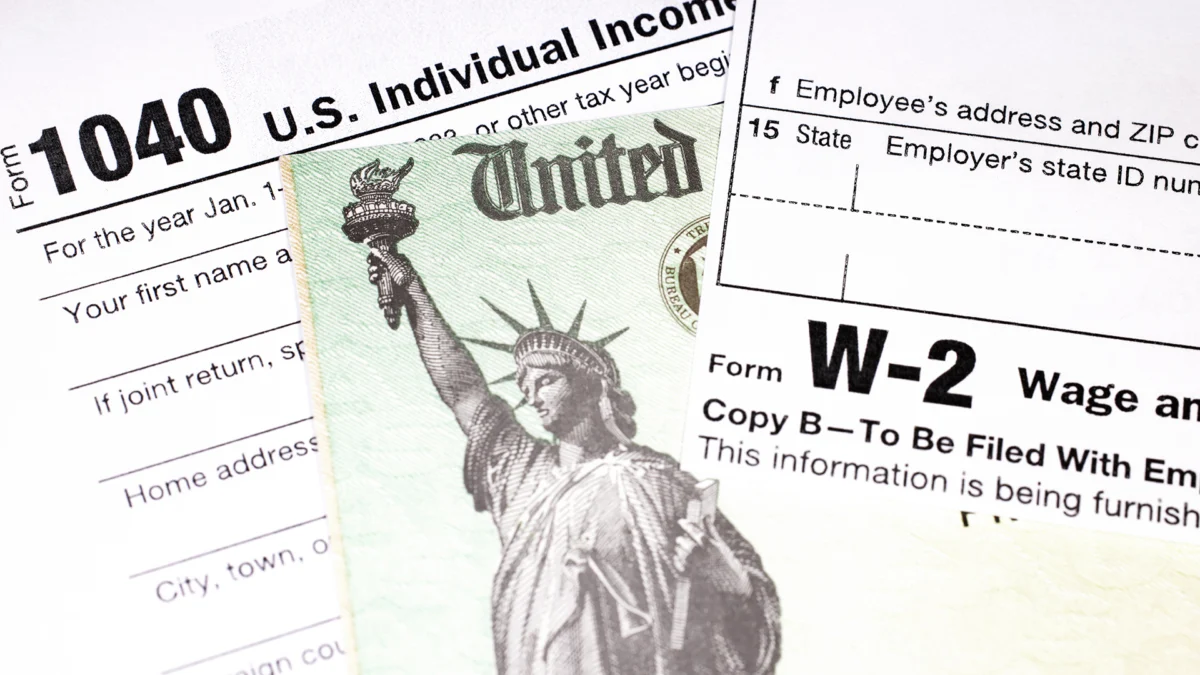
- Early January: Begin gathering essential documentation, including W-2s, 1099s, and records of deductible expenses. Verify that your mailing address is updated with all employers and financial institutions.
- Late January: The IRS officially begins accepting and processing individual tax returns. This is the optimal window to utilize VITA or TCE services, as volunteer slots fill up quickly as the April deadline approaches.
- Mid-March: If you have not yet filed, this is the "final call" to secure an appointment with a local volunteer tax assistant.
- April 15: The federal filing deadline. If you cannot complete your return by this date, you must file for an extension to avoid late-payment penalties, though an extension does not grant extra time to pay any taxes owed.
Leveraging IRS-Sanctioned "Free File" Options
For those with an Adjusted Gross Income (AGI) of $89,000 or less, the IRS "Free File" program remains the gold standard for cost-effective filing. This partnership between the federal government and eight reputable software companies—including 1040.com, FreeTaxUSA.com, and TaxSlayer.com—provides high-quality, guided software at no cost.
It is important to note that while the IRS oversees these programs, each participating company sets its own specific eligibility criteria based on state residency, age, and military status. Some providers may offer federal filing for free while charging a fee for state returns.
The "Big Two" and the Simple Return
While industry giants H&R Block and TurboTax do not participate in the IRS Free File program, they maintain their own "freemium" models. These are generally intended for taxpayers with simple returns—those with a single W-2, no complex investments, and who claim the standard deduction. If your tax situation involves business income, rental property, or complex capital gains, these free versions may not be available to you, and the software will often prompt an upgrade to a paid version.
Specialized Support: VITA, TCE, and MilTax
The federal government and its non-profit partners offer robust support networks for those who fall outside the typical software-user demographic.
VITA: Empowering Communities
The Volunteer Income Tax Assistance (VITA) program provides in-person, IRS-certified tax help to households earning $67,000 or less, as well as to persons with disabilities and those with limited English proficiency. Many VITA sites offer "self-prep" stations where you can file electronically with the guidance of a volunteer. For those who prefer a remote approach, GetYourRefund.org—a collaboration between the IRS and the non-profit Code for America—allows taxpayers to upload documents securely. A volunteer then prepares the return, and a second volunteer performs a quality review, ensuring accuracy without the taxpayer needing to navigate the software alone.

TCE: Assisting the Older Generation
The Tax Counseling for the Elderly (TCE) program is specifically tailored to the unique needs of seniors. Most sites are staffed by the AARP Foundation’s Tax-Aide program. These volunteers are trained to handle complex retirement issues, such as pension distributions and social security taxation. With sites across the country, TCE provides a safe harbor for older taxpayers who may feel overwhelmed by the transition to digital-only filing.
MilTax: A Resource for Our Defenders
Service members, veterans, and their families have access to MilTax, a specialized Department of Defense program. MilTax goes beyond basic filing; it offers expert support for the unique financial realities of military life, including deployments, combat pay, and multi-state filing complications. Eligible users can access tax professionals for one-on-one advice via phone or live chat, providing a level of service that is rarely available for free in the civilian sector.
The Growing Threat of Tax-Related Identity Theft
As tax preparation moves further into the digital realm, the risk of identity theft grows. Data breaches have made it easier for bad actors to obtain the Social Security numbers and personal information required to file fraudulent returns.
Signs of a Compromised Identity
Taxpayers often discover they are victims of fraud only after the fact. Common indicators include:
- Receiving an IRS notification that a return was already filed using your Social Security number.
- IRS notices regarding income from an employer you have never worked for.
- Evidence of an unauthorized online IRS account created in your name.
The "Gold Standard" Defense: The IP PIN
The most effective way to preempt identity theft is to request an Identity Protection PIN (IP PIN). This six-digit code is issued by the IRS to verified taxpayers. Once you have an IP PIN, no return can be filed using your Social Security number without that specific code. It acts as a digital lock on your tax identity. The process is free, takes only minutes via the IRS website, and provides peace of mind in an increasingly digital world.
Implications for the Future of Tax Filing
The persistence of the $240 average filing cost highlights a systemic inefficiency. While private companies provide a service by simplifying the tax code into user-friendly software, the existence of a "tax gap"—the difference between taxes owed and taxes paid—suggests that the process remains too expensive or too complex for the most vulnerable populations.
The expansion of programs like GetYourRefund.org and the ongoing development of the IRS’s own "Direct File" pilot programs signal a shifting philosophy: that tax filing should be a public service rather than a commercial opportunity. Until such systems are universal, however, the burden remains on the consumer to seek out free, legitimate, and secure pathways.
By utilizing the resources outlined here—and remaining vigilant against the rising tide of identity theft—taxpayers can reclaim their time, their money, and their security during this critical season.
About Consumers’ Checkbook: Consumers’ Checkbook is a nonprofit organization dedicated to helping consumers make smarter, more informed choices. Through unbiased research, price comparisons, and service evaluations, Checkbook provides the tools necessary to navigate complex marketplaces. For more information, visit Checkbook.org/NFCC.