







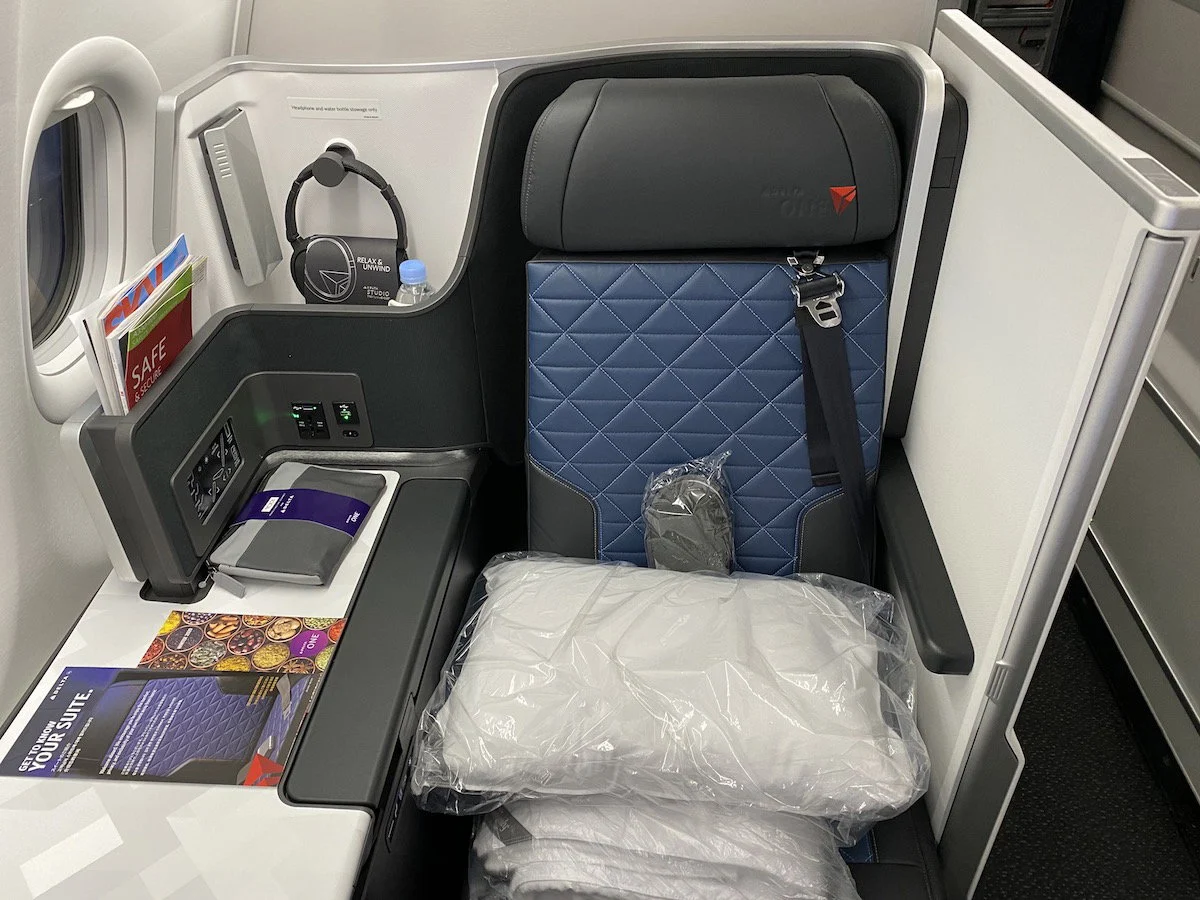
In a move that signals both a tactical pivot in customer engagement and a recurring experiment in airline loyalty structures, Delta Air Lines has once again launched a promotion allowing SkyMiles members to earn Medallion Qualifying Dollars (MQDs) through non-flight activities. For a limited time, members can accrue elite-qualifying status credits by booking hotels, vacation rentals, and rental cars through the official Delta travel portal.
While this promotion has surfaced repeatedly over the past three years, its reappearance in 2026 underscores a persistent tension between Delta’s desire to capture ancillary revenue and its commitment to maintaining the exclusivity of its elite status tiers.
The Core Mechanics of the Promotion
The current promotion is straightforward in its design: for every dollar spent on lodging or rental cars via the Delta Cars and Stays portal, members earn one MQD toward Medallion status, in addition to the standard accrual of two redeemable SkyMiles per dollar.
Under the current SkyMiles architecture, status is no longer tied to flight segments or raw distance. Instead, it is governed by a purely revenue-based model. To reach the entry-level Silver Medallion status, a member requires 5,000 MQDs, while the coveted Diamond Medallion tier demands 28,000 MQDs. By allowing members to earn these credits on hotel and car rental bookings, Delta is effectively lowering the barrier to entry for frequent travelers who may fall just short of their annual status goals.
A Chronology of the "Limited-Time" Strategy
To understand the significance of this offer, one must look at the turbulent history of the SkyMiles program’s evolution since 2024.
- Early 2024: Delta announced a comprehensive overhaul of its loyalty program, which included the initial intent to make third-party bookings (hotels and cars) a permanent pathway to status.
- The Mid-2024 Backlash: Following intense criticism from long-time loyalists who felt the changes devalued their status and increased the difficulty of achieving top-tier perks, Delta was forced to walk back several aspects of the program. Paradoxically, one of the features scrapped was the permanent integration of hotel and car rental spend into the MQD ecosystem.
- The Recurring Pattern (2025–2026): Despite removing the permanent integration, Delta has reintroduced this specific earning opportunity three times in 2024, three times in 2025, and now for the third time in 2026. This "ninth-time-is-the-charm" approach suggests that the airline is treating this not as a permanent fixture, but as a "pressure valve" to modulate the number of elites in the program.
Supporting Data and Economic Rationale
Why does Delta persist with this limited-time format instead of simply formalizing it? The answer lies in the economics of airline partnerships.
When a traveler books a hotel through a third-party portal like Delta’s, the airline acts as an affiliate, collecting a commission from the hotel or car rental agency. By offering MQDs as a "kickback," Delta is essentially incentivizing members to bypass direct booking channels or competing travel aggregators. This is pure profit for the carrier: the cost of issuing loyalty points is significantly lower than the commission earned on a high-value travel booking.
However, the "opportunity cost" remains a critical variable for the consumer. Smart travelers understand that by booking through an airline portal, they often sacrifice:

- Loyalty Points with the Provider: Staying at a Marriott or Hilton booked through Delta often precludes the member from earning hotel-specific loyalty points or elite night credits.
- Elite Status Benefits: Hotel elite members rarely receive their on-property perks (such as breakfast, late checkout, or room upgrades) when the stay is booked through a third-party site.
- Price Disparity: Third-party portals do not always guarantee the "best available rate," and members may find lower prices by booking directly with the property.
Official Stance and Program Evolution
Delta has remained largely tight-lipped regarding why this feature has not been made permanent. In the wake of the 2024 program revisions, company executives emphasized that the goal was to "simplify" the program. However, the complexity of these recurring promotions suggests that the airline is still searching for the perfect equilibrium.
Industry analysts speculate that Delta is keeping this as a "limited-time" feature for two specific reasons:
- Status Inflation Control: If hotel spend were a permanent, year-round way to earn status, the number of Medallion members might swell, diluting the value of the status for those who earn it primarily through high-fare flight spending.
- Flexibility: By keeping the feature "on/off," Delta retains the ability to turn off the tap if the airline finds it has already reached its desired quota of elite members for the year.
Implications for the Frequent Traveler
For the average SkyMiles member, this promotion represents a tactical opportunity, not a lifestyle change. It is most effective for:
- The "Gap" Traveler: Those who are within 1,000–2,000 MQDs of reaching a higher tier and need a boost before the calendar year closes.
- The Unaffiliated Traveler: Someone who does not have loyalty to a specific hotel chain and is choosing between several non-branded properties where status benefits were not a factor anyway.
Conversely, for the "Road Warrior" who relies on hotel elite status (such as Hyatt Globalist or Marriott Titanium), this promotion is often a trap. The value of free breakfast, suite upgrades, and late checkout at a hotel far outweighs the incremental progress toward airline status, especially when that status is already achievable through credit card spend or flying.
Future Outlook: Will It Ever Be Permanent?
The recurrence of this promotion suggests that Delta is testing a hybrid model. The airline has successfully integrated credit card spend as a major driver of MQDs, and adding third-party travel spend feels like a natural extension of that philosophy.
If Delta’s internal data shows that members who engage with this portal are more likely to remain loyal to the SkyMiles ecosystem, we may eventually see it become a permanent feature. However, as long as the airline maintains its current "exclusive" stance on Medallion tiers, it is likely to continue utilizing these temporary promotions to manipulate supply and demand within the elite ranks.
For now, members should view these periods of MQD-earning as "bonus windows." If you have upcoming travel that doesn’t rely on hotel loyalty perks, the Delta portal is a strong option. If, however, you are prioritizing your hotel loyalty, the temporary nature of this promotion is a signal to stick to your direct booking habits and avoid the temptation of the extra MQDs.
In the final analysis, Delta is attempting to have it both ways: reaping the commission revenue of a travel agency while maintaining the prestige of an airline that values, above all else, the loyalty of those who sit in its seats. Whether this strategy will eventually lead to a more permanent, inclusive program or continue to frustrate those looking for consistency remains the defining question of the modern SkyMiles era.