









In the landscape of modern civil aviation, few fleet transitions are as highly anticipated as the introduction of the Airbus A350-900 into the KLM Royal Dutch Airlines fleet. Following the Air France-KLM Group’s landmark order in September 2023—which included 50 firm orders and 40 options for the fuel-efficient widebody jet—KLM is finally poised to begin a new chapter of its long-haul operations. As the airline prepares for its inaugural delivery in August 2026, the transition promises to redefine the passenger experience at Amsterdam Airport Schiphol, even as the carrier navigates the increasingly complex bureaucratic hurdles of aviation certification.
The Strategic Shift: Modernizing the Dutch Flag Carrier
For years, KLM’s widebody strategy has been defined by its reliance on the Boeing 787 Dreamliner and a veteran fleet of Airbus A330s and Boeing 777s. While these aircraft have served the airline reliably, the shift to the Airbus A350 represents a pivot toward greater efficiency and higher density.
The A350-900 is widely considered the gold standard for long-haul operations, boasting superior fuel efficiency, reduced carbon emissions, and a cabin environment that significantly improves passenger comfort through lower cabin altitudes and higher humidity levels. For KLM, the decision to integrate the A350 is not merely about modernization; it is a pragmatic response to the capacity constraints at its home hub, Amsterdam Schiphol. By replacing smaller A330-200s (243 seats) and A330-300s (292 seats) with the higher-capacity A350, KLM can maximize its slot usage, carrying more passengers per flight without the need for additional departures.
A Chronology of the A350 Integration
The path to this moment has been carefully mapped out by KLM’s fleet planning department. Following the group-wide order in late 2023, the airline set a rigorous timeline for integration:
- September 2023: Air France-KLM finalizes the procurement agreement for up to 90 Airbus A350s.
- August 2026: Scheduled delivery of the first Airbus A350-900 to KLM’s fleet.
- September 2026: Inaugural commercial flight. KLM has designated the Amsterdam (AMS) to Toronto (YYZ) route as the flagship service for the aircraft’s debut.
- 2026–2030: A phased delivery schedule where at least 22 A350-900s are expected to join the fleet, eventually resulting in the retirement of the oldest widebody assets in the KLM stable.
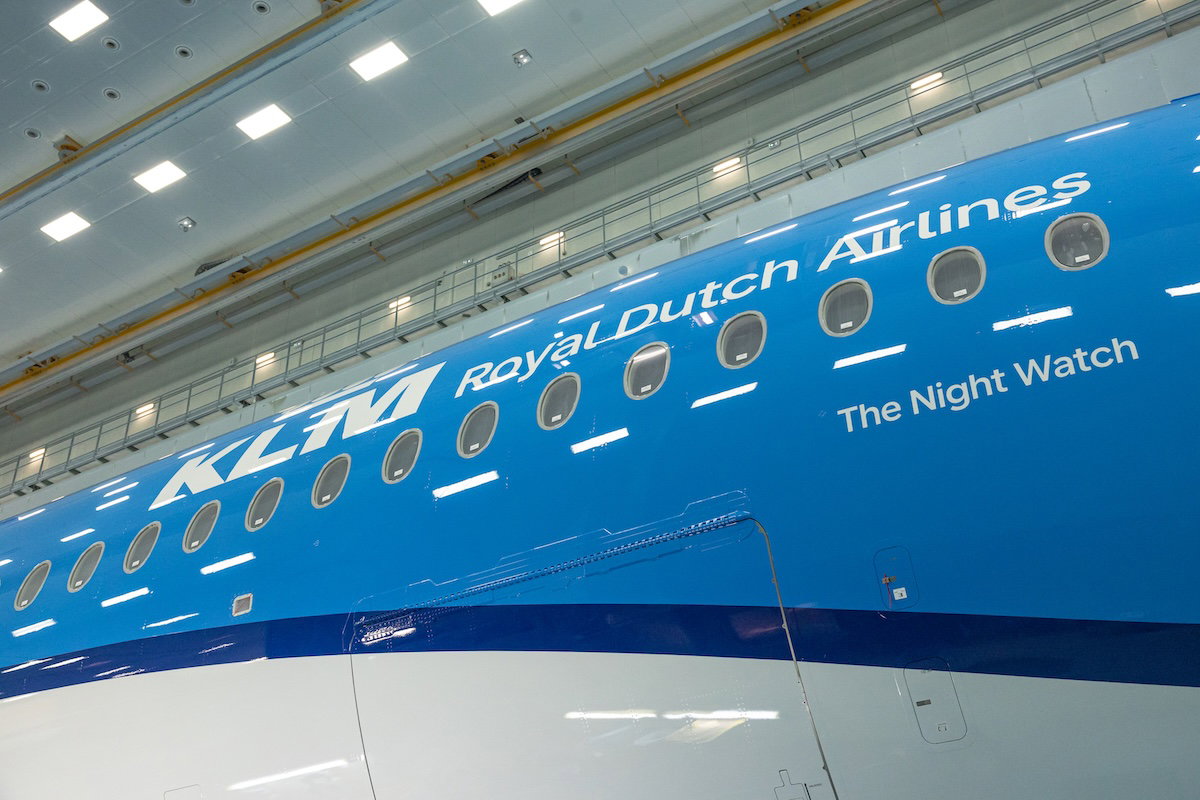
To honor its Dutch heritage, KLM has unveiled a new naming theme for its A350 fleet, moving away from previous conventions to celebrate iconic works of art. The very first aircraft will be christened "The Night Watch" (De Nachtwacht), a tribute to Rembrandt’s 17th-century masterpiece. This thematic continuity serves as a branding masterstroke, reinforcing the airline’s identity as a cultural ambassador for the Netherlands.
Technical Specifications and Cabin Configuration
The interior design of the KLM A350 reflects a calculated balance between premium demand and high-density requirements. The aircraft will be configured with 331 seats, split into three distinct cabin classes.

Cabin Breakdown:
- World Business Class: 34 seats
- Premium Economy: 26 seats
- Economy Comfort (Extra Legroom): 33 seats
- Standard Economy: 238 seats
While the aircraft offers a significant leap in technology, industry analysts have noted that the business class footprint—at 34 seats—is more conservative than that of its partner, Air France, which fits 48 business class seats on its A350-900s. This difference highlights the distinct market dynamics between Paris, a global hub with massive premium corporate demand, and Amsterdam, which relies heavily on a mix of connecting traffic and a different demographic of business travel.
The Certification Hurdle: A Growing Industry Problem
Despite the excitement surrounding the A350, KLM has been forced to confront a reality that has plagued the aerospace industry since the post-pandemic recovery: the "certification bottleneck."
In a recent disclosure, KLM announced that due to a "revised interpretation of regulatory requirements" by aviation authorities, the certification of the STELIA Aerospace OPERA seats intended for the World Business Class cabin has been delayed. Consequently, the first two aircraft delivered to KLM will enter service with these specific business class seats temporarily unavailable or subject to strict operational limitations.
This development has caused a stir in the industry. The OPERA seat is already in service on Air France’s A350 fleet. The fact that the same regulatory body (the European Union Aviation Safety Agency, or EASA) has cleared the product for one airline but is creating hurdles for another highlights the shifting goalposts of aircraft interior certification. It suggests that regulators are applying more granular, case-by-case scrutiny to fire-retardancy, crash-worthiness, and installation protocols than in previous decades.
Official Responses and Strategic Implications
KLM’s management has maintained a tone of transparent, albeit frustrated, professionalism. The airline’s official statements emphasize that the manufacturer is working "at breakneck speed" to secure the necessary approvals. The company is currently balancing the need to launch the aircraft on time with the logistical nightmare of potentially having to "block off" premium cabins or swap aircraft types at the last minute if the seats remain uncertified.
For the passenger, the implications are twofold. On one hand, the arrival of the A350 is a massive win; it offers a quieter, faster, and more comfortable ride. On the other hand, it serves as a stark reminder that the "Golden Age" of aircraft delivery—where planes were delivered and operational within days—is currently on hiatus. The modern airline must be as adept at navigating legal and regulatory red tape as it is at navigating the skies.
Market Analysis: Why This Matters
The introduction of these aircraft is vital to KLM’s long-term sustainability. The aviation industry is under immense pressure to reduce its carbon footprint, and the A350 is one of the most effective tools currently available to do so. By transitioning to a more modern, fuel-efficient fleet, KLM not only lowers its operational costs—a critical factor given the volatility of jet fuel prices—but also aligns itself with the increasingly stringent environmental regulations governing European aviation.
Furthermore, the choice of the Toronto route for the inaugural flight is significant. It demonstrates KLM’s confidence in the North American market, which remains the backbone of the carrier’s transatlantic revenue stream. By deploying its most advanced asset to a key Canadian hub, KLM is signaling its intent to maintain market share against stiff competition from both legacy carriers and newer, lower-cost entrants.
Conclusion: A High-Stakes Debut
As August 2026 approaches, all eyes in the aviation world will be on Amsterdam. The Airbus A350 is more than just a plane for KLM; it is the cornerstone of a fleet modernization strategy designed to ensure the airline remains competitive through the end of the decade.
While the certification delays surrounding the business class cabin are a temporary setback, they are unlikely to dampen the enthusiasm of frequent flyers. Once the administrative dust settles and the regulatory hurdles are cleared, the A350 will undoubtedly become the flagship of the KLM fleet. The "Night Watch" will soon be taking to the skies, and while its maiden voyage may be accompanied by a few logistical growing pains, the long-term outlook for the airline’s latest acquisition remains undeniably bright. KLM is not just upgrading its fleet; it is securing its future.