








The landscape of commercial aviation in South Florida underwent a seismic shift on Wednesday, June 17, 2026, as PS—the pioneering luxury airport service provider—officially inaugurated its latest facility at Miami International Airport (MIA). Marking a significant expansion for the brand, the opening represents a marriage of mid-century aviation history and ultra-modern travel convenience, offering a sanctuary for commercial passengers seeking to bypass the traditional terminal experience entirely.
For those willing to invest in a seamless transition from curb to cockpit, PS MIA promises a radical departure from the standard airport hustle. With price points ranging from $1,295 to $4,950 per visit, the facility targets a demographic that demands privacy, speed, and uncompromising comfort.

A Historical Landmark Reimagined
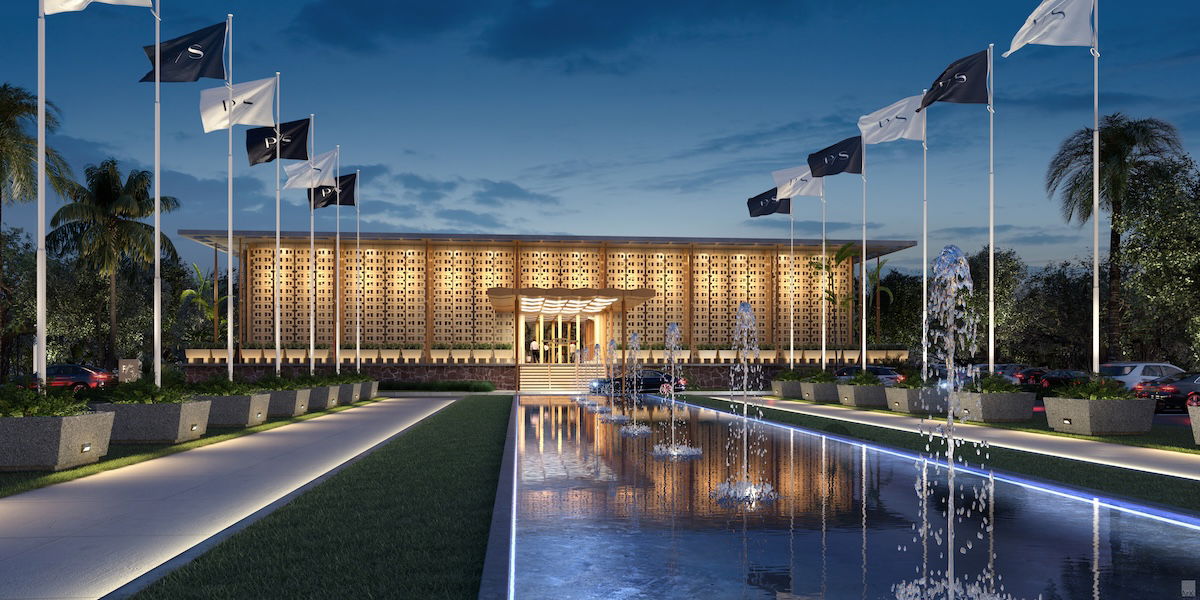
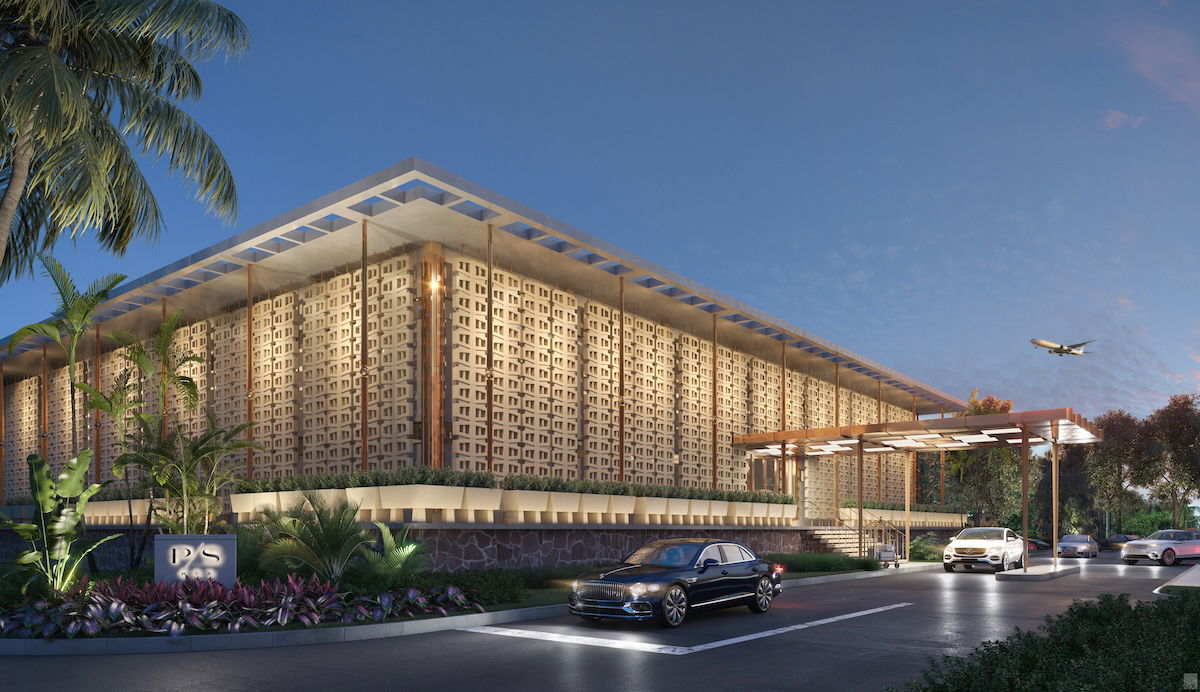
Perhaps the most compelling aspect of the new PS MIA facility is its location. The terminal is housed within the historic former Pan American Airways (Pan Am) headquarters. Opened in 1963 and once affectionately dubbed the "Taj Mahal" of aviation, the building stands as a monument to the golden age of air travel.
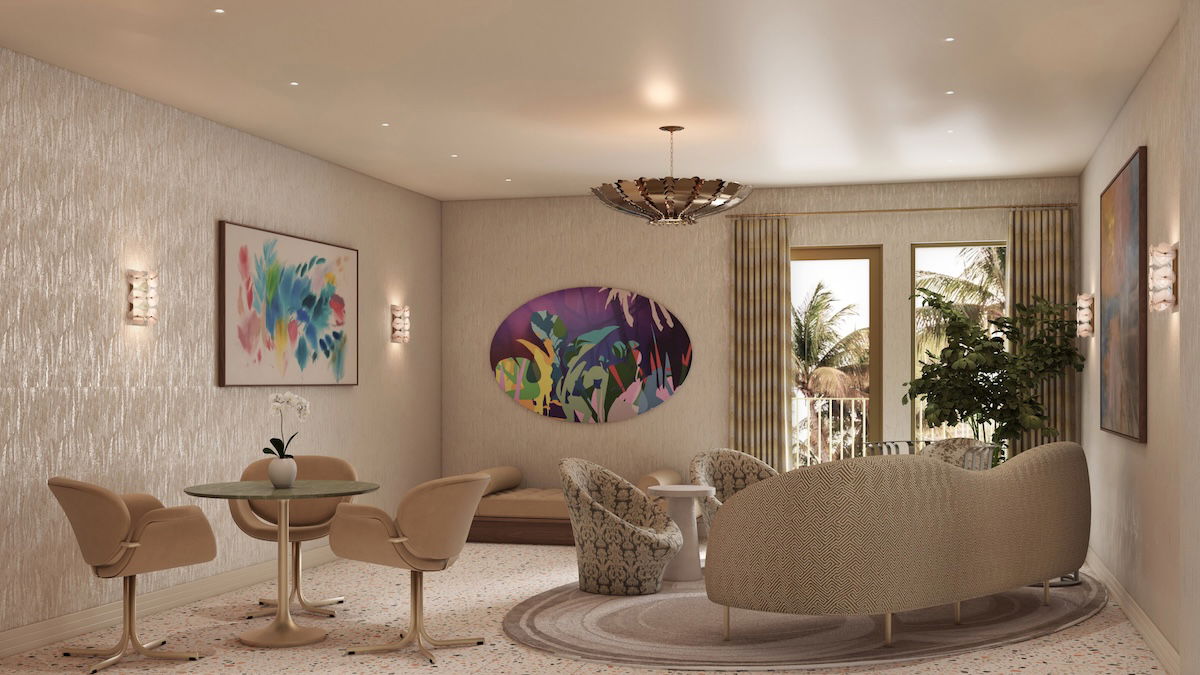
Following the collapse of Pan Am in 1991, the iconic structure sat dormant, its brutalist architecture waiting for a new purpose. PS has undertaken an extensive renovation to preserve the building’s mid-century aesthetic, integrating it with the vibrant, sun-drenched design sensibilities of contemporary Miami. The result is a 34,000-square-foot facility that balances the rigid, geometric integrity of the 1960s with the soft, palm-beach glamour expected by today’s luxury travelers.
Chronology of an Expansion
The debut of the Miami location is the latest milestone in a rapid growth strategy for PS, formerly known as The Private Suite. The company’s trajectory highlights a growing appetite for private-jet-style service among commercial airline passengers:
- 2017: The brand launches its flagship location at Los Angeles International Airport (LAX), setting the industry benchmark for "commercial-private" travel.
- 2023: PS expands to the East Coast and the South, opening a facility at Hartsfield-Jackson Atlanta International Airport (ATL).
- Early 2026: A new facility opens at Dallas-Fort Worth International Airport (DFW), signaling the company’s intent to dominate major domestic hubs.
- June 2026: PS MIA opens its doors, representing the company’s fourth major hub in less than a decade and its second opening within weeks of the DFW expansion.
This aggressive growth suggests that the "private terminal" model is no longer a niche curiosity, but a viable, scalable business vertical within the aviation industry.
The PS Experience: What $1,295 Buys
The PS model is built on the concept of "frictionless travel." For passengers who find the public terminal environment stressful—or simply prefer to avoid the public eye—the PS experience provides a concierge-led journey.
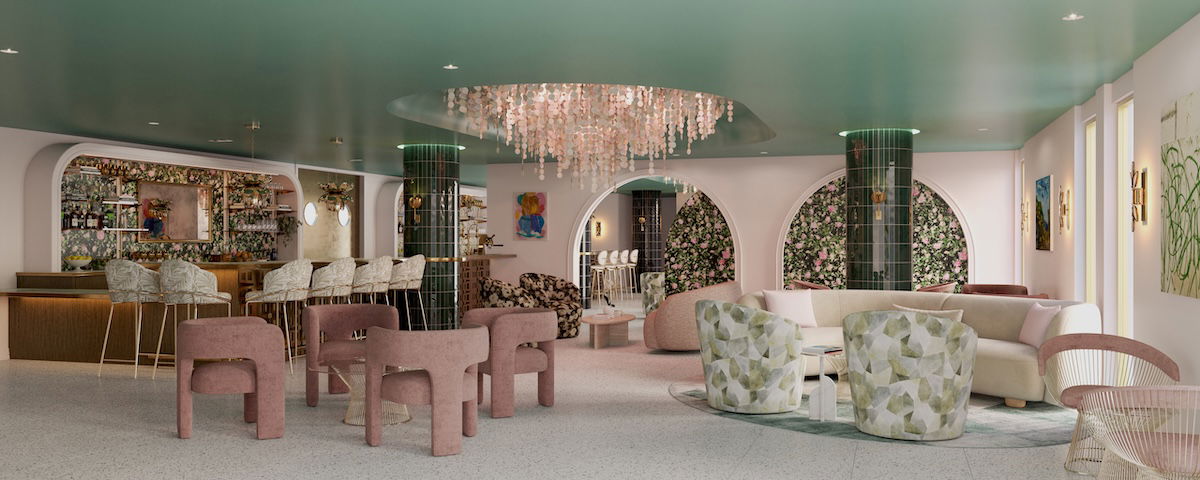
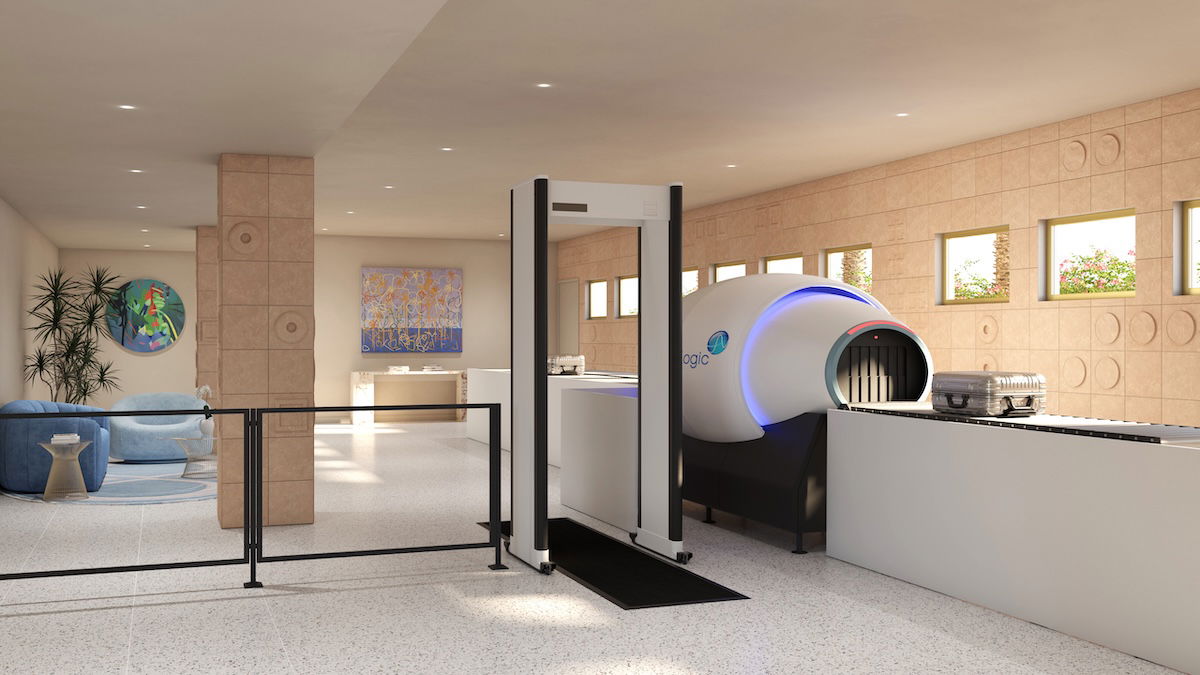
Upon arrival at the private entrance, guests are processed through dedicated, on-site TSA and immigration screenings. This eliminates the uncertainty of security wait times and the physical strain of navigating crowded checkpoints. Once cleared, guests are invited to relax in one of nine private suites or "The Salon," a shared lounge environment.
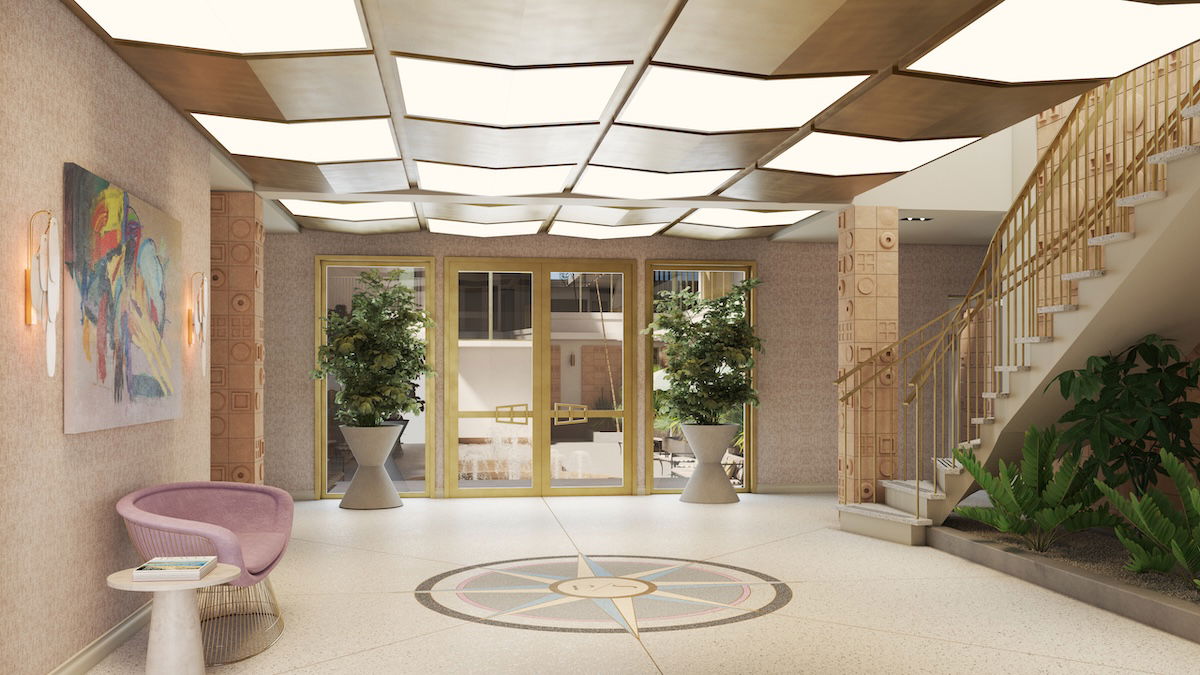
The service menu is extensive. Guests can access spa treatments, order chef-prepared meals, and utilize shower suites to freshen up before their flight. When it is time to depart, the experience concludes with a private chauffeured escort in a BMW directly to the jet bridge stairs of their commercial flight, bypassing the boarding gate chaos entirely.
Supporting Data and Market Dynamics
Critics of the PS model often point to the ubiquity of expedited travel programs such as TSA PreCheck, CLEAR, and Global Entry, which have significantly streamlined the airport experience for millions of Americans. However, industry analysts suggest that PS is not competing with these services, but rather with the concept of the "public space" itself.
The market for PS is twofold:
- The High-Net-Worth Commercial Traveler: Individuals who are accustomed to private aviation but are currently flying commercial due to route availability or preference for larger wide-body aircraft.
- The "Flex" Culture: As noted in the Miami market, there is a substantial segment of the population for whom the status associated with exclusive access is as valuable as the time saved. In a city where luxury branding is a social currency, the ability to bypass the terminal is a potent symbol of exclusivity.
Financially, the membership tiers allow for recurring revenue, while the per-visit pricing captures the casual luxury traveler. The economic viability of the Miami location is bolstered by the city’s status as a gateway to Latin America and a hub for international business, ensuring a steady stream of elite travelers year-round.

Official Responses and Stakeholder Vision
The ribbon-cutting ceremony featured prominent local leadership, including Miami-Dade County Mayor Daniella Levine Cava. The project has been lauded as a significant upgrade for the airport’s infrastructure, effectively modernizing a historic site and enhancing the competitive profile of Miami International Airport.
Airport officials have framed the project as a win for the region, noting that the partnership with PS aligns with the broader goal of attracting luxury travel to South Florida. By repurposing a dormant landmark, the project creates jobs and provides a high-revenue stream for the airport authority while offering a unique service that differentiates MIA from its peer airports in the United States.
Implications for the Future of Aviation
The success of PS raises interesting questions about the future of terminal architecture. Could we see a future where large-scale airports dedicate significant square footage to private, "terminal-within-a-terminal" experiences?
There are, of course, challenges. The primary hurdle is land availability at congested major airports. Converting historic buildings like the Pan Am headquarters is an elegant solution, but it is not easily replicable at every facility. Furthermore, there is the risk of alienating the broader passenger base. Critics argue that as airports prioritize high-paying "PS-style" travelers, the experience for the average passenger may suffer from a lack of investment in public amenities.

However, the trend appears to be moving in the opposite direction. Airports are increasingly acting as retail and luxury hubs, and the inclusion of private terminals is a logical extension of the "premiumization" of travel. For the aviation enthusiast, the preservation of the Pan Am headquarters is a triumph of historic preservation. For the frequent traveler, it is a new way to reclaim time.
Conclusion: A New Era in Miami
The opening of PS MIA is more than just a business expansion; it is a cultural statement. It acknowledges that for a specific, affluent segment of the flying public, the airport experience should not be a hurdle to be cleared, but a seamless, luxurious extension of the travel journey itself.
Whether the high entry price becomes the new standard for elite travel or remains a boutique service for the ultra-wealthy, one thing is certain: the "Taj Mahal" of Miami aviation has reclaimed its crown. As PS continues to grow, it will be fascinating to see how the rest of the industry responds to this shift toward the privatization of the public airport experience. For now, the fortunate few traveling through Miami have a new, highly exclusive way to take to the skies.