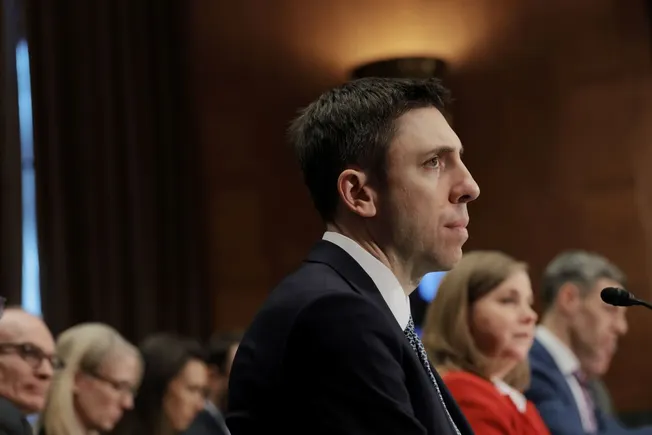









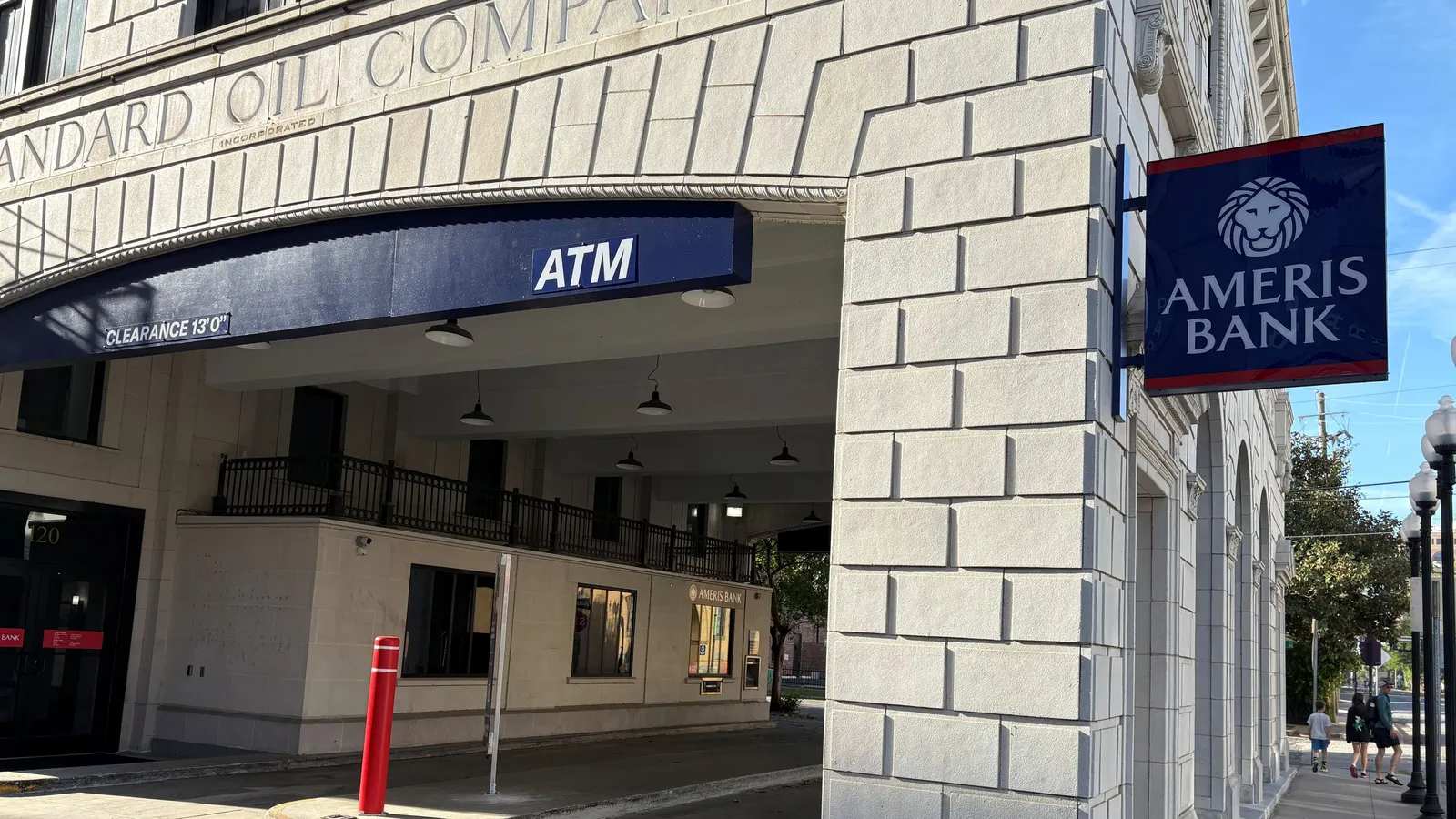
ATLANTA — In a legal blow that could reshape its financial outlook for the fiscal year, Atlanta-based Ameris Bank is reeling from a massive $80 million jury verdict. The judgment, handed down in the U.S. District Court for the Central District of California, marks a significant defeat for the regional lender in a high-stakes battle against Patrick Byrne, the founder and former CEO of Balboa Capital.
The verdict concludes a contentious multi-year legal struggle that pitted a veteran entrepreneur against one of the Southeast’s most aggressive banking institutions. Following the jury’s decision, Ameris Bank signaled its intent to appeal, while simultaneously warning investors that the final resolution of the matter could have a "material adverse effect" on the company’s financial stability, operations, and liquidity.
The Core Conflict: A Founder’s Claim vs. Corporate Governance
The dispute centers on Patrick Byrne, who co-founded Costa Mesa-based Balboa Capital, a prominent online lender specializing in equipment finance for small and medium-sized businesses. In December 2021, Ameris Bank acquired Balboa Capital for $187 million, a move intended to diversify Ameris’s portfolio and strengthen its foothold in the California market. As part of the acquisition, Byrne transitioned into a leadership role within the bank, serving as the CEO of Ameris’s newly formed equipment finance division.
However, the integration of the founder-led firm into the larger corporate structure of Ameris Bank proved to be fraught with tension. The legal proceedings revealed a breakdown in trust regarding the "Long-Term Cash Incentive Plan" (LTIP) established during the acquisition. Byrne alleged that Ameris leadership began "improperly calculating" Balboa’s earnings to suppress the performance-based bonuses owed to him and his team.
When Byrne escalated his concerns to the bank’s executive leadership, the relationship soured completely. Byrne was terminated in June 2024, leading to a lawsuit that alleged not only breach of contract but also retaliatory termination for whistleblowing on what he characterized as fraudulent accounting practices.
Chronology: From Acquisition to Courtroom Confrontation
The timeline of the dispute illustrates a rapid deterioration of the partnership between Ameris and the Balboa leadership team:
- December 2021: Ameris Bank completes the $187 million acquisition of Balboa Capital. Patrick Byrne is retained as CEO of the equipment finance division.
- 2022 – Early 2024: Friction develops over the LTIP. Byrne repeatedly challenges the bank’s accounting methods, claiming they deviate from the agreed-upon metrics used to determine bonuses.
- June 2024: Ameris Bank terminates Byrne’s employment.
- September 2024: Byrne files a lawsuit in the U.S. District Court for the Central District of California, alleging wrongful termination and the intentional manipulation of financial records to avoid payout obligations.
- September 2025: Ameris Bank claims to discover evidence of data misappropriation by Byrne.
- February 2026: Ameris files a countersuit against Byrne, alleging breach of contract and misappropriation of trade secrets, claiming he sent thousands of pages of proprietary data to his personal email account.
- June 2026: A California jury sides with Byrne, awarding an $80 million judgment. Ameris issues a public statement regarding the potential financial impact.
Supporting Data: The Financial Stakes of the Verdict
To understand the magnitude of the $80 million verdict, one must look at Ameris Bank’s recent financial performance. In its April 2026 earnings release, Ameris Bancorp reported a first-quarter net income of $110.5 million, a 26% increase year-over-year.
While the bank has shown robust growth, the $80 million judgment represents nearly 72% of its entire first-quarter profit. The potential for such a large outflow has forced the bank’s treasury and legal departments into a defensive posture. In a recent regulatory filing, the bank noted it is currently "evaluating the potential impact of the verdict, including whether an accrual is required for financial reporting purposes."
The financial implications extend beyond the immediate payout. The bank’s warning of a "material adverse effect" suggests that the judgment could impact:
- Liquidity Ratios: A sudden $80 million liability could tighten the bank’s available capital for lending.
- Stock Valuation: Investor confidence may be shaken by the combination of a large legal penalty and allegations of accounting irregularities.
- M&A Reputation: The case serves as a cautionary tale for other independent firms considering an acquisition by Ameris, potentially making future growth through M&A more difficult and expensive.
Official Responses: Statements from the Parties
The legal teams on both sides have remained entrenched in their respective positions. Byrne’s representation, the law firm Allen Matkins, characterized the bank’s actions as a deliberate attempt to disenfranchise the very people who built Balboa Capital’s value.
"Ameris willfully and maliciously failed to pay what was owed under the incentive plan and then fired Mr. Byrne when he communicated his corrections to Ameris’s leadership," the firm stated in a press release following the victory.

Patrick Byrne expressed a sense of vindication in his first public comments since the verdict. "I spent my career building Balboa Capital and stood up for the people who built it with me," Byrne said. "I’m grateful the jury listened to the evidence and held Ameris accountable."
Conversely, Ameris Bank has maintained a stance of vigorous defense. While the bank’s spokesperson declined to provide a specific date for the appeal filing, the company’s internal messaging remains defiant. "While the Company intends to continue to vigorously defend its position in this matter, the ultimate outcome of this matter is uncertain," the bank stated.
Ameris’s countersuit, which alleged that Byrne misappropriated trade secrets in late 2025, appears to have been viewed by the jury as a secondary or retaliatory legal maneuver, though the bank continues to insist that Byrne’s handling of confidential information was a breach of his contractual duties.
Implications for the Banking Industry and M&A Culture
The Ameris-Byrne case highlights a growing trend of "post-merger friction" in the financial services sector. As large regional banks seek to acquire fintechs and specialized lenders to bolster their digital and niche capabilities, the clash between corporate banking culture and entrepreneurial agility is becoming more pronounced.
1. The Risks of Earn-Out Agreements
The dispute over the LTIP is a classic example of the risks associated with "earn-out" structures. These agreements, which tie part of the purchase price to future performance, are common in acquisitions of founder-led companies. However, if the acquiring bank changes the accounting methodology or shifts corporate overhead costs onto the subsidiary, the "performance" metrics can become a moving target. This verdict may lead to more stringent and transparent accounting clauses in future bank acquisition contracts.
2. Whistleblower Protection and Retaliation
The jury’s decision to award $80 million—a figure that likely includes significant punitive damages—suggests a strong rebuke of the bank’s termination of Byrne. In the current regulatory environment, banks are expected to have robust internal systems for handling grievances. The allegation that a CEO was fired for pointing out accounting discrepancies is a "red flag" for regulators such as the Consumer Financial Protection Bureau (CFPB) and the Office of the Comptroller of the Currency (OCC).

3. The "Trade Secret" Defense
Ameris’s attempt to countersue Byrne for misappropriation of trade secrets is a common tactic in executive litigation. By alleging that an executive took proprietary data, companies often attempt to neutralize wrongful termination claims. In this instance, the tactic failed to sway the jury, suggesting that the evidence of the bank’s initial breach regarding the incentive plan was more compelling than the allegations of data theft.
Conclusion: An Uncertain Path Forward
As Ameris Bank prepares its appeal, the shadow of the $80 million verdict looms over its 2026 fiscal goals. While the bank’s Q1 earnings were strong, the legal liability represents a significant hurdle. For the broader banking industry, the case serves as a $187 million (plus $80 million) lesson in the complexities of acquiring and integrating founder-led institutions.
The "material adverse effect" warned of by Ameris may not just be a line in a financial filing; it is a signal that the bank is entering a period of heightened scrutiny from investors, regulators, and potential future partners. Whether the appellate court will reduce the award or uphold the jury’s decision remains to be seen, but the reputational damage to the Atlanta lender is already manifest.