








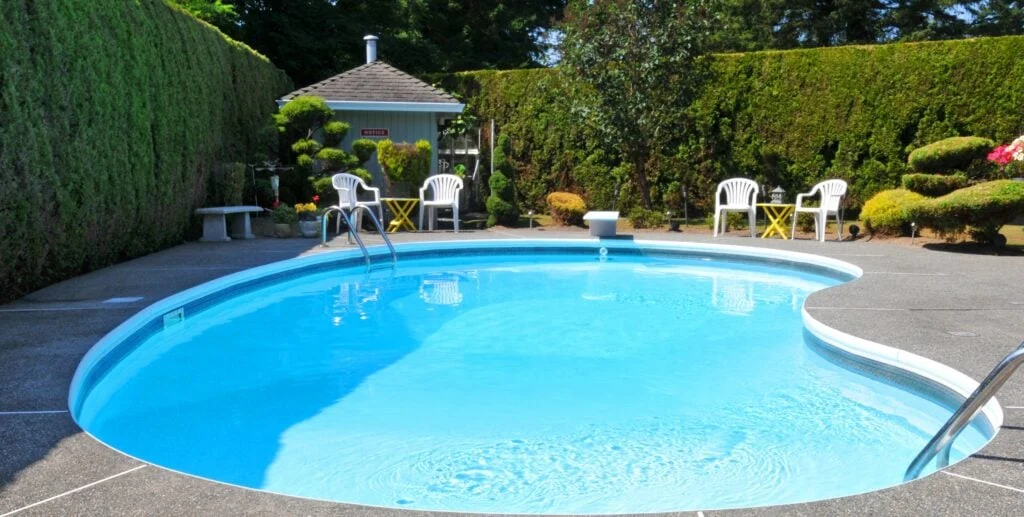
For short-term rental (STR) investors, the summer season is the "golden window." As temperatures rise, occupancy rates climb, nightly premiums surge, and calendars fill up with high-value bookings. Yet, for thousands of property owners, this peak season represents a precarious balancing act. While a swimming pool, hot tub, or wet deck serves as a powerful magnet for bookings, it simultaneously transforms a profitable real estate asset into a significant legal liability—often before the host even realizes the danger.
This report examines the intersection of hospitality, premises liability, and the often-misunderstood nature of insurance coverage in the short-term rental market.
The Data That Should Demand Your Attention
The statistics surrounding water-based accidents are sobering. According to the Centers for Disease Control and Prevention (CDC), the United States records over 4,000 fatal unintentional drownings annually. This equates to roughly 11 lives lost every day. Furthermore, for every fatal incident, another 8,000 nonfatal drownings are treated in emergency departments—approximately 22 incidents daily—many of which result in long-term neurological impairment.
The demographic most at risk is children. Drowning remains the leading cause of death for children ages 1 to 4 and the second-leading cause of unintentional injury death for those aged 5 to 14. Perhaps most alarming for the STR industry is a statistic provided by Pool Guard USA: roughly 81% of fatal child pool and spa drownings occur in residential settings rather than public parks or commercial facilities. These are not government-regulated water parks; they are private, residential properties that look identical to the vacation rentals listed on platforms like Airbnb or Vrbo. As these properties see their highest foot traffic from May through August, the risk of a catastrophic event spikes in tandem with rental revenue.
The Illusion of Safety: Why Hot Tubs Are Not "Low Stakes"
A common misconception among STR hosts is that a hot tub or spa is safer than a full-sized swimming pool because of its shallow depth and smaller surface area. This dangerous assumption ignores the mechanical and physical realities of spa-related injuries.
Data compiled from Consumer Product Safety Commission (CPSC) reports indicates that more than 300 people die from hot tub-related accidents annually. Children under five represent approximately 20% of these fatalities. Furthermore, injuries are not limited to drowning. Nearly half of all hot tub-related injuries are attributed to slip-and-fall accidents on slick, wet surfaces surrounding the tub. Another 10% are linked to heat overexposure, which can cause fainting and subsequent submersion.
The most complex liability threat, however, is "entrapment." This occurs when a drain cover is improperly maintained, broken, or missing, leading to a guest—often a child—becoming stuck by the suction of the filtration system. Similarly, hair or clothing can become snagged, leading to exhaustion and panic. When a guest fails to read posted depth or temperature warnings, or when a host fails to provide them, the legal fallout is severe. These aren’t just "accidents"; they are potential grounds for wrongful death lawsuits that can dismantle a rental business overnight.
Financial Implications: What a Claim Actually Costs
The financial fallout of a premises liability claim in the STR space is rarely capped at the cost of a medical bill. While exact settlement averages for vacation rentals are not public, legal analysts monitoring wrongful death cases in private residences report that serious negligence cases typically land in the high-six-figure to seven-figure range.
One comprehensive study of 956 wrongful death cases revealed a mean settlement of approximately $973,000. In instances of clear negligence—such as failing to repair a known hazard or failing to install mandatory safety barriers—settlements can easily exceed $1 million. Even "minor" slip-and-fall incidents, which are common in wet pool environments, carry heavy price tags. A 2026 premises liability review placed the average residential slip-and-fall settlement at roughly $105,000, with catastrophic injuries often reaching into the millions.
When you factor in legal fees, insurance deductibles, and the inevitable loss of property income during litigation, the "premium" earned by having a pool can be erased in a single afternoon.
The Coverage Gap: Why Your Homeowner’s Policy Is Likely Insufficient
Perhaps the most dangerous mistake an STR host can make is relying on a standard homeowner’s insurance policy to cover a commercial business activity. Insurance industry standards classify private swimming pools as an "attractive nuisance." This legal concept holds property owners responsible for children who may be enticed to enter the property and suffer harm.
Standard homeowner’s insurance is designed for personal use and occasional social guests. It is categorically not designed to cover the commercial risks associated with paying guests. If a disaster occurs at your pool or hot tub, and your insurer discovers that you were running an unlicensed or improperly insured short-term rental, you face two immediate crises:
- Denied Claims: The insurance carrier may deny the liability claim entirely, leaving you personally responsible for millions in damages.
- Policy Cancellation: Discovering regular commercial rental activity can lead to immediate non-renewal or cancellation of your entire homeowner’s policy, making it difficult to secure coverage elsewhere.
Transitioning to Commercial-Grade Protection
Professional STR operators must move away from personal policies and toward dedicated commercial landlord insurance. These policies are built specifically for the risks associated with vacation rentals. They typically offer:
- Higher Liability Limits: Providing a buffer for the high-seven-figure settlements mentioned above.
- Commercial Liability Coverage: Specifically acknowledging the rental of the property to third parties.
- Amenity Coverage: Inclusion of pools, spas, and other high-risk features as part of the operational footprint.
BiggerPockets, in partnership with Steadily, offers a specialized insurance calculator that allows hosts to determine the cost of appropriate coverage without the high-pressure sales tactics of traditional brokerage. For Pro members, there is the added benefit of a 5% discount on premiums, turning a necessary expense into a optimized business cost.
Operational Safety: The Pre-Booking Checklist
Insurance is your final safety net, but it should never be your first line of defense. Before the peak season commences, every STR host should execute a rigorous safety audit of their water amenities.
- Physical Barriers: Ensure every pool is enclosed by a self-closing, self-latching gate that meets local safety codes.
- Drain Maintenance: Inspect all drain covers to ensure they are VGB-compliant (Virginia Graeme Baker Pool & Spa Safety Act) and securely fastened.
- Signage: Post clear, legible rules regarding hours of operation, depth, "no diving" warnings, and temperature limits for hot tubs.
- Slip Resistance: Install high-quality, slip-resistant mats or specialized coatings on all walkways surrounding the pool and hot tub.
- Lighting: Ensure that the path from the rental unit to the water feature is well-lit for late-night use.
- Communication: Include pool safety rules in your digital guidebook and ensure they are clearly communicated in the check-in documentation.
Conclusion: Balancing Revenue and Risk
A swimming pool or hot tub remains one of the most effective revenue drivers in the short-term rental market. Listings equipped with these amenities can see occupancy increases of up to 13% and command significantly higher nightly rates than their non-amenitized counterparts.
However, this profitability is inextricably linked to risk. The most successful investors in the space treat insurance, physical safety, and guest communication as a single, cohesive system. They do not view safety as a bureaucratic burden, but as a fundamental pillar of their business model.
As the summer season approaches, the time to address your liability is now. Do not wait for an incident to discover the limits of your current policy. By securing proper coverage and hardening your physical assets, you can ensure that your summer remains defined by record-breaking revenue rather than legal catastrophe. Run your property through an industry-standard insurance calculator today—the cost of protection is almost always cheaper than the cost of a claim.