







As the travel landscape continues to oscillate between post-pandemic resurgence and logistical volatility, this week has served as a masterclass in the complexities of global transit. Following a rigorous week navigating the complexities of Aegean travel, the focus shifts to the majestic peaks of South Tyrol, Italy. This transition highlights a broader trend in the travel sector: the relentless pursuit of bucket-list destinations, even when logistical hurdles—ranging from localized strikes to airport congestion—threaten to derail the itinerary.
While the European summer season hits its stride, the aviation industry remains in a state of perpetual motion. From long-haul connectivity breakthroughs to the incremental improvement of the passenger experience, the past seven days have provided a significant glimpse into the future of global mobility.
Main Facts: A Week of Aviation Milestones
The aviation industry’s news cycle was dominated by several major announcements this week, marking significant shifts in strategy for both legacy carriers and financial institutions partnering with the travel sector.
- Qantas Project Sunrise Timeline: The Australian flag carrier has finally provided a clearer roadmap for its ambitious nonstop "Project Sunrise" flights connecting Sydney to London.
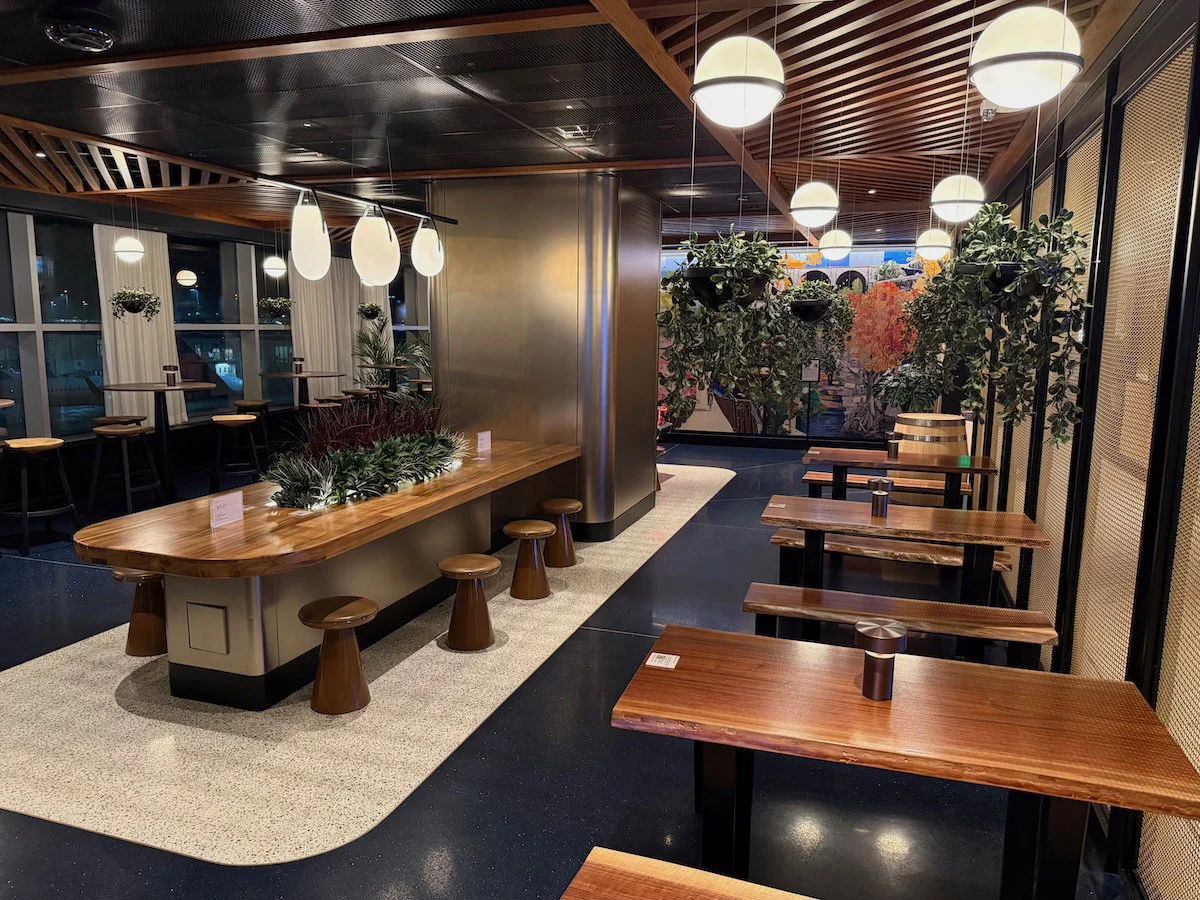
- Lounge Expansion: Chase has confirmed its footprint will expand into Miami, signaling a continued arms race among premium credit card issuers to secure space in high-traffic international hubs.
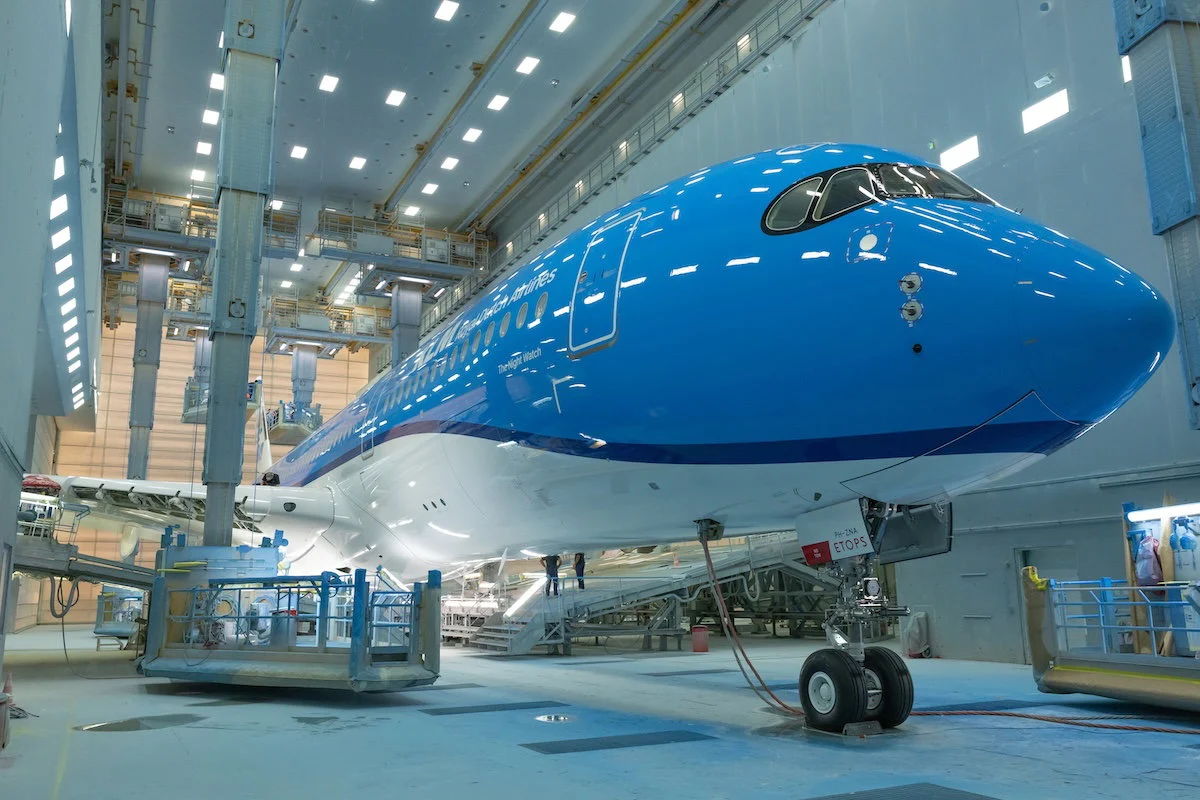
- KLM’s Fleet Modernization: The Dutch carrier has officially designated the inaugural route for its newest Airbus A350, a move aimed at enhancing fuel efficiency and passenger comfort.
- Operational Adjustments: Alaska Airlines has begun implementing "cold crew" service on select routes, a strategic shift aimed at managing onboard service standards during peak travel periods.
Chronology of the Week’s Major Developments
Monday: The Expansion of Premium Lounging
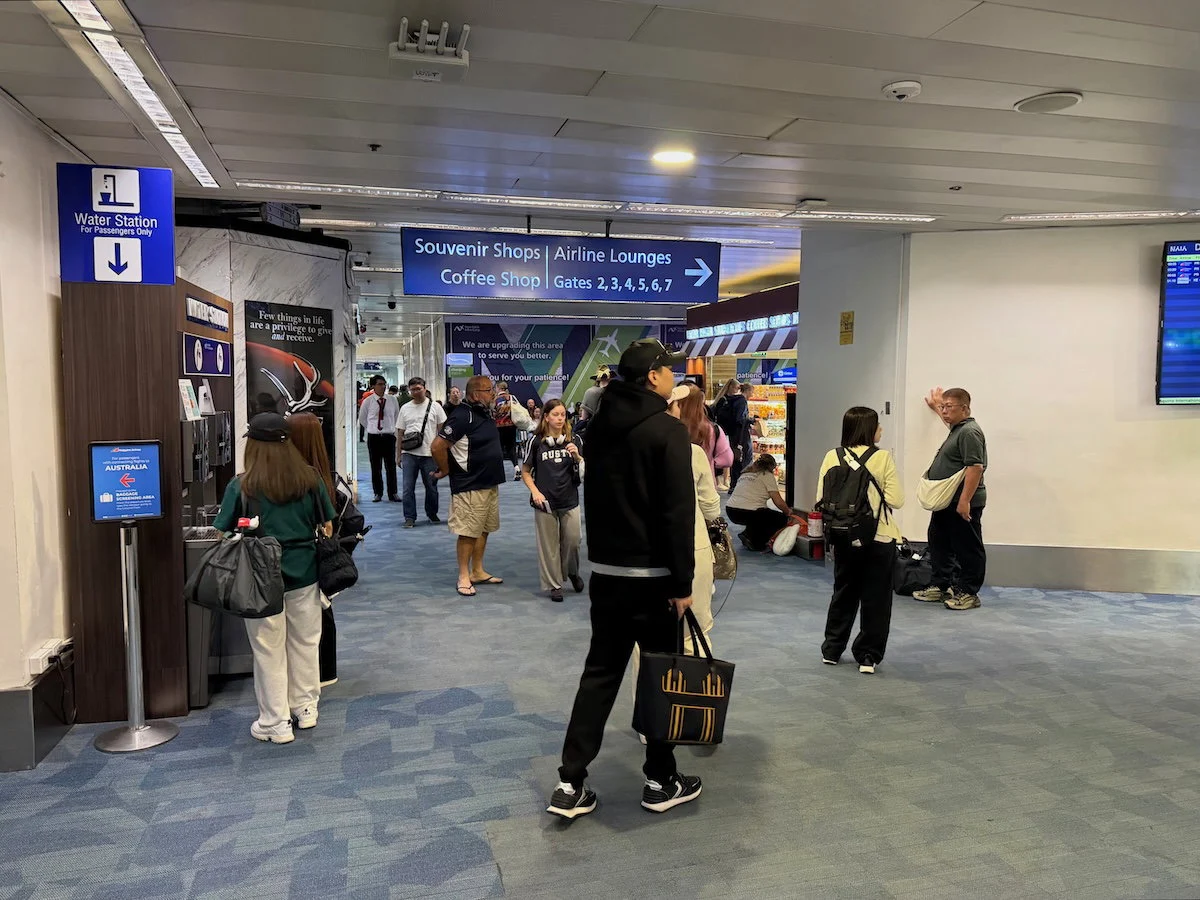
The week opened with the announcement that Chase Sapphire Lounge by The Club will be expanding to Miami International Airport (MIA). This move is part of a broader strategy by JPMorgan Chase to compete directly with American Express’s Centurion network. Analysts note that Miami’s status as a gateway to Latin America makes it a strategic necessity for high-end lounge operators.
Tuesday: KLM’s Fleet Evolution
KLM Royal Dutch Airlines confirmed the deployment schedule for its first Airbus A350. By moving toward a more modern, fuel-efficient fleet, KLM aims to lower its carbon footprint while simultaneously offering a superior cabin product. The decision to prioritize specific long-haul corridors for this rollout indicates a focus on business-heavy routes where premium cabin demand remains resilient.
Wednesday: Alaska Airlines’ Operational Shift
Mid-week, Alaska Airlines made waves by rolling out their "cold crew" initiative on specific routes. In the context of airline operations, this refers to a recalibration of crew scheduling and service expectations to ensure that staffing levels remain stable even when faced with the unpredictability of modern air travel.
Thursday: The Qantas "Project Sunrise" Update
Perhaps the most anticipated news of the week involved Qantas. The "Project Sunrise" initiative—the attempt to fly passengers for nearly 20 hours nonstop—has been plagued by labor negotiations and aircraft delivery delays. The announcement of a concrete timeline provides the market with the certainty it needs to begin long-term revenue forecasting for these ultra-long-haul services.
Supporting Data: Why These Changes Matter
The aviation sector is currently defined by two competing forces: the desire for ultra-long-haul efficiency and the demand for a localized, premium passenger experience.
The Economics of Ultra-Long-Haul
Qantas’s Sydney-to-London route represents the "holy grail" of commercial aviation. Data suggests that business travelers are willing to pay a significant premium for time-saving, nonstop connectivity. However, the operational costs—including increased fuel burn, the need for specialized crew rest facilities, and the necessity of high-density premium seating—mean that these flights must maintain high load factors to remain profitable.
Lounge Economics
The investment in lounge space at Miami International is not merely an amenity play; it is a customer acquisition strategy. Credit card issuers spend millions annually on lounge access because data consistently shows that cardholders with lounge access have higher retention rates and higher average spending. By securing space at a major international hub like MIA, Chase is positioning itself to capture the lucrative "frequent international traveler" demographic.
Official Responses and Industry Sentiment
The Qantas Perspective
Qantas management has maintained a tone of cautious optimism. In a brief statement, the airline acknowledged that "the logistical complexity of Project Sunrise requires precision in both engineering and human resource management." By establishing a timeline, Qantas is signaling to shareholders that the technical hurdles regarding aircraft range and safety have been largely mitigated.
Industry Analyst Insights
Industry experts view the KLM A350 announcement as a necessary step in the airline’s survival strategy. As European airports face tighter emission regulations, the shift to the A350 is a proactive measure against future environmental taxes. "KLM is playing the long game," says one aviation analyst. "They are trading short-term capital expenditure for long-term operational viability."
Implications: What This Means for the Traveler
The ripple effects of these industry shifts are significant for the average passenger.
The Evolution of Comfort
The introduction of the A350 by carriers like KLM signals a broader trend: the "premiumization" of the cabin. Passengers can expect quieter cabins, better air quality, and more sophisticated in-flight entertainment systems. As airlines replace older, aging fleets, the disparity between "legacy" service and "modern" service will become increasingly apparent to the casual traveler.
The Geography of Convenience
The expansion of the Chase Sapphire Lounge network is a clear signal that the airport experience is becoming as important as the flight itself. Travelers who prioritize comfort and productivity will find their options increasing, provided they are willing to navigate the complexities of credit card loyalty programs.
Navigating Logistics in a Post-Pandemic World
My current experience in South Tyrol, following a challenging trip through Greece, serves as a microcosm for modern travel. Despite the technological advancements in aviation—such as the upcoming nonstop Sydney-London flights—travel remains an inherently "analog" experience once one hits the ground.
Whether it is dealing with ground transportation in the Italian Dolomites or navigating airport security in the Aegean, the traveler of 2024 must remain flexible. The industry is moving toward more efficient connectivity, but the "human element"—the local logistics, the service standards, and the unexpected obstacles—remains the primary variable in the travel equation.
Conclusion: Staying Tuned for the Future
As we look toward the remainder of the year, it is clear that the aviation industry is not just recovering; it is evolving. The focus on ultra-long-haul flight paths, the aggressive expansion of premium airport amenities, and the modernization of global fleets all point toward a future where travel is faster, more comfortable, and highly digitized.
However, as I prepare to document the hidden gems of South Tyrol, it serves as a reminder that the destination is often worth the complexity of the journey. Whether you are chasing points, hunting for the best airline lounge, or simply looking to find the next great travel destination, the landscape is changing rapidly.
Stay tuned for my upcoming reviews of the South Tyrol region. We will be diving deep into the intersection of Alpine hospitality, regional cuisine, and the logistics of navigating one of Europe’s most beautiful, yet geographically challenging, corners. The world is opening up, and the infrastructure to reach it has never been more ambitious. As always, keep your boarding passes close and your expectations flexible. The journey is just beginning.