







Tipping culture is a global patchwork of social norms, often leaving even the most seasoned globetrotters feeling uncertain. While the expectations for a waiter in a Manhattan bistro or a taxi driver in London are relatively well-documented, the rules shift dramatically once you enter the high-end sanctuary of an airport lounge. As airlines continue to elevate the ground experience with a la carte dining, professional spa services, and dedicated mixologists, the question of whether to tip—and how much—has become a frequent point of debate among frequent flyers.
The Core Reality: Understanding the "No-Expectation" Standard
The most important takeaway for any traveler is this: Tipping is never required in an airport lounge. Unlike the service industry in the United States, where base wages for waitstaff are often tethered to the assumption of tips, airport lounge personnel are generally compensated with a base hourly wage that meets or exceeds local minimum standards.
When you scan your boarding pass and enter an airline club, you are entering a space where the cost of service is effectively bundled into your membership fee, credit card annual fee, or premium cabin ticket. Therefore, the "social pressure" that characterizes dining in a traditional restaurant does not exist here. However, while it is never expected, it is frequently practiced—particularly in the United States—as a gesture of appreciation for service that goes above and beyond the standard amenity offering.
A Global Chronology: The Evolution of Lounge Service
To understand why tipping expectations vary, one must look at the evolution of the airport lounge. Decades ago, lounges were purely utilitarian spaces offering little more than coffee, stale crackers, and a quiet corner to wait for a boarding call. Because there was virtually no personalized service, there was no impetus for tipping.
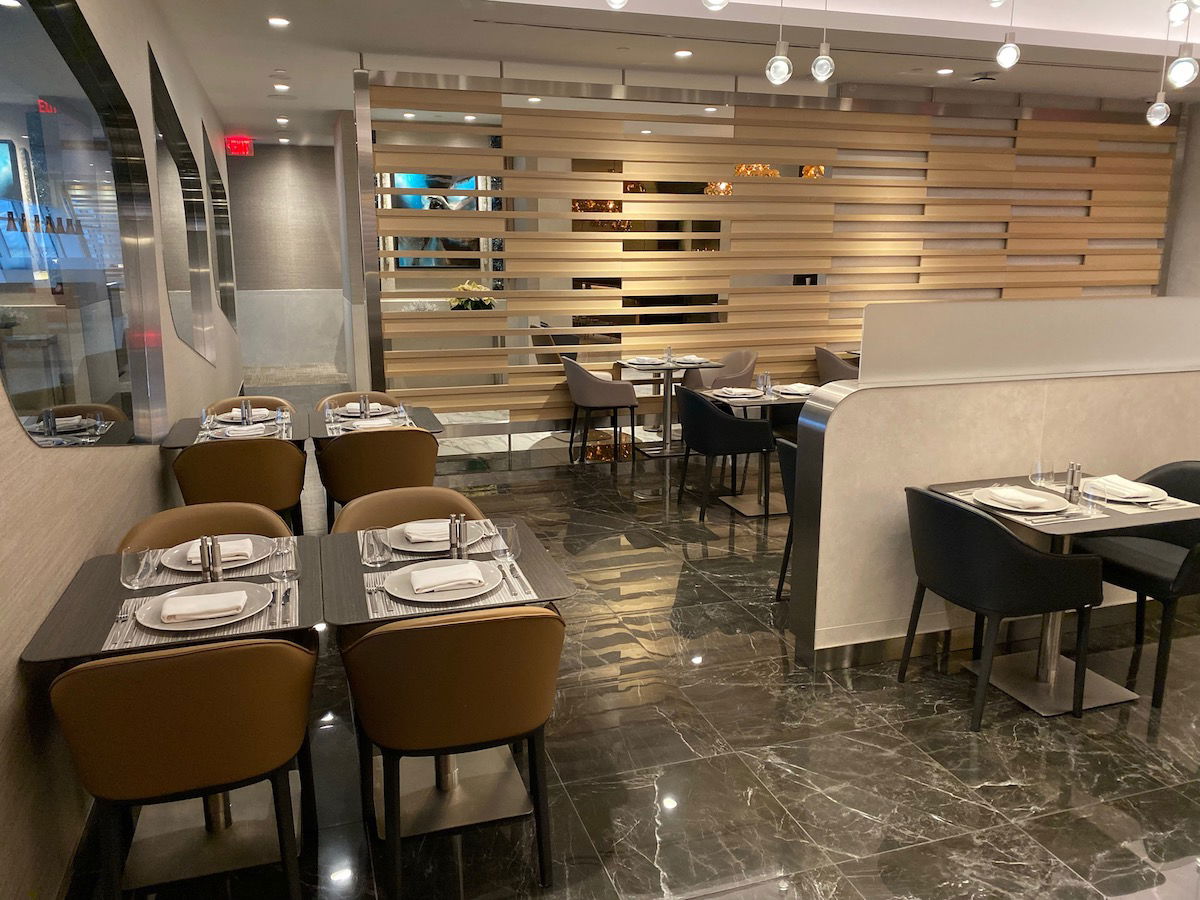
As competition for premium travelers intensified in the 2000s and 2010s, airlines transformed these spaces into boutique hotels and gourmet restaurants. The introduction of the United Polaris Lounge, the Delta One Lounge, and American’s Flagship First Dining shifted the landscape. These facilities now employ professional chefs, bartenders, and spa therapists. As these roles became more specialized, the culture of tipping began to bleed over from the hospitality sector into the airport environment.
In countries with strong anti-tipping cultures, such as Japan or Singapore, the service is viewed as a holistic part of the hospitality experience. Offering a gratuity in these regions is not only unnecessary but can occasionally be viewed as confusing or even mildly insulting. Conversely, in the United States, where the "service economy" is deeply ingrained, patrons have begun applying restaurant-style logic to these high-end lounges.
Supporting Data: Where and How Much to Tip
While there is no formal "tipping chart" published by airlines, industry observations and common traveler practices provide a framework for those who wish to show appreciation.
The Bar Experience
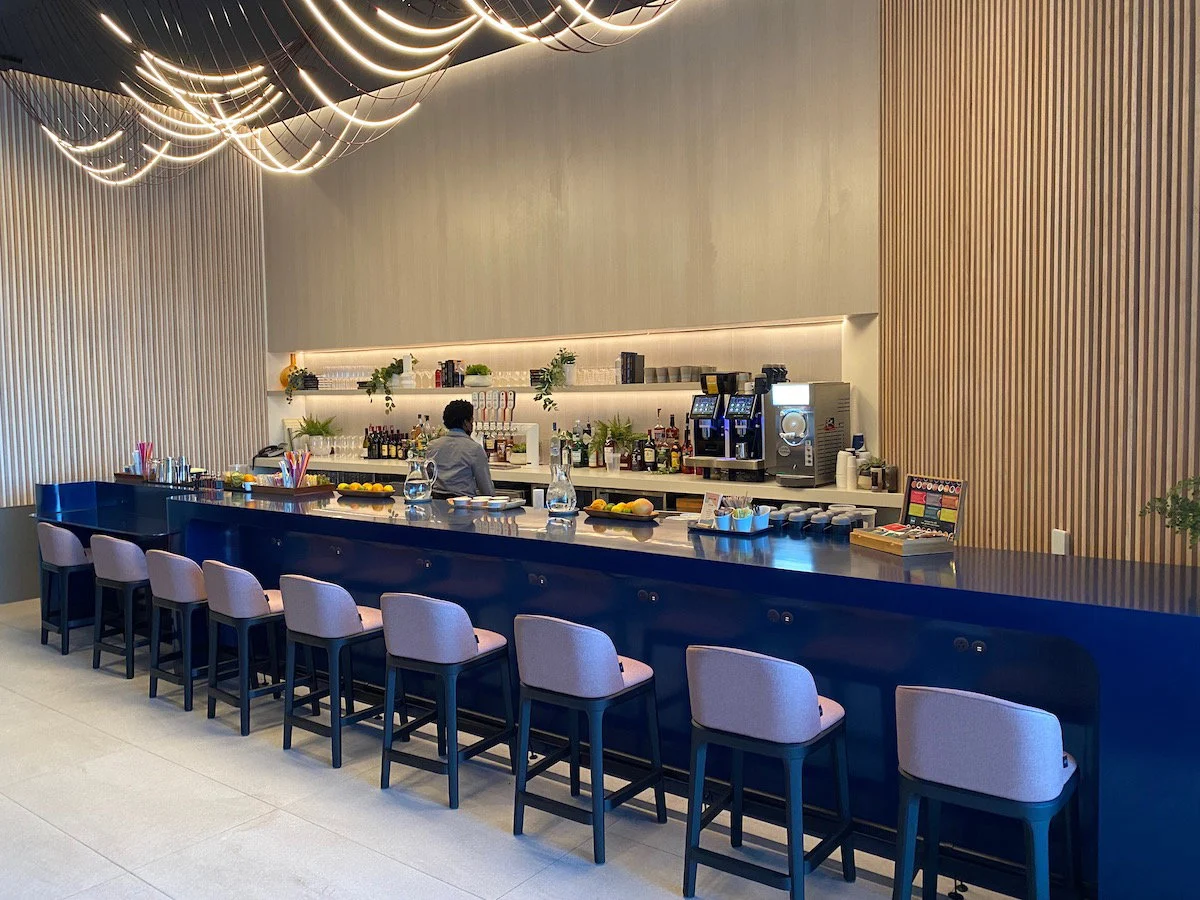
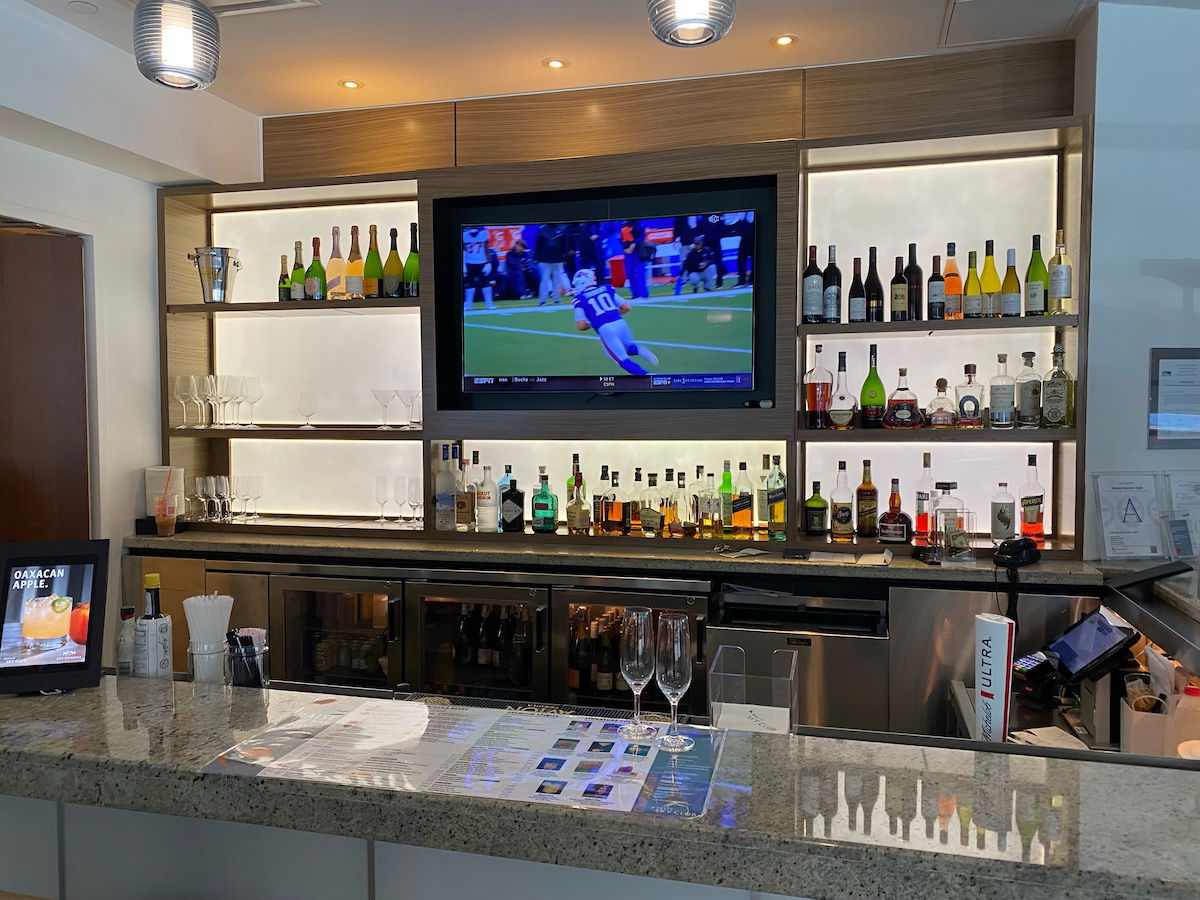
When sitting at a lounge bar, the standard for a simple drink—a beer or a glass of wine—is typically $1 to $3. For complex cocktails, many patrons opt for the higher end of that range. A common, though informal, practice among frequent travelers is to provide a "front-loaded" tip. By leaving a $20 bill early in their stay, guests often find that the bartender is significantly more attentive to their needs, such as proactively refilling glasses or offering premium spirits.
A La Carte Dining
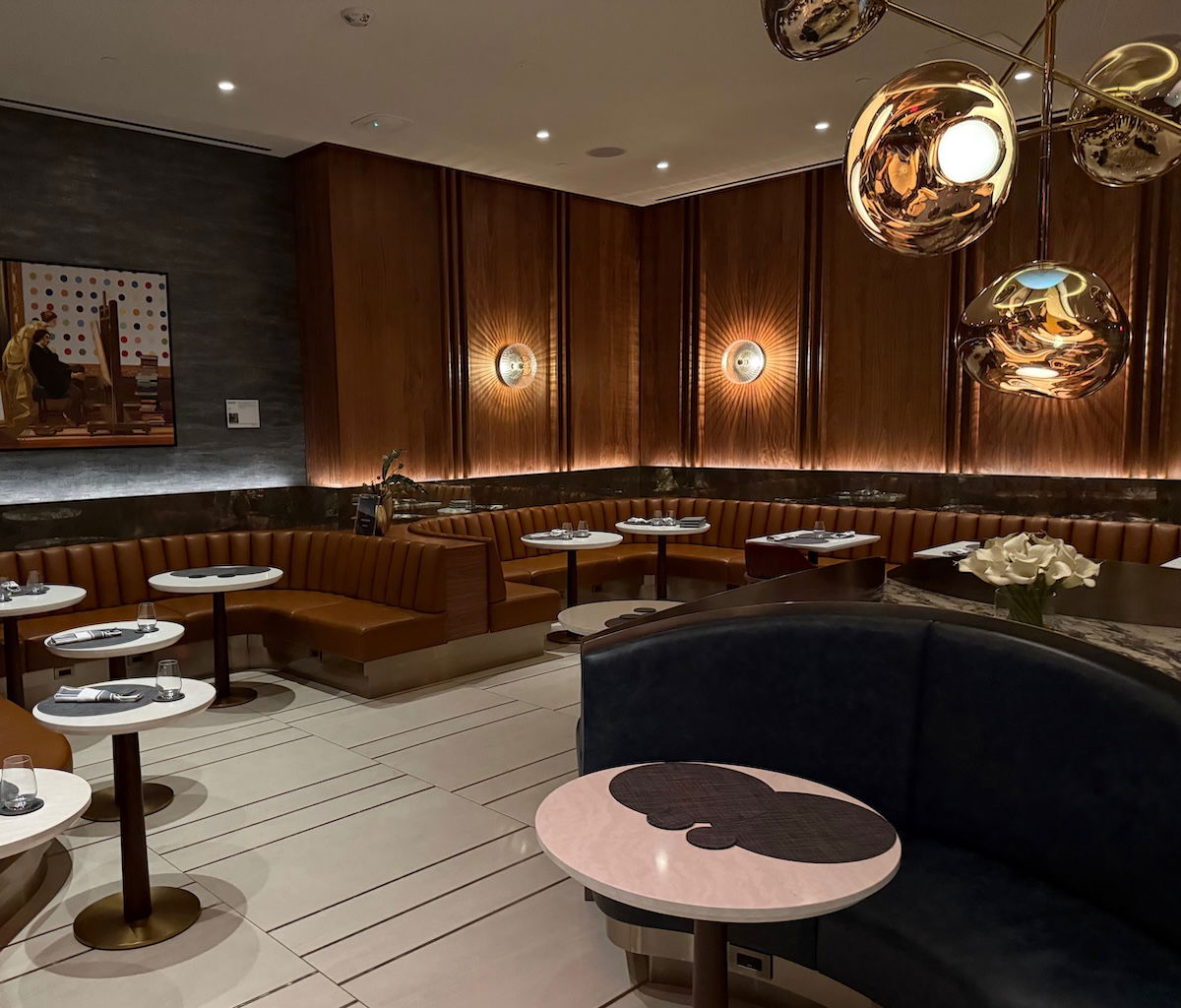
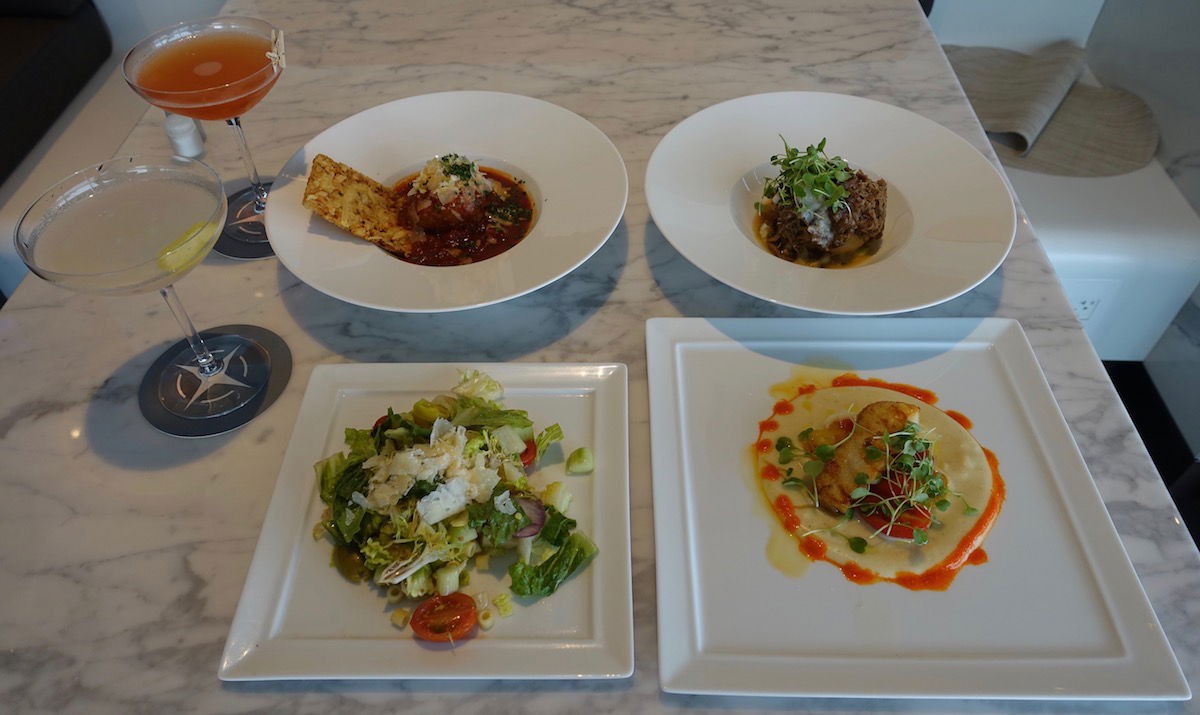
With the rise of table-service dining in flagship lounges, the etiquette mirrors that of a traditional high-end restaurant. If you are served a multi-course meal, a gratuity of 15% to 20% of the estimated value of that meal is considered generous and appropriate. Because these meals are complimentary for the passenger, the tip serves as a recognition of the labor involved in preparing and serving the food, mirroring the quality of a downtown restaurant.
Spa and Wellness Treatments
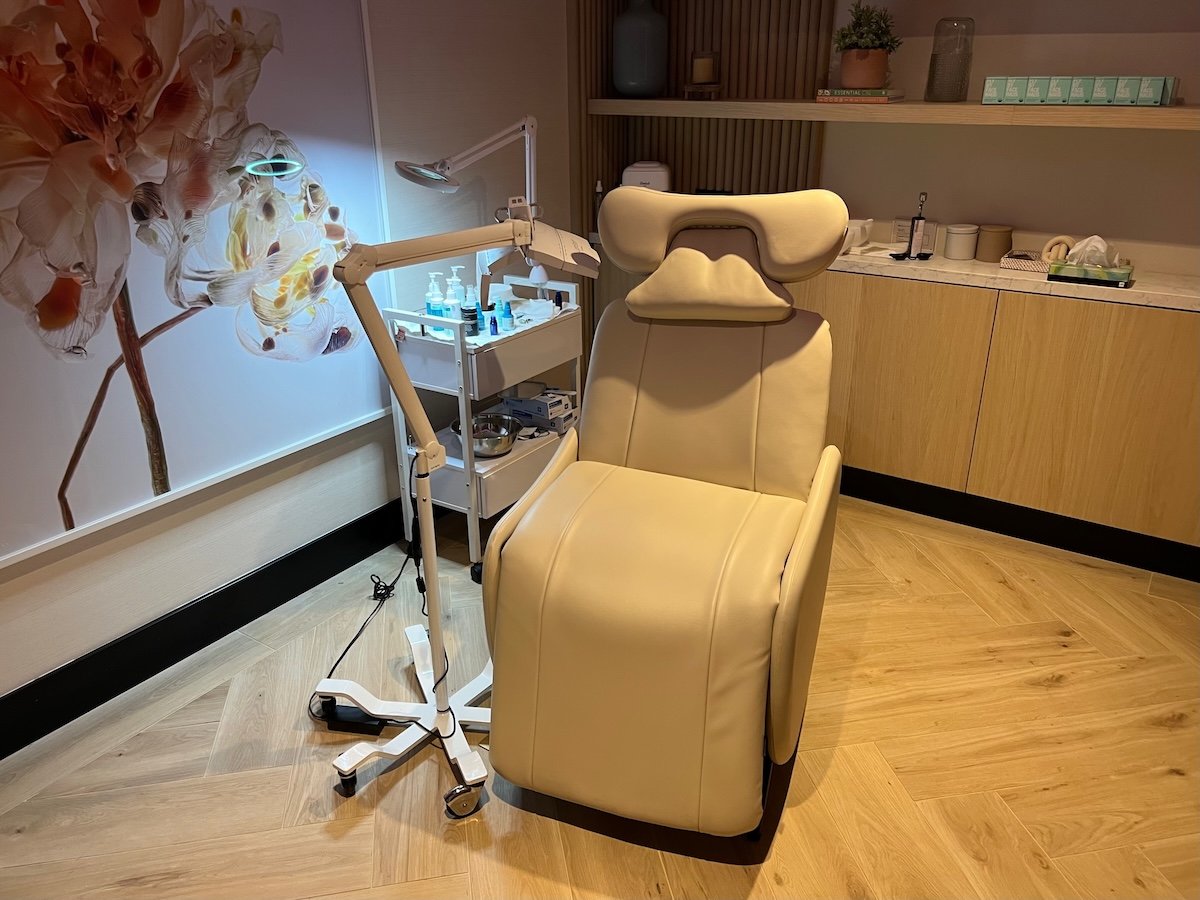
Many modern lounges, such as the Chase Sapphire Lounges or select legacy airline clubs, offer complimentary mini-massages or facials. Because these are professional services, tipping is highly encouraged. A standard range is $5 to $10 for a mini-treatment, or roughly 20% of what the service would cost if it were a paid commercial offering outside the airport.
Exceptional Personal Service
Sometimes, the value of a lounge employee lies in their ability to solve problems—finding a quiet space, assisting with rebooking, or simply providing a warm, welcoming environment during a long layover. In these instances, a tip is a token of gratitude for "above and beyond" effort. While these employees do not work for tips, the gesture is almost universally received as a morale booster.
Implications for Staff and Retention
One might ask: If lounge staff are paid a living wage, why bother tipping at all? The answer lies in the retention of top-tier talent. In high-cost-of-living cities like New York, San Francisco, or London, airport lounge wages, while above minimum, may still struggle to match the competitive salaries found in high-end private clubs or luxury hotels.
When guests tip, it directly impacts the take-home pay of these employees. In many cases, this supplemental income is a significant factor in why a stellar employee chooses to remain at an airport lounge rather than transitioning to a role in the hospitality sector. By tipping, travelers are indirectly contributing to the retention of the staff who make these lounges pleasant places to be.
The "Human Element": Why Consistency Isn’t Required
Despite these guidelines, it is important to acknowledge that travel is inherently chaotic. There will be days when you are rushing, lacking small bills, or simply unable to provide a tip. This is entirely acceptable. The culture of tipping in lounges is built on the foundation of discretionary appreciation, not mandatory obligation.
Frequent flyers often adopt a "swing" approach: if you don’t have cash one day, don’t stress about it. The goal is for the aggregate experience of the staff to remain positive. If you find yourself in a position where you cannot tip, a simple, genuine "thank you" to the staff member who served you carries significant weight. In a high-stress environment like an airport, verbal appreciation is a currency that never loses its value.
Summary: A Strategic Approach to Gratitude
The best approach to tipping in an airport lounge is one of flexibility and situational awareness:
- Read the Room: If you are in a country where tipping is not part of the culture, refrain. It avoids confusion.
- Evaluate the Service: If you are receiving personalized, multi-course table service or a spa treatment, treat the interaction as you would a restaurant visit.
- Use Cash Wisely: Carry small denominations ($1s and $5s) if you frequent lounges with full-service bars.
- Prioritize Gratitude: If you receive service that makes a difficult travel day easier, show your appreciation in a way that feels comfortable to you.
Ultimately, the airport lounge is a place of comfort and luxury. Whether you choose to tip or not, the service remains a right afforded to you by your status or ticket. When you do choose to tip, however, you aren’t just paying for a drink or a meal; you are acknowledging the human effort required to make the modern, stressful experience of air travel a little bit more civilized.