







Frankfurt Airport (FRA), one of Europe’s most vital aviation hubs, has officially entered a new era with the opening of Terminal 3—the first major terminal expansion at the facility in over three decades. While the terminal’s architecture and operational capacity have been lauded, a significant "premium gap" remained regarding lounge accessibility for the Oneworld alliance. That mystery now appears to have been solved.
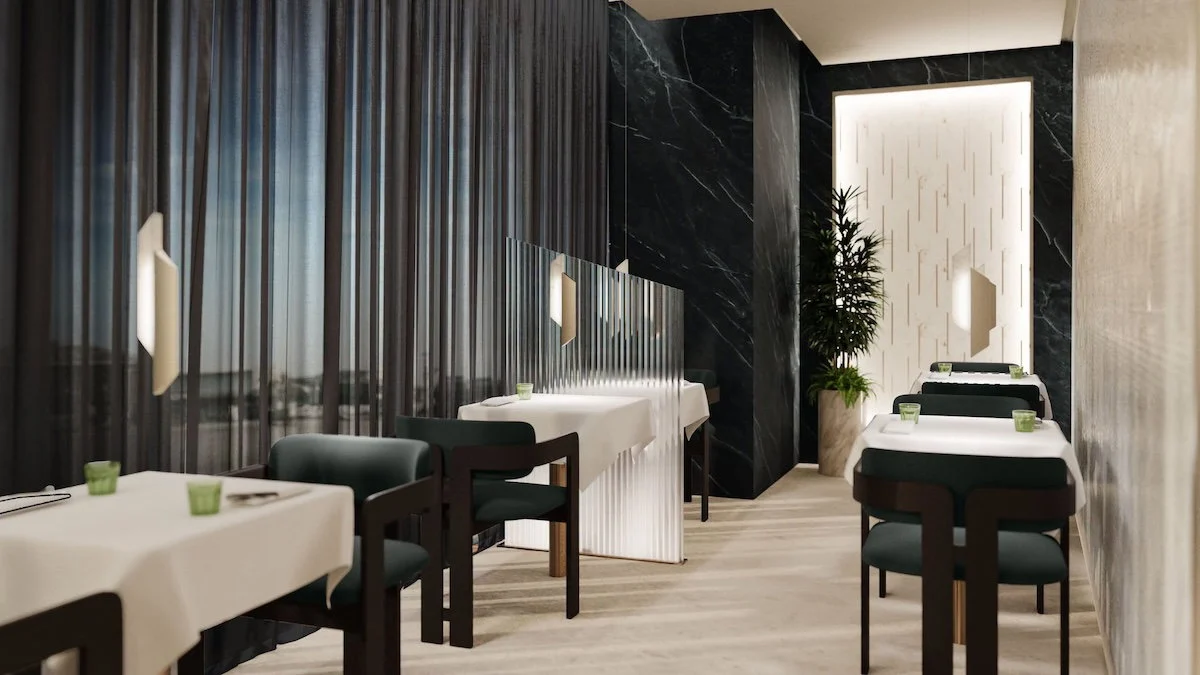
New reports and on-site permit documentation indicate that Qatar Airways—the Doha-based carrier renowned for its industry-leading hospitality—is moving to establish a major presence in Terminal 3. Rather than a singular lounge, evidence suggests the airline is preparing to construct two distinct lounge spaces in the terminal’s non-Schengen area. This development promises to redefine the ground experience for premium passengers traveling through Frankfurt, though it raises questions about the long-term lounge strategy of the Oneworld alliance itself.
The Chronology: From Terminal Opening to Lounge Discovery
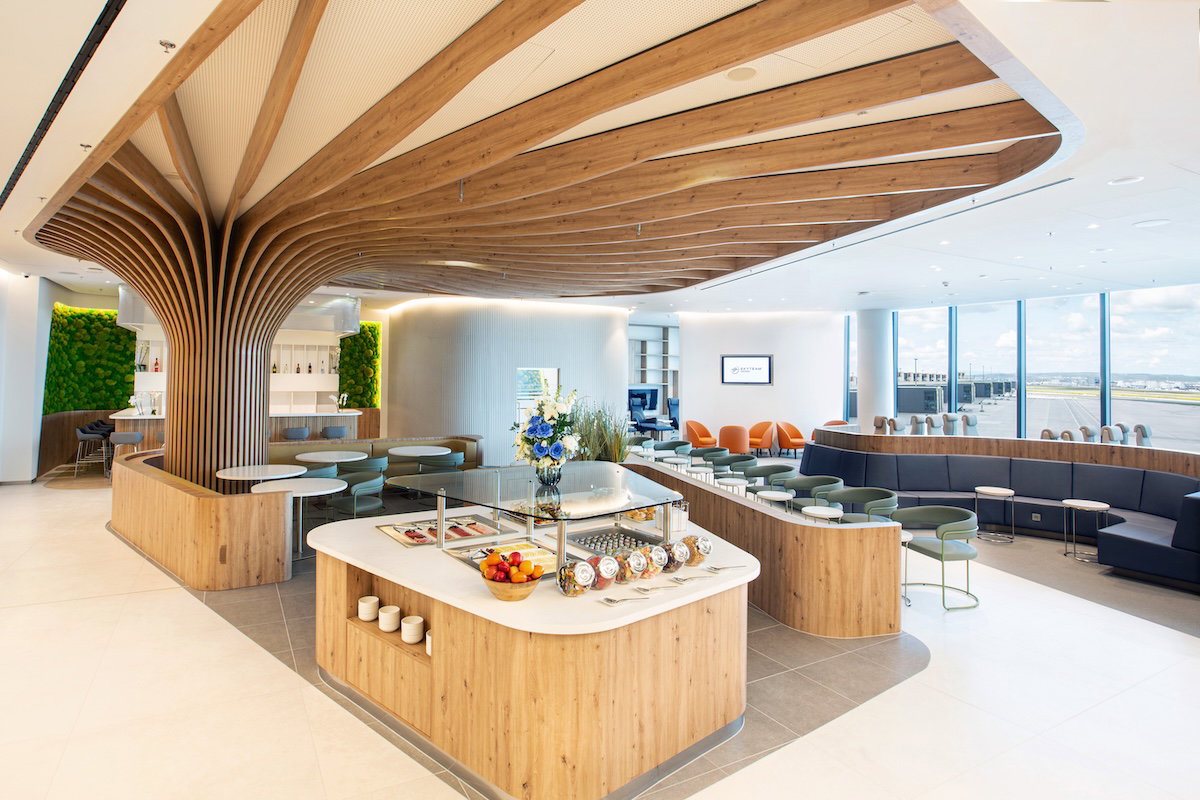
The inauguration of Terminal 3 was a monumental event for Frankfurt Airport, designed to accommodate millions of additional passengers and modernize the airport’s infrastructure. However, the initial rollout was tempered by the slow pace of lounge development. While the SkyTeam alliance successfully inaugurated its dedicated lounge space in the non-Schengen zone, Oneworld passengers were left in a state of uncertainty.
The discovery of Qatar Airways’ plans came via permit signage spotted on-site at the new terminal. The documentation explicitly references the construction of two separate spaces under the Qatar Airways banner. This location is strategically positioned in the non-Schengen wing, placing it in direct proximity to other high-traffic international departure gates.
For industry observers, the timing is critical. Terminal 3 is currently in its ramp-up phase, and securing prime real estate for high-end lounge facilities is a race against time. While the specific opening dates for these two lounges remain undisclosed, the scale of the project suggests a significant investment aimed at capturing the high-yield premium traffic generated by the diverse roster of Oneworld carriers operating out of Frankfurt, including American Airlines, British Airways, Cathay Pacific, Japan Airlines, Oman Air, Royal Air Maroc, Royal Jordanian, and SriLankan Airlines.
Supporting Data: Why Two Lounges?
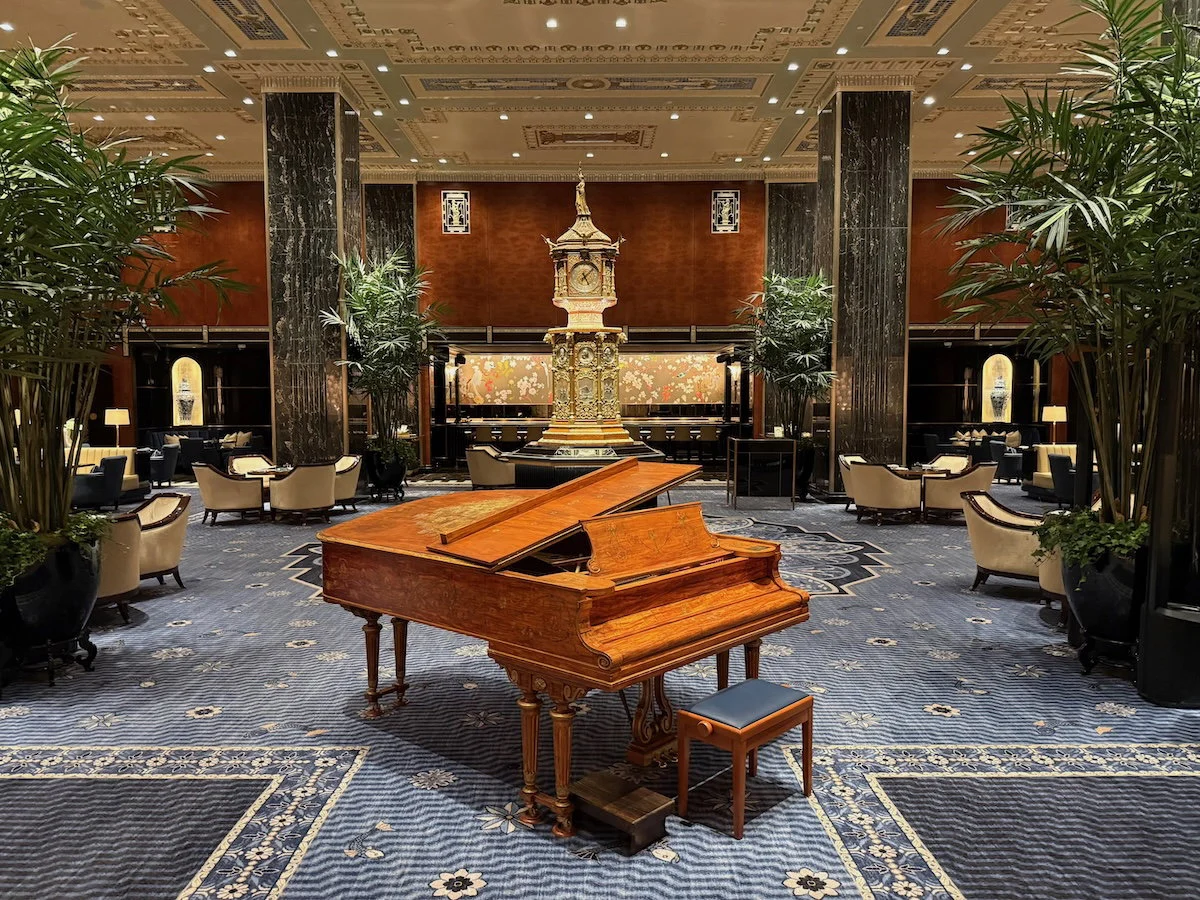
The prospect of two separate lounges by a single carrier in a non-hub airport is unconventional, yet it points toward a sophisticated operational strategy. Historically, Qatar Airways has maintained a "premium-first" approach to its outstation lounges. Locations in London Heathrow (LHR), Paris (CDG), Bangkok (BKK), and Singapore (SIN) are widely considered the gold standard for business-class ground facilities.

The "Doha Model" Applied to Europe
The most compelling theory regarding the dual-lounge configuration is a segmentation of passengers. In its Doha hub, Qatar Airways separates its lounges based on ticket class and status.
- The Premium Lounge: Typically reserved exclusively for passengers flying in First or Business class on Qatar Airways or Oneworld partners. These facilities prioritize à la carte dining, luxury cocktail bars, and expansive, tranquil environments.
- The Elite/Status Lounge: A secondary space designed to accommodate Oneworld Emerald and Sapphire members who might be flying in economy or premium economy cabins.
By creating two spaces, Qatar Airways may be attempting to balance its commitment to the exclusive, high-end experience that the brand is famous for, while simultaneously fulfilling its obligations to the broader Oneworld elite frequent flyer community. This would be a departure from their standard international strategy—where elites are often sent to contract lounges—but it is a necessary pivot if they intend to provide a consistent, superior experience for all premium-tier travelers.
The Oneworld Strategy: An Alliance at a Crossroads
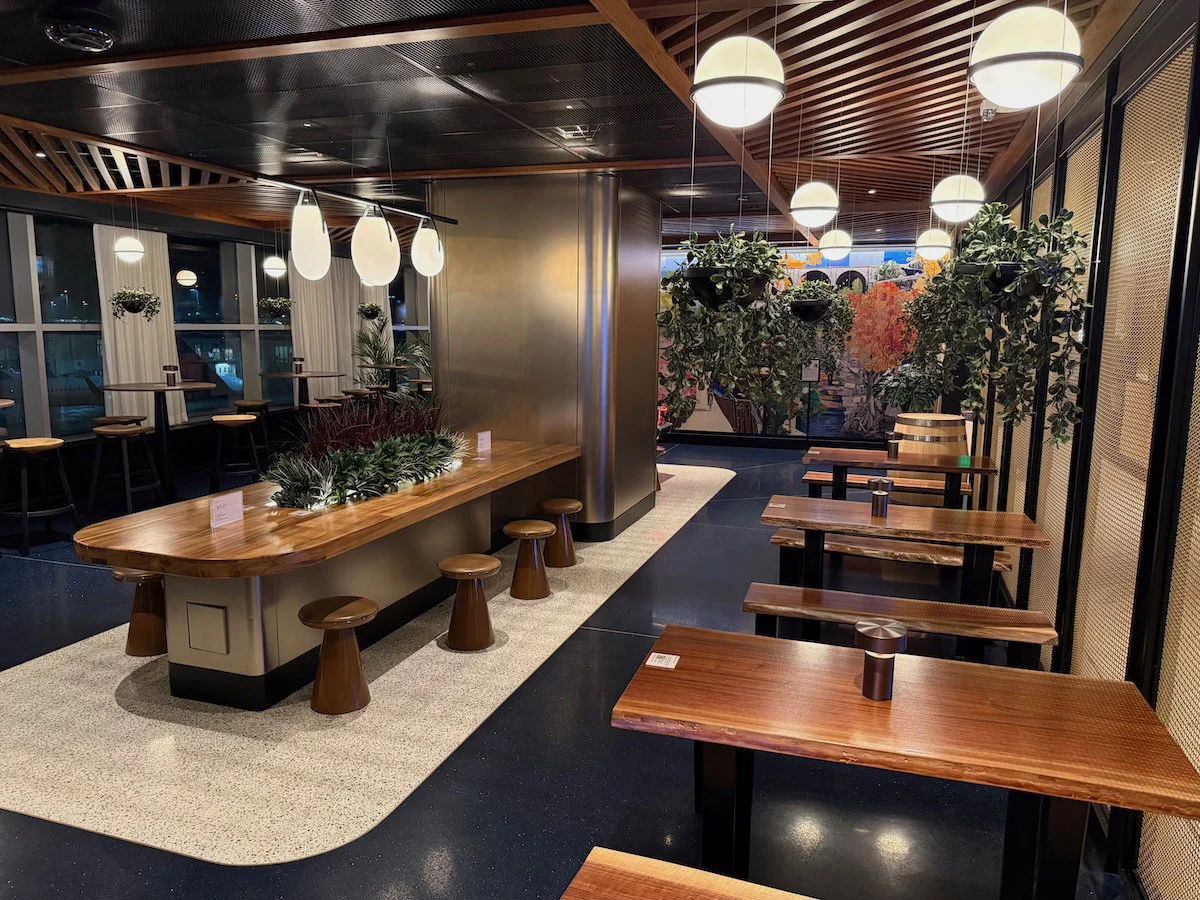
The most puzzling aspect of this development is not what Qatar Airways is doing, but what the Oneworld alliance is not doing. A few years ago, the alliance made a high-profile announcement regarding the launch of "Oneworld-branded lounges." The initiative aimed to create a cohesive brand identity for the alliance, with successful launches in Amsterdam (AMS) and Seoul (ICN).
Executives at the time suggested a roadmap that included 15 to 30 such lounges globally. Given that Frankfurt is one of the world’s most significant international gateways—and one where no single Oneworld airline holds a dominant market share—it was widely assumed that Frankfurt would be the flagship location for the next Oneworld-branded facility.
Has the Alliance Scaled Back?
The fact that Qatar Airways is stepping in suggests one of two possibilities:
- Strategic Outsourcing: The Oneworld alliance may have reached a consensus that allowing a powerhouse member like Qatar Airways to manage the lounge space provides a higher-quality product than a generic, alliance-branded lounge could deliver.
- Lack of Cohesion: Alternatively, the alliance may be struggling with the logistics of multi-airline lounge funding and management, leading individual airlines to "claim" territory to protect their own premium passengers.
While travelers will almost certainly prefer a Qatar Airways lounge—given their reputation for world-class service—the move highlights a potential lack of urgency or capability within the Oneworld alliance to execute its own centralized lounge vision.
Implications for Travelers
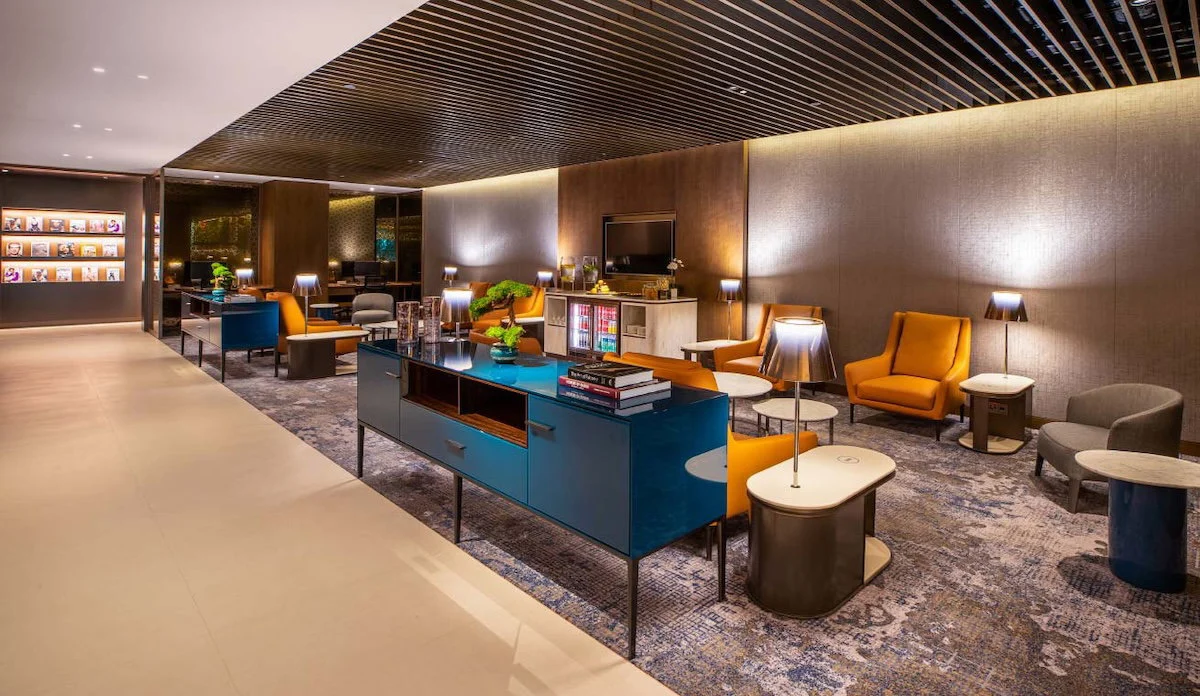
For the average Oneworld traveler, this news is unequivocally positive. The "premium gap" at Terminal 3 was a significant deterrent for high-status passengers choosing their routing through Frankfurt. Access to a Qatar Airways-operated facility promises a massive upgrade over the contract lounges that currently populate many European terminals.
The Competitive Advantage
The quality of the ground experience is increasingly becoming a deciding factor for long-haul business travelers. If a traveler can choose between a Star Alliance flight (with access to the expansive but often crowded Lufthansa network) and a Oneworld flight (with access to a bespoke, à la carte dining experience in a Qatar-managed lounge), the balance of power in Frankfurt’s competitive landscape may shift.
Furthermore, this development solidifies Frankfurt as a, if not the, primary European gateway for Qatar Airways. By investing in the infrastructure of Terminal 3, they are signaling a long-term commitment to the airport, ensuring that their passengers enjoy a seamless transition from the curb to the cabin.
The Road Ahead: A New Standard?
As Frankfurt Airport continues to finalize the operational details of Terminal 3, the industry will be watching the construction of these two lounges with keen interest. If Qatar Airways successfully manages a dual-lounge footprint, it could serve as a blueprint for other major airports where alliance members struggle with fragmented lounge access.
However, questions remain. How will entry requirements be enforced? Will Oneworld Emerald members traveling on, for example, an American Airlines flight be granted access to the same facility as a Qatar Airways business class passenger? The complexity of these rules will determine whether the lounges act as a benefit or a source of confusion.
Ultimately, the entry of Qatar Airways into the Frankfurt terminal landscape serves as a reminder that in the modern airline industry, the ground experience is as critical as the in-flight product. While the Oneworld alliance’s broader branding goals remain in flux, the passengers flying through Frankfurt are the clear winners, poised to enjoy some of the most luxurious lounge facilities currently available in the aviation sector. Whether this encourages the alliance to resume its own lounge expansion remains to be seen, but for now, the "Qatar effect" is set to elevate the standard of luxury at one of Europe’s most important airports.