







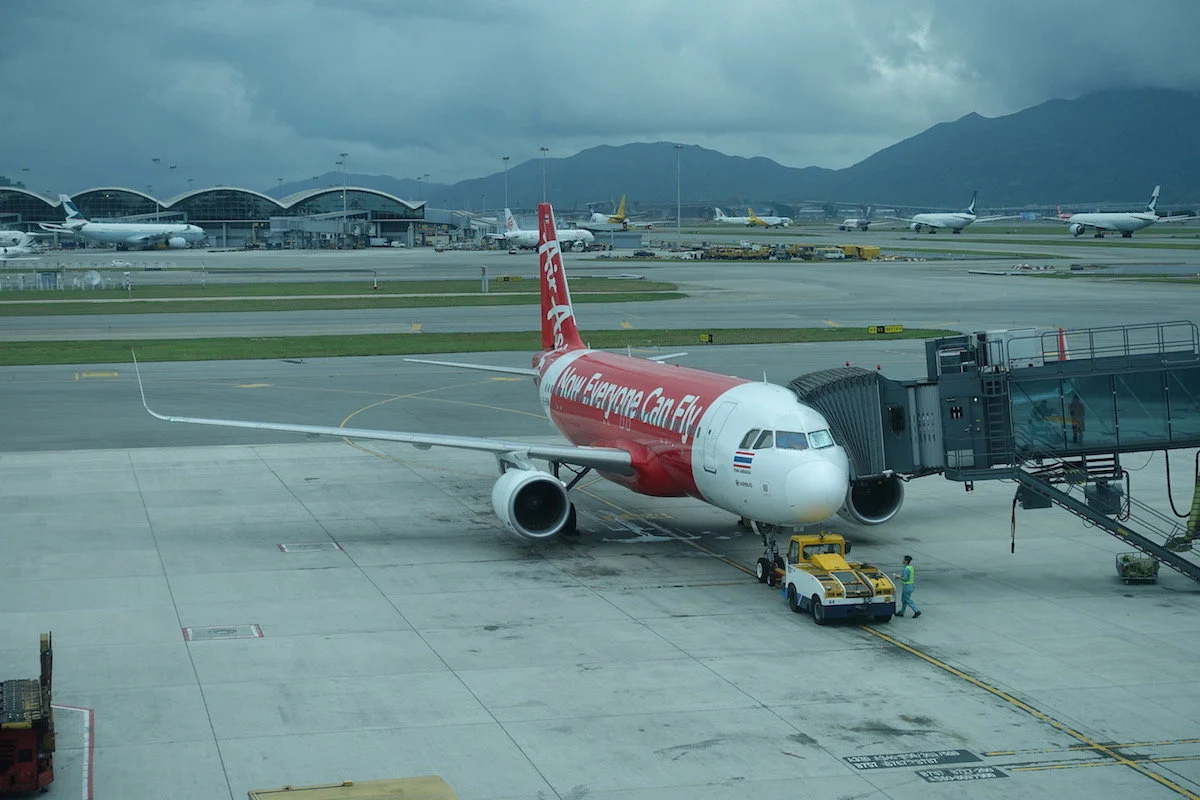
A routine beverage purchase at 35,000 feet recently spiraled into a heated confrontation on an AirAsia flight, raising significant questions regarding inflight payment security, passenger data privacy, and the protocols flight crews follow when dealing with onboard disputes. The incident, which occurred during a flight to Jakarta, has left the traveler—a frequent flyer—questioning the legitimacy of the purser’s behavior and the airline’s stance on protecting passenger financial information.
The passenger, who has requested anonymity, reached out to aviation industry observers to seek clarity on whether his experience was a standardized security procedure or an alarming instance of potential card skimming.
A Chronology of the Confrontation
The incident began shortly after the flight reached its cruising altitude. The passenger, having pre-ordered his main meal, attempted to purchase a Sprite. Knowing that AirAsia’s onboard sales are cashless, he presented his payment card—a Japanese-issued credit card—to the purser.
According to the passenger, the interaction immediately deviated from the norm. Instead of facilitating a standard contactless tap, the purser took the card and began an intense, minute-long inspection of its reverse side, where the primary account numbers were located.
"I was perplexed," the passenger noted. "Ordinarily, I wouldn’t be concerned, but the card is contactless, so I was a tad confused as to why she was examining it so closely."
When the transaction was subsequently declined, the passenger questioned the purser regarding the delay. The explanation provided by the crew member was twofold: she claimed she was determining if the card was a credit or debit instrument, and she cited the need to simultaneously manage coffee service—a claim the passenger observed to be factually incorrect, as no coffee service was underway.
Tensions escalated when the passenger expressed his apprehension, referencing a friend who had previously experienced credit card fraud after an AirAsia flight. He informed the purser that he intended to file a formal report to document the incident, specifically noting his fear that his card data might be recorded manually.
In response, the purser demanded the passenger’s passport. When the passenger refused to surrender his travel document, the purser retreated, allegedly stating, "It doesn’t matter, I have your seat number and name anyway." Upon landing in Jakarta, the passenger reported the incident to ground staff, who reportedly expressed equal confusion and provided the passenger with the airline’s administrative contact details for further investigation.
Analyzing the Protocol: Payment Processing Standards
The core of the passenger’s concern lies in the physical handling of the payment card. In an era where "Tap-to-Pay" technology is designed to minimize physical contact and enhance security, the manual inspection of a card by a third party is inherently suspicious.
Aviation security experts note that most modern airlines utilize handheld point-of-sale (POS) devices that are fully encrypted. These devices are designed to process transactions without the crew member ever needing to handle the card. For a crew member to spend an extended period examining the back of a card—especially when the card is equipped for contactless payment—is highly irregular.
"There is no standard airline policy that requires a flight attendant to determine if a card is ‘credit or debit’ by inspecting the physical card," says one industry analyst. "Most POS systems process the transaction type automatically upon tapping. The fact that the crew member attempted to justify her behavior by citing a phantom coffee service suggests a defensive reaction to being questioned, rather than a adherence to a manual."
The Passport Request: Security or Retaliation?
The second half of the confrontation—the demand for the passenger’s passport—is equally baffling from a regulatory standpoint.
In the aviation industry, flight attendants are trained to identify passengers by seat number and manifest information. While they are authorized to verify identity in certain security scenarios (such as confirming a passenger is who they claim to be if a conflict arises), they are generally not empowered to demand a passport to "make a claim" regarding an onboard argument.
It is highly probable that the purser, feeling pressured by the passenger’s threat to file a report, attempted to initiate a defensive documentation process. By obtaining the passenger’s passport details, the crew member could provide "official" information to the airline’s head office, effectively shifting the narrative from a customer service dispute to a security incident involving a difficult passenger.
However, this tactic is fraught with legal and ethical risks. Airlines are subject to strict data protection regulations (such as GDPR or local Indonesian privacy laws), and collecting sensitive travel documents for the purpose of documenting a minor transaction dispute likely exceeds the scope of a crew member’s authority.
Implications for Passenger Data Security
The passenger’s mention of a previous, unrelated instance of credit card fraud on AirAsia adds a layer of systemic concern. While such incidents are often isolated, they highlight a vulnerability inherent in "closed-loop" or "offline" payment systems used on many low-cost carriers.

When a transaction is declined or a POS system experiences connectivity issues, there is a theoretical risk that unscrupulous individuals might attempt to record card details manually to process them later. While this is an extreme scenario and certainly not the standard operating procedure for AirAsia, the passenger’s fear is not entirely irrational.
Key Implications:
- Trust Erosion: When crew members provide contradictory justifications for their actions (such as the "coffee service" claim), it erodes the fundamental trust between the carrier and the passenger.
- Training Gaps: If the purser genuinely believed she needed to inspect the card to differentiate between debit and credit, this points to a significant failure in the airline’s internal training programs.
- Data Privacy: Airlines must clearly communicate what information crew members are permitted to request. A passport contains sensitive biometric data; demanding it for a declined purchase of a soft drink is a gross overreach of authority.
Official Responses and Next Steps
As of the date of this report, AirAsia has not released a formal statement regarding this specific incident. However, representatives for major airlines typically emphasize that all inflight transactions should be handled through standardized, secure POS terminals.
For passengers who find themselves in similar situations, the recommended course of action is as follows:
- Remain Calm and Document: Politely decline to hand over sensitive documents like a passport unless instructed by a senior flight officer for a legitimate safety reason.
- Request a Manager: If an interaction with a crew member feels inappropriate, request to speak with the lead flight attendant or document the crew member’s name and ID number.
- Post-Flight Reporting: Always follow up with the airline’s corporate office via email. Mentioning the incident on social media or through industry forums (as the passenger did) is often the most effective way to elicit a response from large, bureaucratic organizations.
- Financial Safeguards: If you suspect your card data has been compromised, contact your bank immediately to freeze the card and request a replacement.
The Verdict: A Breach of Etiquette or Protocol?
Whether this incident constitutes a genuine security threat or simply an instance of a poorly trained employee acting defensively remains to be seen. However, the optics are undeniably poor for the airline.
In an industry where the customer experience is already strained by tight margins and limited service, the added anxiety of suspicious behavior during payment processing is a significant deterrent for frequent travelers. AirAsia’s management would be well-advised to investigate this interaction—not just for the sake of the passenger involved, but to ensure that their inflight payment protocols are transparent, secure, and above reproach.
Ultimately, a beverage purchase should be a simple, mundane interaction. When it becomes a focal point for identity verification and suspicious card handling, the airline has failed in its primary duty to provide a seamless and secure environment for its passengers.