









In a sweeping operation that marks a significant escalation in the European Union’s battle against foreign-state-sponsored digital interference, Dutch authorities have arrested two men accused of operating a sophisticated IT infrastructure pipeline used by Russian intelligence agencies. The arrests represent a critical breakthrough in identifying the "middlemen" who facilitate cyberattacks, disinformation campaigns, and hybrid warfare activities within the EU.
The Dutch Financial Intelligence and Investigation Service (FIOD) executed the raids on May 18, targeting key personnel associated with two interconnected Internet hosting companies. The investigation has peeled back layers of corporate obfuscation to reveal how the infrastructure of "Stark Industries Solutions"—a firm already sanctioned by the EU for its role in staging cyber-mischief—was being maintained and kept operational through a network of Dutch-based service providers.
The Principal Actors and the Raid
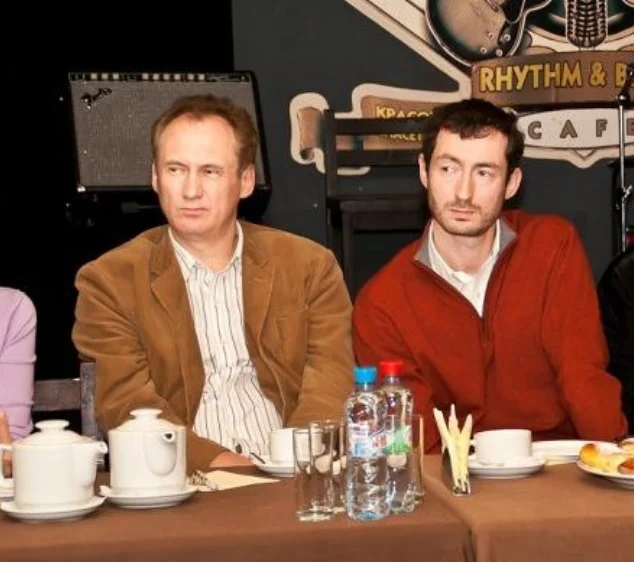
The suspects, a 57-year-old resident of Amsterdam and a 39-year-old from The Hague, were taken into custody on charges of violating international sanctions law. Specifically, the men are accused of providing economic resources and technical support to entities explicitly blacklisted by the European Union.
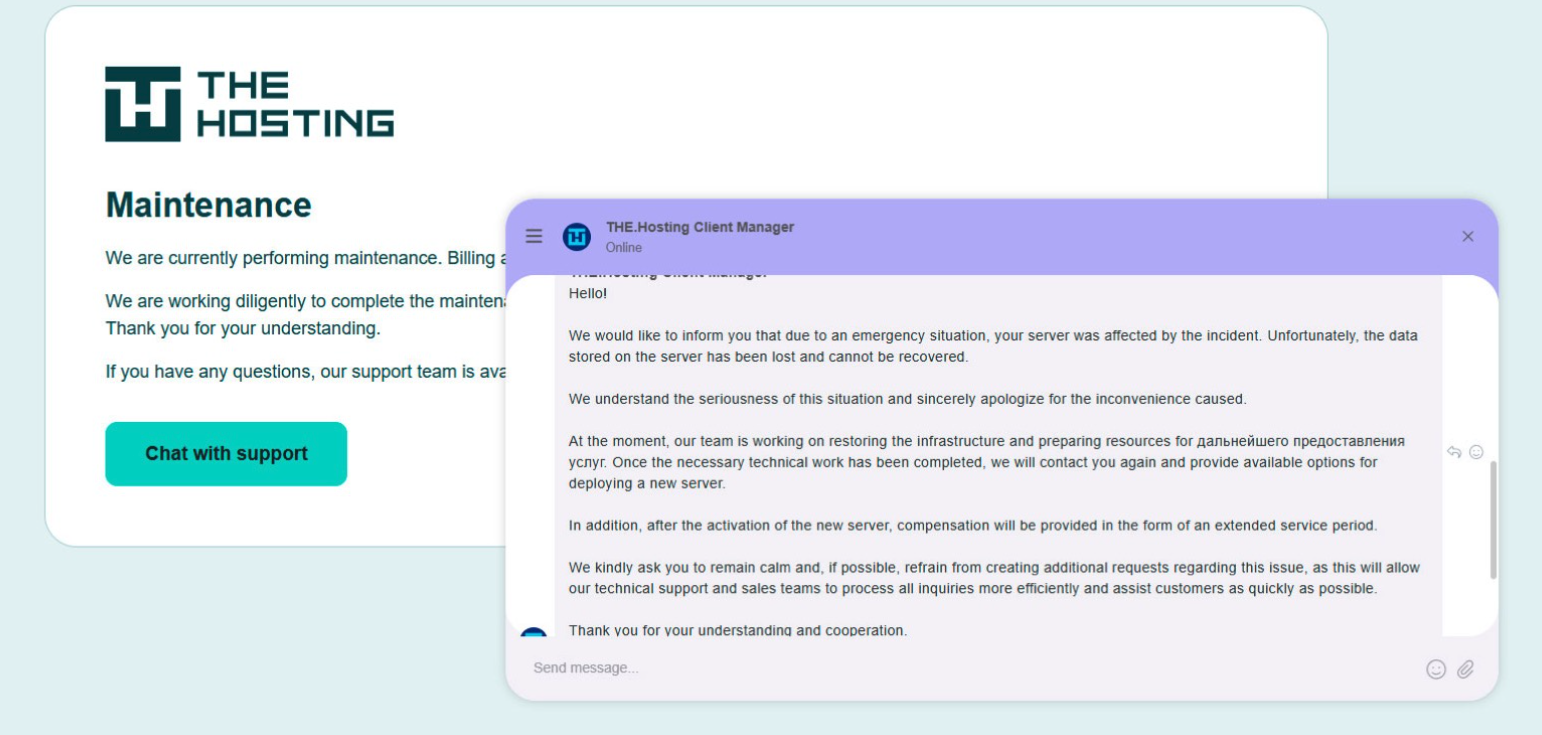
During the coordinated sting, FIOD investigators raided three business premises across Enschede and Almere, alongside two high-security data centers in Dronten and Schiphol-Rijk. The haul was substantial: beyond the arrest of the two individuals, authorities seized a trove of digital evidence, including laptops, mobile phones, and over 800 active servers. Immediately following the seizure, customers of the network were greeted with a stark notice: their data was effectively lost, and the infrastructure was permanently offline.
A Chronology of Deception
To understand the significance of these arrests, one must trace the evolution of the network back to the early days of the 2022 invasion of Ukraine.
The Rise of Stark Industries
Stark Industries Solutions emerged as a "bulletproof" hosting provider just weeks before the Russian invasion of Ukraine. It quickly established itself as a hub for distributed denial-of-service (DDoS) attacks against European government institutions and as a provider of anonymity services for state-backed hacking groups.
The Moldovan Connection
Initial investigations by KrebsOnSecurity identified a primary conduit for Stark: PQHosting, a firm owned by Moldovan brothers Ivan and Yuri Neculiti. When the EU placed sanctions on the Neculiti brothers and PQHosting in May 2025, the network appeared to face an existential threat. However, the operation proved more resilient than anticipated.
The Dutch Pivot
Anticipating the sanctions, the network’s assets were quietly migrated to a new entity known as "the[.]hosting," which operated under the umbrella of a Dutch firm called WorkTitans BV. This entity was controlled by the 39-year-old Russian native Andrey Nesterenko—who also operated the ISP MIRhosting—and the 57-year-old Amsterdam resident, Youssef Zinad. This arrangement ensured that even as the primary "Stark" front faced scrutiny, the underlying traffic continued to flow through the Netherlands, shielded by the relative legitimacy of a Dutch-registered company.
Supporting Data: The Anatomy of a Hybrid Campaign
The scope of the operation extended far beyond simple web hosting. According to data reviewed by the Dutch daily de Volkskrant, the WorkTitans and MIRhosting networks were identified as the most frequent sources of cyber-traffic directed at Danish government bodies during the week of the November 2025 municipal elections.
This evidence links the infrastructure directly to the "hybrid warfare" doctrine—a strategy where cyber-disruption is used to undermine democratic processes. The forensic trail left on these servers suggests that the infrastructure was not merely "misused" by third-party hackers, but was specifically architected to provide the stability and anonymity required for sustained, state-aligned operations.
Official Responses and Denials
The fallout from the arrests has triggered a defensive response from the suspects and their associated entities.
The Defense of Andrey Nesterenko
Andrey Nesterenko, who began his career as a child piano prodigy in Nizhny Novgorod, has been a central figure in this saga. His past includes the 2004 founding of Innovation IT Solutions Corp., the entity behind stopgeorgia[.]ru, a site that organized attacks against Georgian infrastructure during the 2008 conflict.
Despite this history, Nesterenko maintains his innocence. In correspondence following his arrest, he asserted that the transition to "the[.]hosting" was a legitimate business move rather than a sanctions-evasion tactic. "The hardware and customer portfolio had already been transferred to WorkTitans before the sanctions appeared," Nesterenko claimed, arguing that the closure of his Dutch infrastructure would not stop cybercrime but would only punish legitimate clients caught in the crossfire.
The "Ghost" of Youssef Zinad
The role of Youssef Zinad remains more opaque. Once a visible figure in the company’s outreach, Zinad retreated into total isolation as public scrutiny intensified. Reports from de Volkskrant describe a man who blocked all contact, abandoned his registered business address, and lived as a recluse until his eventual arrest in Amsterdam. While Nesterenko attempted to distance himself from Zinad, describing him as a mere contractor, evidence including internal emails and company listings suggests that Zinad was, in fact, an integral part of the organization’s legal and administrative fabric.

Corporate Stance
MIRhosting issued a formal statement attempting to insulate itself from the fallout, claiming an internal investigation showed "no anomalies or spikes" in traffic during the Danish elections. The company maintains that it has had no communication with the Neculiti brothers since the initial EU sanctions were imposed in May 2025.
Implications for the European Union
The dismantling of this network serves as a warning to other "bulletproof" hosting providers operating within the EU. The investigation highlights a glaring vulnerability: the ease with which bad actors can leverage local, legitimate-looking businesses to mask the origin of state-sponsored cyberattacks.
Legal Precedents
The case is likely to set a precedent for how the EU handles companies that facilitate sanctions evasion. By focusing on the "economic resources" provided to blacklisted entities, prosecutors are effectively criminalizing the infrastructure layer that supports the "grey zone" operations of foreign intelligence services.
The Future of Digital Sovereignty
For European policymakers, the lesson is clear: technical infrastructure is as much a part of national security as physical borders. The fact that an ISP in the heart of the Netherlands was hosting traffic meant to destabilize a Nordic election underscores the borderless nature of modern conflict.
As the Dutch authorities continue their analysis of the 800 seized servers, the intelligence community expects to uncover a clearer map of the "Stark" network and its connections to the Kremlin. For now, the lights have gone out on one of the most significant conduits of Russian digital influence in Europe, and the arrests of Nesterenko and Zinad have provided a rare, behind-the-scenes look at the individuals who provide the "iron hammer in the cloud" for state-sponsored cyber-aggression.