









For decades, the sci-fi subgenre known as "cyberpunk" served as a stylistic playground for literature and film. It imagined a future defined by chrome-plated mercenaries, nomadic hackers, and cyberspace cowboys navigating the neon-drenched underbelly of globe-spanning corporations. Four decades after the genre’s emergence, the neon has dimmed, but the architecture of that future has arrived—albeit in a form far more mundane, pervasive, and systemic than the pulpy thrillers of the 1980s ever predicted.
The Convergence: From Science Fiction to Corporate Reality
The aesthetic hallmarks of the genre are no longer relegated to the silver screen. We live in an era of brain-computer interfaces like Neuralink, AI-powered smart glasses that track our every glance, and bionic prosthetics that blur the line between disability and augmentation. Yet, the true "cyberpunk" transformation lies not in the hardware, but in the power structure. A handful of technology titans—OpenAI, xAI, Anthropic, Meta, and Google—now act as the de facto architects of human interaction, labor, and cognition.
As defined by authors like Bruce Sterling and William Gibson, cyberpunk operates on the principle of "high tech, low life." It is a vision of astonishing innovation coexisting with rampant corruption, social stratification, and the erosion of individual sovereignty. From the seminal Neuromancer to the architectural warnings of Snow Crash and the immersive, cautionary tale of Cyberpunk 2077, the genre consistently posited a world where corporations like Arasaka or Militech possessed more agency and reach than sovereign nation-states. Today, as these tech giants exert influence over global policy and personal reality, the line between art and autobiography has effectively vanished.
A Chronology of the Cyber-Revolution
- 1984: William Gibson publishes Neuromancer, introducing the world to "cyberspace" and the concept of the rogue hacker, setting the aesthetic standard for the next 40 years.
- 1990s: The rise of Mondo 2000 and the Cyberpunk Handbook frames the genre as an optimistic, experimental culture. Pioneers believe personal computing will democratize power and decentralize authority.
- 2004–2010: The emergence of Web 2.0. Contrary to the hopes of early internet pioneers, the digital landscape consolidates into closed, corporate-owned ecosystems. Anonymity begins to vanish as platforms like Facebook normalize digital identity tethering.
- 2014: Elon Musk warns that humanity is "summoning the demon" with the rapid development of artificial intelligence, a sentiment that shifts the cultural conversation from excitement to existential dread.
- 2022: The public release of ChatGPT and the subsequent AI arms race solidify the dominance of a few elite firms over the development of generative intelligence.
- 2023–2024: A resurgence of "low-tech" resistance begins. From the growth of open-source AI agents to the rise of custom-built "cyberdecks," a new movement emerges to reclaim hardware and software agency.
The Banal Nature of Dystopia
Ken Goffman, a co-founder of Mondo 2000 and a pioneer of the early cyberculture movement, recalls a time when the "dark stuff" felt like a playful, intellectual exercise. "If dystopia was going to come, it was something happening in our heads at that point that we could be with and laugh about," Goffman told Decrypt.
However, the reality of the 21st century has proven less cinematic than expected. The apocalypse didn’t arrive with the dramatic flair of a Mad Max film; it arrived via user agreements, algorithm tweaks, and the slow, steady erosion of privacy. "Even now, some people think an apocalypse will be exciting, but what it really is, is very boring and banal," Goffman observes.
The early dream of the internet—that it would be a tool to overthrow corrupt governments and dismantle hierarchies—has been replaced by a reality where those same entities are the ones providing the platform. Goffman notes that his own transformation from his pseudonym, "R.U. Sirius," back to his legal name, Ken Goffman, due to corporate platform requirements, was a poignant marker of the era’s conclusion. The internet, he laments, has lost its capacity for true anonymity, leading him to wonder if the cyberculture movement inadvertently dismantled "consensus reality" alongside the old power structures.
The Corporate Takeover of Digital Spaces
Shira Chess, a professor at the University of Georgia and author of The Unseen Internet, argues that we spent too long admiring the "shiny parts" of tech—the sleek interfaces and cool hardware—while ignoring the power dynamics underneath. "Those surfaces that cyberpunk implies are always embedded within a dystopia," Chess notes.
Her research points to a critical turning point: the moment corporations fully colonized digital spaces. Once the infrastructure of human connection became proprietary, the users ceased to be citizens of the internet and became commodities. This pattern is repeating with artificial intelligence. The debate surrounding AI is frequently framed by hyperbolic fear—"summoning the demon"—which Chess believes is a strategic distraction. "I don’t believe that there is a demon in the box with AI," she says. "What I do believe is that the more we behave like there is, the harder it’s going to be to convince future generations that there is not."
Implications: The New Resistance
Despite the bleak outlook, the spirit of cyberpunk—the "punk" element—is seeing a resurgence. This manifests in the rise of "cyberdecks": custom-built computers assembled from recycled components and open-source software. By circumventing the "walled gardens" of Apple, Microsoft, or Google, users are attempting to regain control over the physical and digital tools they use.
The movement extends to the software layer as well. As coding assistants become the norm, there is a legitimate concern that developers are losing the ability to understand the underlying architecture of the systems they maintain. "In order for them to fight, they’re going to have to learn how to actually program and make things that are not beholden to the corporations," Chess asserts.
The Emerging Conflict
The friction between corporate hegemony and grassroots technology is no longer theoretical:
- Environmental Resistance: Community groups are actively protesting the construction of massive AI data centers due to their extreme water and electricity consumption.
- Decentralization: The cryptocurrency and blockchain sectors continue to serve as a bastion for anti-establishment data storage, exemplified by the preservation of the WikiLeaks Afghan War Logs on the Bitcoin blockchain.
- Open-Source Advocacy: Developers are pushing back against the "closed-source" trend of AI companies, creating persistent, self-improving agents like Hermes and OpenClaw that offer users autonomy.
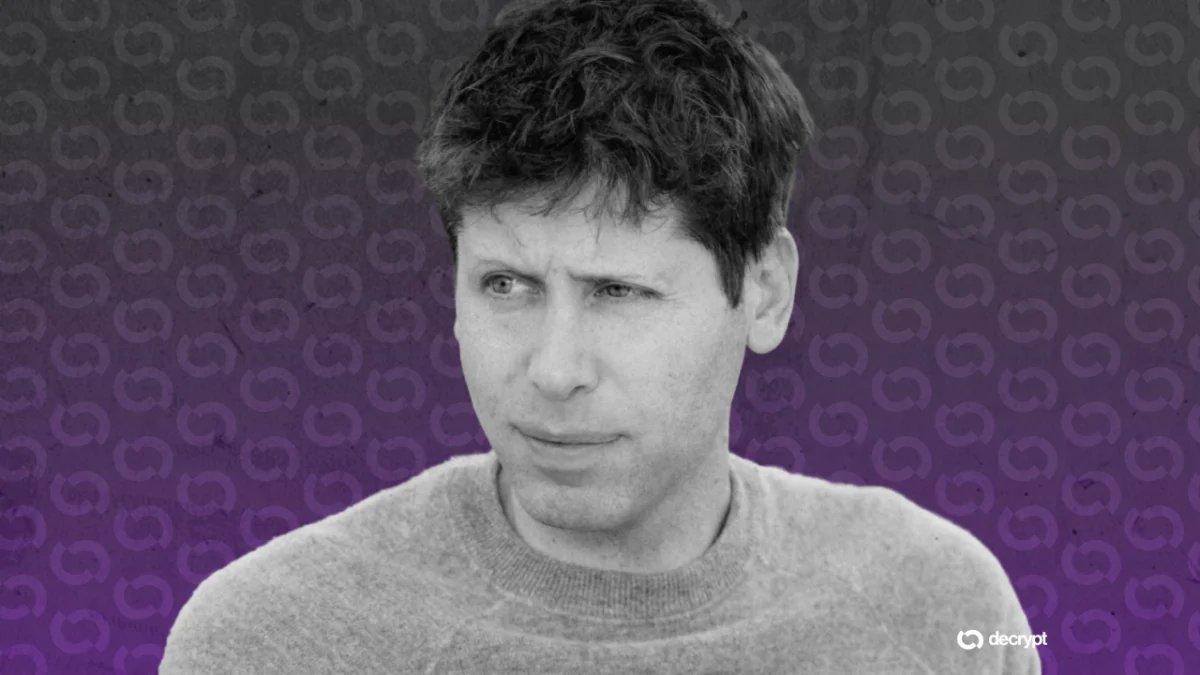
However, this tension has also invited a darker, more radical edge. The recent incident involving a Molotov cocktail thrown at the residence of OpenAI CEO Sam Altman highlights how the "low life" element of the genre can manifest in dangerous, real-world acts of frustration.
Conclusion: The Enduring Prediction
As we look toward the future, the legacy of cyberpunk remains a double-edged sword. It provided a roadmap for the technologies we now take for granted, but it also provided a warning about the cost of that convenience. The most significant realization is not that our gadgets are futuristic, but that the struggle for ownership over our digital lives has become the defining conflict of our age.
Gen Z and Gen Alpha, who have grown up entirely within the corporate-controlled digital ecosystem, are beginning to demonstrate a nuanced understanding of these systems. Their reaction—whether it manifests in the form of cyberdecks, open-source activism, or a complete rejection of current tech paradigms—will determine the next chapter. Forty years after Neuromancer, cyberpunk has proven to be less of a failed fiction and more of a chillingly accurate prophecy. The chrome was never the point; the power was.