








WASHINGTON – As the House Financial Services Committee convenes for a high-stakes markup session this Tuesday, June 29, 2026, the legislative agenda has drawn sharp condemnation from a coalition of over 200 labor, consumer, and civil rights organizations. At the heart of the controversy are four specific bills that opponents argue will dismantle critical safeguards for families living paycheck to paycheck, effectively prioritizing the profits of fintech firms and credit bureaus over the financial stability of everyday Americans.
As inflation continues to squeeze household budgets, the debate over these legislative proposals underscores a widening chasm between industry lobbyists—who argue these measures foster innovation—and consumer advocates, who contend they represent a systemic erosion of accountability in the financial sector.
The Core Proposals: A Legislative Snapshot
The committee is slated to deliberate on a package of bills that, if enacted, would reshape the landscape of consumer lending and credit reporting. Among the most contentious are the Earned Wage Access Consumer Protection Act (H.R. 9330), the FCRA Liability Harmonization Act (H.R. 5775), the Credit Access and Inclusion Act (H.R. 5402), and the Fair Credit Reporting Reseller Accuracy Act (H.R. 8141).
H.R. 9330: The "Earned Wage Access" Debate
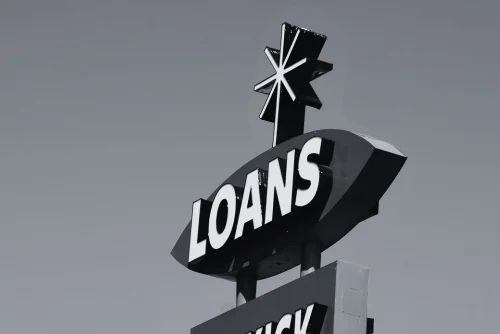
The Earned Wage Access Consumer Protection Act has become a flashpoint for consumer advocates. While proponents frame the bill as a means to provide liquidity to workers between pay cycles, critics describe it as a wolf in sheep’s clothing. By exempting "earned wage access" (EWA) products from established federal and state lending protections, the bill effectively classifies these high-cost loans as something other than credit.
H.R. 5775 and H.R. 8141: The Credit Bureau Liability Shield
Two bills on the agenda target the Fair Credit Reporting Act (FCRA), the primary federal law governing how credit bureaus collect and report data. These bills, the FCRA Liability Harmonization Act and the Fair Credit Reporting Reseller Accuracy Act, would significantly insulate credit bureaus and "resellers"—companies that aggregate data from other reporting agencies—from legal accountability.
H.R. 5402: The Credit Access and Inclusion Act
Marketed as a tool for financial inclusion, this bill would mandate the inclusion of rent and utility payment history in credit reporting. While this may sound beneficial, advocates argue that it overrides state-level privacy protections and penalizes low-income consumers who may experience temporary lapses in utility payments, thereby potentially lowering, rather than raising, their credit scores.
Chronology of a Mounting Crisis
The tension surrounding these bills did not emerge in a vacuum. It is the culmination of years of industry lobbying and a shifting regulatory environment regarding fintech products.
- 2023–2025: The rise of "payday loan apps" and EWA services saw a rapid expansion in market share, often targeting gig workers and military personnel. During this period, multiple state courts began ruling that EWA products are, in legal reality, short-term loans subject to interest rate caps.
- Early 2026: Industry groups began a coordinated push for federal preemption, seeking to codify the status of EWA products as "non-loans" to bypass state usury laws.
- May 2026: As the legislative drafts for the current committee markup became public, a broad coalition of civil rights and consumer protection groups began sounding the alarm, culminating in a formal joint letter to Congress opposing the measures.
- June 29, 2026: The House Financial Services Committee markup is held, marking the first major legislative test for these proposals in the 119th Congress.
Supporting Data: The High Cost of "Convenience"
The arguments presented by the National Consumer Law Center (NCLC) and their partners are grounded in the tangible financial impacts of predatory lending and inaccurate reporting.
According to data cited by labor advocates, the cumulative cost of fees associated with payday loan apps can exceed hundreds of dollars per year for a single household. When these costs are compounded by the interest rates inherent in these products, they can trap low-wage workers in a cycle of debt.
Furthermore, the impact of inaccurate credit reporting is not merely administrative; it is economic. Research from consumer watchdogs indicates that:
- Housing Barriers: Inaccurate records of criminal history or negative credit flags can disqualify applicants for rental housing, forcing families into higher-priced or substandard living conditions.
- Employment Disqualification: With an increasing number of employers utilizing credit checks as part of the hiring process, inaccurate reports can serve as an invisible barrier to entry for the workforce.
- The Cost of Interest: Even minor errors on a credit report can lead to significantly higher interest rates on auto loans, personal loans, and credit cards, costing a family thousands of dollars over the lifetime of those debts.
Official Responses and Expert Testimony
The opposition to these bills is unified and vocal. Senior figures in the consumer protection movement have been quick to challenge the industry narrative.
Lauren Saunders, Senior Attorney at the National Consumer Law Center, highlighted the moral and legal stakes during a press briefing. "With groceries, rent, and other necessities costing more than ever, Congress must not allow predatory lenders to disguise loans with sky-high interest rates as purportedly harmless ‘earned wage access’ products," Saunders stated. "Numerous courts have uniformly rejected the charade that these loans are not loans, and Congress should too."
Saunders further emphasized the disparity in power between the beneficiaries of these bills and the families they affect. "These bills would enrich fintechs and billionaires at the expense of people and families struggling in an ever-escalating affordability crisis," she added.
Chi Chi Wu, Director of Consumer Reporting and Data Advocacy, expressed deep concern over the proposed changes to the FCRA. "Incorrect information on a credit report, whether caused by errors or identity theft, can be devastating. They can shut people out of jobs, housing, or insurance," Wu explained. She argued that the legislation, rather than addressing the systemic issues within the credit reporting industry, effectively shields companies from the consequences of their own negligence. "Congress should be helping to address credit reporting problems, not caving to the industry’s wish list to shield them from liability."
Implications for the Future of Consumer Finance
The passage of these bills would signal a significant shift in the federal government’s approach to consumer protection. By prioritizing the "harmonization" of liability—which critics describe as "liability reduction"—Congress risks creating a regulatory environment where the burden of proof for errors is shifted entirely onto the consumer.
The Erosion of State-Level Protections
A major implication of H.R. 9330 and H.R. 5402 is the potential for federal preemption of state laws. For decades, states have served as the primary laboratories for consumer protection, implementing caps on interest rates and mandates for data accuracy that are often more stringent than federal law. By overriding these, the proposed legislation would essentially create a "floor" for consumer protection that is far below what many jurisdictions currently provide, leaving consumers in those states vulnerable to practices previously deemed predatory.
The Normalization of High-Cost Debt
Should EWA products be officially classified outside the scope of lending laws, it could set a dangerous precedent for other types of fintech products. This "regulatory arbitrage" allows companies to avoid the disclosure and compliance costs that traditional banks and lenders must adhere to. The long-term consequence could be the normalization of high-cost debt as a standard financial tool for the working class, potentially leading to widespread household instability during economic downturns.
Accountability and the "Reseller" Loophole
The Fair Credit Reporting Reseller Accuracy Act (H.R. 8141) presents a unique challenge to the integrity of the credit ecosystem. By allowing resellers to avoid liability for "unaltered" information, the bill essentially removes the incentive for these companies to verify the data they buy and sell. If a primary credit bureau provides erroneous information, and the reseller simply passes it along, the consumer is left with no clear path to legal recourse, despite the fact that the error may have been obvious to any reasonable observer.
Conclusion: The Road Ahead
As the House Financial Services Committee moves toward a vote, the divide between the interests of the fintech and credit reporting industries and those of the general public remains stark. For families living on the margins, the difference between a protected financial market and an unregulated one is not just a matter of policy—it is a matter of their ability to secure housing, find employment, and manage their daily financial lives.
The coalition opposing these measures has made their message clear: at a time when affordability is the primary concern for the American public, Congress should be acting to strengthen, not weaken, the safeguards that keep families from falling into cycles of predatory debt and financial exclusion. Whether lawmakers will prioritize these pleas or the demands of a high-growth, high-profit industry remains to be seen in the coming days. The outcome of this markup will undoubtedly serve as a bellwether for the future of consumer rights in the United States.