








In a significant victory for international cybersecurity, Canadian authorities have apprehended a 23-year-old Ottawa resident accused of orchestrating "Kimwolf," a massive Internet-of-Things (IoT) botnet responsible for record-breaking distributed denial-of-service (DDoS) attacks. The arrest marks the culmination of a high-stakes, months-long investigation involving the Ontario Provincial Police (OPP), the U.S. Department of Justice (DOJ), and the FBI, bringing an end to a reign of digital terror that spanned from civilian infrastructure to sensitive U.S. Department of Defense (DoD) networks.
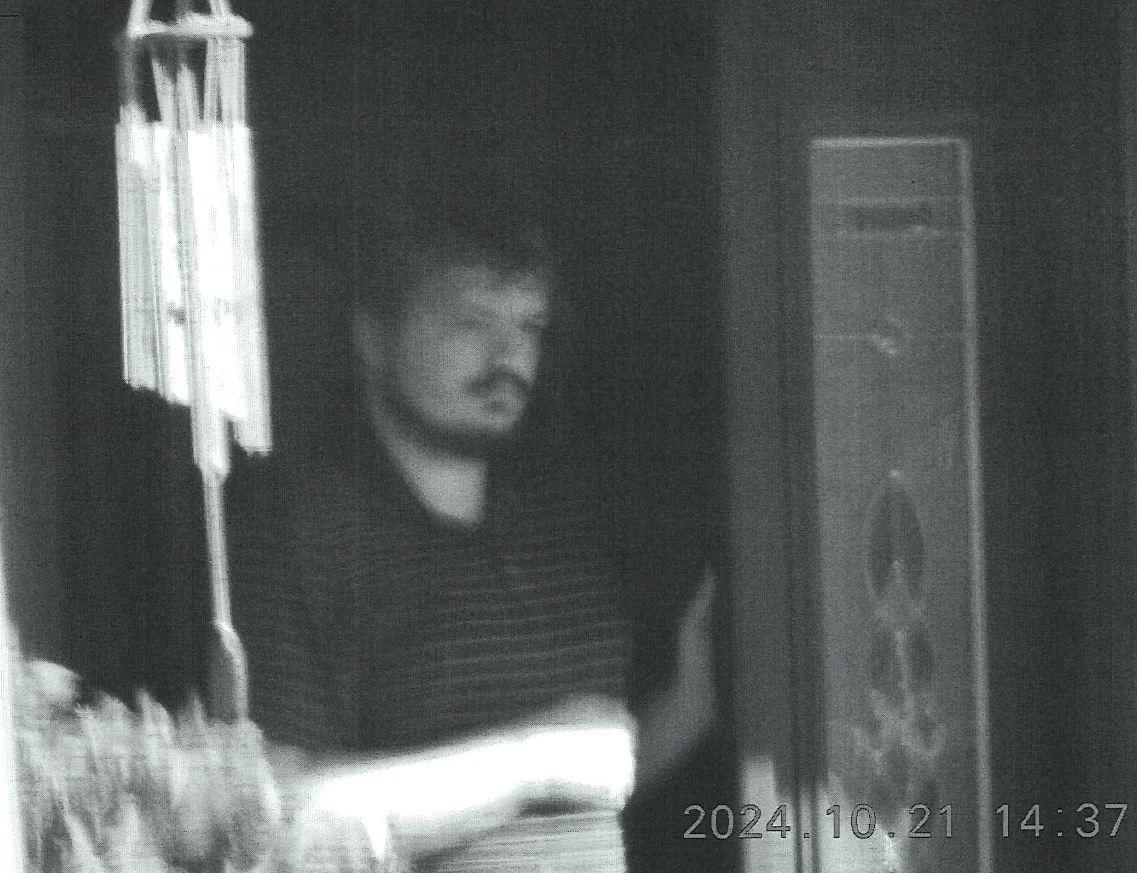
The suspect, identified as Jacob Butler—known in clandestine hacking circles by his moniker "Dort"—now faces a gauntlet of criminal charges in both Canada and the United States. His arrest follows a public unmasking by cybersecurity journalist Brian Krebs, which triggered a wave of retaliatory harassment, including doxing and swatting, against researchers who dared to track the botnet’s origins.
The Anatomy of an IoT Menace
The Kimwolf botnet was not merely a collection of hijacked computers; it was a sophisticated, automated engine of disruption that exploited the "firewalled" vulnerabilities of everyday household electronics. By targeting devices often considered benign—such as smart web cameras, digital photo frames, and IoT-connected appliances—Butler created a decentralized army of millions of enslaved devices.
Unlike traditional malware that relies on high-end server exploitation, Kimwolf thrived on the inherent insecurity of the IoT ecosystem. Once compromised, these devices were either integrated into Butler’s own infrastructure to launch volumetric DDoS attacks or leased out as a "DDoS-for-hire" service to other malicious actors. The sheer scale of the botnet was unprecedented, with attacks reaching a staggering 30 Terabits per second (Tbps)—a benchmark that shattered existing records for internet traffic disruption.
Chronology: From Digital Shadow to Federal Custody
The collapse of Kimwolf was not an overnight success but a result of meticulous, multi-agency coordination.
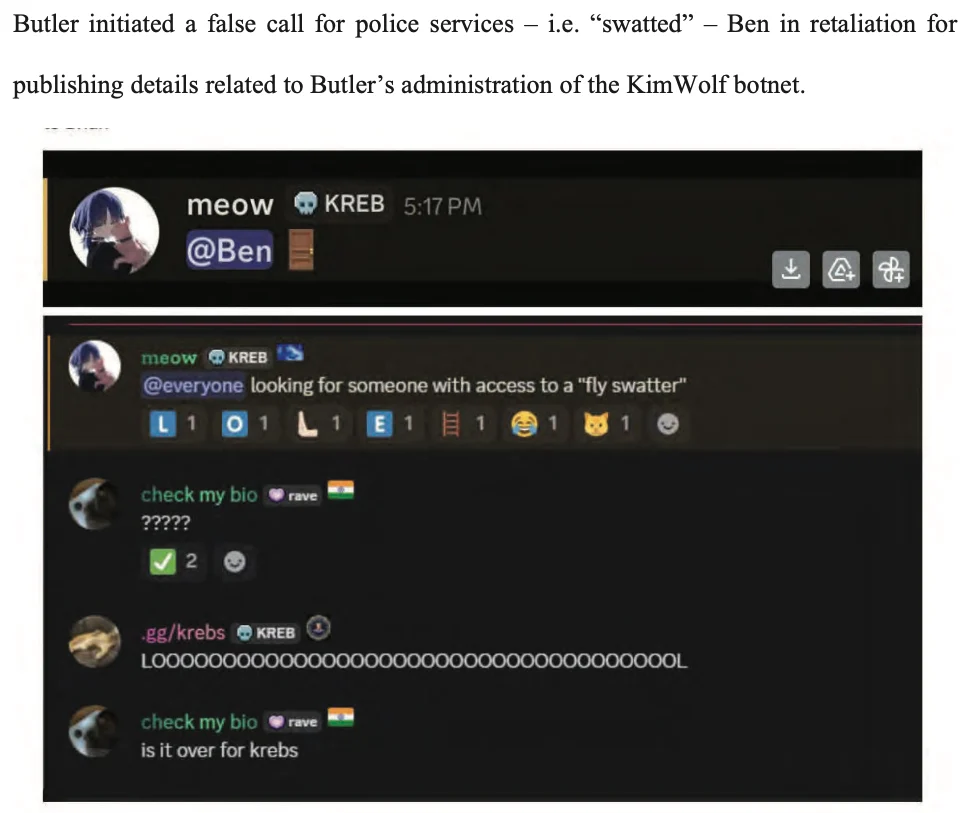
- January 2026: Researchers at the security startup Synthient identify a critical vulnerability that allowed Kimwolf to propagate with unprecedented speed. The firm works to secure the flaw, drawing the ire of "Dort," who begins a campaign of harassment against the company’s founder, Ben Brundage.
- February 2026: KrebsOnSecurity publishes a comprehensive investigation identifying Jacob Butler as the individual behind the "Dort" persona, citing a trail of poorly secured email addresses, forum registrations, and digital footprints on Telegram and Discord.
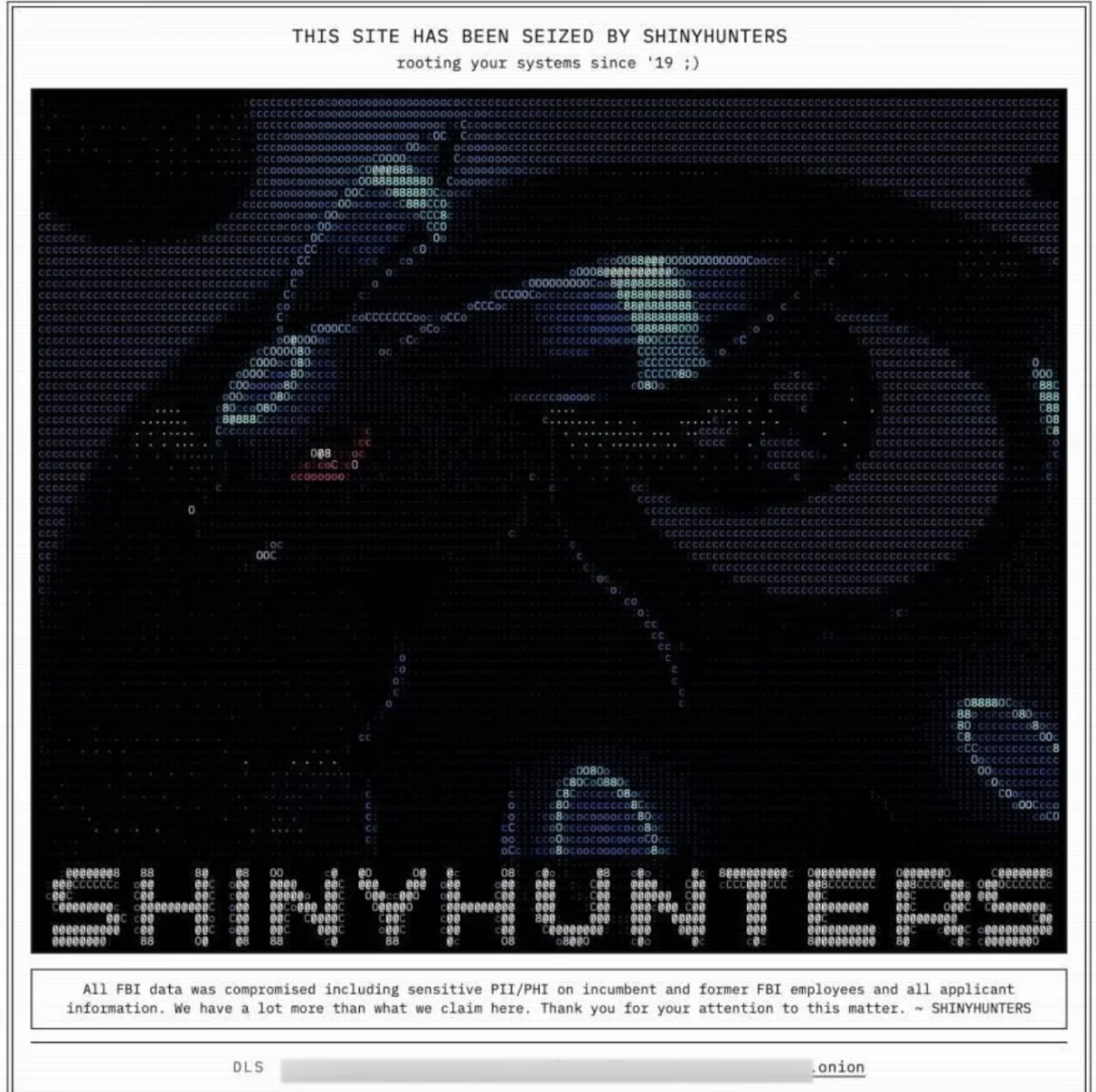
- March 19, 2026: A pivotal day in the investigation. The Ontario Provincial Police execute a search warrant at Butler’s Ottawa residence, seizing a cache of digital evidence. Simultaneously, the U.S. government coordinates an international operation to seize the technical infrastructure underpinning Kimwolf and three rival botnets: Aisuru, JackSkid, and Mossad.
- April 2026: The U.S. Department of Justice, working alongside European partners, conducts a wider crackdown, seizing domain names associated with nearly 50 "booter" services, many of which had been utilizing Kimwolf’s bandwidth for their operations.
- May 2026: A criminal complaint is unsealed in the District of Alaska, confirming that Butler has been formally charged and is currently in Canadian custody, awaiting extradition hearings.
Supporting Data: The Cost of the Kimwolf Reign
The impact of the Kimwolf botnet was measured in more than just traffic volume; it was measured in dollars and strategic instability. According to the DOJ, the botnet issued over 25,000 specific attack commands during its operation. These assaults were not limited to private corporations; they targeted Internet address ranges belonging to the U.S. Department of Defense.
The financial fallout for victims was severe, with several individual entities reporting losses exceeding $1 million per incident. The involvement of the Defense Criminal Investigative Service (DCIS) highlights the gravity of the threat, as the attacks crossed the threshold from mere cybercrime into the realm of national security interference.
The ease with which Butler managed his infrastructure is documented in the unsealed criminal complaint. Despite his claims of technical prowess, the affidavit reveals that Butler failed to maintain the most basic tenets of operational security. Investigators traced him through a combination of IP address logs, transaction records for hosting services, and incriminating messaging threads. His failure to effectively "air-gap" his criminal persona from his real-world identity ultimately served as his undoing.
Official Responses and Legal Implications
The arrest of Butler has sent a clear message to the "DDoS-for-hire" underground: the protection of international borders does not extend to the digital realm.
"The arrest of Butler is a testament to the power of international law enforcement cooperation," a DOJ spokesperson noted in a press release. The department emphasized that the investigation is ongoing, as they continue to untangle the connections between the Kimwolf botnet and the wider ecosystem of cyber-for-hire services.
For those who bore the brunt of his attacks, the arrest offers a sense of justice long delayed. Ben Brundage, the founder of Synthient, who was personally targeted by swatting attacks after exposing Kimwolf’s weaknesses, expressed cautious optimism. "Hopefully, this will end the harassment," Brundage stated. His experience serves as a sobering reminder of the physical risks that cybersecurity professionals face when they intervene in the affairs of determined, vindictive actors.
The Charges and Potential Penalties
In Canada, Butler is currently facing charges including:
- Unauthorized use of a computer.
- Possession of a device to obtain unauthorized access to a computer system.
- Mischief in relation to computer data.
In the United States, if extradition is successful, he faces a count of aiding and abetting computer intrusion. While the maximum penalty under U.S. law for these charges can reach up to 10 years in federal prison, legal analysts note that sentencing will likely be determined by a variety of mitigating factors. The U.S. Sentencing Guidelines allow judges to consider the defendant’s age, lack of prior criminal history, and the extent to which he cooperates with ongoing federal investigations.
Implications for the Future of IoT Security
The Kimwolf saga is a microcosm of the broader struggle between the rapid proliferation of "smart" devices and the lagging development of security standards. The fact that an individual could assemble a 30 Tbps-capable botnet using common web cameras and photo frames underscores a systemic failure in hardware manufacturing.
Security experts suggest that the Kimwolf incident will serve as a catalyst for new regulatory conversations regarding IoT security. If devices are to be connected to the public internet, there is a growing consensus that they must adhere to "secure-by-design" principles, preventing the default passwords and unpatched firmware that allowed Butler to turn consumer goods into weapons of mass disruption.
Furthermore, the coordinated takedown of the Kimwolf, Aisuru, JackSkid, and Mossad botnets represents a shift in strategy for global law enforcement. Rather than simply chasing individual hackers, authorities are increasingly targeting the "infrastructure of the industry"—the domains, the hosting providers, and the payment processors that allow these botnets to survive.
As Jacob Butler awaits his next court hearing on May 26, the cybersecurity community remains vigilant. While Kimwolf is effectively dismantled, the underlying vulnerabilities that allowed it to thrive remain present across millions of homes and offices worldwide. The lesson of the Kimwolf case is clear: in an interconnected world, the security of the individual device is the security of the entire network. The fall of "Dort" is a major victory, but the battle for a secure internet infrastructure is far from over.