








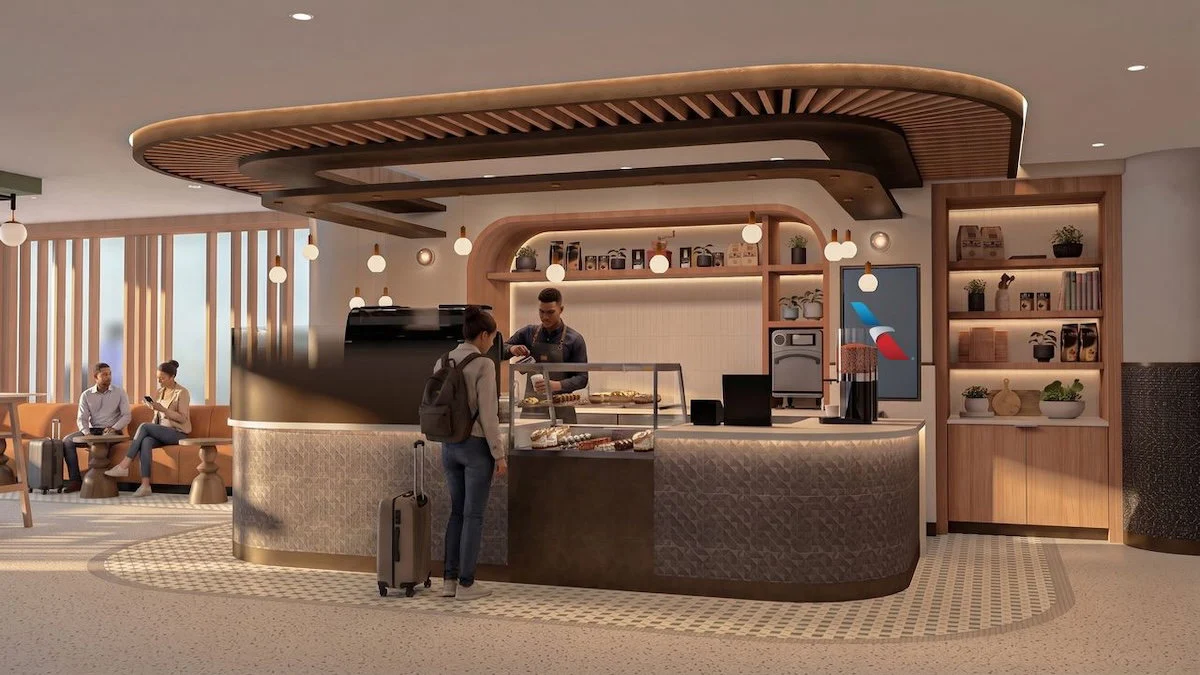
In a strategic move to address the evolving needs of the modern, time-sensitive traveler, American Airlines has officially announced the expansion of its "Provisions by Admirals Club" concept. Following the successful, albeit minimalist, pilot launch in Charlotte (CLT) in August 2025, the airline is introducing a significantly more sophisticated iteration of the concept at New York’s John F. Kennedy International Airport (JFK). Located in Terminal 8—the hub for American’s transcontinental and international operations—this new 3,700-square-foot facility aims to blend the efficiency of a grab-and-go kiosk with the refined aesthetic of a premium airport lounge.
The Evolution of the "Provisions" Concept
The "Provisions" concept is American Airlines’ response to a specific pain point in the premium travel experience: the "short-connection dilemma." Traditionally, travelers with tight layovers or those who prioritize speed over a lengthy lounge stay have found traditional Admirals Clubs, which are often sprawling and designed for longer durations, to be impractical.
The Charlotte pilot program, launched in the summer of 2025, served as a proof-of-concept. It was functional and stripped-back, prioritizing rapid service over ambiance. However, the feedback from travelers suggested that while the convenience was appreciated, the atmosphere felt somewhat clinical. With the JFK expansion, American has clearly pivoted toward a "premium-lite" model, incorporating sophisticated design elements and, most notably, high-end beverage service.
Chronology: From Charlotte to New York
- August 2025: American Airlines introduces the first "Provisions by Admirals Club" in Charlotte (CLT). The space focuses on operational efficiency, offering grab-and-go options for passengers in transit.
- June 2026: Following a period of data gathering and passenger sentiment analysis, American announces the expansion of the brand to New York (JFK).
- Mid-2026 (Projected): The JFK facility is scheduled to begin operations in Terminal 8, Concourse B, positioned strategically between gates 12 and 14 to capture high-traffic passenger flow.
Design and Aesthetic: A Departure from the Standard
Perhaps the most striking departure from the Charlotte facility is the design philosophy employed at JFK. While the Charlotte location was often criticized for a lack of character—described by some as resembling a hotel conference room—the JFK space aims to embody the "energy and character" of New York City.
The architectural plans indicate a focus on "subtle textures, tonal variation, and lighting." By moving away from the utilitarian look, American is signaling that "quick service" does not have to mean "low-end." The design is intended to create a sense of place, providing a brief but elevated respite that feels integrated into the vibrant atmosphere of the New York airport environment. This shift suggests that American is willing to invest more heavily in the design of its smaller, specialized spaces to maintain brand consistency with its flagship premium lounges.
Supporting Data: The Barista Bar Breakthrough
For the frequent flyer community, the most significant headline is the introduction of a dedicated barista bar—a first for any American Airlines lounge facility. Featuring Lavazza-crafted beverages, the station offers a level of customization that has been noticeably absent from the airline’s domestic lounge portfolio.
Historically, American Airlines has relied on automated machines or batch-brewed coffee. The shift to a barista-led service suggests a broader effort to compete with the premium lounge offerings of competitors like Delta Air Lines and United Airlines, which have long recognized the importance of high-quality coffee as a key marker of a "premium" experience.
Culinary Offerings at a Glance
The culinary program is bifurcated to accommodate the circadian rhythms of the airport:
- Breakfast (Pre-11:00 AM): A focus on light, nutritious, and convenient fuel. Offerings include curated pastry selections, Greek yogurt, fresh fruit, and hearty, hot breakfast options designed for easy portability.
- All-Day (Post-11:00 AM): A rotating menu of savory and sweet snacks alongside more substantial hot food items. This transition ensures that the facility remains relevant for both the morning business commuter and the afternoon international traveler.
Official Responses and Strategic Intent
Heather Garboden, American’s Chief Customer Officer, underscored the strategic necessity of this facility during the announcement. "JFK is a busy hub where our customers make a lot of connections, and this space allows us to better match the pace of our customers’ journeys," Garboden stated.
The emphasis on "matching the pace" of the customer is telling. It indicates that the airline is moving toward a multi-tiered lounge strategy. Rather than forcing every customer into a "one-size-fits-all" lounge experience, American is segmenting its offerings based on the customer’s intent: the traditional lounge for those with time to relax, and the "Provisions" concept for those who need a high-quality, efficient experience.
Implications for the Premium Travel Industry
The rollout of the JFK Provisions lounge has several long-term implications for the airline industry:
1. Market Segmentation
American Airlines is effectively segmenting its lounge footprint. By creating smaller, specialized hubs, the airline can manage overcrowding in its main Admirals Clubs while still providing premium value to its most loyal, time-constrained travelers. If successful, this could lead to the rollout of "Provisions" locations in other high-traffic hubs like Dallas/Fort Worth (DFW) or Miami (MIA).
2. Operational Efficiency
From an operational standpoint, a grab-and-go model is significantly cheaper to staff and maintain than a full-service lounge. By directing a portion of its elite-status passenger base to these streamlined facilities, American can optimize its staff-to-guest ratios in its larger flagship lounges, potentially improving the overall experience for those who choose to stay longer.
3. The "Coffee War"
The decision to implement a barista bar is a direct shot across the bow of competitors. While it may seem like a minor amenity, in the world of high-frequency business travel, the quality of a morning coffee is a major driver of brand loyalty. By finally entering the arena of professional-grade coffee, American is signaling that it is no longer willing to concede this aspect of the travel experience to its rivals.
The Road Ahead: Challenges and Opportunities
While the enthusiasm for the JFK expansion is palpable, challenges remain. The primary hurdle is consistency. If the "Provisions" brand is to succeed, the quality of the barista service and the freshness of the hot food must remain impeccable, regardless of the time of day.
Furthermore, the "confusing" nature of the initial announcement—which relied heavily on renderings despite the promise of an immediate opening—has raised questions about the speed of implementation. For a concept built on the premise of "speed and efficiency," the rollout process itself must be seamless to maintain credibility with high-status travelers.
Ultimately, the Provisions by Admirals Club at JFK represents a maturation of American Airlines’ customer experience strategy. By acknowledging that different travelers have different needs, and by elevating the aesthetic and quality of even its most "efficient" spaces, American is moving toward a more nuanced, customer-centric future. If the airline can successfully pair this new, elevated concept with consistent, high-quality execution, it may well set a new standard for how major carriers handle the "fast-paced" segment of their premium passenger base.
For the traveler, the takeaway is clear: the days of choosing between a quick, low-quality airport snack and a time-consuming lounge visit are coming to an end. With the expansion of the Provisions concept, American is betting that it can deliver the best of both worlds.