








By PYMNTS
July 1, 2026
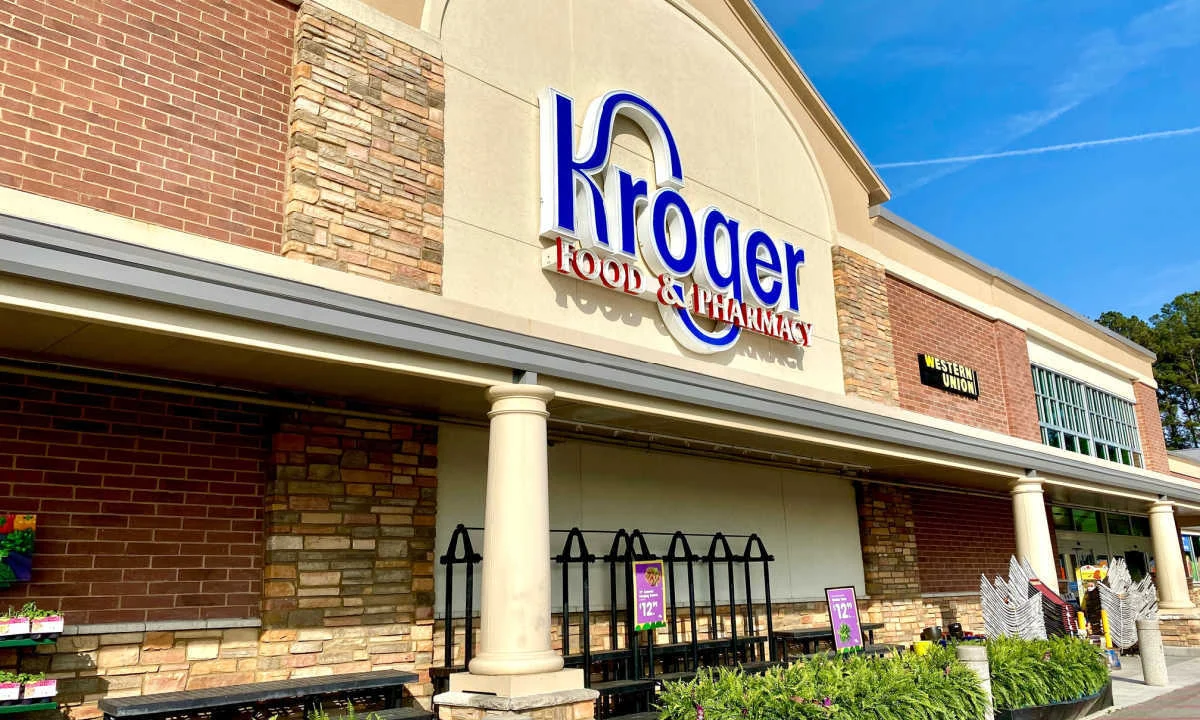
In a landmark move that promises to reshape the competitive landscape of the American retail grocery sector, Kroger has officially announced a definitive agreement to acquire Pennsylvania-based supermarket chain Giant Eagle for $1.65 billion. The acquisition, confirmed on Wednesday, July 1, 2026, marks one of the most significant consolidations in the industry in recent years, positioning Kroger to fortify its regional dominance in the face of aggressive expansion from international discount competitors.
The Core Acquisition: Facts and Figures
The acquisition brings a robust portfolio of assets under the Kroger umbrella. Giant Eagle, a mainstay of the mid-Atlantic and Appalachian regions, operates 197 brick-and-mortar grocery stores and 11 standalone pharmacies. With annual sales totaling approximately $9 billion, the chain represents a significant revenue stream and a strategic foothold for Kroger in key markets.
According to the official announcement, the transaction will expand Kroger’s footprint significantly across western Pennsylvania, Indiana, Maryland, Ohio, and West Virginia. While the financial terms are set at $1.65 billion, the value of the deal extends far beyond the price tag, integrating Giant Eagle’s established loyalty program and private-label brand portfolio into Kroger’s sophisticated eCommerce and data-analytics ecosystem.
A Strategic Timeline: From Independent Operator to Kroger Subsidiary
The path to this acquisition has been defined by a shifting economic climate that has forced regional players to evaluate their long-term sustainability against national giants.
- Early 2026: As inflationary pressures persisted, rumors of potential consolidation in the mid-market grocery sector began to circulate. Kroger, under the leadership of CEO Greg Foran, began prioritizing "strategic fit" in its pursuit of growth.
- May 2026: Aldi intensified its U.S. presence with a $9 billion expansion plan, creating a direct competitive threat to Kroger’s market share. This accelerated the urgency for Kroger to bolster its operational scale.
- June 2026: Kroger reported a modest 1% sales increase for the quarter—a sharp deceleration from the 3.2% growth seen in the same period of 2025—underscoring the "selective" nature of modern, budget-conscious consumers.
- July 1, 2026: Kroger and Giant Eagle publicly announce the definitive merger agreement, signaling a new chapter for the Pittsburgh-headquartered grocer.
Executive Perspectives: The Logic of the Deal
Kroger CEO Greg Foran framed the acquisition as a symbiotic alignment of operational strengths. In a statement released to stakeholders, Foran praised Giant Eagle’s reputation for quality.
"Giant Eagle is a well-run, high-quality regional grocer with a strong reputation for fresh products, pharmacy, private label, and customer loyalty," Foran said. "We evaluated the opportunity carefully, and the strategic fit is clear. Giant Eagle expands our reach into attractive adjacent markets, allowing us to do what we do best: Run outstanding stores, deliver fresh foods and convenient meal solutions at affordable prices, and take care of our customers and associates every single day."
For its part, Giant Eagle has sought to reassure its local customer base. In an announcement posted to its website, the company confirmed that its stores will retain the Giant Eagle name, maintaining the local brand identity that has cultivated deep consumer trust over decades. The transition is expected to leverage Kroger’s advanced eCommerce solutions and personalization capabilities, which the companies believe will improve the customer experience and drive long-term value for shareholders.
Supporting Data: The "Cutback Economy" Context
The timing of this acquisition is not coincidental. It occurs within the context of what market analysts call the "cutback economy." PYMNTS Intelligence research consistently highlights that consumers across all demographic generations are feeling the squeeze of high grocery costs.
Kroger’s recent earnings report served as a canary in the coal mine for the broader retail industry. During the earnings call, CEO Greg Foran noted, "The customer is under pressure. High gas prices and reduced SNAP benefits are squeezing budgets. Customers are managing spend carefully and shopping with real intent. That pressure is showing up in the market."
By acquiring Giant Eagle, Kroger is essentially doubling down on the "value" proposition. Integrating Giant Eagle’s private-label portfolio allows Kroger to offer more cost-effective alternatives to shoppers who are increasingly turning away from premium national brands in favor of store-brand value.
The Competitive Landscape: The Aldi Factor
The elephant in the room regarding this deal is the looming presence of Aldi. The German-owned discount chain is currently in the midst of a $9 billion expansion plan that is explicitly aimed at outpacing Kroger in total store count.
Scott Patton, Aldi USA’s chief commercial officer, recently made the competitive intent of the company clear in an interview with the Financial Times. "We don’t know what the ceiling is," Patton remarked. "We’re trying to take market share from anyone who sells groceries."
The acquisition of Giant Eagle provides Kroger with a "defensive moat." By acquiring a competitor with high customer loyalty, Kroger prevents Aldi from potentially moving into or expanding further within the regions where Giant Eagle currently holds a dominant position. It is a classic move of defensive consolidation: securing territory before it can be eroded by high-volume, low-cost discounters.
Implications for the Future of Retail
The merger holds several long-term implications for the industry and the consumer:
1. The Power of Personalization
Kroger’s greatest asset is its data. By bringing 197 new stores into its digital ecosystem, Kroger will be able to apply its proprietary personalization algorithms to a new customer base. This will likely result in more targeted promotions, more efficient supply chain management, and a seamless digital-to-physical shopping experience for Giant Eagle shoppers.
2. The Resurgence of Private Labels
As consumers prioritize value, the "private label" segment has become the primary battleground for grocers. Giant Eagle’s existing portfolio of private labels will be refined and expanded using Kroger’s manufacturing and sourcing capabilities, offering customers more budget-friendly choices during times of financial strain.
3. Consolidation as a Survival Strategy
This deal confirms the trend that mid-sized regional grocery chains are finding it increasingly difficult to compete independently against both global discounters and massive national incumbents. We can expect further M&A activity as other regional players seek shelter under larger corporate umbrellas to gain the economies of scale necessary to survive in a low-margin, high-pressure environment.
4. Impact on the Workforce and Supply Chain
While the press releases focus on customer experience, the operational integration will be the real test. Merging supply chains, labor agreements, and regional distribution networks is a complex undertaking. Success will depend on whether Kroger can maintain the "local feel" of Giant Eagle while stripping out the inefficiencies that come with independent regional operations.
Conclusion: A Pivot Point for the Grocery Industry
The acquisition of Giant Eagle is more than just a real estate play; it is a strategic maneuver designed to secure market share in a tightening economy. For Kroger, the challenge will be to prove that it can integrate a regional powerhouse without losing the unique brand equity that made Giant Eagle successful in the first place.
As the grocery wars of the late 2020s intensify, the winners will be those who can best navigate the delicate balance between high-tech personalization and the "high-touch" service that consumers expect from their neighborhood grocer. With this $1.65 billion bet, Kroger has signaled that it intends to be the one to define the future of that balance. For the American consumer, the immediate future holds a landscape where large-scale national players increasingly define the choices on the shelves, backed by the data-driven efficiency that has become the hallmark of the modern retail experience.