








In a move that signals a strategic recalibration of its long-haul network, American Airlines has officially announced the resumption of daily nonstop service between Chicago O’Hare International Airport (ORD) and Tokyo Narita (NRT). Scheduled to commence on March 27, 2027, the route marks the airline’s formal return to trans-Pacific operations from its Midwest hub—a presence that has been notably absent for over seven years.
This development is more than a simple schedule adjustment; it is a calculated effort by American Airlines to reassert its footprint in the Chicago market, where rival United Airlines has spent the better part of the last decade aggressively expanding its dominance.
The Core Facts: Route Logistics and Aircraft Configuration
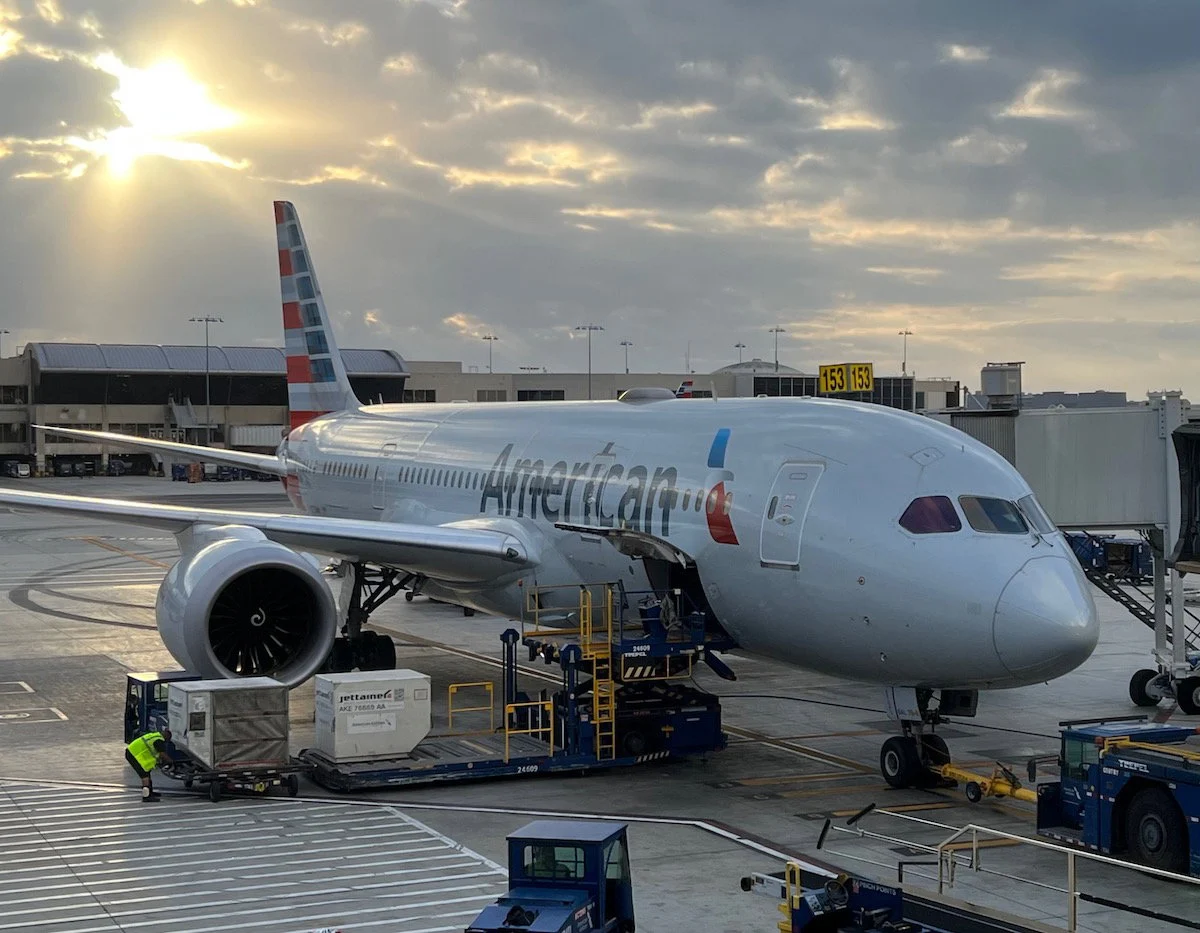
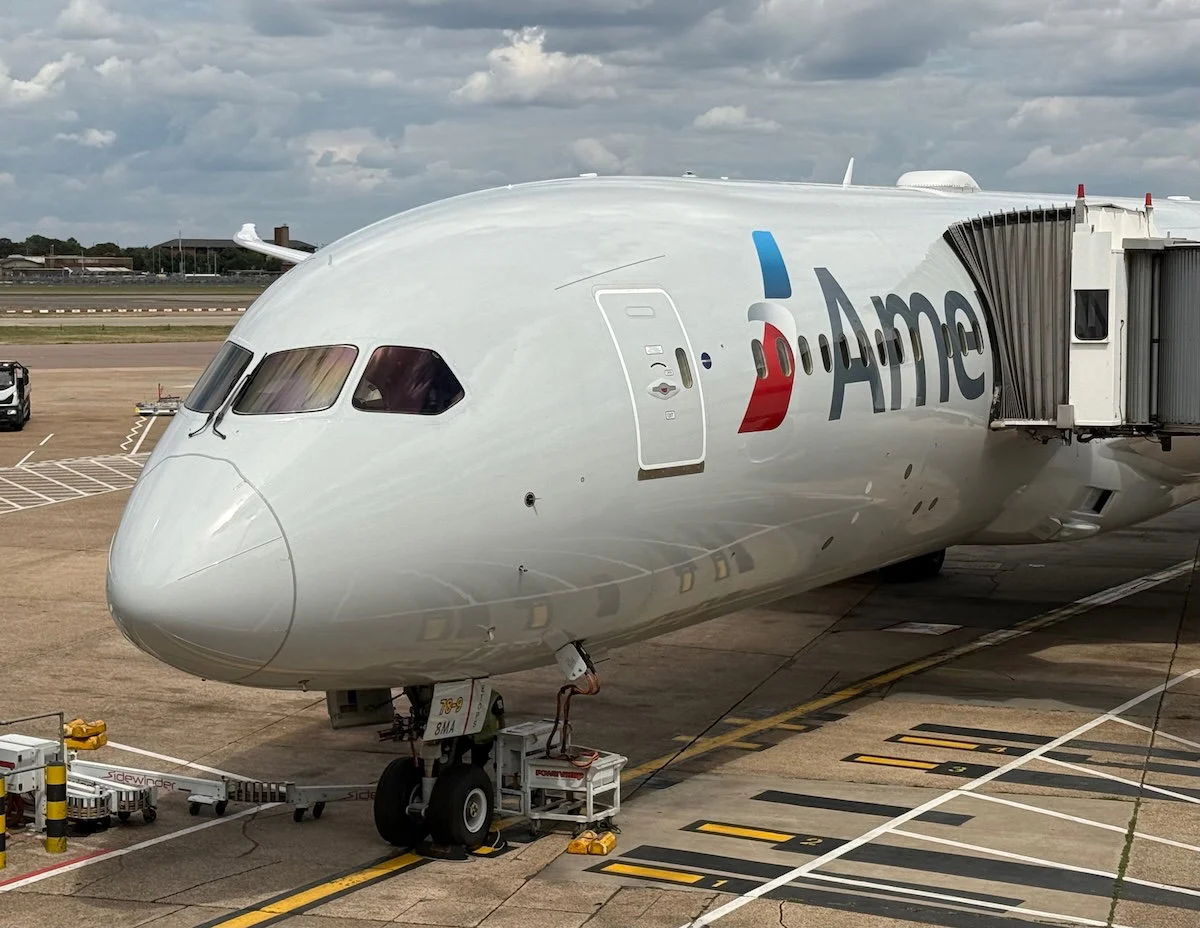
The restored service will operate daily, connecting two major global economic centers. American Airlines has committed its Boeing 787-9 Dreamliner fleet to the route, a move that provides a balance of fuel efficiency and passenger capacity suitable for the 6,272-mile journey.
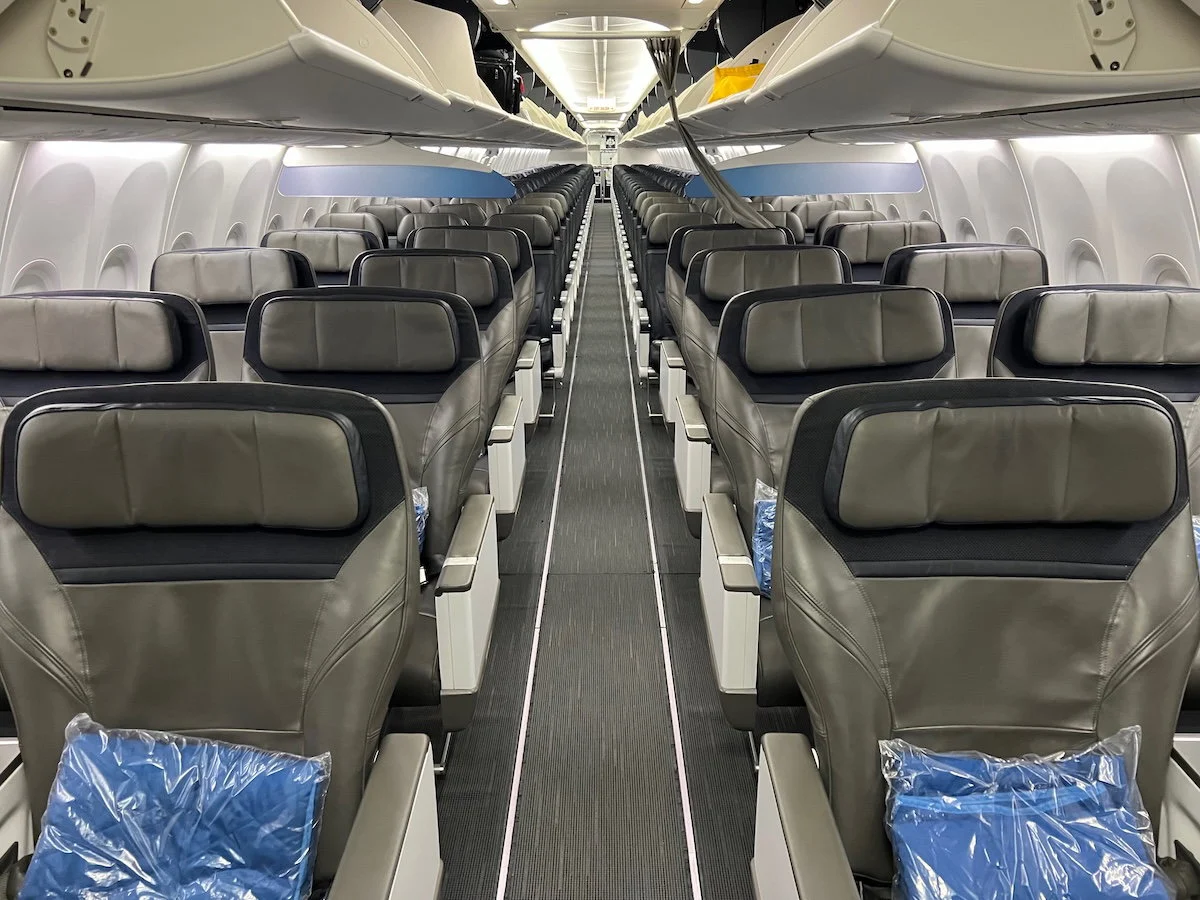
The aircraft will be configured to accommodate 305 passengers, divided across three distinct cabins:
- Business Class: 30 lie-flat suites, aimed at capturing the high-yield corporate travel market between the U.S. and Japan.
- Premium Economy: 21 seats offering additional legroom and enhanced service, catering to the growing "bleisure" traveler demographic.
- Main Cabin: 254 seats, providing the necessary volume to maintain profitability on a high-frequency, long-haul corridor.
For travelers, the return of this route offers an alternative to existing options. While American will now operate the flight, the airline remains part of a robust joint venture with Japan Airlines (JAL), which already serves the ORD-NRT and ORD-HND (Haneda) routes.
A Chronological Context: From Retreat to Reinvestment
To understand the weight of this announcement, one must look at the timeline of American’s presence in the Windy City.
- Pre-2020 Era: For many years, Chicago served as a critical gateway for American’s Asian operations. However, following a series of network evaluations, the airline began a gradual retreat from international flying out of ORD, culminating in the suspension of the Chicago-Tokyo route in early 2020.
- The Pandemic and Post-Pandemic Shift: While the COVID-19 pandemic caused global aviation to grind to a halt, American’s departure from this route preceded the global health crisis, highlighting a pre-existing strategy to consolidate long-haul resources into their core hubs like Dallas/Fort Worth (DFW).
- The 2025-2026 Consolidation: In recent months, American has been pruning its long-haul portfolio to optimize performance. The recent cancellation of the Philadelphia-Doha route was widely viewed by industry analysts as a reallocation of widebody aircraft. It now appears that the 787-9 slated for international service has been earmarked for this Chicago return.
- March 2027: The official launch date represents a new chapter in the airline’s Chicago strategy, signaling that the carrier is once again willing to challenge United Airlines on its home turf.
Market Implications: The Battle for Chicago
The aviation industry is currently witnessing a renewed "Battle of the Hubs." Chicago O’Hare is a critical battleground. United Airlines has spent recent years fortifying its position in Chicago, leveraging its massive domestic feeder network to populate its international long-haul flights.
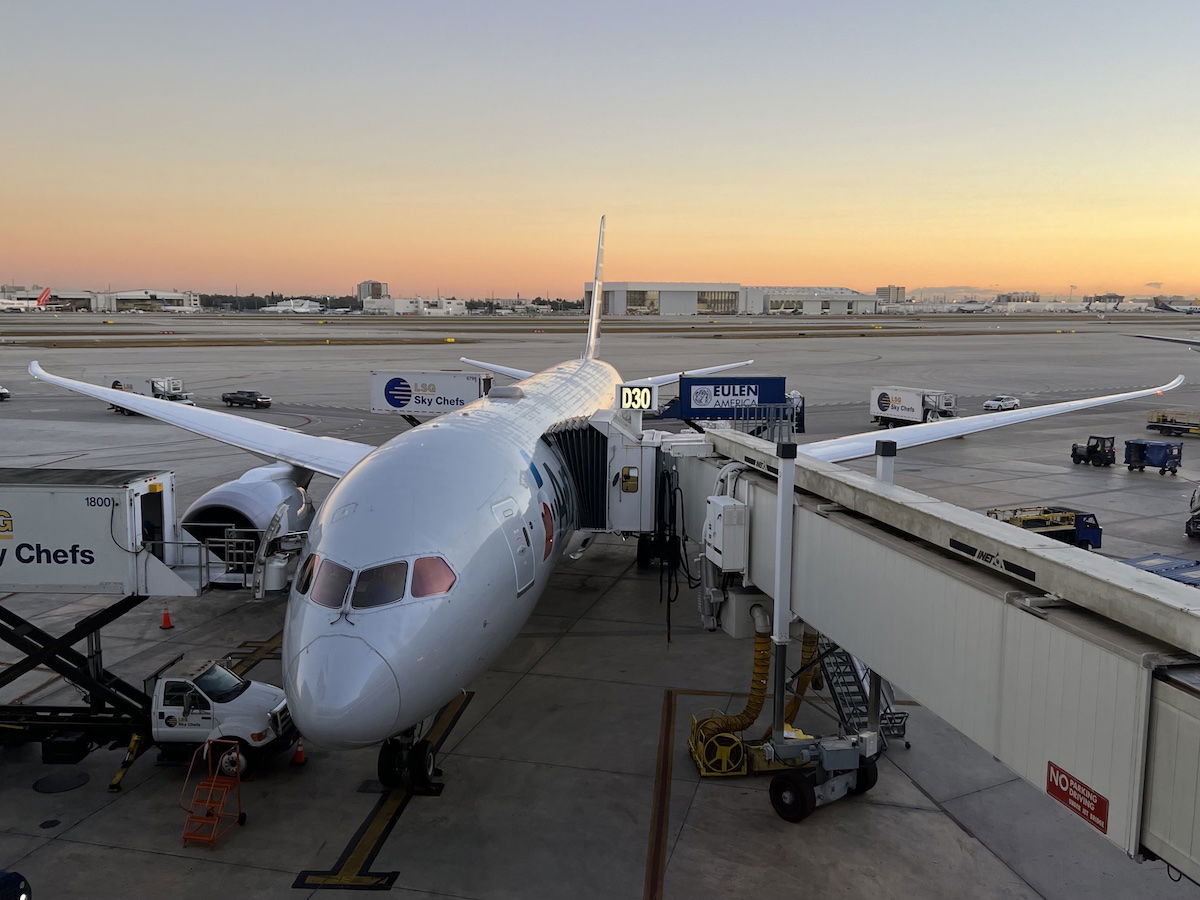
By reintroducing Tokyo service, American is attempting to stem the flow of passengers who have been forced to fly United—or switch their loyalty to other carriers—due to the lack of competitive, direct American-operated options.
However, analysts remain divided on the strategy. Because American is part of a joint venture with JAL, the two airlines can coordinate schedules and pricing. Critics argue that adding a "new" flight that simply duplicates what a partner airline is already doing does little to expand the total market. Instead, it serves to consolidate the joint venture’s share of the route rather than attracting new travelers who were not already flying with the Oneworld alliance.
The "Joint Venture" Strategy: Benefits and Criticisms
American Airlines’ long-haul strategy is heavily reliant on its joint venture (JV) partners. This approach minimizes risk by allowing airlines to share costs and revenues on specific routes.
The Upside for Passengers:
- Redemption Opportunities: Frequent flyers now have an additional option to redeem AAdvantage miles on a direct flight to Tokyo, a highly sought-after award seat.
- Systemwide Upgrades: The resumption opens up more inventory for passengers to utilize their elite status benefits and systemwide upgrades on a major Pacific corridor.
- Scheduling Flexibility: With both American and JAL operating the route, passengers benefit from a broader spread of departure times, allowing for better connectivity to onward flights within Japan and Southeast Asia.
The Critique of "Boring" Expansion:
Industry observers have frequently noted that American’s long-haul network has become somewhat predictable. Outside of Latin America—where American maintains a distinct competitive advantage—the airline’s international growth is almost exclusively limited to JV-hub-to-JV-hub routes.
While this approach is fiscally responsible and protects the bottom line, it has drawn criticism for a lack of innovation. In an era where airlines like Delta have expanded aggressively into new international territories, American’s adherence to the "partner-route" model is seen by some as a missed opportunity to capture new, untapped markets.
The Aircraft Experience: Is it Enough?
The Boeing 787-9 is a workhorse of the modern sky, known for its quieter cabin, better humidity, and larger windows. However, the passenger experience is heavily dependent on the onboard product.
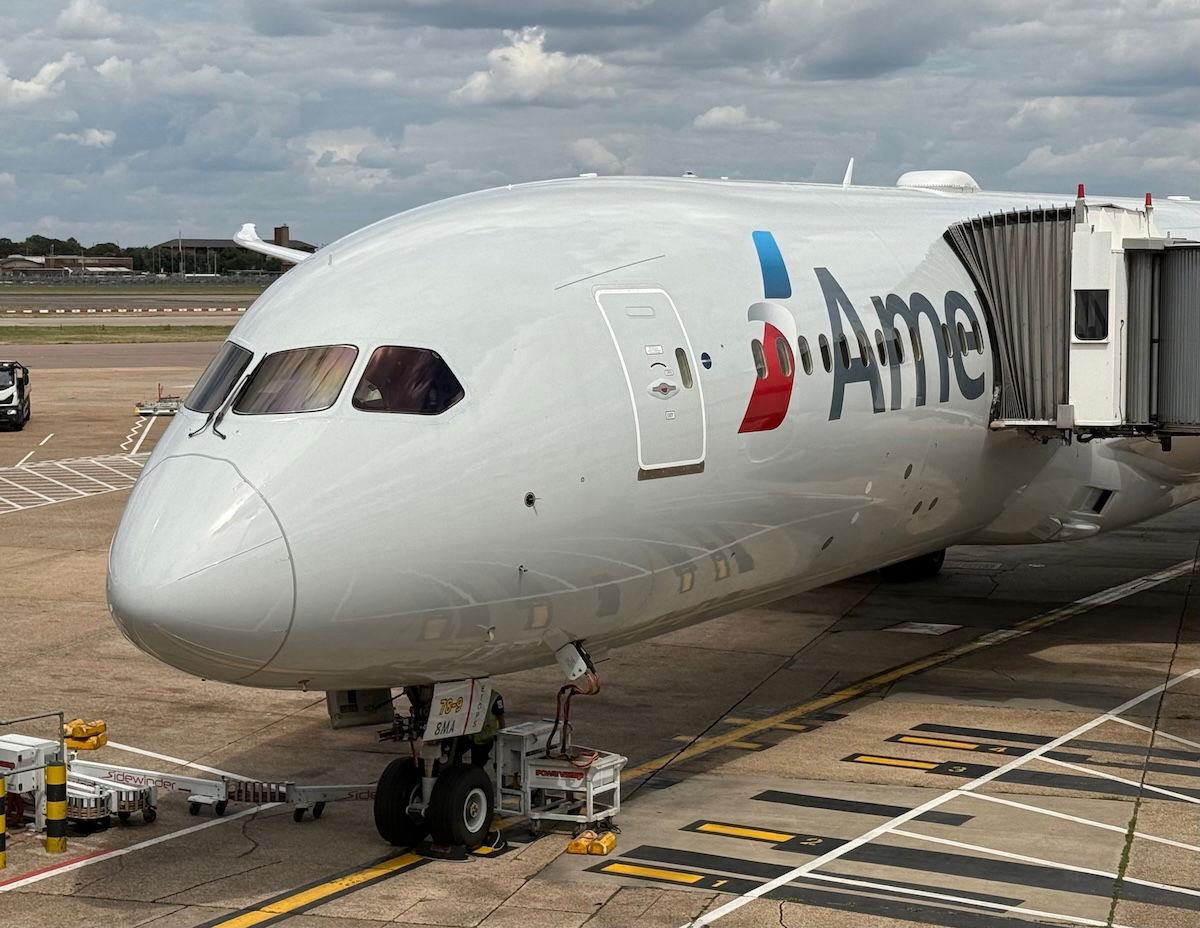
Japan Airlines is widely regarded as having one of the best international business-class products in the sky. When a passenger has the choice between an American Airlines 787-9 and a JAL 787-9 on the exact same route, the service, catering, and cabin atmosphere of the Japanese carrier often win out. For American to truly compete, it must ensure that its soft product—the quality of meals, the attentiveness of the crew, and the overall consistency of the flight—is elevated to meet the high standards set by its partner.
Strategic Outlook: What’s Next for American?
The decision to resume the Chicago-Tokyo route is a clear signal that American Airlines is not yet ready to cede the Midwest to United. Yet, the broader question remains: is this the start of a broader international expansion, or is it merely a defensive maneuver?
Industry experts suggest that American is currently in a phase of "network rationalization." By cutting underperforming, niche routes like Philadelphia-Doha and replacing them with high-demand, high-frequency corridors like Chicago-Tokyo, the airline is prioritizing reliability and corporate travel demand over geographic reach.
For the aviation enthusiast and the business traveler alike, the return of this route is a welcome development. It provides more seats, more flexibility, and a stronger American presence in one of the world’s most important air travel markets. Whether this leads to further expansion in Asia remains to be seen, but for now, the message from Dallas is clear: Chicago is once again a priority.
Summary of Stakeholder Perspectives
- The Business Traveler: Likely to welcome the return of an additional carrier, as it increases the likelihood of finding last-minute seats and provides more options for utilizing corporate travel budgets within the Oneworld alliance.
- The Loyalty Program Member: The expansion is a net positive. Increased capacity on high-demand routes usually correlates with better availability for miles-based redemptions, provided that the airline balances its revenue management strategy correctly.
- The Investor: Markets typically react favorably to "rational" growth. By focusing on proven routes rather than experimental new destinations, American is positioning itself for consistent, if not explosive, growth.
- The Competitor: United Airlines will likely view this as a direct challenge. It remains to be seen if United will respond with increased frequency or revised pricing strategies to protect its current market share in the Chicago-Tokyo corridor.
As we look toward March 2027, the aviation industry will be watching closely. The success of the Chicago-Tokyo route will likely serve as a litmus test for American’s broader strategy: can they grow by sticking to their partners, or will they eventually need to strike out on their own to reclaim their status as a truly global carrier? For now, the focus is on the skies above the Pacific, where a familiar tail fin will soon be returning to the O’Hare skyline.