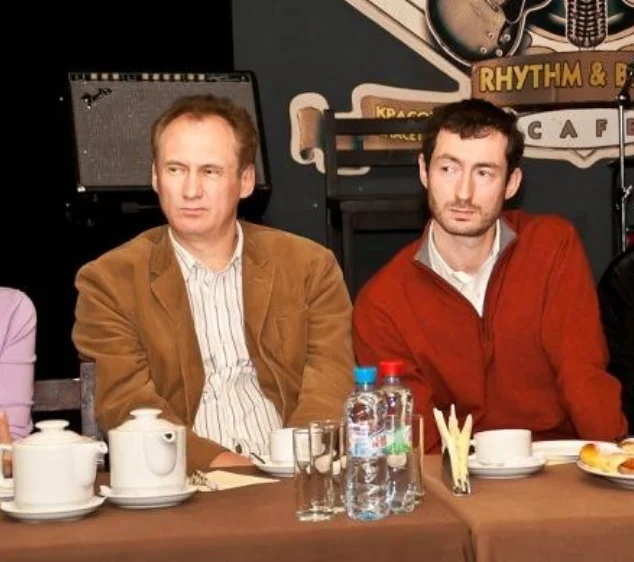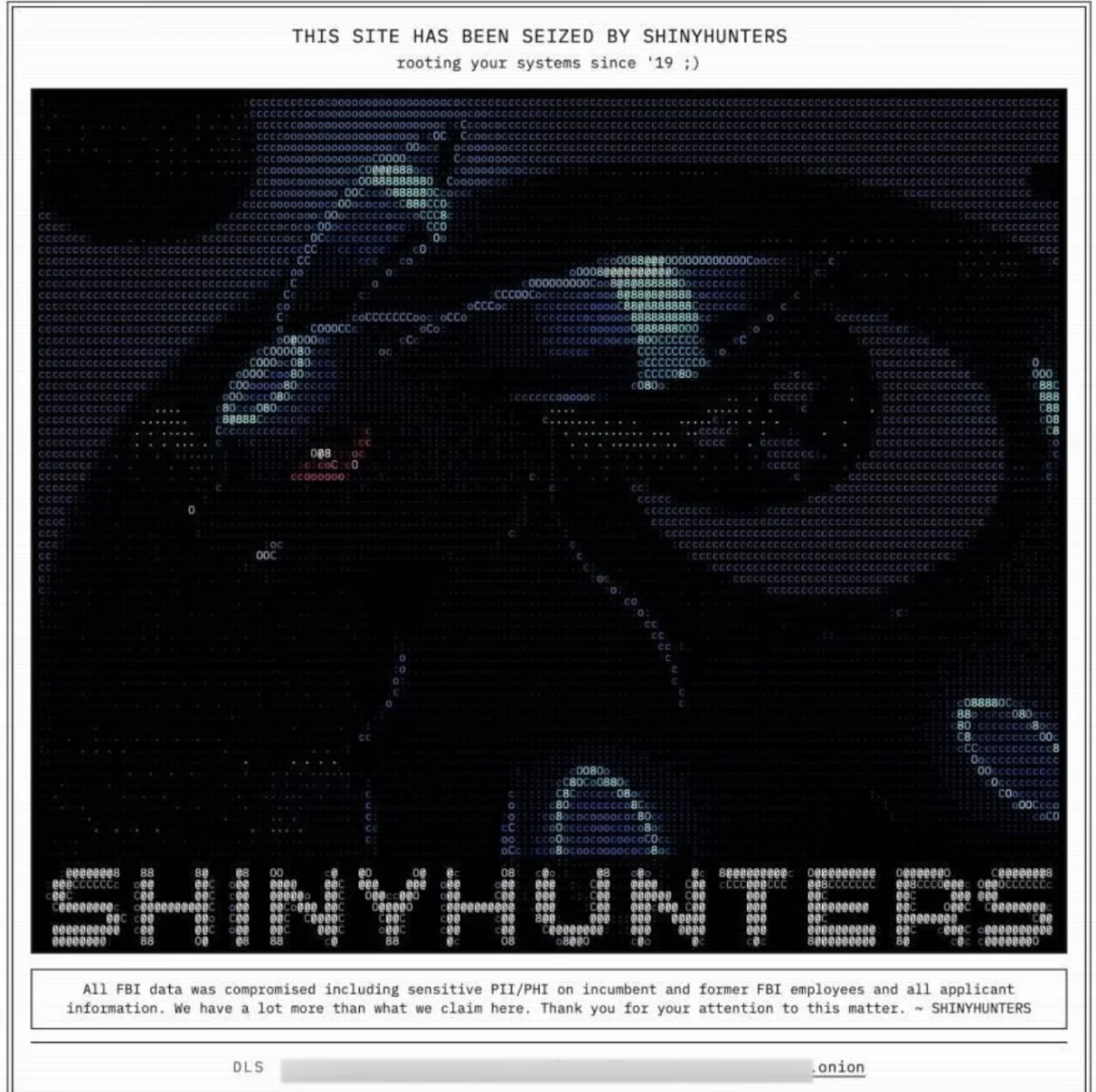










In a significant blow to the clandestine digital infrastructure supporting the Kremlin’s hybrid warfare, Dutch financial crime investigators have executed a high-profile raid, dismantling a network accused of facilitating Russian cyberattacks and disinformation campaigns across the European Union. On May 18, the Fiscal Intelligence and Investigation Service (FIOD) arrested two primary figures linked to the hosting sector: a 57-year-old Amsterdam resident and a 39-year-old from The Hague.
The arrests mark the culmination of a multi-year investigation into the technical backbone used by state-aligned actors to disrupt European stability. The suspects, identified through investigative reporting as Youssef Zinad and Andrey Nesterenko, were accused of violating strict EU sanctions by providing critical economic and technical resources to sanctioned Russian-linked entities. The operation resulted in the seizure of over 800 servers, effectively severing a key digital artery used by malicious actors to target Western democratic institutions.
The Nexus of Infrastructure: A Chronology of Subterfuge
The roots of this investigation trace back to the onset of the Russian invasion of Ukraine in early 2022. Within weeks of the conflict’s escalation, a sprawling hosting entity known as "Stark Industries Solutions" appeared on the digital landscape. Far from a standard service provider, Stark Industries rapidly gained notoriety as an "iron hammer in the cloud," acting as a staging ground for massive distributed denial-of-service (DDoS) attacks against European government agencies and private infrastructure.
The Rise and Pivot of Stark Industries
By 2024, security researchers had identified Stark Industries as a primary supplier of proxy and anonymity services for Russia-backed hacking collectives. The network was heavily reliant on conduits provided by PQHosting, a firm owned by Moldovan brothers Ivan and Yuri Neculiti.
In May 2025, the European Union formally sanctioned PQHosting and the Neculiti brothers for their role in Russia’s hybrid warfare. However, the sanctions proved only partially effective. As investigators later discovered, the network had anticipated the regulatory crackdown. Nearly two weeks before the official announcement of the sanctions, assets within the Stark network were quietly migrated to a new entity branded as "the[.]hosting," operated under the corporate umbrella of the Dutch firm WorkTitans BV.
The Dutch Connection
The transition to "the[.]hosting" was not merely a change in name; it was a strategic pivot to leverage Dutch internet connectivity. WorkTitans BV was controlled by the two men eventually arrested by the FIOD: Andrey Nesterenko, a Russian native operating in the Netherlands, and Youssef Zinad, a Dutch national who had long served in the shadow of these hosting operations. WorkTitans relied exclusively on MIRhosting—a company Nesterenko had founded—for its connection to the global internet.
Supporting Data: Evidence of Malicious Intent
The case against Nesterenko and Zinad rests on a mountain of digital evidence, including internal communications and traffic logs. According to reports from the Dutch daily de Volkskrant, the networks operated by WorkTitans and MIRhosting were the most frequently utilized staging grounds for cyberattacks against Danish government bodies during the week of Denmark’s 2025 municipal elections.
The Seizure of Digital Assets
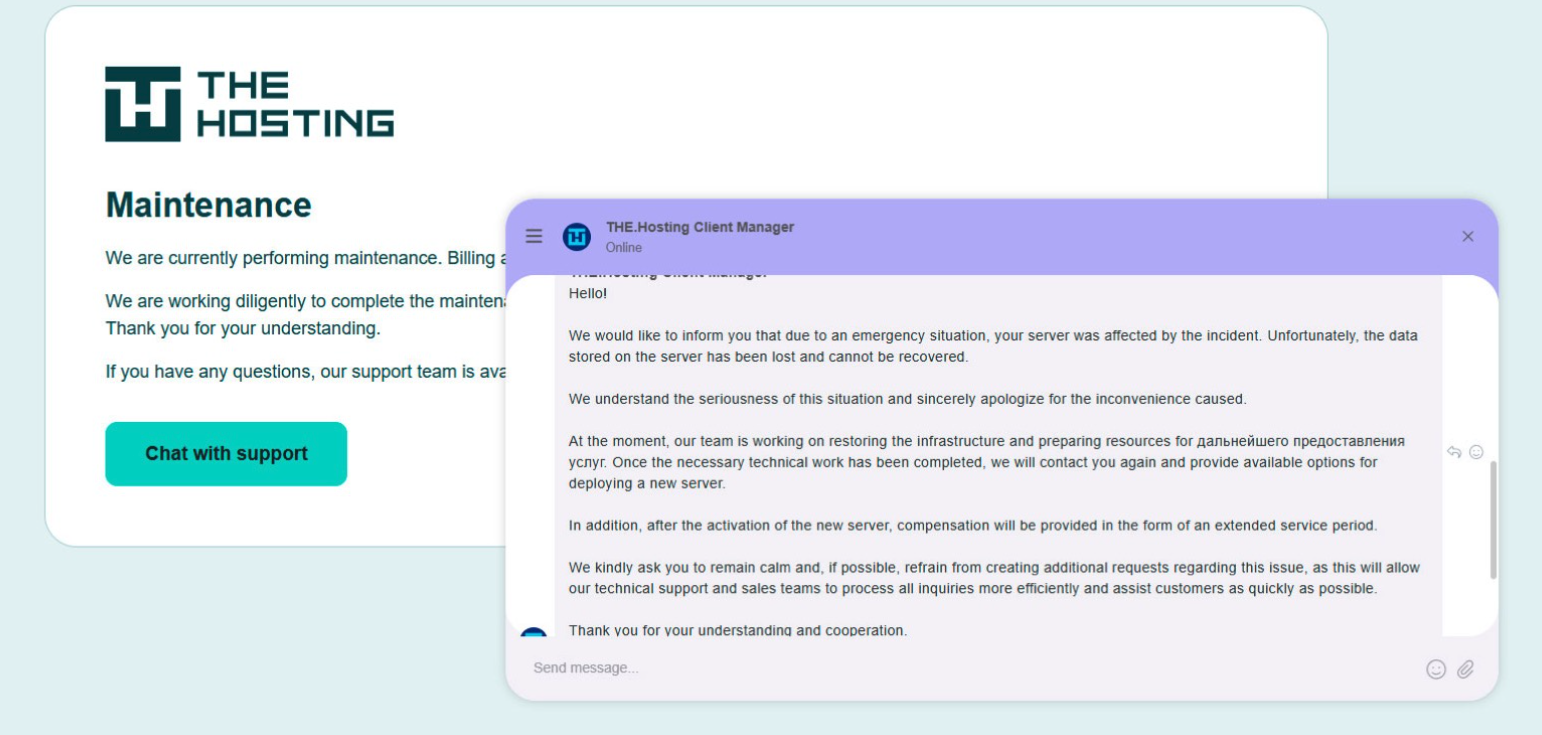
The May 18 raid was comprehensive, targeting three business locations in Enschede and Almere, along with two data centers in Dronten and Schiphol-Rijk. The physical seizure of 800 servers resulted in an immediate and total blackout for the clients of "the[.]hosting." A notice left for customers confirmed the severity of the intervention: "Unfortunately, data stored on the server has been lost and cannot be recovered."
This loss of data serves as a stark reminder of the risks associated with utilizing "bulletproof" hosting providers that operate in legal grey zones. For many legitimate clients, the shutdown of the infrastructure resulted in catastrophic, irreversible data loss, underscoring the dangers of relying on providers whose underlying business models are tethered to sanctioned entities.
Profiles of the Accused
Andrey Nesterenko: From Piano Prodigy to Infrastructure Architect
Andrey Nesterenko’s professional trajectory is as complex as the networks he managed. Born in Nizhny Novgorod, Russia, Nesterenko was a child piano prodigy before transitioning into the world of IT. In 2004, he founded Innovation IT Solutions Corp., the parent company of MIRhosting.
Nesterenko’s history in the cyber-infrastructure space is extensive. His company was previously identified as the host of stopgeorgia[.]ru, a platform used to coordinate cyberattacks against Georgia during the 2008 Russian military incursion. This historical precedent suggests a long-standing involvement in the intersection of cyber warfare and physical military aggression.
Youssef Zinad: The Reclusive Enabler
Youssef Zinad has maintained a far more elusive profile. Following initial reports exposing his role in the MIRhosting network, Zinad largely withdrew from public view. Investigative efforts to contact him for comment were met with silence, blocked LinkedIn profiles, and, eventually, a scene of abandonment at his registered business address in Almere. Neighbors and business associates described a man who had become increasingly reclusive before his eventual arrest in Amsterdam.
Official Responses and Denials
In the wake of the arrests, the atmosphere surrounding MIRhosting has been one of damage control. Despite evidence linking his infrastructure to election interference in Denmark, Nesterenko has vehemently denied any wrongdoing.
"MIRhosting does not support cybercrime, sanctions evasion, or illegal activity," Nesterenko stated in an email response to inquiries. He argued that the transition to "the[.]hosting" was a standard business migration and that the hardware had been transferred to WorkTitans well before the sanctions took effect. He characterized the Dutch intervention as a destructive act that harms legitimate infrastructure and innocent third-party clients.

MIRhosting’s official statement on the matter emphasized that an internal investigation yielded "no anomalies or spikes" in network traffic during the period of the Danish elections. They further noted that the company had not received any formal abuse reports prior to the media exposure, asserting that their service to other clients remains functional and compliant.
Global Implications: The War on Bulletproof Hosting
The actions taken by the Dutch FIOD highlight a growing trend among Western nations: the targeting of the "bulletproof" hosting industry that enables state-sponsored cyber espionage. By holding the owners of these infrastructure companies personally accountable for the actions of their clients, authorities are creating a new deterrent against the laundering of cyber-weapons through European data centers.
The Regulatory Challenge
The case demonstrates the extreme difficulty of regulating the internet’s "dark corners." Even when sanctions are applied, malicious actors employ "shell-and-migrate" tactics—shifting assets between corporate entities and jurisdictions to stay one step ahead of the law. The fact that the Stark Industries network was able to operate out of the Netherlands for months after its primary Russian-linked partners were sanctioned suggests that European enforcement agencies must develop faster, more agile mechanisms for identifying and neutralizing compromised infrastructure.
The Future of Digital Sovereignty
As the conflict between Russia and the West continues to play out in the digital domain, the responsibility of hosting providers is under intense scrutiny. The "business-to-business" arrangement, often used as a defense to deflect liability, is no longer providing an adequate shield against legal consequences. For providers like Nesterenko and Zinad, the lesson is clear: the digital infrastructure used to facilitate war is no longer exempt from the laws of the nations where that hardware physically resides.
The destruction of the MIRhosting and WorkTitans infrastructure is a tactical victory in a much larger strategic struggle. By dismantling the technical staging grounds used for disinformation and DDoS attacks, Dutch authorities have demonstrated that the "cloud" is not a lawless space, but one subject to the jurisdiction and moral imperatives of the democratic states in which it operates. Whether this intervention will disrupt the broader ecosystem of Russian-linked cyber warfare remains to be seen, but it undoubtedly forces a significant recalibration for those who treat the internet as a battlefield without consequences.