








The aviation industry often emphasizes that the most perilous phase of any journey is not the flight itself, but the transit to and from the airport. On the night of Monday, June 29, 2026, this somber reality manifested in a devastating collision on New York’s Long Island Expressway (LIE). A shuttle bus transporting the flight crew of a Royal Jordanian Airlines aircraft was involved in a multi-vehicle accident that resulted in two fatalities and left dozens injured, sending shockwaves through the aviation community and raising urgent questions regarding the oversight of third-party transportation services.
The Incident: A Night of Chaos on the LIE
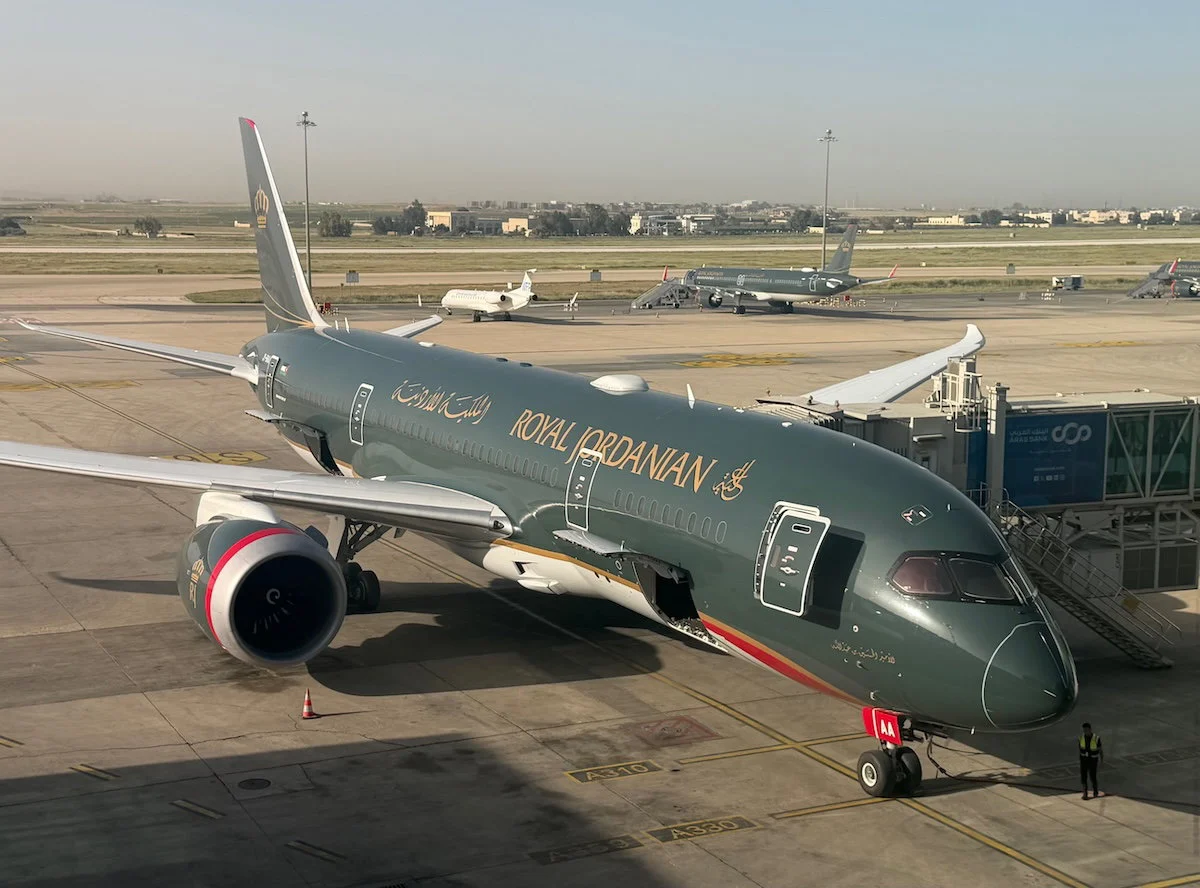
At approximately 11:45 PM on Monday, the tranquility of a late-night commute on the Long Island Expressway was shattered. A bus, which had been contracted to transport the crew of Royal Jordanian flight RJ8261—which had arrived at John F. Kennedy International Airport (JFK) from Amman (AMM) at 9:45 PM—was traveling westbound.
According to preliminary reports from the New York State Police, the bus initiated a chain-reaction collision after striking two vehicles traveling in the same direction. The impact caused the bus to veer sharply, mount the center median, and vault into the eastbound lanes of the expressway. Upon entering oncoming traffic, the bus collided with additional vehicles, creating a chaotic scene of twisted metal and debris that forced the closure of both sides of the expressway for nearly ten hours.
Emergency responders were dispatched to the scene in massive numbers, arriving to find a scene of total devastation. Two individuals were pronounced dead at the scene: the 35-year-old driver of the shuttle bus and one passenger, who has been identified as a member of the Royal Jordanian flight crew. Dozens of others, including the remaining members of the airline crew and occupants of the other vehicles involved, were transported to local hospitals. While the majority of the survivors are reported to be suffering from non-life-threatening injuries, at least one individual remains in critical condition as of this writing.
Chronology of Events
The timeline of the tragedy underscores the swift transition from a routine layover arrival to a life-altering emergency:
- 9:45 PM: Royal Jordanian flight RJ8261 from Amman touches down at JFK. The crew completes their duties, clears immigration, and retrieves their luggage.
- 11:00 PM (Approx.): The crew boards the contracted shuttle bus, anticipating a standard transit to their designated layover hotel.
- 11:45 PM: The collision occurs on the Long Island Expressway. The bus strikes two vehicles, hits the center divider, and overturns into the path of eastbound traffic.
- 11:55 PM – 12:30 AM: First responders arrive at the scene. The highway is cordoned off, and a mass casualty triage protocol is initiated to categorize the injured.
- 1:00 AM – 9:00 AM (Tuesday): A massive recovery and investigation operation ensues. Traffic is diverted for miles as investigators reconstruct the scene.
- 10:00 AM: The expressway is fully reopened, though the investigation into the root cause of the crash continues.
A Controversial Driver Record
As investigators peel back the layers of this tragedy, attention has shifted to the credentials and history of the bus driver. While his identity has not been released to the public, records suggest a complex history that has sparked outrage regarding the vetting processes for professional drivers in the region.
It has been revealed that the driver possessed a valid commercial license at the time of the crash. However, a deep dive into his background reveals seven prior arrests. These charges range from burglary to sexual abuse and forcible touching; notably, the individual was a registered sex offender.
While legal experts point out that a criminal record does not inherently equate to an inability to operate a motor vehicle safely, the driver’s history behind the wheel is equally troubling. He had been cited for seven moving violations, including infractions for excessive speeding, dangerous driving, and failure to obey traffic control devices. While none of these violations occurred while he was operating a commercial shuttle, the pattern of behavior suggests a disregard for traffic safety protocols. The juxtaposition of his history with the responsibility of transporting international aircrews has prompted calls for a stricter industry-wide audit of the contractors used by major airlines.
Industry Implications and Airline Oversight
For an airline like Royal Jordanian, the incident represents a significant operational and psychological blow. Airline crews operate under rigorous safety standards, and their transit to hotels is usually considered a protected part of their duty cycle. When a third-party contractor fails, it exposes the airline to risks over which they have little direct control.
The Vendor Vetting Crisis
Airlines across the globe frequently outsource ground transportation to local providers to manage costs and logistical complexity. However, this tragedy highlights a systemic gap: how deep should an airline’s due diligence go? Should an airline be responsible for the criminal and driving history of every driver employed by a subcontractor? The incident on the LIE is likely to trigger a review of vendor contracts across major international carriers, with many expected to demand more transparent reporting on driver safety records and background checks.
Duty of Care
The incident also brings the "Duty of Care" doctrine to the forefront. Employers, including airlines, have a moral and legal obligation to ensure that the transport provided to their staff is safe. The loss of a crew member in such a violent manner is a failure of the safety chain that extends far beyond the cockpit. We can expect international labor unions representing flight attendants and pilots to demand more stringent safety standards for crew transportation services in the coming months.
Official Responses and Public Sentiment
The aviation community, led by frequent flyers and industry analysts, has expressed profound grief. While traffic accidents are usually outside the scope of aviation news, the specific nature of this incident—involving a professional flight crew—has resonated deeply.
Royal Jordanian Airlines has issued a statement expressing its deepest condolences to the families of the deceased and confirming that they are working closely with local authorities in New York to provide support to their affected employees. "Our hearts are heavy as we support our colleagues during this incredibly difficult time," a spokesperson for the airline noted. "We are committed to understanding the circumstances surrounding this tragedy."
Local authorities in New York are continuing their forensic investigation. Data from the bus’s "black box," if equipped, and witness testimony from the other vehicles will be critical in determining if mechanical failure, medical emergency, or driver negligence led to the initial collision.
A Reminder of Human Fragility
As the investigation into the Long Island Expressway crash proceeds, the focus remains on the victims. For those who travel frequently, this event serves as a grim reminder that the safety we enjoy in the skies is often decoupled from the safety we experience on the ground.
While the aviation industry continues to push toward "zero accident" goals, the transit infrastructure of major cities often presents variables that are far more difficult to control. The loss of life in this incident is a tragic anomaly, but it is one that will inevitably lead to a shift in how airlines manage the "last mile" of their crews’ journeys. For now, the thoughts of the entire travel industry remain with the families of those lost and with the survivors as they navigate the long road to physical and emotional recovery.
This disaster is more than a news headline; it is a profound lesson in the necessity of vigilance. Whether it is a pilot, a flight attendant, or a passenger in a shuttle bus, the sanctity of life remains the priority, and the systems designed to protect it must be held to the highest possible standard.