








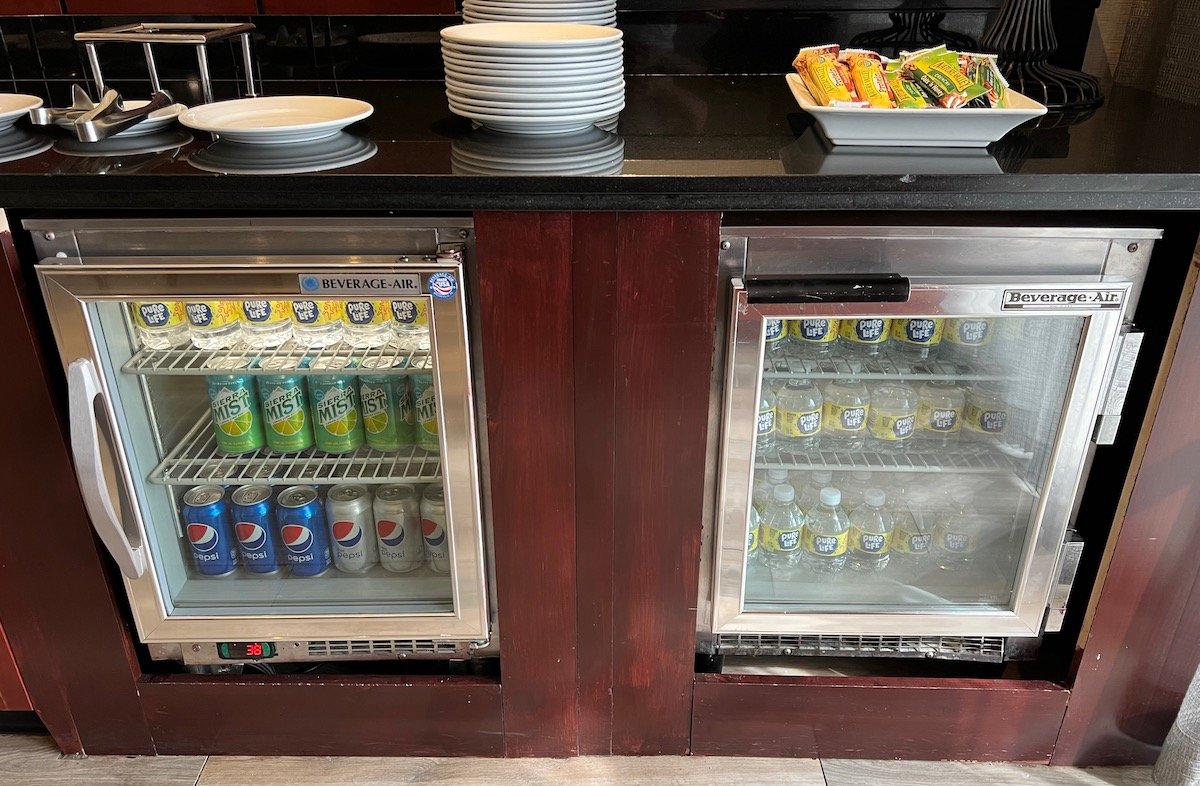
In a move that marks the end of one of the longest-standing corporate partnerships in the hospitality industry, Marriott International has officially announced a global transition from PepsiCo to The Coca-Cola Company. The strategic beverage agreement, which began its phased rollout in July 2026, effectively concludes a 34-year exclusive relationship between the world’s largest hotel chain and Pepsi. This shift will redefine the beverage experience for millions of guests across thousands of properties, impacting everything from in-room mini-bars and hotel lounges to high-stakes catering for conferences and weddings.
A Historical Context: The 1992 Mandate
To understand the significance of this transition, one must look back to 1992. For over three decades, the partnership between Marriott and Pepsi was not necessarily built on a foundation of overwhelming consumer preference, but rather on the cold, hard logic of corporate finance.
During the early 1990s, as Marriott sought to aggressively expand its global footprint, it required significant capital infusion. Reports from the time indicate that while Marriott solicited bids from both major beverage giants, Coca-Cola was reportedly unwilling to extend the specific loan terms that Marriott’s leadership deemed non-negotiable. PepsiCo, viewing the partnership as a massive opportunity to secure a captive audience of travelers, agreed to the financial terms, thereby securing exclusive pouring rights for the next three decades.
For years, this arrangement remained a point of contention among travelers, particularly when Marriott acquired the Starwood brand. At the time of the merger, Starwood hotels had long been associated with Coca-Cola. The subsequent forced migration of those properties to Pepsi products was met with significant backlash from loyalists who felt the switch diminished the premium nature of the guest experience.
The Chronology of the Transition
The announcement of the switch, confirmed in July 2026, initiates a complex, multi-month logistical operation. Transitioning a global portfolio of thousands of hotels—ranging from luxury brands like The Ritz-Carlton to mid-scale properties like Courtyard—is an immense undertaking.
- July 2026: The official announcement of the strategic agreement. The phased rollout commences immediately, with priority given to major hubs and flagship properties.
- Late 2026: The supply chain shift continues, with distribution centers transitioning from Pepsi-aligned logistics to Coca-Cola’s vast network.
- Early 2027: The anticipated completion date. By this time, the expectation is that all guest-facing touchpoints—including vending machines, restaurant fountain systems, and event catering services—will be fully converted to the Coca-Cola portfolio.
The transition includes not only traditional carbonated sodas but also an expansive catalog of hydration and functional beverages, including water brands, juices, and specialty coffees, which have become increasingly critical in the modern hotel environment.
The Rationale: Why Now?
Marriott’s decision to move away from its long-term partner is rooted in a fundamental shift in its internal data analytics. According to internal communications shared with hotel owners and franchisees, Marriott conducted extensive market research that revealed a clear trend: over 70% of Marriott Bonvoy members express a distinct preference for Coca-Cola products over Pepsi.
In the hospitality sector, where the "guest experience" is the primary product, ignoring such a significant majority of customer sentiment becomes untenable over time. While the 1992 decision was driven by the bottom line of a loan agreement, the 2026 decision is driven by the bottom line of guest satisfaction. Marriott executives appear to have concluded that the brand equity gained by offering "the world’s most popular soft drink" outweighs the historical financial incentives provided by their previous partner.

Furthermore, industry analysts suggest that the beverage landscape has evolved significantly. The rise of "functional" beverages—such as enhanced waters, sports drinks, and vitamin-enriched options—has made the Coca-Cola portfolio more versatile for the modern, health-conscious traveler.
Official Perspectives: Corporate Synergy
The rhetoric surrounding the announcement has been predictably polished, with both organizations emphasizing a "shared commitment" to the guest experience.
Anthony Capuano, CEO of Marriott International, stated:
"This agreement brings together two iconic brands with a shared commitment to quality, consistency, and creating memorable experiences. We are focused on delivering the products our guests and Marriott Bonvoy members know and love, better meeting guest preferences, and creating economic benefits for owners and franchise operators across our system. We’re excited to collaborate with The Coca-Cola Company to deliver their great products in more places."
Henrique Braun, CEO of The Coca-Cola Company, added:
"This is a great day. On behalf of the entire Coca-Cola system, we’re excited about our future with Marriott and the opportunity to provide travelers more of the brands they love. From sparkling beverages to juices, hydration and dairy, we’re offering guests options for their beverage needs throughout their entire visit."
While these statements are standard for such corporate announcements, they signal a pivot toward a more unified brand experience. For Marriott, the partnership is framed as a benefit to franchise owners who stand to gain from a product suite that is widely perceived as more desirable, potentially increasing sales at hotel bars and convenience markets.
Implications for the Guest and the Industry
The shift to Coca-Cola carries several implications for the travel industry at large:
1. The Power of Customer Data
This transition serves as a case study in the power of loyalty program data. By leveraging insights from the Marriott Bonvoy program, the company has effectively justified a massive operational change. It signals to other hospitality chains that if they are not using their loyalty data to influence procurement decisions, they may be missing out on opportunities to align their offerings with consumer desires.
2. Operational Logistics
The logistical hurdle of replacing fountain equipment in thousands of kitchens and lounges is substantial. Each fountain system requires specific calibration and plumbing, and the transition will likely see teams of technicians working through the night to ensure that when a guest checks in, the beverage service is seamless. For franchisees, the cost of this transition is an immediate consideration, though the long-term expectation is that higher sales volume will offset the initial capital expenditure.
3. Market Sentiment
For the average traveler, this is a "quality of life" upgrade. While the move may seem trivial to some, the beverage served alongside a meal or pulled from a mini-bar is a tangible touchpoint. The consistent inability to find a Coke in a Marriott property for the last 34 years was a frequent, albeit minor, source of irritation for many travelers. By eliminating this friction, Marriott is removing one of the most common complaints leveled by its customer base.
4. Competitive Landscape
This move places significant pressure on other hotel groups that still hold exclusive contracts with secondary beverage providers. It forces competitors to ask whether they are prioritizing their own legacy contracts over the evolving preferences of their guests. The "Marriott-Coke" alignment sets a new standard for what travelers expect from global hotel brands.
Conclusion: A Refreshing Change?
The 34-year marriage between Marriott and Pepsi was a product of a different era—a time when the hotel industry was defined by rigid corporate contracts and massive, singular financing deals. Today’s Marriott, however, is a data-driven, loyalty-focused behemoth that recognizes the importance of the granular details of the guest experience.
As the iconic red branding of Coca-Cola begins to replace the familiar blue of Pepsi across Marriott’s global network, the move will likely be viewed as a long-overdue correction. While there will inevitably be those who prefer the taste of Pepsi, the data suggests that for the vast majority of travelers, this is a change that will make the "Marriott experience" feel just a little more like home.
The transition is a reminder that in the hyper-competitive world of global hospitality, even the largest corporations must eventually bend to the will of the consumer. For Marriott, the "Coke-switch" is not just about soda; it is about reclaiming the narrative that the guest, not the contract, comes first.