




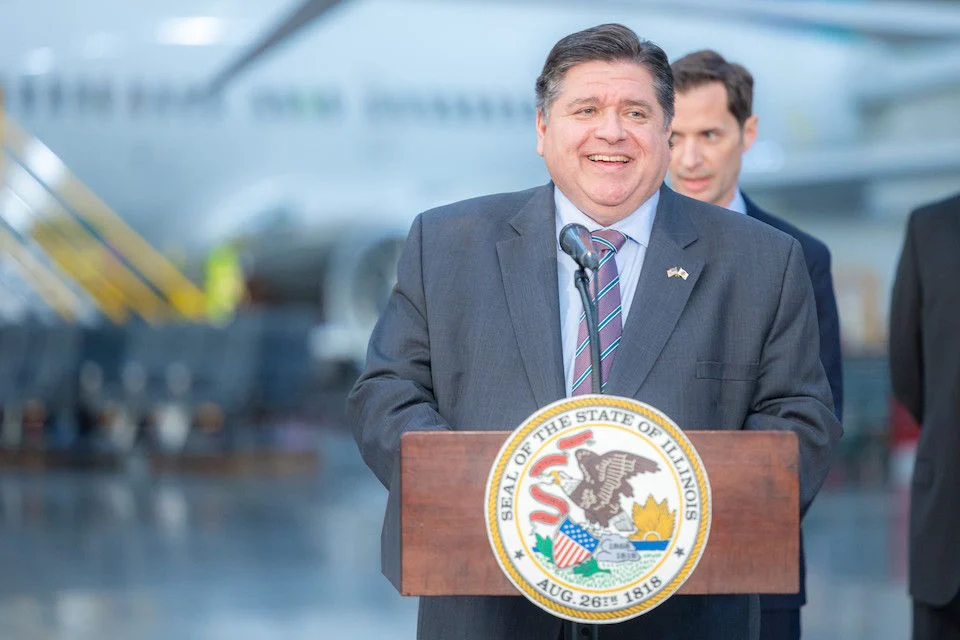
CHICAGO/WASHINGTON — June 25, 2026 — In a move designed to curb the proliferation of predatory lending in the digital age, Illinois Governor J.B. Pritzker signed landmark legislation today that mandates state licensure for "Buy Now, Pay Later" (BNPL) providers. The new law, which establishes comprehensive oversight of the industry, aims to shield consumers from hidden fees, debt cycles, and systemic disputes that have plagued the rapid-growth financial sector.
The legislation marks a significant turning point in consumer advocacy, positioning Illinois alongside California and New York as a leader in domestic financial regulation. As BNPL services shift from a niche retail convenience to a primary method of financing essential household expenses, the state’s intervention provides a critical framework for transparency and borrower protection.
The New Regulatory Landscape: Core Provisions
Under the newly enacted law, BNPL lenders operating within Illinois are now subject to strict regulatory oversight. The statute specifically targets "closed-end" loans—those featuring four or fewer installments or repayment terms of 120 days or less.
Key pillars of the legislation include:
- Mandatory Licensure: Lenders must be licensed by the state, bringing them under the regulatory umbrella of the Illinois Department of Financial and Professional Regulation.
- Transparent Disclosures: Companies are now legally obligated to provide clear, unambiguous disclosures regarding the total cost of credit, including any potential hidden charges.
- Dispute Resolution Standards: The law establishes formal mechanisms for consumers to seek redress when purchases are returned or items are never delivered—a recurring pain point in the BNPL ecosystem.
- Fee Caps and Regulation: The legislation aims to mitigate the impact of "junk fees" that often transform "zero-interest" loans into expensive, debt-trapping products.
Chronology of a Regulatory Shift
The path to this legislation was paved by a growing chorus of consumer advocates and a shifting economic landscape that saw BNPL usage skyrocket during the mid-2020s.
Early 2024: National Consumer Law Center (NCLC) reports identify an alarming trend: BNPL loans, initially marketed for luxury goods, are increasingly being used for essential household expenses, including groceries and rent.
Late 2024 – Early 2025: As the federal landscape shifted, including the political dismantling of the Consumer Financial Protection Bureau (CFPB), states began to take individual action. California pioneered the requirement for explicit licensure for BNPL providers, followed shortly by New York’s passage of the first comprehensive, state-level regulatory framework.
Spring 2026: Illinois State Senator Michael Hastings introduced the current bill (SB 3561) in the 104th General Assembly, citing the urgent need to fill the void left by federal deregulation.
June 25, 2026: Governor Pritzker signed the bill into law, effectively codifying protections for the state’s most vulnerable borrowers.
Supporting Data: Who Uses BNPL and Why?
The urgency of the Illinois legislation is underscored by the demographics of BNPL users. According to research from the NCLC, BNPL services are disproportionately utilized by individuals with subprime credit scores, specifically Black, Hispanic, female, and younger borrowers.
The "no-interest" marketing veneer often obscures the reality of the service. Many consumers find themselves trapped in a cycle of "repayment layering," where multiple BNPL loans are taken out to cover daily essentials. This practice often leads to:
- Overdraft Cascades: Because BNPL payments are often automated via linked debit cards, a failed payment can trigger substantial bank overdraft fees, further exacerbating the borrower’s financial instability.
- Debt Compounding: The ease of "one-click" credit at checkout encourages impulse spending, often leading consumers to overextend their budgets.
- The "Middleman" Dilemma: In cases of defective products or missing shipments, consumers frequently face a "blame-shifting" dynamic where the merchant blames the lender for the refund processing, and the lender refuses to cancel the debt until the merchant acknowledges the return.
Official Responses: Navigating the New Normal
The Advocate’s Perspective
Lauren Saunders, senior attorney at the National Consumer Law Center (NCLC), praised the Illinois legislature for their proactive stance. "Strong protections for Buy Now, Pay Later loans are important, especially as these loans are being used for everyday expenses like groceries and are being pitched for vital necessities such as rent," Saunders said.
She emphasized that the legislation is a necessary response to the broader political climate. "As Buy Now, Pay Later loans become ubiquitous, we’re pleased to see the Illinois legislature, led by Senator Michael Hastings, step up to fill gaps in federal and state protections, especially with the dismantling of the CFPB."
The Legislative Intent
Senator Michael Hastings and his colleagues argued that the bill is not designed to stifle innovation in the fintech sector, but rather to ensure that the "rules of the road" are applied to modern digital credit products just as they are to traditional credit cards and personal loans. The goal is to create a fair marketplace where consumers understand the cost of the credit they are consuming.
Implications: A Blueprint for the Nation
The Illinois law is expected to serve as a model for other state legislatures. With the NCLC actively publishing issue briefs that outline how states can adapt New York and Illinois-style protections, a "patchwork" of state-level regulation is beginning to coalesce into a national standard.
What Other States Should Consider
For states looking to replicate the success of the Illinois model, the NCLC outlines several "gold standard" priorities:
- Ability-to-Repay (ATR) Standards: Requiring lenders to actually assess whether a borrower has the income to pay back the loan, rather than simply authorizing credit based on merchant-led algorithms.
- Prohibition of Repeat Debiting: Preventing lenders from making repeated, aggressive attempts to withdraw funds from a consumer’s bank account, which often triggers multiple non-sufficient funds (NSF) fees.
- Linguistic Accessibility: Ensuring all credit documents and disclosures are provided in the borrower’s native language to ensure true informed consent.
- Holistic Coverage: Ensuring that all variants of BNPL—whether they are four-pay models or longer-term installment plans—are covered by the same regulatory scrutiny.
The Future of Consumer Credit
As of mid-2026, the retail sector stands at a crossroads. For years, BNPL companies argued that their products were not "credit" in the traditional sense, thereby avoiding the stringent regulations governing banks and credit card issuers. The Illinois law effectively ends this debate, reclassifying these digital services as the high-stakes financial products they are.
While the industry may face short-term friction as it adapts to licensure and reporting requirements, the long-term implication is a more sustainable credit market. By forcing transparency and mandating fair dispute practices, Illinois has signaled that convenience should not come at the expense of consumer rights.
The success of this legislation will be measured in the coming years by a potential reduction in consumer debt distress and a decline in the predatory practices that have, until now, defined much of the BNPL expansion. As the financial world watches, the question remains: will the rest of the nation follow suit, or will consumers in less-regulated states remain at risk?
For now, the message from Springfield is clear: The "no-strings-attached" era of Buy Now, Pay Later is over.