








By PYMNTS | July 3, 2026
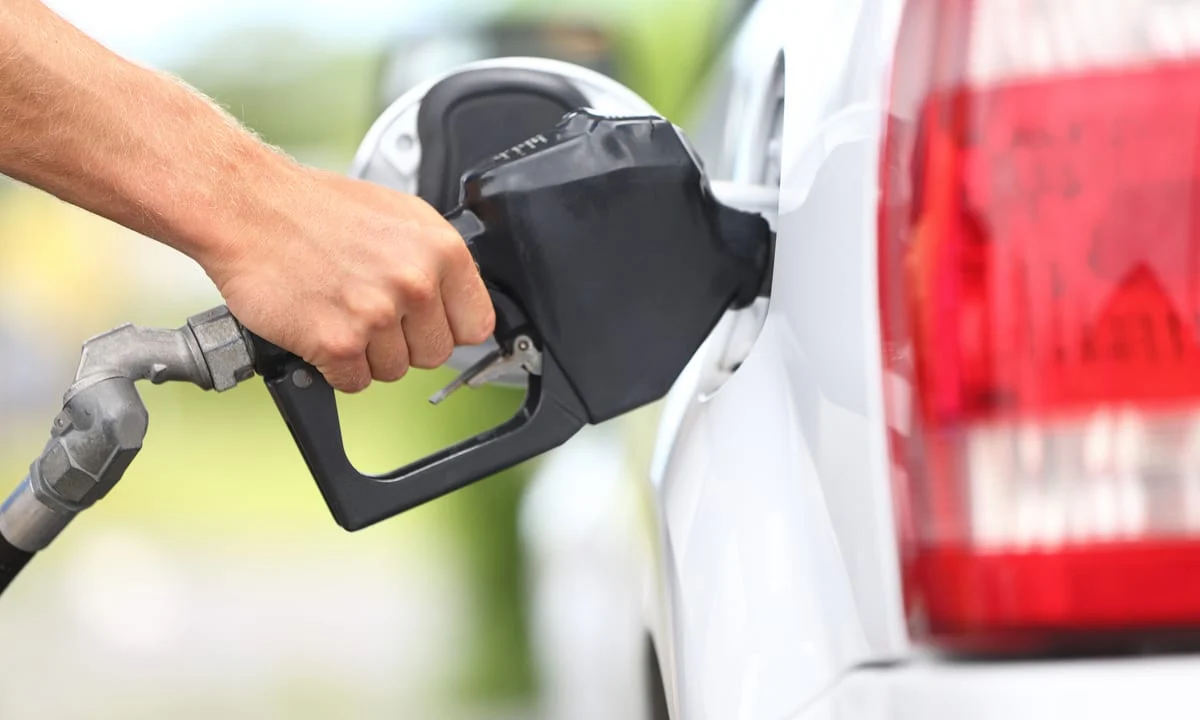
As millions of Americans prepare to hit the road for the Fourth of July holiday, the national fuel landscape presents a complex portrait of economic resilience. While drivers are encountering the highest gas prices for an Independence Day weekend in four years, a steady downward trend in fuel costs over the past month has provided a much-needed psychological and financial buffer for travelers.
According to data released by AAA on July 2, 2026, the national average for a gallon of regular gasoline stood at $3.838. While this figure marks a significant increase from the $3.172 average recorded during the same period last year, it represents a substantial cooling-off from the volatility experienced earlier this spring.
The Main Facts: Navigating a Costly Summer
The current state of the fuel market is defined by a dichotomy: elevated year-over-year costs coupled with a recent, welcome decline in pricing pressure. For the average American consumer, the transition from the mid-May peak of $4.56 per gallon to the current sub-$4.00 levels has been a critical factor in holiday planning.
Despite the persistent weight of higher fuel costs compared to 2025, the desire for travel remains undeterred. AAA projections indicate a record-setting travel period for the Fourth of July window, spanning from June 27 through July 5. An estimated 72.2 million Americans are expected to venture at least 50 miles from their homes, surpassing the previous record of 71.8 million set just last year.
Of that massive cohort, approximately 61.4 million travelers are expected to choose the convenience of the open road over the complexities of air travel. Even with gas prices sitting at a four-year holiday high, the cost-benefit analysis for many families still heavily favors the personal vehicle, particularly as airline ticket prices remain sensitive to shifting demand.
Chronology: The Road to July 2026
The trajectory of gas prices leading up to this Independence Day has been anything but linear. To understand the current climate, one must look at the recent volatility that defined the first half of 2026:
- Early Spring (May 2026): The market faced intense upward pressure, culminating in a seasonal peak of $4.56 per gallon on May 12. This period was marked by heightened geopolitical anxiety and concerns regarding global supply chains.
- Late May to Early June: As the market began to stabilize, the downward trend commenced. By the beginning of June, the gradual decline in prices began to reflect in consumer sentiment surveys.
- Mid-June: The national average showed consistent movement toward the $4.00 threshold, offering the first signs of relief to motorists planning summer excursions.
- Late June to July 2: Prices continued to recede from the $3.918 average observed just one week prior to the holiday, settling at $3.838. This cooling trend has been identified as a key driver in the sustained volume of holiday travel.
Supporting Data: Consumer Sentiment and Economic Indicators
The relationship between fuel prices and consumer behavior is deeply psychological. Data from the University of Michigan’s Surveys of Consumers highlights a direct correlation between moderating gas prices and an uptick in public optimism.
Joanne Hsu, Director of the Surveys of Consumers, noted that the index rose approximately 10% above May levels by the end of June. "Consumer sentiment confirmed its early-month reading, rising about 10% above May as gas prices moderated," Hsu stated. "Increases were seen across income, wealth, and political affiliation," suggesting that the relief at the pump is a broad-based economic phenomenon that transcends demographic lines.
This recovery in sentiment is particularly noteworthy when compared to May 2026, a month that saw the Index of Consumer Sentiment collapse to a record low in its 73-year history. The primary culprits behind that collapse were acute anxieties regarding fuel inflation and international instability in the Middle East. As those fears began to dissipate in June, consumer confidence followed suit.
The Conference Board’s June 30 report further validates this trend. Chief Economist Dana M. Peterson observed that consumer confidence inched upward throughout the month. The report noted that while consumers are still acutely aware of price tags, the frequency of mentions regarding oil and gas in survey responses has begun to wane, providing "some relief to consumer inflation fears."
Official Responses and Expert Analysis
Industry experts emphasize that the visibility of gas prices makes them a unique barometer for the "vibe" of the American economy. Unlike the incremental, often invisible increases in grocery store pricing, the fluctuations at the fuel pump are immediate and visceral.
Laurel Harbridge-Yong, a political science professor at Northwestern University, articulated this phenomenon in a recent analysis by Bloomberg. "When you think about your grocery bill, it’s maybe slowly inching up, but you don’t have the same visceral reaction that you do of, ‘Wow, a month ago I could fill my tank for $40 and now it’s $60,’" Harbridge-Yong explained.
This visceral reaction is what makes the recent price decline so impactful for policymakers and retailers alike. The ability to "fill the tank" for less than the peak costs of May provides consumers with a sense of agency that supports discretionary spending elsewhere in the economy during the holiday weekend.
Implications: The Macro-Economic Outlook
The implications of these trends extend far beyond the convenience of a holiday road trip. The behavior of 61.4 million drivers over the July 4th weekend serves as a microcosm for the broader U.S. economy.
1. The Resilience of Consumer Spending
The fact that Americans are traveling in record numbers despite higher-than-average fuel prices suggests a resilient consumer base. Households appear to have factored in the increased cost of transportation and have adjusted their budgets accordingly, prioritizing the holiday experience over total fuel savings.
2. Inflationary Expectations
The moderation of gas prices is a critical component in the ongoing battle against inflation. As energy costs represent a significant portion of household expenditures, the cooling trend in oil prices acts as a natural stabilizer, preventing inflation expectations from becoming unanchored. If prices continue to remain below the $4.00 mark, it could signal a sustained period of improved consumer purchasing power through the remainder of the summer.
3. Geopolitical Vulnerability
Despite the current relief, the volatility of the last six months serves as a stark reminder of the market’s sensitivity to global events. The correlation between the conflict in the Middle East and domestic gas prices remains a significant vulnerability. Future fluctuations will likely depend on the stability of global supply chains and the continued effectiveness of energy market responses to geopolitical stressors.
4. The Future of Road Travel
The sustained preference for driving over flying—despite the costs—highlights a shift in travel habits. With airports facing ongoing logistical challenges and airfare pricing remaining complex, the personal vehicle remains the preferred mode of transport for domestic leisure travel. This trend reinforces the importance of fuel infrastructure and pricing for the hospitality and retail sectors, which rely heavily on the mobility of the American public.
Conclusion
As Americans celebrate the Fourth of July, the narrative surrounding the economy is shifting from one of crisis to one of cautious stabilization. While the national average of $3.838 per gallon is undeniably higher than in years past, the trajectory is moving in a direction that supports both travel and economic confidence.
For the record-breaking 72.2 million Americans embarking on their journeys, the cooling of gas prices is more than just a line item on a budget; it is a catalyst for the summer season. As the country looks toward the remainder of the year, the stability of these fuel costs will remain a central pillar in the broader effort to maintain economic momentum and keep consumer sentiment on an upward path.