







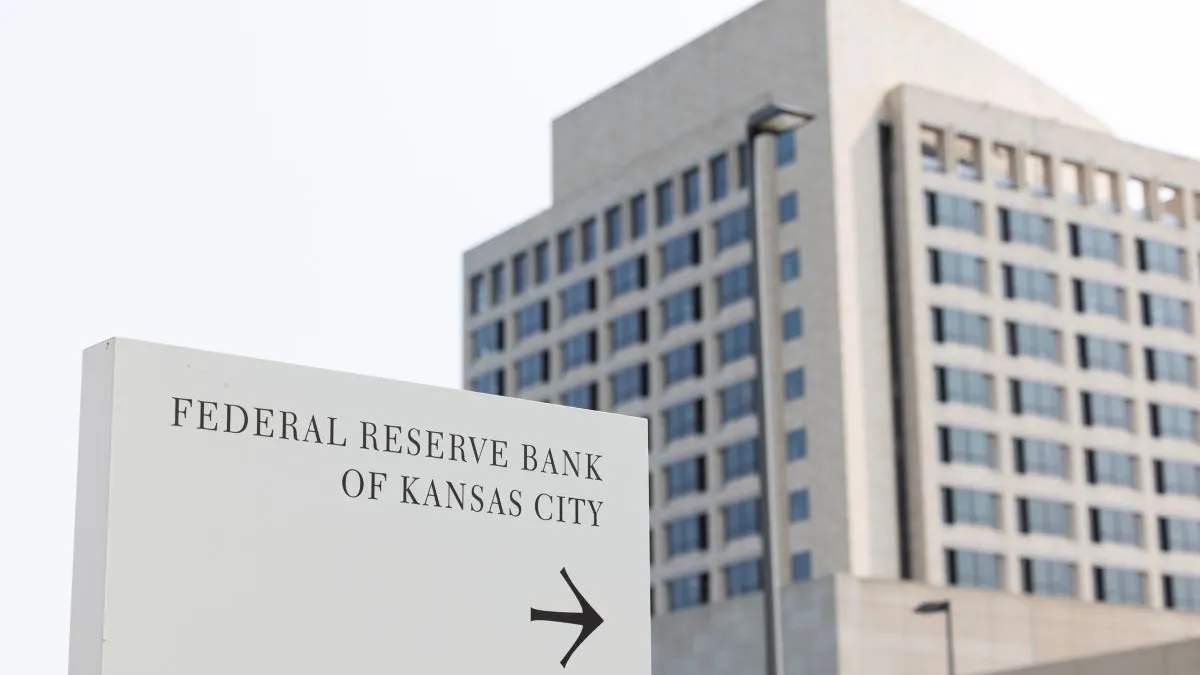
LENEXA, KANSAS — In a move that signals a critical escalation of regulatory oversight, the Federal Reserve has issued a "prompt corrective action directive" against Small Business Bank, a community lender headquartered in Lenexa, Kansas. The directive, made public following a determination that the bank is "significantly undercapitalized," gives the institution a 30-day window to rectify its financial standing or face the possibility of a forced sale or closure.
This latest enforcement action marks a dramatic turning point for the bank, which has been under the regulatory microscope for several years. The Federal Reserve’s order mandates that the lender must immediately seek to increase its equity through the issuance of additional shares, find a suitable merger partner, or implement "other necessary measures" to restore its capital levels to an adequate threshold.
The Core Mandate: A 30-Day Race Against Time
The prompt corrective action (PCA) directive is one of the most stringent tools in the Federal Reserve’s regulatory arsenal. It is typically reserved for institutions whose capital ratios have fallen dangerously below the regulatory minimums required to ensure the safety and soundness of the banking system.
According to the Federal Reserve’s filing, Small Business Bank was officially deemed "significantly undercapitalized" as of June 18, 2026. Under the terms of the directive, the bank is now subject to severe operating restrictions. Most notably, the lender is prohibited from soliciting or accepting new deposit accounts without express written approval from the Federal Reserve. This restriction is designed to prevent the bank from increasing its liabilities while its capital base remains insufficient to support its existing risk profile.
Furthermore, the bank must submit a comprehensive capital restoration plan within the 30-day timeframe. This plan must detail exactly how the bank intends to raise the necessary funds to meet "adequately capitalized" standards. If the bank fails to submit an acceptable plan or fails to implement it effectively, the regulatory authorities have the power to take further drastic measures, which could include the appointment of a receiver.
A Chronology of Regulatory Friction (2023–2026)
The current crisis at Small Business Bank is not an isolated incident but rather the culmination of a multi-year struggle with federal regulators. To understand the gravity of the bank’s current position, one must look at the sequence of enforcement actions that have plagued the institution since 2023.
2023: The First Warning Signs
In 2023, the Federal Reserve first signaled alarm regarding the bank’s internal operations. At that time, examiners cited a wide array of "deficiencies" that suggested systemic weaknesses. These included:
- Inadequate Staffing: A lack of qualified personnel in key risk-management roles.
- Weak Internal Controls: Failure to maintain proper "checks and balances" in financial reporting and operations.
- Credit Risk Management: Poor oversight of the bank’s loan portfolio, raising concerns about potential future losses.
- IT and Third-Party Risk: Deficiencies in the bank’s technology infrastructure and its management of external vendors.
2024: Compliance Failures
While the bank attempted to address the 2023 findings, a follow-up examination in 2024 revealed "new and continuing deficiencies." This time, the focus shifted to the bank’s legal and regulatory compliance. The Fed hit the bank with enforcement actions related to the Bank Secrecy Act (BSA) and Anti-Money Laundering (AML) protocols.
In the modern banking environment, AML compliance is non-negotiable. Regulators found that Small Business Bank lacked the robust systems required to monitor suspicious transactions and prevent financial crimes. These persistent failures indicated a management team that was unable to keep pace with the evolving regulatory landscape.
2026: The Capital Crisis
The transition from operational and compliance issues to a "significantly undercapitalized" status suggests that the bank’s underlying financial health has deteriorated rapidly over the first half of 2026. While the 2023 and 2024 actions were focused on how the bank was run, the 2026 directive focuses on whether the bank has the money to survive.
Supporting Data: The Mystery of the Missing Capital
One of the most perplexing aspects of the Federal Reserve’s directive is the discrepancy between the bank’s public financial filings and the Fed’s recent determination.
As of April 30, 2026, Small Business Bank’s last call report indicated a Common Equity Tier 1 (CET1) capital ratio of approximately 14%. In the world of banking, a CET1 ratio of 14% is generally considered "well-capitalized"—well above the 6.5% to 7% typically required for community banks to be seen as healthy.

The sudden shift from a 14% ratio in April to being "significantly undercapitalized" in June suggests one of several possibilities:
- Massive Asset Write-Downs: The bank may have been forced to recognize significant losses on its loan portfolio or investment securities that occurred between May and June.
- Regulatory Adjustments: Federal examiners may have reclassified the bank’s assets, determining that they were far riskier than the bank’s internal models suggested, thereby lowering the capital ratio.
- Unforeseen Liabilities: The bank may have faced a sudden legal settlement or a catastrophic operational loss that depleted its equity.
- Deposit Outflows: While capital ratios are a percentage of risk-weighted assets, a sudden flight of deposits can trigger liquidity crises that force regulators to re-evaluate the bank’s solvency.
The Federal Reserve has not publicly detailed the specific losses that led to the "significantly undercapitalized" designation, but the speed of the decline suggests a severe and sudden shock to the bank’s balance sheet.
Official Responses and Stakeholder Silence
As of the publication of the directive, the leadership of Small Business Bank has remained largely silent. A representative for the bank did not immediately respond to requests for comment regarding the 30-day deadline or the plan to seek a buyer.
Silence from bank management in these scenarios is common, as they are often under strict "gag orders" or are preoccupied with emergency negotiations with potential investors. However, the lack of a public statement does little to reassure the bank’s existing customers in Lenexa and the surrounding Johnson County area.
The Federal Reserve, true to its protocol, has declined to provide further commentary beyond the text of the directive itself. The Fed’s primary goal is to maintain the stability of the financial system, and its public communications are carefully calibrated to prevent widespread panic while ensuring that the bank’s management is held accountable.
Broader Implications for the Banking Sector
The trouble at Small Business Bank comes at a sensitive time for the U.S. banking industry. While larger "too big to fail" institutions have remained resilient, smaller community banks are facing a "perfect storm" of economic pressures.

1. The Credit Crunch for Small Businesses
As the name suggests, Small Business Bank focuses on lending to entrepreneurs and local firms. If the bank is forced to halt lending or is liquidated, it could create a credit vacuum in the Lenexa region. Small businesses often rely on personal relationships with local bankers; if those banks disappear, obtaining capital becomes significantly harder and more expensive.
2. Regulatory Scrutiny on "Repeat Offenders"
The Federal Reserve’s decision to move to a PCA directive after three years of issues highlights a decreasing tolerance for "repeat offenders." Regulators are increasingly unwilling to allow banks to operate under "memorandums of understanding" or "consent orders" for extended periods without seeing tangible results. Small Business Bank’s inability to fix its 2023 deficiencies likely emboldened the Fed to take this more aggressive stance.
3. The Future of Community Banking
This case serves as a cautionary tale for other community banks. With the rise of fintech and the increasing costs of regulatory compliance (especially in IT and AML), small banks are finding it harder to maintain the margins necessary to build a strong capital cushion. The ultimatum given to Small Business Bank—to "find a buyer"—may be the eventual fate for many small lenders who cannot keep up with the scale required in the modern era.
4. FDIC Intervention Risks
If Small Business Bank fails to raise capital or find a merger partner within 30 days, the Federal Deposit Insurance Corporation (FDIC) will likely be called in. While deposits are insured up to $250,000, a bank failure is always a disruptive event. The cost of such a failure would be borne by the Deposit Insurance Fund, which is funded by premiums paid by other banks.
Conclusion: A Precarious Path Forward
Small Business Bank now stands at a crossroads. The 30-day clock is ticking, and the options are limited. The bank’s management must now decide whether they can convince investors to inject fresh capital into a troubled institution or whether the time has come to surrender their independence and seek a merger with a larger, more stable competitor.
For the regulators at the Federal Reserve Bank of Kansas City, the goal remains clear: protect the depositors and ensure that the bank’s problems do not spill over into the broader regional economy. Whether through a successful capital raise or a quiet acquisition, the "Small Business Bank" as it has existed since 2023 is likely coming to an end. The next month will determine whether that end is a controlled transition or a chaotic closure.