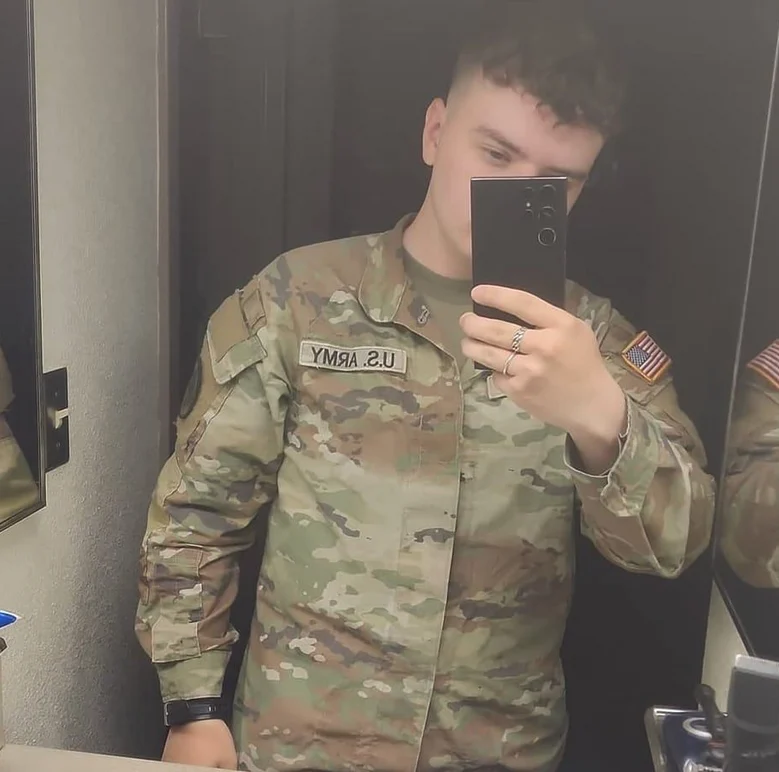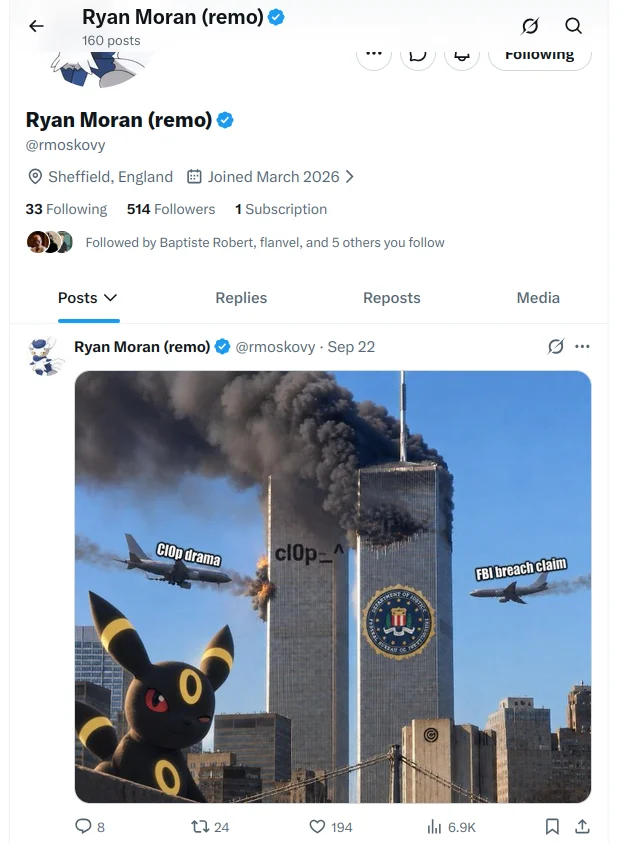









In a landmark development for international cybersecurity, two core members of the notorious cybercrime collective "Scattered Spider" have pleaded guilty in a United Kingdom court. The pair, Thalha Jubair and Owen Flowers, stood at the center of a criminal enterprise that brought major infrastructure to its knees and orchestrated some of the most sophisticated phishing campaigns in recent history. Their guilty pleas, entered on the first day of what was slated to be a high-profile six-week trial, mark a significant turning point in the global effort to dismantle one of the most prolific ransomware groups operating today.
The London Collapse: A Turning Point
The criminal proceedings stem from a devastating August 2024 cyberattack against Transport for London (TfL), the body responsible for managing the capital’s sprawling public transit network. The breach crippled ticketing systems, disrupted real-time travel updates, and sent shockwaves through the Greater London area.
Thalha Jubair, 20, of East London, and 18-year-old Owen Flowers, of Walsall, admitted to conspiring to commit unauthorized acts against TfL’s computer systems. Crucially, they acknowledged that their actions posed a risk of "serious damage to human welfare"—a legal admission that underscores the potential real-world consequences of modern cyber-warfare. Flowers further admitted to his role in a separate conspiracy to infiltrate U.S.-based healthcare giants, including SSM Health Care Corporation and Sutter Health, during the autumn of 2024.
A Chronicle of Digital Mayhem
To understand the gravity of the charges against Jubair and Flowers, one must look at the timeline of their rise from teenage hackers to international fugitives.
The Rise of "Star Chat" and SIM Swapping (2022)
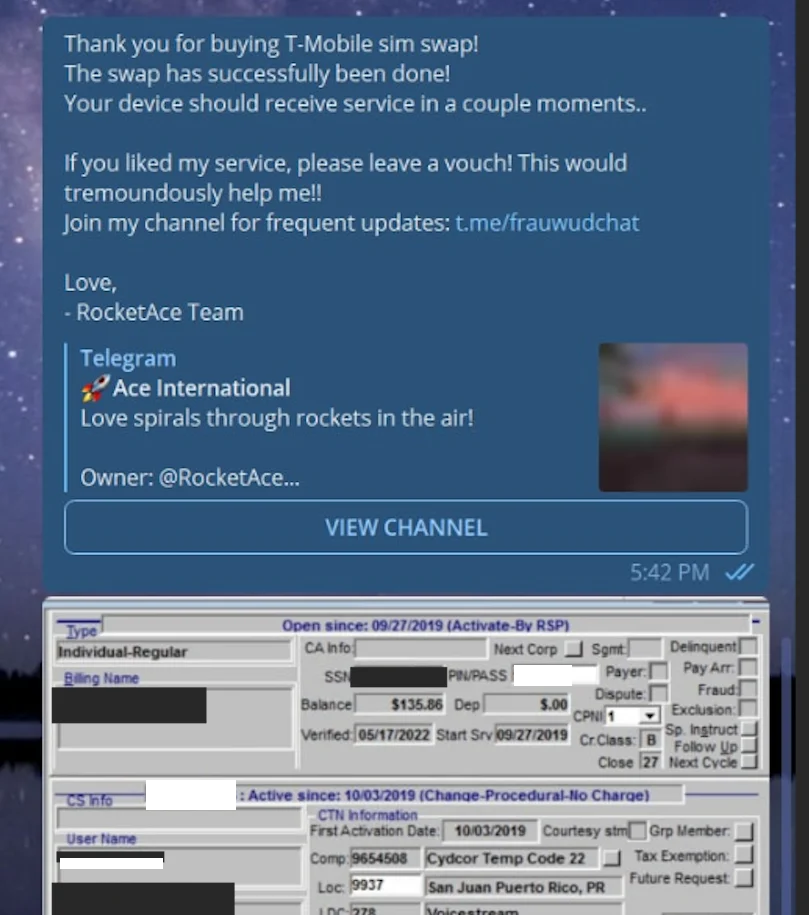
Long before the TfL attack, Jubair was a central figure in the underground economy. He co-ran "Star Chat," a Telegram channel dedicated to SIM-swapping—a technique where attackers hijack a victim’s phone number to intercept one-time authentication codes. By compromising internal systems at major wireless carriers in both the U.S. and the U.K., the group sold access to intercept calls and texts, effectively bypassing multi-factor authentication (MFA) for high-value targets.
The Great SMS Phishing Spree (2022–2023)
In the summer of 2022, Jubair and his associates launched a mass SMS phishing campaign that targeted employees at hundreds of major organizations. This operation was not merely opportunistic; it was systematic. The credentials harvested during this period facilitated intrusions at over 130 high-profile entities, including LastPass, DoorDash, Mailchimp, Plex, and Signal.
The Casino Attacks and Media Infamy (2023)
By September 2023, the group’s ambitions grew. They executed a series of ransomware attacks against Las Vegas icons MGM Resorts and Caesars Entertainment. Sources familiar with the investigation have identified Owen Flowers as the individual who acted as the group’s voice, granting anonymous media interviews to mock the authorities and discuss the chaos caused by the group’s ransomware deployments.
Continued Escalation (2024–2025)
The scope of their activities expanded to include British retail titans such as Marks & Spencer, Harrods, and the Co-op Group. By September 2025, U.S. prosecutors in New Jersey unsealed an indictment alleging that Scattered Spider members had been involved in at least 120 network intrusions, resulting in a staggering $115 million in ransom payments across 47 U.S. entities.

Supporting Data: The Anatomy of the Syndicate
The reach of Scattered Spider is evidenced by the sheer volume of assets and victim data they touched. The U.S. Department of Justice (DOJ) has documented that the group’s activities were characterized by a mix of high-tech social engineering and brute-force ransomware tactics.
Key Operatives and Their Specialized Roles
- Thalha Jubair: Beyond the TfL attack, Jubair utilized the alias "Rocket Ace." His history includes acting as "Everlynn" at age 15, where he sold fraudulent "emergency data requests" (EDRs). By compromising police and government email accounts, he coerced tech companies into turning over private user data under the guise of life-or-death urgency.
- Owen Flowers: Known for his public-facing role, Flowers was the bridge between the group’s technical execution and its psychological warfare against corporate victims.
- Tyler "Tylerb" Buchanan: A 24-year-old British national, Buchanan pleaded guilty in April 2026 to wire fraud conspiracy. He was a linchpin in the 2022 SMS phishing spree, helping to funnel at least $8 million in stolen cryptocurrency.
- Noah Michael Urban: A Florida-based associate, Urban was sentenced to 10 years in federal prison in August 2025. His case remains a benchmark for the penalties associated with the group’s activities.
Official Responses and Legal Implications
The collaboration between the U.K.’s National Crime Agency (NCA) and the U.S. Department of Justice has been pivotal. The transnational nature of the crimes—which involved U.K.-based actors targeting U.S. healthcare and critical infrastructure—required an unprecedented level of intelligence sharing.
The Stance of Law Enforcement
U.S. prosecutors remain steadfast in their pursuit of the remaining members of the syndicate. Three other individuals named in the same indictment as Buchanan—Ahmed Hossam Eldin Elbadawy, Evans Onyeaka Osiebo, and Joel Martin Evans—continue to face charges. The DOJ has emphasized that these cases serve as a warning: the anonymity provided by the dark web and encrypted messaging apps is not a shield against determined international prosecution.
The Impact on Cybersecurity Policy
The TfL attack and the subsequent convictions have triggered a policy debate regarding "Critical Infrastructure Resilience." The ability of a group of young hackers to paralyze a major city’s transportation network has led to renewed calls for stricter oversight of third-party vendors and more robust verification processes for employee credentials. The "Star Chat" model of using compromised mobile carrier access to bypass MFA has also forced a industry-wide re-evaluation of how corporations verify the identity of their staff.
The Road Ahead
While Jubair and Flowers are scheduled to be sentenced in a London court on July 15, 2026, the ripple effects of their activities will be felt for years. The $115 million in ransom payments highlights a systemic failure in how organizations are incentivized to pay attackers rather than invest in long-term defensive infrastructure.
As the legal net tightens around the remaining Scattered Spider members, the industry remains focused on the evolving tactics of these digital syndicates. The shift from "script kiddies" to sophisticated, multi-national criminal enterprises has forever changed the landscape of the threat environment. The convictions in London are a vital victory, but they also serve as a reminder that the war against organized cybercrime is an ongoing, high-stakes battle of attrition.
For the victims—from the passengers stranded in London to the healthcare patients whose data was compromised—the guilty pleas offer a measure of closure. For the cybersecurity community, they provide a roadmap for the tactics, techniques, and procedures (TTPs) of an adversary that once seemed untouchable. As the sentencing date approaches, the focus shifts to the broader question: how can the global community better protect its essential services from the next generation of digital insurgents?