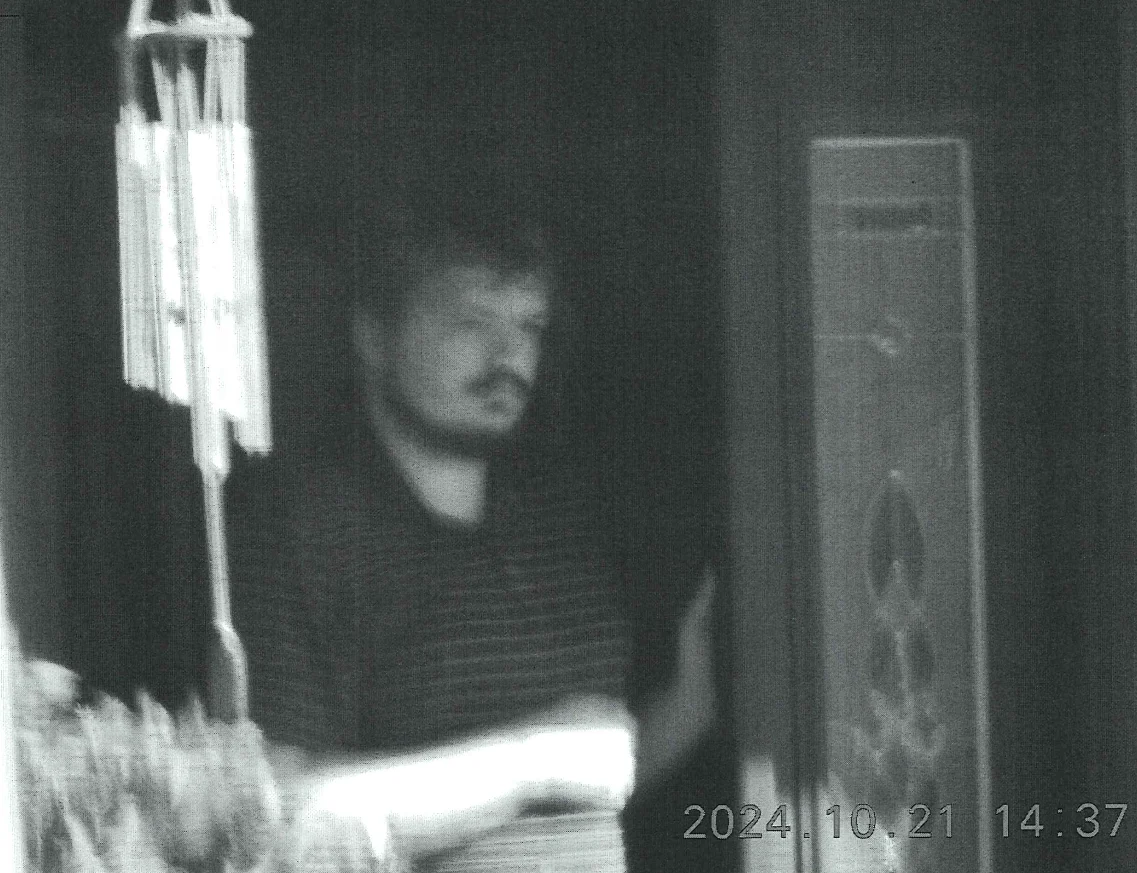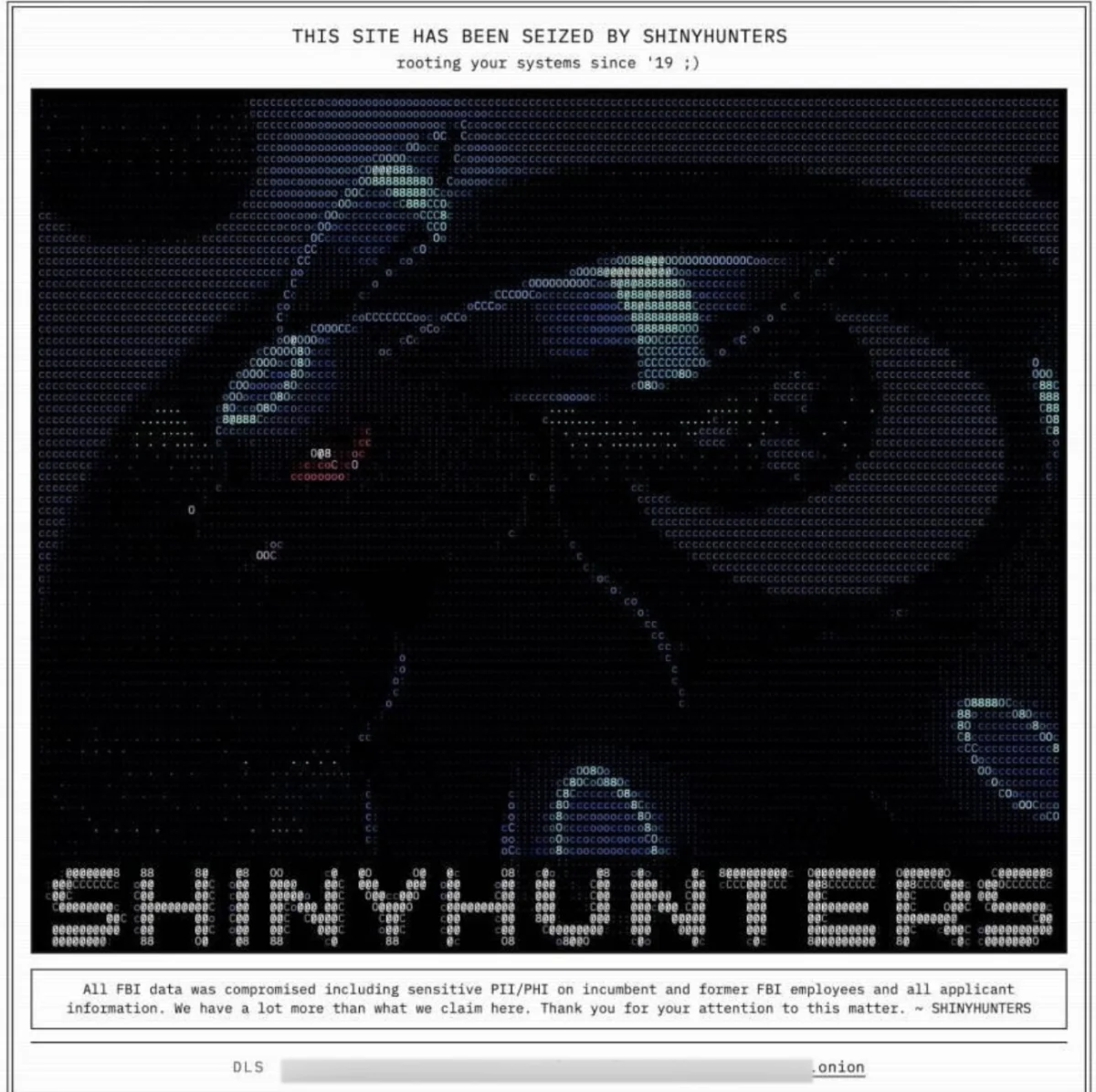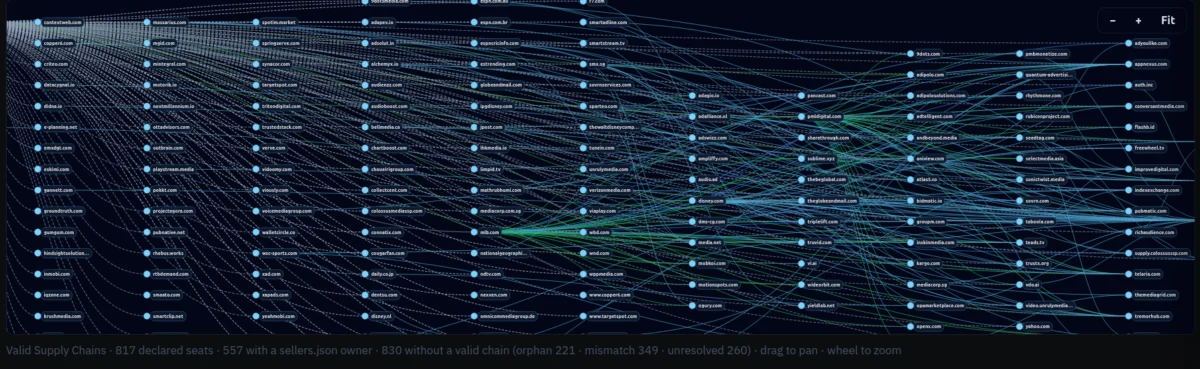









In a landmark victory for international law enforcement, a 23-year-old Ottawa resident, Jacob Butler—known in the shadowy corners of the internet by the handle "Dort"—was arrested this week on charges of masterminding "Kimwolf," a formidable Internet-of-Things (IoT) botnet responsible for a wave of record-breaking cyberattacks that have plagued global networks for the past six months.
The arrest, executed by the Ontario Provincial Police (OPP) pursuant to a U.S. extradition warrant, marks the culmination of an extensive investigation involving the U.S. Department of Justice (DOJ), the FBI, and international partners. Butler now faces severe criminal charges in both Canada and the United States, effectively ending a reign of digital terror that saw him allegedly hijack millions of devices to launch unprecedented distributed denial-of-service (DDoS) attacks.
A Chronology of Chaos: From Malware to Mugshots
The saga of the Kimwolf botnet began with the silent exploitation of mundane household electronics. Unlike traditional botnets that target servers or personal computers, Kimwolf was specifically engineered to compromise "firewalled" IoT devices—digital photo frames, web cameras, and smart appliances that users mistakenly believed were secure behind their home routers.
The Rise of Kimwolf
Between late 2025 and early 2026, Kimwolf grew at an exponential rate, rapidly enslaving millions of vulnerable devices. By early 2026, the botnet had become a weaponized commodity. Butler did not merely use these devices for his own ends; he allegedly rented the botnet’s massive computing power to other cybercriminals, creating a "DDoS-for-hire" ecosystem that allowed bad actors to cripple businesses, government infrastructure, and private individuals with the click of a button.
Unmasking "Dort"
The investigative trail began to warm up in February 2026, when independent security journalist Brian Krebs, writing for KrebsOnSecurity, published a detailed dossier unmasking Butler as the operator behind the Dort handle. By meticulously analyzing email addresses, forum registrations, and digital breadcrumbs left across Telegram and Discord, researchers were able to link the pseudonym to the Ottawa resident.
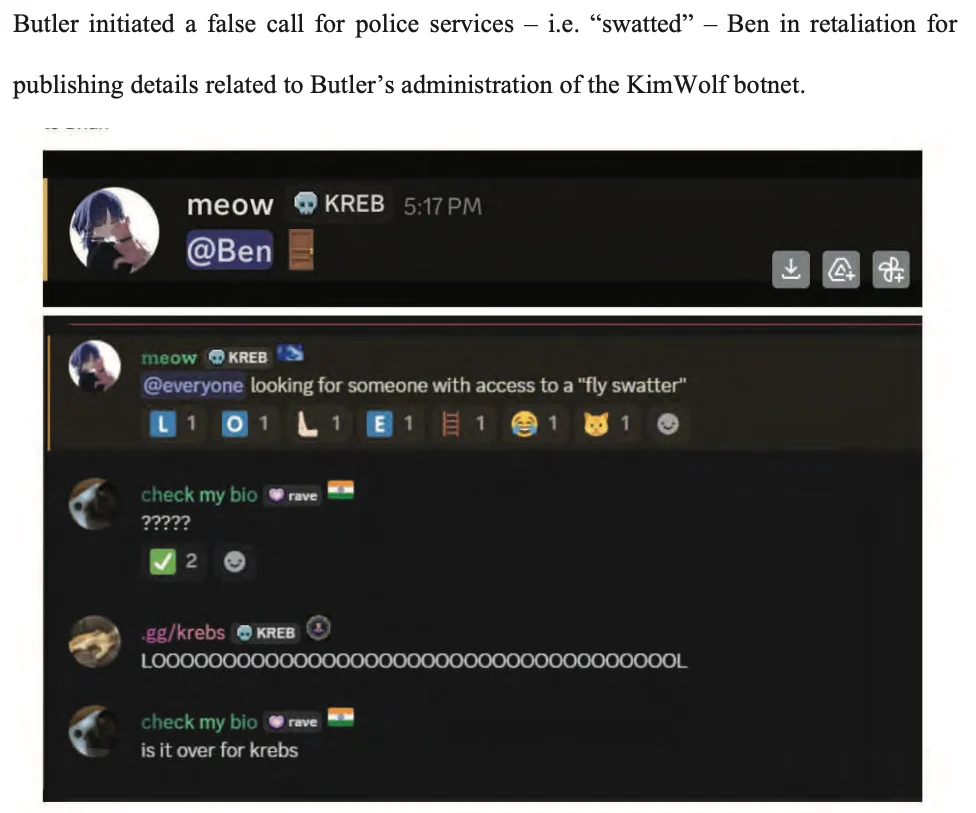
Rather than retreating, the suspect responded with a campaign of retaliation. He launched a series of DDoS attacks, doxing attempts, and "swatting" operations—the dangerous act of tricking law enforcement into responding to a false emergency at a target’s home—against those who had dared to expose his identity.
The Turning Point
On March 19, 2026, the walls began to close in. International law enforcement agencies launched a coordinated strike, seizing the technical infrastructure behind Kimwolf and three competing botnets: Aisuru, JackSkid, and Mossad. These four entities had been locked in a fierce, aggressive competition for the same pool of vulnerable IoT devices. During this operation, the OPP executed a search warrant at Butler’s Ottawa residence, seizing a cache of digital devices that would eventually provide the evidence necessary for his arrest.
The Scope of the Destruction: Record-Breaking Impact
The damage caused by the Kimwolf botnet is not merely theoretical. According to the U.S. Department of Justice, the botnet was responsible for traffic surges that reached an staggering 30 Terabits per second—a figure that shattered previous records for DDoS attack volume.
Infrastructure and Financial Toll
The impact was felt far beyond simple website downtime. The botnet’s reach extended to critical infrastructure, including Internet address ranges associated with the U.S. Department of Defense. This breach triggered an immediate investigation by the Defense Criminal Investigative Service (DCIS), underscoring the severity of the threat.
Victims of these attacks reported staggering financial losses, with some individual entities suffering damage exceeding $1 million. In total, the Justice Department estimates that the Kimwolf botnet issued over 25,000 distinct attack commands, each representing a deliberate effort to knock a service or business offline.
The "Dort" Retaliation
Perhaps the most personal aspect of the investigation involved Ben Brundage, the founder of the security startup Synthient. Brundage’s firm had been instrumental in identifying a critical vulnerability that Kimwolf relied on for its rapid propagation. By helping to patch this security gap, Brundage became a primary target for Butler.
The criminal complaint unsealed in Alaska reveals that Butler personally ordered swatting attacks against Brundage. For the security community, the arrest is not just a win against a botnet operator; it is a significant reprieve from the targeted harassment that has become an occupational hazard for those working to secure the internet. "Hopefully this will end the harassment," Brundage remarked following the news of the arrest.
Official Responses and Legal Implications
The legal machinery now moving against Butler is substantial. In Canada, he faces charges including unauthorized use of a computer, possession of devices to commit mischief, and mischief in relation to computer data.
The U.S. Case
In the United States, the Alaska district court has unsealed a criminal complaint charging Butler with one count of aiding and abetting computer intrusion. The DOJ’s strategy is clear: they intend to hold the defendant accountable for the cross-border nature of his activities. If extradited, Butler faces a maximum sentence of 10 years in a U.S. federal prison. Legal experts note, however, that his ultimate sentence will likely be tempered by factors such as his youth, his lack of a prior criminal record, and the level of cooperation he provides to investigators as the case proceeds.
A Global Crackdown
The arrest of Butler is part of a much broader, ongoing global effort to dismantle the "DDoS-for-hire" industry. In April, the U.S. Justice Department, working in conjunction with European authorities, seized the domain names of nearly four dozen services that provided paid DDoS capabilities. Many of these services were found to have worked in tandem with the Kimwolf botnet, utilizing its massive device pool to fulfill requests for their clients.
Implications for the Future of Cybersecurity
The Kimwolf case serves as a grim case study on the fragility of the modern "smart" home. As the world continues to integrate internet-connected devices into every facet of daily life—from kitchen appliances to security cameras—the Kimwolf model provides a template for future attacks.
The "Default Password" Problem
The vulnerability exploited by Butler was, at its core, a failure of basic security hygiene. Many of the devices enslaved by Kimwolf were easily accessible because they were deployed with default credentials or unpatched firmware. The ease with which "Dort" turned these consumer devices into a 30-terabit weapon highlights the urgent need for manufacturers to prioritize security by design.
A Warning to "Script Kiddies"
Butler’s undoing was ultimately his own lack of operational security. By failing to effectively separate his online persona from his real-world identity, and by engaging in petty harassment campaigns, he provided investigators with the evidence they needed to build an ironclad case. For other aspiring "botmasters," the message is clear: the cloak of anonymity provided by forums and encrypted messaging apps is thinner than it appears.
As Jacob Butler awaits his initial court hearing, the cybersecurity community remains vigilant. While the fall of Kimwolf is a significant victory, the infrastructure of cybercrime remains adaptive. The collaborative effort between the FBI, the OPP, and private firms like Synthient demonstrates that the most effective defense against modern botnets is a combination of technical innovation, cross-border legal cooperation, and the tireless persistence of researchers who refuse to be intimidated.