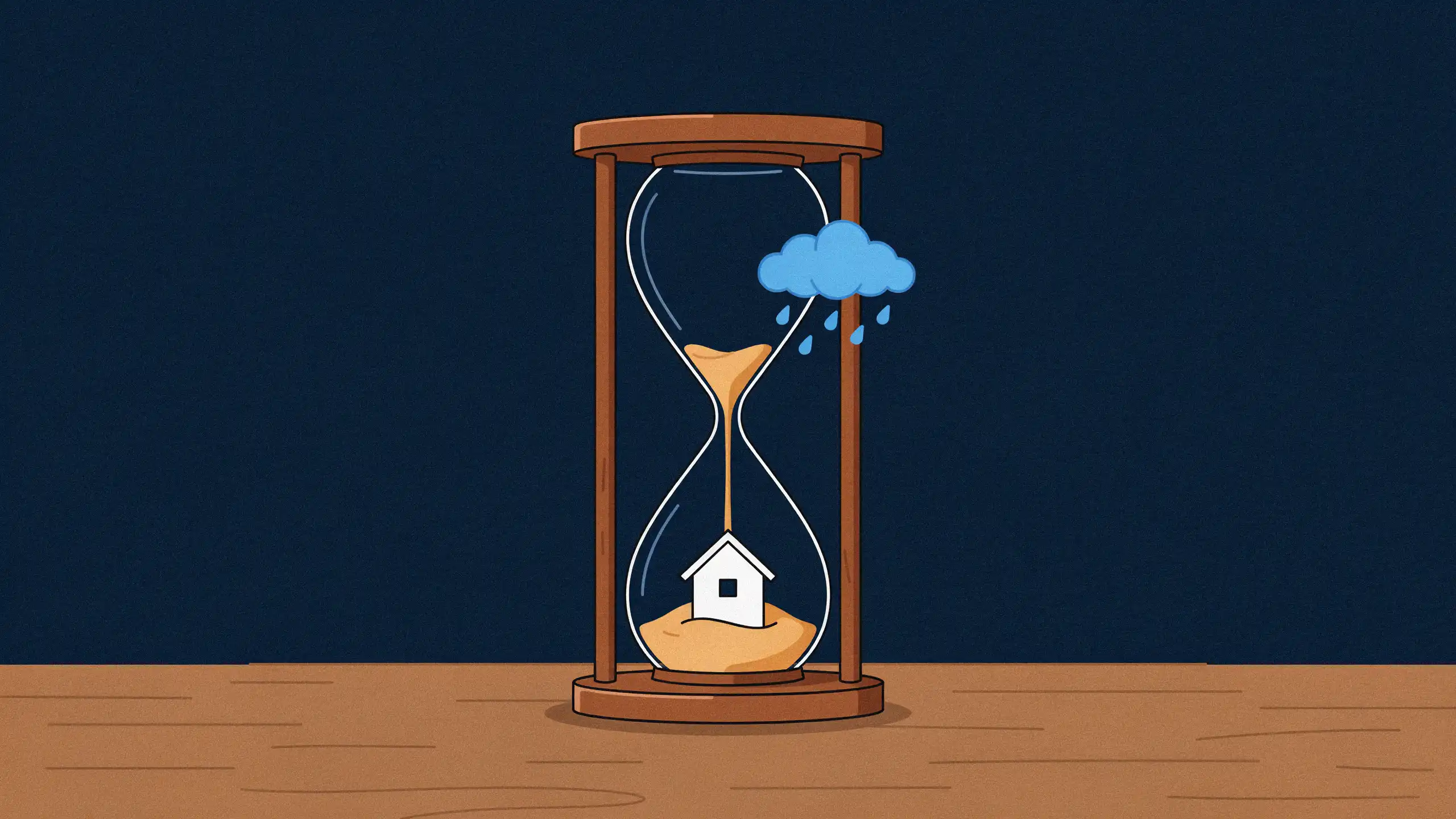










In an era of unpredictable global travel, the traditional safety net of standard travel insurance is often no longer enough. Whether it is a sudden shift in geopolitical stability, a last-minute change of heart, or a personal financial pivot, modern travelers are increasingly seeking the "gold standard" of trip protection: Cancel for Any Reason (CFAR) insurance.
While the concept of "any reason" implies total freedom, the reality is a complex landscape of specific timelines, partial reimbursements, and strict eligibility requirements. This guide breaks down the mechanics, financial implications, and strategic considerations of adding CFAR to your next itinerary.
The Core Facts: Understanding CFAR Coverage
At its most basic level, Cancel for Any Reason (CFAR) is an optional upgrade to a standard travel insurance policy. While a standard policy lists specific "covered reasons" for cancellation—such as a death in the family, a severe illness, or a hurricane—CFAR removes these limitations.
If you have a CFAR benefit, you can cancel your trip simply because you no longer wish to go. You do not need to provide a doctor’s note, a death certificate, or proof of a natural disaster. If you decide that you are tired, nervous about the destination, or have simply had a change of heart, you are entitled to a refund. However, this level of flexibility is not a "full money-back guarantee." CFAR typically covers between 50% and 75% of your total non-refundable trip costs, with a rare few premium plans pushing that limit to 80%.
Chronology of Protection: The Timeline Matters
One of the most common pitfalls for travelers is assuming that CFAR can be purchased at any time before a trip. In reality, CFAR is highly time-sensitive.
The Purchase Window
Insurance providers operate on strict "buy-early" mandates. Typically, you must purchase a CFAR-inclusive policy within 14 to 21 days of making your initial trip deposit. If you wait until you have booked your flights, hotels, and tours, you have likely already missed the eligibility window.
The "Coverage Creep"
It is not enough to cover only your initial deposit. As you book additional non-refundable components of your trip—such as excursions, rental cars, or train passes—you are required to increase your policy coverage to reflect the total trip cost. This must also be done within the same 14-to-21-day window following each new payment. Failing to update your policy can result in a denied claim, as the insurer will only cover the amount you have insured.
The Deadline to Cancel
CFAR is not a last-minute exit strategy. Most policies mandate that you notify your travel providers of your cancellation at least 48 to 72 hours before your scheduled departure. If you attempt to invoke your CFAR benefit 24 hours before your flight, you will likely find your claim rejected.
Supporting Data and Financial Realities
The cost of this flexibility is significant. Adding CFAR to a standard policy typically increases the total premium by 40% to 60%. Over the past few years, as travel volatility has spiked and the volume of claims has risen, insurance premiums for these upgrades have trended upward.
The Reimbursement Gap
Travelers must understand the distinction between "covered" cancellations and "CFAR" cancellations:
- Covered Cancellations: If you cancel for a reason explicitly listed in your policy (e.g., medical emergency), you generally receive a 100% refund of your prepaid, non-refundable expenses.
- CFAR Cancellations: If you cancel for a non-covered reason, you are capped at the CFAR reimbursement rate (usually 50%–75%).
Crucial Note on Vouchers: If your cruise line or airline offers you a future travel credit or voucher as compensation for a cancellation, insurers view this as a form of reimbursement. If you accept the voucher, it will be deducted from your CFAR claim payout. To receive the maximum cash reimbursement, you must often refuse or void these vouchers and provide proof of that action to the insurer.
The Intersection of CFAR and IFAR
While CFAR addresses pre-trip anxieties, some travelers face complications during their journey. This is where Interruption for Any Reason (IFAR) comes into play.
IFAR allows a traveler to cut a trip short and return home early for reasons not covered by standard interruption policies. For instance, if you arrive at a resort and find the reality does not match the marketing, IFAR allows you to leave and recoup a percentage of your unused, prepaid expenses.
Some companies, such as Travel Insured International or IMG iTravelInsured, bundle IFAR with their CFAR upgrades in specific premium plans. Others, like Seven Corners, allow you to purchase CFAR and IFAR as separate, modular upgrades. Always verify the fine print; while these benefits offer peace of mind, they often have a "waiting period"—usually 48 to 72 hours into the trip—before the coverage kicks in.
Implications: Is CFAR Right for You?
Determining whether to invest in CFAR requires an honest assessment of your risk tolerance and the nature of your travel plans.
When to Skip CFAR
If your trip is inexpensive, or if you are traveling to a stable destination with a flexible cancellation policy (such as refundable hotel rates), the added premium may not be cost-effective. Furthermore, check if your concerns are already addressed by your base policy. Many comprehensive plans now include "Cancel for Work" clauses, which cover you if your employer mandates you stay behind during a busy season, or "Pet Illness" clauses, which cover you if a furry family member falls ill.
When to Buy CFAR
CFAR is a strategic tool for:
- Long-Lead Planning: Trips booked 6–12 months in advance, where personal, financial, or global circumstances are likely to fluctuate.
- Group Travel: Traveling with individuals who are known to back out or with large groups where one person’s absence might trigger a need for others to cancel.
- High-Investment Trips: If you have spent thousands on non-refundable cruises or tours, a 75% refund is significantly better than a 0% refund.
Official Industry Perspectives and Due Diligence
Licensed insurance agents often emphasize that CFAR is not a "one-size-fits-all" product. Because state regulations vary—with residents of states like New York and Washington occasionally facing different eligibility rules—it is vital to read the policy certificate specific to your location.
The "Free Look" Period
Most travel insurance policies offer a "free look" period, typically 10 to 15 days after purchase. During this time, you can review the full legal document. If you decide the coverage is not sufficient or the restrictions are too tight, you can often cancel the policy for a full refund of the premium, provided you have not already departed on your trip or filed a claim.
Digital-First Solutions
The industry has seen a rise in "insurtech" companies like Faye, which integrate CFAR directly into mobile apps. These platforms offer real-time tracking and instant claims processing, shifting the traditional, paper-heavy insurance experience into a digital-first model. When evaluating these, compare their "human support" capabilities against traditional carriers, as the ability to speak with a claims adjuster during a crisis can be just as valuable as the reimbursement itself.
Conclusion: Peace of Mind as an Investment
The decision to purchase Cancel for Any Reason insurance is fundamentally a trade-off between current liquidity and future security. By paying a higher premium now, you are purchasing the ability to remove the uncertainty from your travel plans.
Before committing, remember the golden rule of insurance: Read the fine print. Verify the reimbursement percentage, confirm the cancellation deadline, and ensure you have factored in the cost of all non-refundable expenses. If you plan carefully, CFAR acts as a powerful safety net, ensuring that even if your plans fall through, your financial loss remains limited.
For those who value flexibility above all else, the peace of mind afforded by a CFAR policy is rarely regretted, even if the coverage is never used. In the unpredictable world of modern travel, sometimes the most valuable thing you can pack is the freedom to change your mind.