







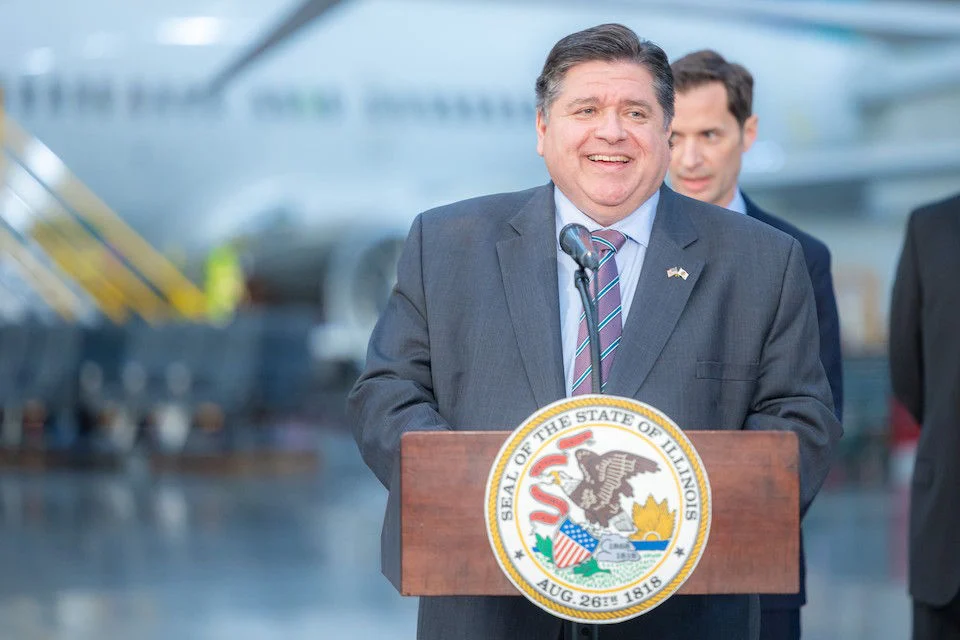
CHICAGO — In a move that consumer advocates are hailing as a critical step toward financial equity, Illinois Governor J.B. Pritzker signed into law on June 25, 2026, a comprehensive regulatory framework governing the Buy-Now-Pay-Later (BNPL) industry. The legislation marks a significant pivot in state-level oversight of the fintech sector, aiming to close long-standing loopholes that have left millions of vulnerable borrowers exposed to hidden fees, predatory lending practices, and the recursive cycle of debt.
The new law mandates that all BNPL providers operating within the state obtain formal licensure, adhere to rigorous disclosure requirements, and implement consumer safeguards that were previously absent from the largely unregulated "point-of-sale" loan market.
The Rising Tide of Point-of-Sale Debt
For the better part of a decade, the Buy-Now-Pay-Later model—which allows consumers to split purchases into four interest-free installments—has been marketed as a frictionless, "no-interest" alternative to traditional credit cards. However, the veneer of convenience has masked an increasingly precarious financial reality for millions of Americans.
According to the National Consumer Law Center (NCLC), the adoption of BNPL products is most prevalent among those with subprime credit scores. Furthermore, the demographic profile of the typical BNPL user reveals deep disparities: the products are disproportionately utilized by Black and Hispanic households, women, and young adults. As the ease of accessing these loans has grown, so too has the frequency with which they are used for essential living expenses, including groceries, utilities, and even rent.
"Strong protections for Buy Now, Pay Later loans are important, especially as these loans are being used for everyday expenses like groceries, and are being pitched for vital necessities such as rent," said Lauren Saunders, senior attorney at the National Consumer Law Center. "As buy now, pay later loans become ubiquitous, we’re pleased to see the Illinois legislature, led by Senator Michael Hastings, step up to fill gaps in federal and state protections."
Chronology of the Legislative Push
The road to this legislation was paved by a growing body of evidence highlighting the risks inherent in the BNPL business model.
- Early 2024: Advocacy groups, including the NCLC, begin lobbying state legislatures to address the lack of consumer recourse in BNPL transactions, specifically noting that many providers were circumventing traditional lending regulations by claiming they were not "lenders" in the traditional sense.
- Late 2024: New York becomes the first state to pass comprehensive legislation regulating the BNPL sector, setting a national benchmark for disclosure and accountability.
- Early 2025: California follows suit, becoming the first state to explicitly require that BNPL entities obtain formal lending licenses to operate within its borders.
- Spring 2026: Senator Michael Hastings introduces the Illinois bill, citing the urgent need to protect consumers amid the federal government’s scaling back of oversight at the Consumer Financial Protection Bureau (CFPB).
- June 25, 2026: Governor Pritzker signs the bill into law, establishing Illinois as the third major state to codify protections for BNPL borrowers.
Supporting Data: The Hidden Costs of "Free" Credit
The allure of "no interest" has long been the primary marketing tool for BNPL companies. However, the reality of the borrower experience often contradicts these advertisements. Research indicates that while the loans themselves may carry a 0% APR, they are frequently laden with "hidden" junk fees—including late fees, administrative charges, and account maintenance costs—that can quickly outpace the cost of a traditional loan.
Furthermore, the structure of these loans often leads to "loan stacking," where consumers juggle multiple concurrent BNPL installments. When these payments hit a consumer’s bank account simultaneously, they often trigger bank overdraft fees. For a low-income borrower, a $50 installment payment that causes an account to dip into the negative can result in $35 or more in bank penalties, effectively turning a "free" loan into a high-cost debt trap.
The NCLC’s latest issue brief underscores that the lack of "ability-to-repay" assessments is a primary driver of this debt cycle. Unlike credit card companies, which are mandated by federal law to assess a borrower’s financial health before extending a line of credit, many BNPL providers operate with minimal underwriting, effectively "blindly" approving consumers for loans they may not have the liquidity to repay.
Official Responses and Stakeholder Perspectives
The passage of the Illinois law has been met with broad support from consumer protection organizations, though it has drawn mixed reactions from the fintech industry.
The Consumer Advocate View
For advocates, the law represents a necessary check on an industry that has operated in a "regulatory gray area" for too long. By requiring licensure, the state gains the ability to audit these companies and enforce consumer rights.
"We’re pleased to see the Illinois legislature step up to fill gaps in federal and state protections, especially with the dismantling of the CFPB," Saunders noted. Advocates emphasize that the focus on licensure is key; once a company is licensed as a lender, it is subject to state-level examinations, ensuring that it cannot hide behind technological complexity to avoid accountability.
The Industry Perspective
Industry representatives have previously argued that stringent regulations could stifle innovation and limit access to credit for "thin-file" borrowers who cannot obtain traditional credit cards. However, the consensus among state legislators in Illinois and New York is that financial innovation cannot come at the expense of consumer solvency.
The Path Forward: Implications for National Policy
The Illinois law is expected to serve as a model for other states currently weighing their own legislative responses to the BNPL phenomenon. According to the NCLC, states looking to follow the Illinois and New York lead should focus on a multi-pronged strategy:
- Comprehensive Licensure: All entities acting as lenders must be licensed, regardless of their self-identification as "tech platforms" rather than "financial institutions."
- Clear Disclosures: Lenders must provide full, transparent disclosures regarding the total cost of credit, including all potential fees, in a format that is easily understood by the average consumer.
- Language Access: To protect non-English speaking communities, all loan documentation and terms of service must be provided in the borrower’s native language.
- Ability-to-Repay Standards: Lenders should be required to verify a borrower’s income and existing debt obligations before approving new credit.
- Prohibition on Predatory Practices: The law should explicitly ban practices like "repeat debiting," where a lender repeatedly attempts to pull payments from an account with insufficient funds, triggering repeated overdraft fees.
Strengthening Protections Against Disputes
One of the most common consumer complaints involves purchase disputes. If a consumer receives a defective product or a package never arrives, the BNPL lender often refuses to stop the payment cycle, forcing the consumer to continue paying for an item they do not possess. The new Illinois law aims to resolve this by standardizing the dispute resolution process, effectively placing the onus on the lender to pause payments until a resolution is reached between the consumer and the merchant.
Conclusion
The enactment of this legislation in Illinois is not merely a regional policy victory; it is a signal to the broader financial services industry that the era of "move fast and break things" in the credit space is drawing to a close. As states continue to take the lead where federal regulators have retreated, the landscape for BNPL products is shifting toward one of transparency and accountability.
For the millions of Americans who rely on these services to bridge the gap between paychecks, the Illinois law provides a vital shield. By ensuring that these loans are governed by the same standards of fairness as other forms of consumer credit, Illinois is setting a precedent that places the financial health of the borrower at the center of the fintech revolution. As other states monitor the implementation of this law, the momentum for a national standard continues to build, promising a more equitable future for the digital-first borrower.