







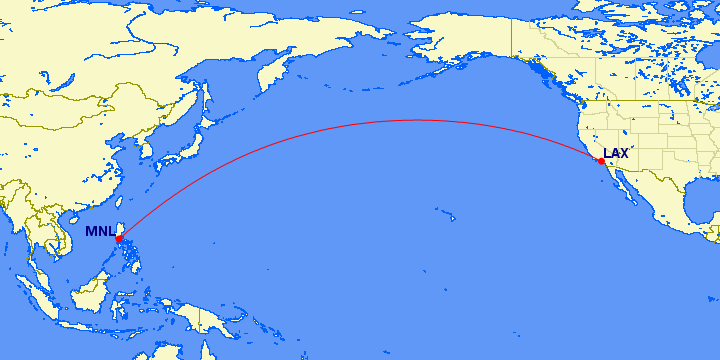
For decades, Delta Air Lines maintained a reputation for caution regarding ultra-long-haul international expansion, preferring to rely on a robust domestic network and strategic partnerships to funnel passengers across the Pacific. However, the airline’s recent trajectory suggests a significant shift in corporate philosophy. As Delta moves to diversify its reach, it has confirmed that it will launch a high-profile, daily nonstop service between Los Angeles (LAX) and Manila (MNL) in the summer of 2027. This move, which follows recent expansions into Hong Kong and Riyadh, marks a bold attempt by the Atlanta-based carrier to reclaim its footprint in the competitive Asian market.
The Strategic Shift: A New Chapter in Delta’s Global Network
The aviation industry is currently witnessing a renaissance in transpacific travel demand. Historically, Delta has been more conservative than its primary competitors, United Airlines and American Airlines, when it comes to operating massive, direct long-haul fleets. While United Airlines leveraged its dominant San Francisco (SFO) hub to capture the lion’s share of transpacific traffic, Delta focused on stability and operational excellence within its established hubs.
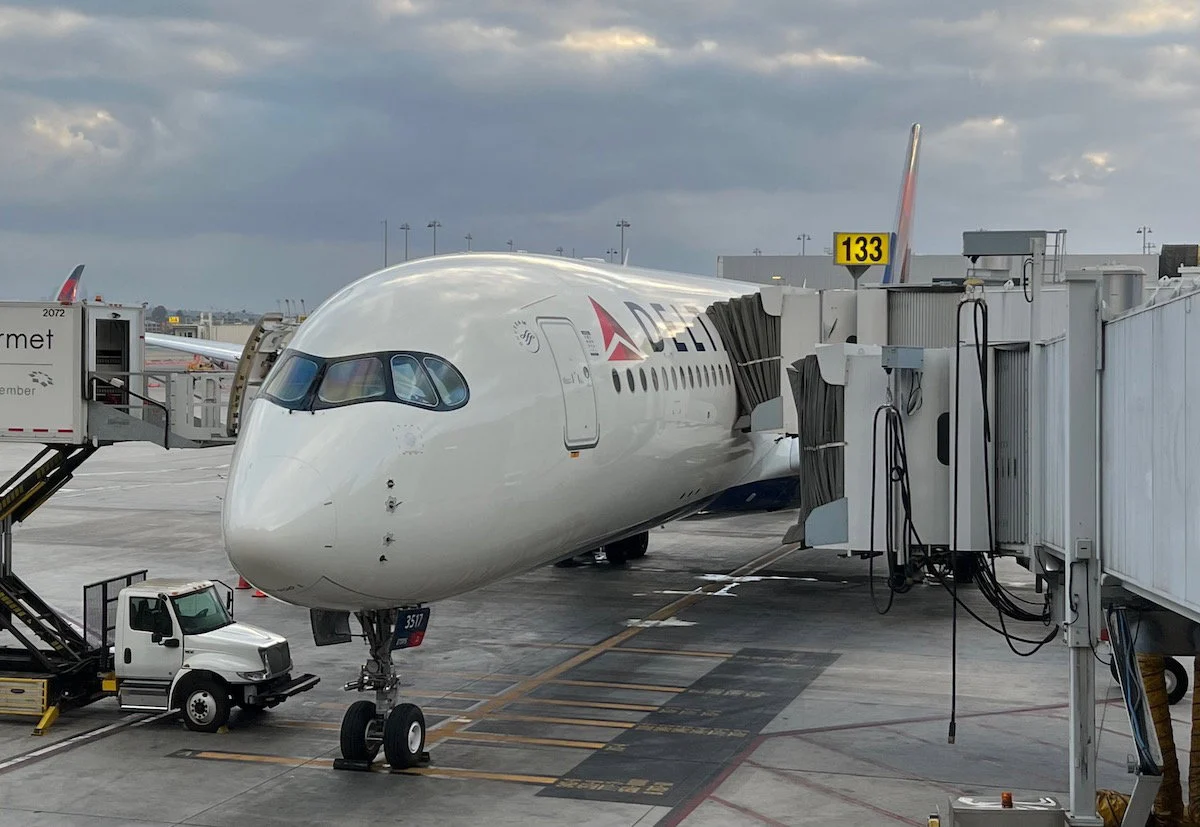
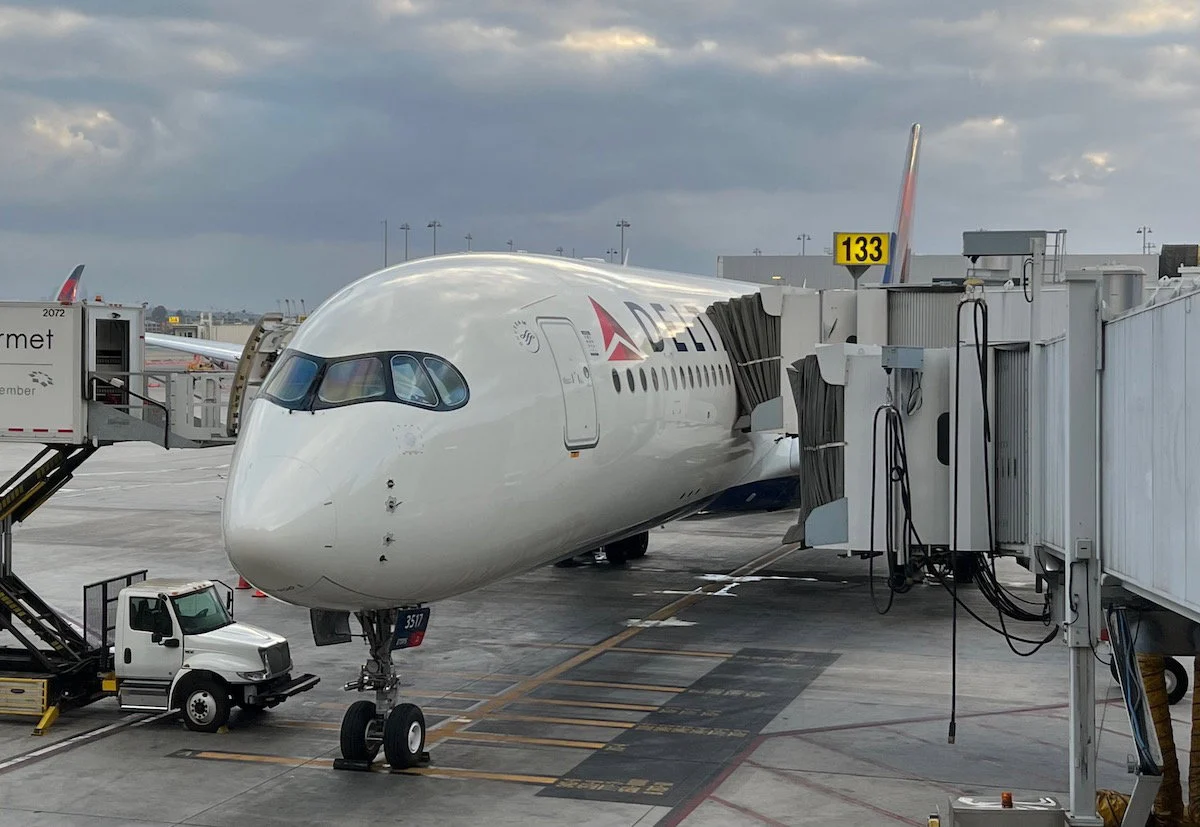
The upcoming launch of the Los Angeles to Manila route is more than just a new destination on the map; it is a signal that Delta is willing to absorb the high operational costs and logistical complexities associated with ultra-long-haul service to compete head-to-head with United and regional powerhouses like Philippine Airlines. By utilizing its modern Airbus A350-900 fleet, Delta aims to provide a premium product that bridges the gap between the U.S. West Coast and the rapidly growing Philippine market.
A Chronology of the Manila Expansion
The path to this announcement has been paved with internal speculation, regulatory filings, and careful positioning.
2025: The Internal Signal
In late October 2025, during an internal briefing with staff, Delta executives first hinted at a major shift in the carrier’s Asian strategy. While details were sparse, the leadership confirmed that the airline was actively scouting for expansion opportunities in Southeast Asia, specifically mentioning Singapore and Manila. At that time, the airline remained tight-lipped regarding the specific hub from which these flights would originate.
2026: Regulatory Maneuvering
The narrative shifted from speculation to policy in March 2026. As Philippine Airlines (PAL) sought approval for new routes to Chicago, Delta submitted a formal filing to the U.S. Department of Transportation (DOT). In this document, Delta did not merely comment on the competitive landscape; it laid its cards on the table. The airline explicitly stated that it was planning to launch daily service from Los Angeles to Manila by the summer of 2027. This maneuver served a dual purpose: it challenged the status quo of transpacific routes and signaled to the DOT that Delta was committed to enhancing consumer choice through direct competition.
2027: Confirmation and Impending Launch
Following months of industry chatter, Delta has finally confirmed internally that the LAX-MNL route is officially on the 2027 schedule. The airline is expected to issue a formal press release next week, marking the culmination of a multi-year planning cycle.
Operational Dynamics and Market Considerations
The success of the Los Angeles-Manila route hinges on several factors, including fleet utilization, labor costs, and the evolving competitive landscape.
The Role of the Airbus A350
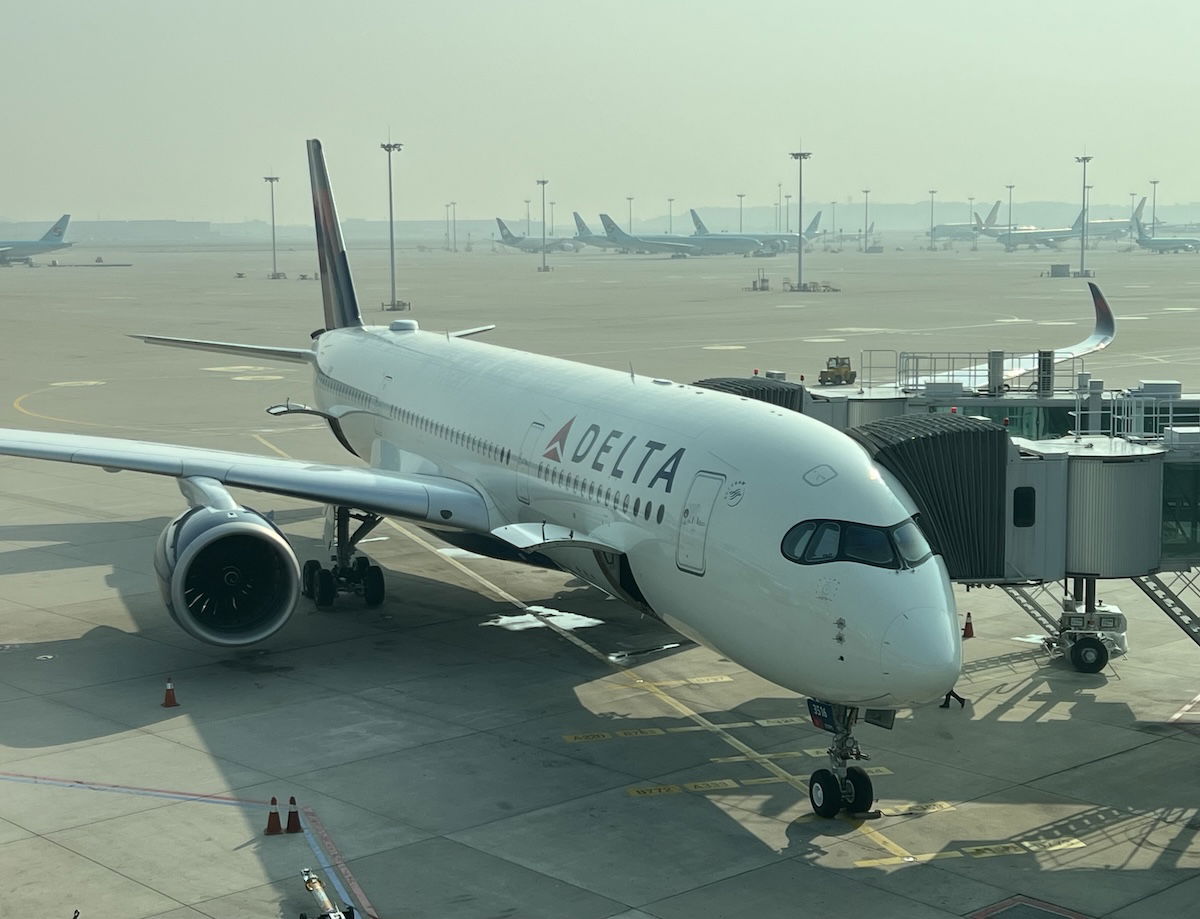
Delta’s reliance on the Airbus A350-900 is central to its strategy. Known for its fuel efficiency and passenger comfort, the A350 is the ideal workhorse for 15-plus hour flights. However, operating such long sectors incurs significant costs, particularly regarding crew scheduling and high-density maintenance requirements. Delta must ensure that the cabin yields—particularly in premium cabins—are sufficient to offset these operational expenses.
Competitive Pressures
Delta enters a market that is already being serviced by established players. United Airlines, having already established a successful San Francisco-Manila link, has the benefit of a deeper, more integrated network across Asia. Furthermore, Philippine Airlines is currently undergoing a period of transformation, including its strategic pivot toward the oneworld alliance and a modernization of its own long-haul fleet.
Delta must differentiate itself. While it lacks the massive transpacific connectivity of United’s San Francisco hub, it possesses a strong loyalty base in Los Angeles. The airline’s ability to leverage its SkyMiles program to incentivize business and leisure travelers will be critical in the first 24 months of operation.
Official Stance and Regulatory Rationale
In its DOT filings, Delta framed the new route as a public interest initiative. The company argued that "expanded service between the United States and the Philippines can provide public benefits, including enhanced consumer choice and increased trade and tourism between the two countries."
Delta’s stance is that the current capacity between the two nations is underserved, and that by introducing its own service, it provides a necessary counterbalance to the existing dominance of other carriers. This rhetoric is standard in international route applications, yet it highlights the diplomatic tightrope Delta is walking: they must prove to both U.S. and Philippine regulators that their entry into the market is mutually beneficial and compliant with international air service agreements.
The Long-Term Implications of Delta’s Asian Growth
As Delta pivots toward these ultra-long-haul markets, industry analysts are asking whether this is a sustainable model for the long term.
Loyalty Over Direct Profitability
In the modern airline industry, the profit margin on a single flight is often secondary to the "ecosystem value" of the passenger. If a traveler chooses Delta for their transpacific journey, they are more likely to use Delta for their domestic connecting flights, their credit card spending, and their hotel bookings via Delta’s travel partners. By expanding its reach, Delta is essentially expanding its customer acquisition funnel.
The Challenge of Scale
Despite the optimism, the reality of scale remains a hurdle. United’s San Francisco hub remains the "Gateway to Asia" for many American travelers. Delta’s Los Angeles hub, while significant, does not currently boast the same density of connecting flights to secondary Asian cities. For the Manila route to reach its full potential, Delta may need to consider further regional partnerships or additional expansion in the Pacific theater to ensure the route is not an "island" in their network.
Potential for Further Expansion
If the Manila route proves successful, it could serve as a blueprint for further expansion. Singapore remains on the table, and other Tier-1 Asian hubs could be targeted as Delta looks to balance its transatlantic dominance with a more robust Pacific presence. The industry will be watching closely to see if the carrier can maintain its legendary service standards while navigating the thin margins of ultra-long-haul flight operations.
Conclusion
The launch of daily service from Los Angeles to Manila in 2027 represents a pivotal moment for Delta Air Lines. It is a calculated, high-stakes entry into one of the world’s most competitive aviation markets. While the challenges—ranging from high operational costs to stiff competition from established carriers—are undeniable, Delta’s commitment suggests that the potential rewards in brand loyalty and market share are too significant to ignore.
As the airline prepares for its formal announcement next week, the industry will be focused on the details: the exact flight schedule, the frequency of cargo operations, and the specific amenities that will define the onboard experience. One thing is certain: the Pacific theater is becoming more crowded, and for the savvy traveler, this increased competition is likely to result in more options, better service, and a reinvigorated transpacific market. Whether this move secures Delta’s long-term dominance in Asia or proves to be an overly ambitious expansion remains to be seen, but the 2027 launch is undoubtedly the most significant development in the carrier’s international strategy in years.