







As we settle into the mid-month lull, the global aviation sector continues to experience a period of profound volatility and structural transformation. From harrowing safety incidents that have gripped the headlines to aggressive corporate restructuring by legacy carriers, the landscape of travel is shifting beneath our feet. For the frequent flyer and industry analyst alike, this past week has served as a masterclass in the complexities—and occasional absurdities—of modern aviation.
While I personally find myself in a brief moment of respite at home, preparing for an upcoming itinerary that promises to push the boundaries of luxury travel—featuring several world-class airlines and a unique maritime excursion—the world of aviation has been anything but quiet. Below is an in-depth analysis of the week’s most consequential developments.
Main Facts: The Week in Aviation Headlines
The past seven days have been marked by a series of events that highlight both the operational risks and the evolving commercial strategies within the airline industry. The primary news items dominating the discourse include:
- The Ryanair In-Flight Emergency: A terrifying mid-air incident involving a shattered window on a Ryanair flight.
- Corporate Rebranding: The formal renaming of Palm Beach International Airport, signaling a shift in regional transit identity.
- Human Factors and Safety: A British Airways flight cancellation stemming from crew intoxication, raising concerns regarding personnel oversight.
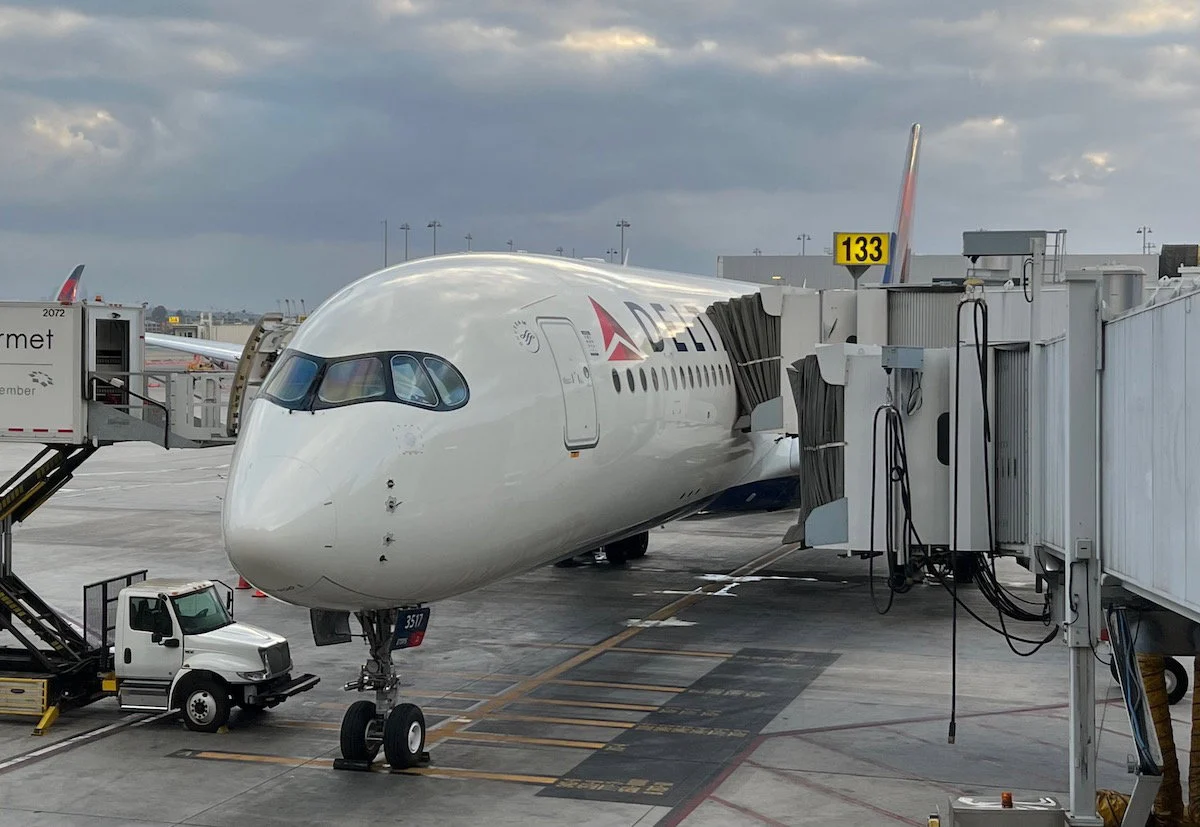
- The Unbundling Trend: Delta Air Lines’ controversial decision to expand fare unbundling into premium cabins.
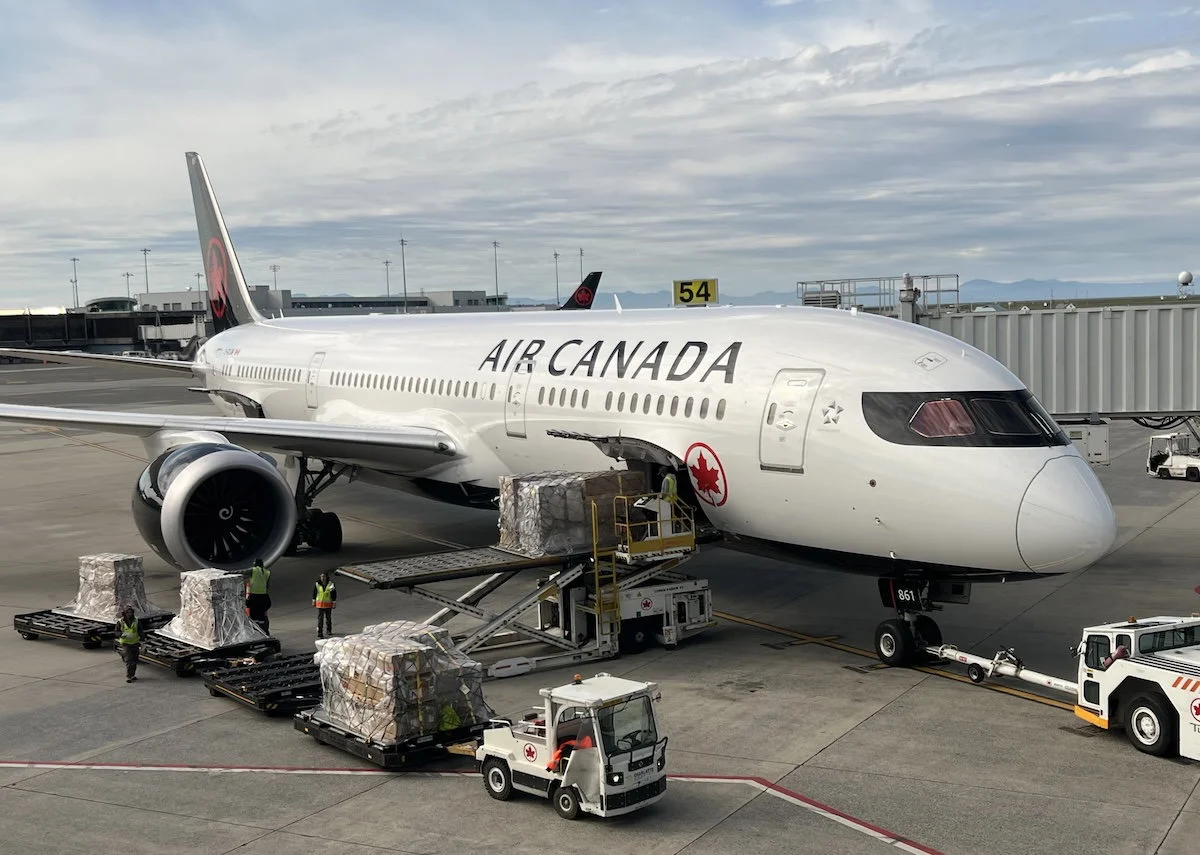
- Leadership Transitions: The appointment of a new CEO at Air Canada, marking a pivotal moment for the Canadian flag carrier.
Chronology of Events
The week unfolded with a series of high-profile incidents that kept aviation safety regulators and corporate stakeholders on high alert.
- Monday: The week began with the announcement of Air Canada’s leadership change, as the industry speculated on the strategic direction the new executive would take amid post-pandemic recovery efforts.
- Tuesday: Reports emerged of a Ryanair flight diverted due to a catastrophic cabin integrity issue. A passenger seated near a window experienced a partial depressurization event after the pane shattered, causing significant distress to those on board.
- Wednesday: British Airways faced public scrutiny after canceling a scheduled long-haul flight. Investigations later confirmed that key members of the flight deck crew were found to be under the influence of alcohol, forcing an immediate grounding of the aircraft.
- Thursday: Delta Air Lines confirmed rumors regarding their "Basic Economy" expansion. The carrier announced that even premium fare classes will now be subject to unbundling, effectively removing traditional amenities from higher-tier tickets.
- Friday: Palm Beach County officials finalized the rebranding of the local airport, completing a logistical and marketing overhaul designed to attract more international traffic to the Florida region.
Supporting Data and Technical Context
The Ryanair Incident: Structural Integrity vs. Human Impact
The Ryanair event, while rare, serves as a reminder of the immense forces at play at 30,000 feet. Cabin windows are engineered to withstand extreme pressure differentials. A "shattering" event, while technically classified as a decompression incident, often stems from localized impact or a failure in the seal rather than structural fatigue of the aircraft frame itself. Data from aviation safety boards suggests that while such incidents cause significant passenger trauma, the redundancy of modern aircraft safety systems typically prevents catastrophic outcomes.
The Economics of Unbundling
Delta’s decision to unbundle premium fares is a calculated gamble on consumer behavior. By stripping away perks like seat selection or lounge access from premium tiers, the airline aims to increase its "ancillary revenue"—money earned outside of the base ticket price. Analysts suggest that this move is a response to the "inflation of comfort," where premium cabins have become too crowded with passengers who have utilized status upgrades, thereby diluting the value proposition for full-fare paying customers.
Official Responses and Regulatory Stance
British Airways: A Zero-Tolerance Policy
In the wake of the flight cancellation involving the intoxicated crew, British Airways issued a stern statement: "The safety of our customers and crew is our absolute priority. We maintain a zero-tolerance policy regarding the consumption of alcohol by crew members prior to duty." The airline has initiated an internal audit of its scheduling and substance monitoring protocols to ensure such a lapse does not recur.
Air Canada’s New Direction
The new CEO of Air Canada released a brief statement following the announcement of their appointment: "I am honored to lead this iconic organization at a time of immense challenge and opportunity. Our focus remains on operational excellence, environmental sustainability, and restoring the trust of our passengers in a post-COVID travel environment."
Palm Beach Airport Authority
Regarding the rebranding, the Palm Beach Airport Authority noted that the change was necessary to align the facility with the evolving demographic of the region. "The rename is not merely cosmetic; it represents a commitment to modernizing our terminal facilities and expanding our reach into the international luxury travel market," a spokesperson stated during the unveiling ceremony.
Implications for the Future of Travel
The developments of this week paint a clear picture of an industry in flux. The Ryanair incident is a sharp reminder that safety can never be taken for granted, and it will likely trigger a review of maintenance protocols for older airframes in the Ryanair fleet.
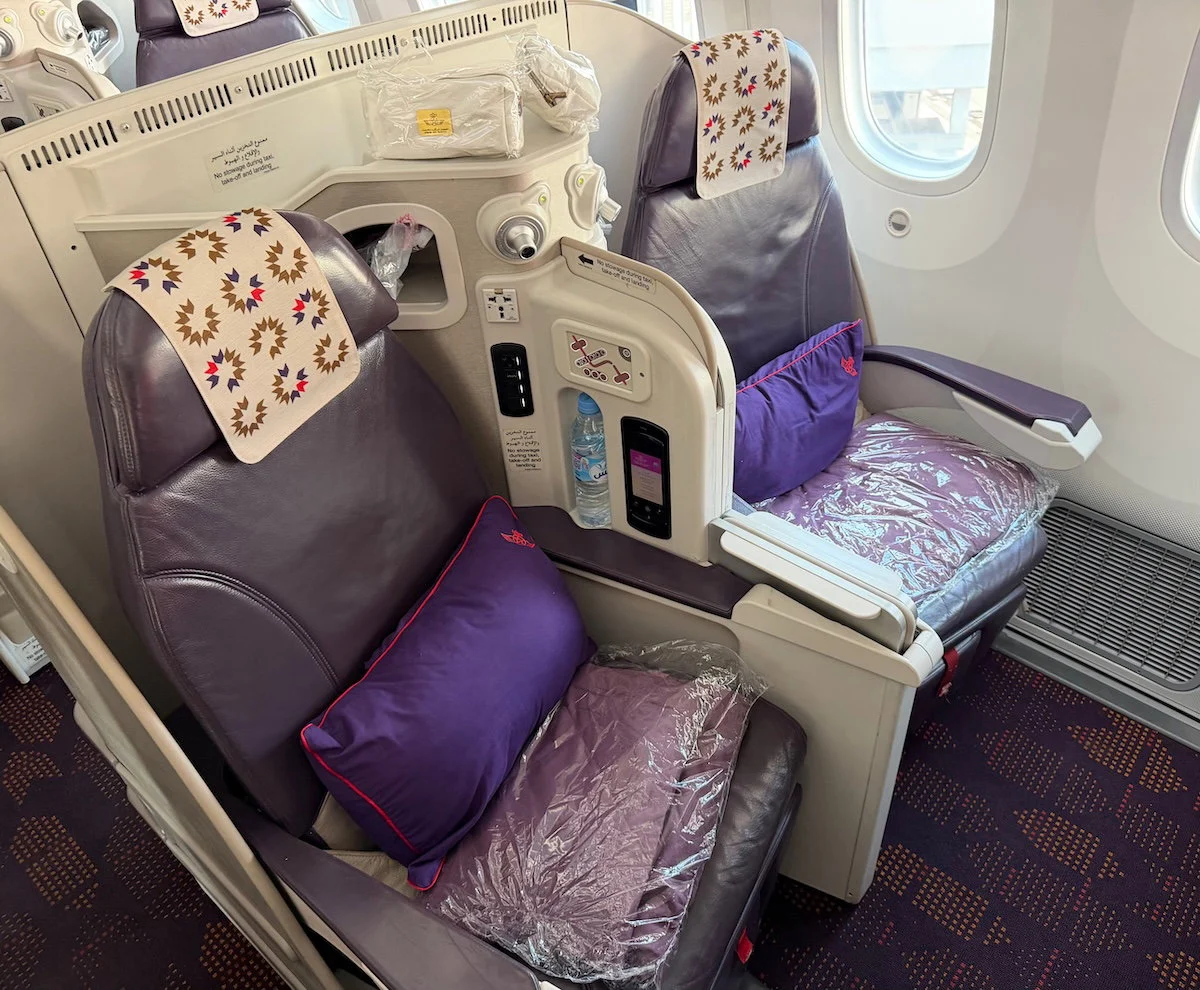
Furthermore, the trend toward unbundling, spearheaded by Delta, suggests that the "golden age" of all-inclusive premium travel is fading. Travelers should prepare for a reality where the "Premium" label becomes a tiered system rather than a fixed standard. If a passenger buys a premium ticket, they must now be more vigilant than ever regarding what is—and is not—included in their fare.
Finally, the leadership change at Air Canada signals that the legacy carriers are preparing for a long-term battle over market share. As these airlines navigate high fuel costs and fluctuating labor markets, the passenger experience will likely remain the primary battlefield. Whether through higher ticket prices, the erosion of perks, or the introduction of new regional hubs like the rebranded Palm Beach facility, the industry is clearly pivoting toward a more aggressive, profit-centric model.
Closing Reflections
As I look ahead to my own upcoming travels, these events provide a sober perspective on the fragility of the travel ecosystem. Aviation is a marvel of human engineering, but it is also a system comprised of human parts, prone to error, and governed by cold, hard financial realities.
My next journey will be a test of how these changes manifest in real-time. I look forward to documenting the service levels, the seat comfort, and the operational integrity of the airlines I choose. I encourage all my readers to remain vigilant about their own travel bookings—read the fine print on those "premium" fares, keep an eye on airline safety records, and stay tuned for my next report.
The skies remain the most efficient way to see the world, but as this week has proven, they demand the full attention of everyone involved—from the pilots in the cockpit to the passenger in seat 12A. Safe travels, and I look forward to sharing more insights from the road very soon.