








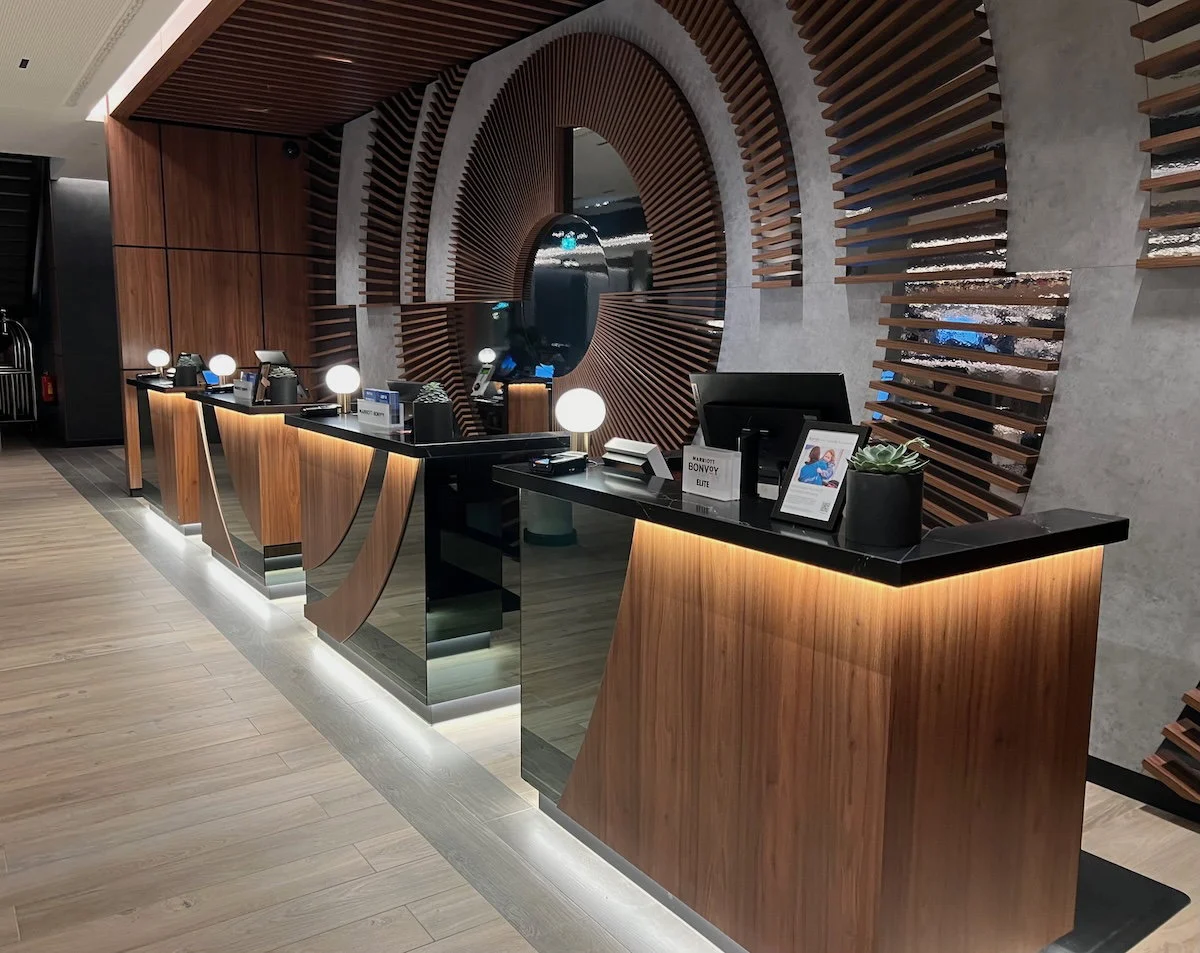
For decades, the promise of hotel elite status has been a cornerstone of the travel industry’s marketing machinery. From complimentary breakfasts and late check-outs to the elusive, coveted suite upgrade, loyalty programs are designed to make the frequent traveler feel like a VIP. However, the landscape of travel has shifted dramatically. With the proliferation of credit card-linked status and a massive influx of travelers into loyalty tiers, the "elite" ranks have swelled, leading to a dilution of the very benefits that once defined them.
A new, peculiar trend has emerged in response to this saturation: some hotels have begun placing signs at their front desks explicitly stating the number of elite-tier members currently in-house. While intended to manage expectations, this practice has ignited a fierce debate within the travel community. Is this a refreshing dose of radical transparency, or is it a tacky, counterproductive display that alienates the very guests it intends to serve?
The Anatomy of the Trend
The phenomenon of "elite-count signage" is currently a niche, localized practice. It is not yet a corporate mandate from major hospitality conglomerates like Marriott, Hilton, or Hyatt. Instead, it appears to be a grassroots initiative at the property level—often implemented by frustrated front-desk managers or general managers seeking to preemptively address guest grievances.
The signs typically function as a simple data dashboard: "Today, we are hosting 145 Platinum, Titanium, and Ambassador members." By displaying this number, the hotel is effectively signaling that while the guest may be "elite," they are far from alone. This creates an immediate visual representation of the competition for a limited pool of suite upgrades and amenities.
A Chronology of Elite Inflation
To understand why these signs have appeared, one must look at the recent history of hotel loyalty programs.
- The Pre-Digital Era: Loyalty was earned through "heads in beds." Status was a rare commodity, and upgrades were frequent because the pool of eligible travelers was small.
- The Credit Card Boom: Over the last decade, major hotel chains pivoted toward partnerships with credit card issuers. By paying an annual fee, travelers could achieve mid-to-top-tier status without ever stepping foot in a hotel lobby.
- The Post-Pandemic Surge: Following the COVID-19 pandemic, travel demand skyrocketed. Chains extended status tiers and offered "status matches" to keep customers engaged. This created a perfect storm: a record number of elite members competing for a finite number of physical hotel rooms.
- The Current Transparency Movement: As front-desk staff faced increasing hostility from guests demanding upgrades that were physically impossible to provide, some managers began using signage as a "shield"—a way to depersonalize the denial of upgrades by highlighting the sheer volume of competing elites.
The Data Behind the Disappointment
The core issue for the modern traveler is the mismatch between supply and demand. In many high-traffic urban hotels, the number of elite-tier guests on any given night can exceed the number of available premium suites by a factor of ten or twenty.
For the hotel, this creates a logistical nightmare. If a property has 200 elite members arriving on a Friday night but only 10 suites to offer as complimentary upgrades, 190 people will inevitably be disappointed. Historically, this disappointment was handled through verbal communication at check-in. By putting the number on a sign, the hotel shifts the narrative from "we don’t want to upgrade you" to "the math simply doesn’t allow for it."
Corporate Perspectives and Brand Implications
When approached for comment, major hotel brands have generally remained tight-lipped regarding this practice. From a corporate perspective, the incentive to encourage this transparency is low.
Hotel loyalty programs are built on the aspiration of exclusivity. If a marketing brochure claims, "Elite status unlocks a world of upgrades," but a sign at the front desk confirms that "40% of our guests are elite," the marketing claim loses its luster. There is an inherent contradiction between a brand promising a "VIP experience" and a property openly reminding guests that they are part of a massive, undifferentiated cohort.
Industry experts note that this is a classic "signaling" problem. When a company highlights that everyone is special, no one is. By publicizing the high volume of elite guests, hotels are inadvertently signaling to their most loyal customers that the value proposition of their loyalty program has been compromised by inflation.
The Case for Transparency: Managing Expectations
Despite the potential for it to be viewed as "tacky," there is a strong argument for why these signs are a net positive. The most significant benefit is the reduction of front-desk friction.
For the weary traveler, arriving at a hotel and being denied an upgrade can feel like a personal slight, especially if they have been loyal to a brand for years. If a guest sees a sign indicating that 200 other elite members are also vying for those same perks, the rejection becomes a mathematical reality rather than a service failure. This transparency can prevent the kind of entitled behavior that front-desk employees often have to endure, thereby improving the morale of the staff.
Furthermore, it forces a conversation about the value of status. It pushes the traveler to consider whether the pursuit of elite status is still worth the time and money. If the goal of an elite member is to be treated differently, but they are consistently surrounded by hundreds of others with the same "special" status, they may choose to pivot their loyalty to smaller, boutique properties or independent hotels where the service is more personalized.
The "Tacky" Factor: The Social Cost
On the other side of the ledger is the argument that this practice is fundamentally unrefined. The service industry—particularly in the luxury segment—is built on the concept of "invisible service." A guest paying $2,000 a night for a honeymoon suite does not want to be reminded that the hotel is a factory for loyalty-card holders.
Comparing customers in a public forum, even if the comparison is statistical, can feel dehumanizing. When a hotel puts up a sign about elite density, it inadvertently creates a hierarchy that is visible to everyone, including non-elite guests. This can lead to a perception of "us versus them," where the hotel feels less like a sanctuary and more like a tiered waiting room.
Furthermore, there is the risk of "Elite Envy." A customer who might have been perfectly content with a standard room might, upon seeing the sign, start wondering why they aren’t part of that "elite" group, or why they aren’t the one getting the upgrade. It sows seeds of dissatisfaction where there were none.
The Broader Implications for Hospitality
As we look to the future, the rise of these signs signals a broader transition in the hospitality industry. We are likely reaching a point of "peak loyalty." With the market saturated, the industry must decide how to restore value to its top-tier customers.
Possibilities include:
- Tier Restructuring: Creating a "super-elite" tier that is significantly harder to reach, thus narrowing the pool of people entitled to suite upgrades.
- Dynamic Pricing for Upgrades: Moving away from "complimentary" space-available upgrades toward a model where elite members get significant discounts on suites, but not necessarily free ones.
- Enhanced Digital Communication: Instead of signs, hotels could move toward personalized, mobile-app-based updates that inform guests of their specific position in the "upgrade queue," mimicking the way airlines manage seat upgrades.
Conclusion: A Necessary Evil?
The emergence of signs declaring the number of elite guests is a symptom of a larger, systemic issue in the travel industry. It is a confession of sorts—an admission that the promise of elite status has been diluted to the point where the hotel itself feels compelled to manage the fallout.
While the practice may seem tacky or unpolished to some, it represents a genuine attempt to bring a measure of honesty to a system that has become increasingly opaque. For the savvy traveler, these signs provide a useful, if sobering, insight into the reality of modern travel: you are not just competing with other travelers; you are competing with an entire ecosystem of loyalty programs designed to make everyone feel like a winner, even when the math suggests otherwise.
Ultimately, whether these signs stay or go will depend on the feedback of the guests themselves. If you appreciate the honesty, you may find yourself checking the desk sign with a sense of relief, knowing exactly where you stand. If you prefer the illusion of exclusivity, you may find the practice a blight on the luxury experience. Either way, the "Elite Transparency" trend serves as a reminder that in the world of high-volume travel, the only thing more valuable than status might be the reality of the situation.