








In the capital-intensive world of construction, manufacturing, and logistics, the acquisition of heavy machinery represents one of the most significant hurdles—and greatest opportunities—for a growing enterprise. Navigating the complex landscape of heavy equipment financing requires more than just a request for capital; it demands a sophisticated approach to financial management, strategic planning, and long-term operational forecasting.
As businesses look to scale, the ability to secure favorable financing terms for excavators, cranes, loaders, and dump trucks often serves as the dividing line between stagnant operations and industry leadership. This guide explores the essential mechanisms of financing, providing a roadmap for securing the assets necessary to drive your bottom line.
1. Assessing Financial Health: The Foundation of Approval
Before engaging with lenders, a business owner must conduct a rigorous internal audit. Lenders view your application through the lens of risk, and your financial profile is the primary data point they use to mitigate that risk.

The Role of Creditworthiness
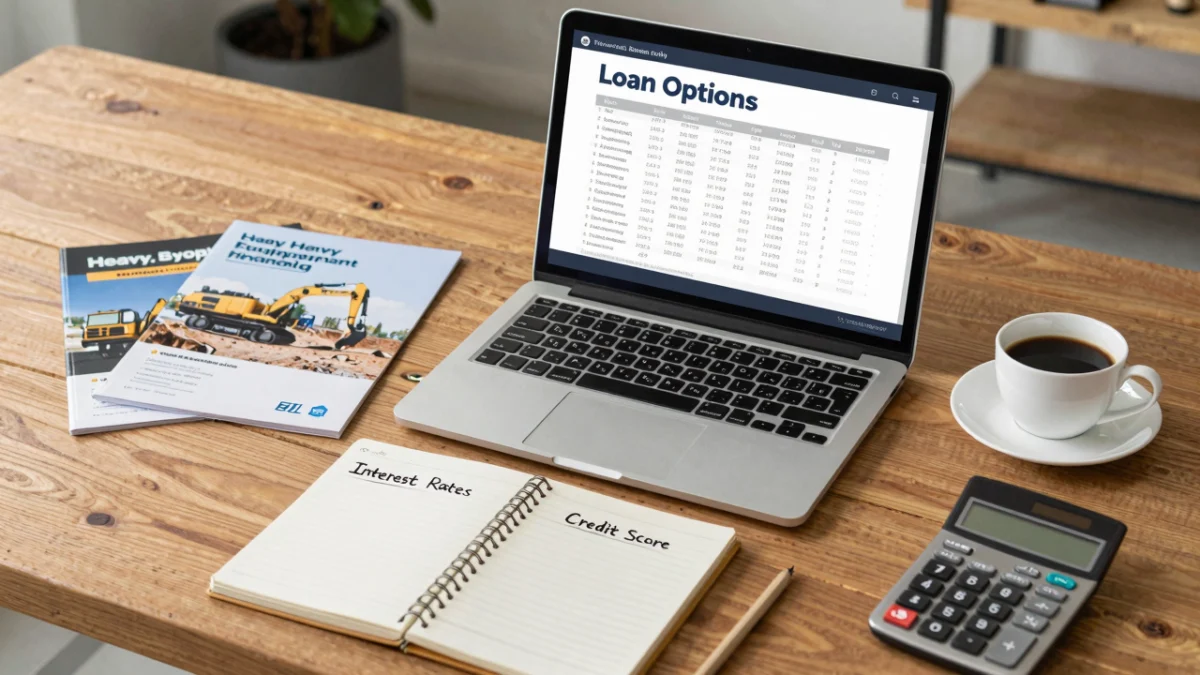
Your credit score is the gatekeeper of your financing options. A high credit score acts as a proxy for reliability, granting you access to lower interest rates and more flexible repayment structures. Conversely, a suppressed score limits your pool of potential lenders, often forcing companies toward subprime options with prohibitive costs. Businesses should prioritize cleaning up their credit reports at least six months before seeking significant financing.
Cash Flow and Liquidity Management
Lenders are less concerned with your total assets than with your operational liquidity. By reviewing your cash flow statements, you must confirm that the anticipated monthly payments associated with a lease or loan can be comfortably serviced without compromising day-to-day operations. Consistent revenue streams and proven profitability are the ultimate evidence of a company’s ability to handle debt.
Documentation Excellence
A disorganized financial record is a red flag for any underwriter. Ensure that your income statements, balance sheets, and tax returns are not only accurate but also updated. Presenting a clear, transparent financial picture reduces the "information asymmetry" between you and the lender, fostering the trust necessary for approval.

2. Navigating Financing Options: A Strategic Overview
Once your financial health is established, the next step is selecting the vehicle that best matches your business model. There is no "one-size-fits-all" solution, and the choice between leasing and purchasing can significantly impact your balance sheet.
Primary Financing Methods
- Equipment Loans (Debt Financing): This allows you to own the asset outright at the end of the term. While this increases your debt-to-equity ratio, it provides long-term ownership and the potential for equity build-up.
- Equipment Leasing (Operating Lease): Leasing acts as a rental agreement, often with lower monthly payments. This is ideal for companies that need to upgrade machinery frequently to keep up with technological advancements or those who prefer to keep debt off the balance sheet.
- Capital Leases: Often used for long-term equipment needs, these act similarly to loans, where the lessee assumes many of the risks and benefits of ownership, often leading to a bargain purchase option at the end of the term.
Alternative and Government-Backed Programs
For small to mid-sized businesses, the Small Business Administration (SBA) offers specialized loan programs, such as the 7(a) or 504 loan programs, which can provide longer repayment terms and lower down payments. Furthermore, alternative online lenders may offer expedited approval processes for those who require immediate access to equipment but lack the lengthy history required by traditional commercial banks.
3. The Architecture of a Comprehensive Business Plan
A lender is essentially a partner in your business’s growth. Therefore, your business plan must articulate exactly how the new equipment will generate a return on investment (ROI).

Growth Projections and Productivity
Your plan should quantify the impact of the acquisition. Will the new bulldozer allow for a 20% increase in project completion speed? Will the new crane allow you to bid on larger, more profitable contracts? Detailed financial projections, showing how the equipment will contribute to revenue growth, are essential for securing institutional support.
Operational Alignment and Repayment Strategy
Lenders want to see that you have considered the "life cycle" of the equipment. Address how the machine fits into your current workflow, including seasonal demand fluctuations and maintenance cycles. Your repayment strategy should account for potential lean periods, demonstrating that you have the contingency reserves to handle debt obligations regardless of market volatility.
4. Assembling a Strong Financial Profile: Supporting Data
To optimize your chances of approval, you must build a dossier that speaks to your institutional stability.

- Bank Statements: Provide 6–12 months of consistent activity.
- Industry Expertise: Highlight your team’s experience and track record with similar machinery.
- Collateral Evaluation: Be prepared to provide an appraisal of the equipment you intend to purchase, as lenders will look at the asset’s resale value as a secondary source of repayment.
- Proof of Contracts: If you are purchasing equipment for a specific, multi-year project, including those contracts in your application can serve as a powerful guarantee of future revenue.
5. Securing Favorable Terms: The Art of Negotiation
Securing financing is not a static process; it is a negotiation. Once you have received a term sheet, do not feel obligated to accept the first offer.
Benchmarking and Comparison
Always shop your application to multiple lenders. Use the "total cost of ownership" metric, which includes not just interest rates, but also insurance requirements, origination fees, and the cost of early payoff penalties.
Negotiating for Success
If you are a repeat customer or are planning a multi-unit purchase, leverage that volume. Ask for better interest rates or a deferred payment structure to align with your business’s specific revenue cycle. The goal is to ensure that the equipment is paying for itself through increased efficiency before the full weight of the debt hits your cash reserves.

Frequently Asked Questions
What equipment qualifies for financing?
Most heavy machinery used in construction, agriculture, and manufacturing is eligible, including excavators, loaders, cranes, and dump trucks. Lenders generally assess the equipment based on its age, condition, and market demand for resale.
How does my industry sector impact my terms?
Industries with historically stable cash flows, such as infrastructure development, often receive more favorable terms. Conversely, sectors prone to extreme cyclicality may face stricter collateral requirements.
Is used equipment a viable option?
Yes, financing used equipment is common. While interest rates are typically higher due to the increased risk of mechanical failure and faster depreciation, it can be a cost-effective strategy for smaller businesses. Be prepared to provide comprehensive maintenance logs to satisfy lender requirements.

What are the tax implications?
The U.S. tax code offers significant incentives for equipment acquisition. Under Section 179 of the IRS tax code, businesses can often deduct the full purchase price of qualifying equipment from their gross income, provided it is placed in service within the tax year. Additionally, interest paid on equipment loans is typically tax-deductible.
Implications for Long-Term Sustainability
The strategic acquisition of heavy equipment is a milestone in any business’s growth trajectory. By mastering the nuances of financial health, maintaining a rigorous business plan, and understanding the competitive nature of lending, you can transform your capital expenditures into a long-term competitive advantage.
The successful operator does not just buy machinery; they invest in their company’s future capacity. By aligning your financing terms with your operational cycles and leveraging tax incentives, you ensure that your business remains agile, profitable, and ready for the challenges of a competitive market. As you move forward, keep these strategies at the forefront of your financial planning, and you will find that the complexity of financing is not a barrier, but a bridge to your next stage of success.