








For millions of Americans—particularly the self-employed, freelancers, and investors—the U.S. tax system operates on a "pay-as-you-go" basis. While traditional W-2 employees have taxes automatically withheld from every paycheck, those with non-wage income must take a more proactive approach. IRS Form 1040-ES, Estimated Tax for Individuals, is the essential instrument for managing these obligations. Failure to navigate this form correctly can result in unexpected financial penalties and interest charges.
This guide provides an in-depth look at the mechanics, requirements, and strategic importance of managing your estimated tax obligations.

Main Facts: Understanding the "Pay-As-You-Go" System
The United States tax system requires that you pay income and self-employment taxes as you earn or receive income throughout the year. If you wait until the April tax filing deadline to pay your total liability, the IRS may assess underpayment penalties.
What is Form 1040-ES?
Form 1040-ES is not a tax return itself, but rather a set of payment vouchers used to submit quarterly estimated taxes to the Internal Revenue Service. It is designed to assist taxpayers in calculating their projected tax liability for the current year.

Who is Required to File?
Generally, you must make estimated tax payments if both of the following apply:
- You expect to owe at least $1,000 in tax for the current year after subtracting your withholding and refundable credits.
- You expect your withholding and refundable credits to be less than the smaller of 90% of the tax to be shown on your current year’s tax return or 100% of the tax shown on your prior year’s tax return (provided the prior year covered 12 months).
This requirement is particularly critical for independent contractors, gig economy workers, sole proprietors, and individuals earning significant interest, dividends, or rental income.

Chronology: The Quarterly Filing Calendar
Estimated taxes are not due once a year; they are divided into four payment periods. Understanding this schedule is paramount for avoiding late-payment penalties.
- First Quarter: Income received from January 1 through March 31. The payment is due April 15.
- Second Quarter: Income received from April 1 through May 31. The payment is due June 15.
- Third Quarter: Income received from June 1 through August 31. The payment is due September 15.
- Fourth Quarter: Income received from September 1 through December 31. The payment is due January 15 of the following year.
If a due date falls on a weekend or a legal holiday, the payment is typically due on the next business day. It is important to note that if you miss a deadline, the IRS may calculate the penalty from the date the payment was due, making it difficult to "catch up" later in the year.

Supporting Data: Calculating Your Liability
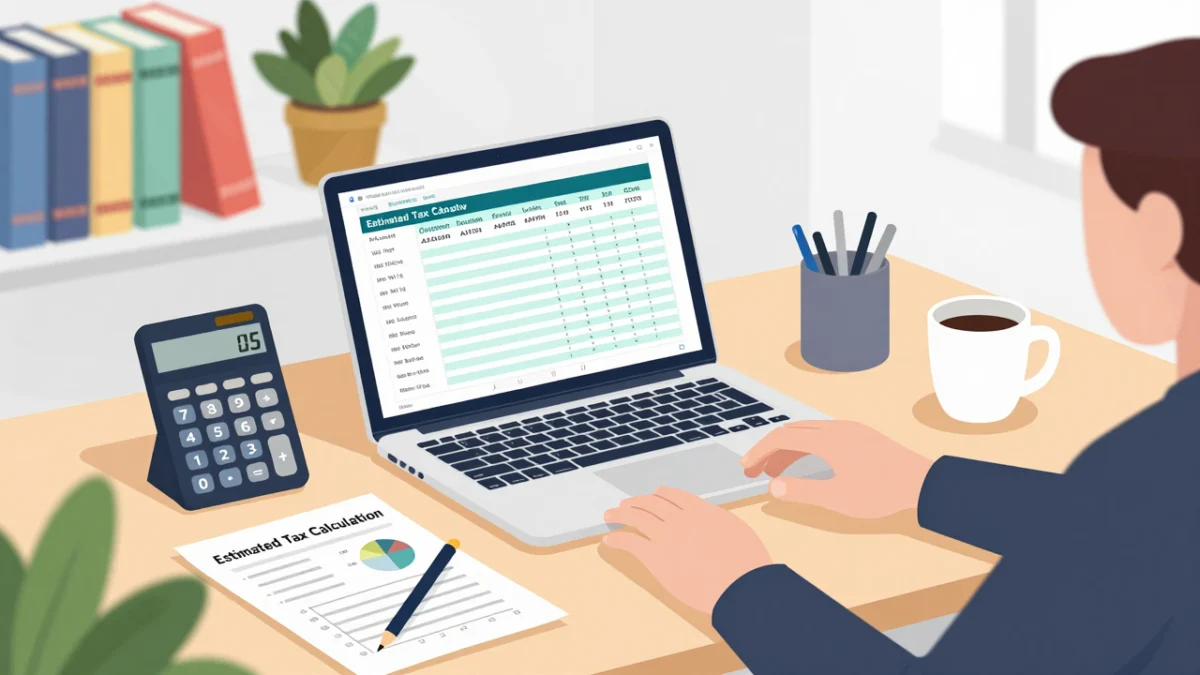
Calculating your estimated tax is a forward-looking exercise. To do this effectively, you must utilize the worksheet provided within the Form 1040-ES package.
Step-by-Step Calculation
- Project Adjusted Gross Income (AGI): Estimate your total income for the year, including business revenue, investment gains, and any other sources.
- Account for Deductions: Subtract your standard or itemized deductions to arrive at your taxable income.
- Calculate Taxes: Apply the current year’s tax brackets to your projected taxable income. Don’t forget to include self-employment taxes (Social Security and Medicare), which currently stand at 15.3% for most self-employed individuals.
- Subtract Credits: Deduct any anticipated tax credits, such as the Child Tax Credit or education credits.
- Divide by Four: Once you have your total annual estimated liability, divide the figure by four to determine your quarterly payment amount.
Pro-Tip: If your income fluctuates significantly—common in seasonal businesses—the IRS offers an "Annualized Income Installment Method." This allows you to pay your taxes based on the actual income earned during each specific quarter rather than an equal 25% distribution.

Official IRS Guidance and Payment Methods
The IRS has modernized the way taxpayers can fulfill these obligations. While mailing a physical voucher and a check to the U.S. Treasury remains an option, the IRS heavily encourages digital solutions.
Modern Payment Avenues
- IRS Direct Pay: A free, secure service that allows you to pay directly from your checking or savings account.
- EFTPS (Electronic Federal Tax Payment System): Designed for businesses and high-frequency filers, this system provides a secure login to manage and track all federal tax payments.
- Debit/Credit Cards: You can pay via authorized third-party payment processors. While convenient, be aware that these services typically charge a processing fee.
- Mobile App: The IRS2Go app provides links to mobile-friendly payment options.
When using online methods, you do not need to print or mail the paper 1040-ES voucher. The electronic confirmation serves as your receipt.

Implications: The Risks of Non-Compliance
Ignoring the requirement to file estimated taxes is a frequent mistake that can lead to long-term financial strain.
Underpayment Penalties
If you do not pay enough tax throughout the year, the IRS will charge an underpayment penalty. This is not a flat fee; it is calculated as interest on the amount you underpaid for each quarter that the payment was late or missing.

The "Snowball" Effect
If you neglect to pay your Q1 or Q2 taxes, you cannot simply increase your Q4 payment to cover the difference. The IRS calculates penalties on a quarterly basis. Therefore, even if you pay your total tax bill in full by April of the following year, you may still owe a penalty because the payments for the first three quarters were late.
Collection Actions
Consistent failure to pay estimated taxes can trigger increased scrutiny from the IRS. In extreme cases of chronic non-payment, the agency may issue notices of levy, potentially leading to wage garnishment or the seizure of assets to satisfy the tax debt.

Exceptions to the Rule
Not every taxpayer with non-wage income is required to file Form 1040-ES. You may be exempt if:
- No Prior Liability: You had no tax liability for the prior year (total tax was zero), you were a U.S. citizen or resident alien for the whole year, and your prior tax year covered a 12-month period.
- Sufficient Withholding: If your spouse is a W-2 employee and you choose to have them increase their tax withholding to cover your joint tax liability, you may avoid the need for separate quarterly estimated payments.
- Low Income Thresholds: Individuals who anticipate their total tax liability after credits will be less than $1,000 are generally exempt.
Conclusion: Proactive Planning for Financial Stability
Managing estimated taxes is more than just a regulatory burden; it is a fundamental aspect of financial literacy for the self-employed. By setting aside a percentage of every invoice or revenue stream throughout the year, you avoid the "April Surprise"—the shock of a large, unexpected tax bill that can disrupt your cash flow and savings goals.

Key Takeaways for Success:
- Maintain Records: Keep detailed logs of all income and business expenses to ensure your projections remain accurate.
- Review Mid-Year: If your income increases or decreases substantially, re-calculate your estimated payments mid-year to adjust your payments accordingly.
- Utilize Technology: Leverage online payment systems like EFTPS to ensure your payments are recorded instantly and securely.
- Consult a Professional: If your tax situation involves complex investments, international income, or business structure changes, consider consulting a CPA or tax attorney to ensure you remain in full compliance.
Staying disciplined with your quarterly obligations provides peace of mind, protects your credit, and ensures that you remain in good standing with the Internal Revenue Service, allowing you to focus on what matters most: growing your business and your financial future.