








The dream of entrepreneurship is often ignited by a singular, visionary idea. Yet, the bridge between a conceptual breakthrough and a functioning business is built on a foundation of capital. For many aspiring founders, the question is not "what" to build, but "how" to fund the journey. In an era of rapid technological advancement and shifting economic landscapes, the toolkit for financing a new venture has expanded significantly beyond traditional bank loans.
Securing the right funding is not a one-size-fits-all endeavor. Whether you are bootstrapping with personal savings, navigating the complexities of government-backed programs, or leveraging community-driven crowdfunding, understanding the mechanics of capital acquisition is the most critical hurdle for any startup. This report examines the current landscape of startup financing, offering a deep dive into the strategies that can turn your entrepreneurial aspirations into reality.
The Landscape of Startup Financing: Main Facts
At its core, startup funding is a balance between risk, equity, and debt. In 2026, the ecosystem is more accessible than ever, but it remains highly competitive. The primary fact remains: capital is available, but it is rarely "easy."

Founders must navigate a hierarchy of funding:
- Non-Dilutive Capital: Funding that does not require you to give up ownership, such as grants or revenue-based financing.
- Debt Financing: Borrowing money that must be repaid with interest, such as SBA loans or lines of credit.
- Equity Financing: Selling a portion of your company to investors (venture capital or angel investors), which is generally reserved for high-growth potential businesses.
The "right" choice depends entirely on your business model, cash flow projections, and tolerance for debt.
A Chronology of Capital Acquisition
The journey to funding typically follows a predictable lifecycle, though the order can vary based on industry and founder experience:

- Phase 1: Pre-Seed (Ideation): Usually funded by personal savings (self-financing), family, and friends. At this stage, the risk is too high for traditional lenders.
- Phase 2: Seed (Validation): Once a prototype or MVP (Minimum Viable Product) exists, founders often turn to crowdfunding, microloans, or niche government grants.
- Phase 3: Early Growth (Operations): With proof of concept, businesses begin to qualify for business lines of credit or asset-based lending, providing the liquidity needed to scale.
- Phase 4: Expansion (Scaling): With established revenue streams, companies can secure larger SBA 7(a) loans or pursue institutional venture funding.
Supporting Data: The Current Financial Reality
The financial data for 2023–2026 underscores a shift toward more inclusive, yet demanding, lending environments.
- SBA Microloans: In 2023, the average SBA microloan was approximately $15,643. Crucially, 27% of these were allocated to startups, proving that even with limited history, government-backed support is a viable path for the early-stage entrepreneur.
- Crowdfunding Growth: The global crowdfunding market, valued at roughly $13.9 billion in 2022, continues to trend upward. This method serves a dual purpose: raising capital and validating market demand.
- Lending Standards: For traditional SBA 7(a) loans—which can reach up to $5.5 million—the barrier to entry is high. Only 15% of these loans are granted to businesses with less than two years of operational history, highlighting why startups must focus on thorough documentation, including professional business plans and verified financial projections.
Official Perspectives and Expert Guidance
Government agencies and financial institutions emphasize that documentation is the primary cause of loan denials.
The Small Business Administration (SBA) Perspective:
According to official SBA guidelines, the agency does not lend money directly to small business owners. Instead, they provide a "guarantee" to lenders, which minimizes the risk for banks. This is why SBA loans offer competitive interest rates; the lender is protected by the government. The implication for founders is clear: you are not applying for government money, you are applying for a bank loan that the government has "vouched" for.

Financial Expert Consensus:
Experts suggest that before approaching any lender, a founder must perform a "stress test" on their business. "Do not seek capital to survive; seek capital to thrive," says one industry analyst. "Lenders are not interested in paying off your existing debts; they are interested in financing your growth."
Strategic Deep Dive: Financing Options
SBA Loans: Government-Backed Stability
For the entrepreneur seeking long-term stability, SBA loans are the gold standard. While they require a rigorous application process, the low interest rates and extended repayment terms are unmatched. To qualify, you must demonstrate a clear path to profitability and possess collateral. For those without collateral, the SBA Microloan program serves as the essential alternative.
Self-Financing: The "Skin in the Game" Approach
Self-financing (bootstrapping) is the fastest way to get started, but it carries the highest personal risk. It is often a prerequisite for outside investors—they want to see that you have invested your own capital before they risk theirs.

- Risk Mitigation: Always maintain a clear separation between personal and business finances. Never tap into emergency savings that would jeopardize your personal household stability.
Grants: The Risk-Free Goldmine
Grants, such as those found on Grants.gov, are the only form of "free" money. However, they are highly competitive.
- The Strategy: Focus on grants that align with your specific demographics or social impact goals. If your startup addresses a societal issue—such as sustainability or underrepresented community support—you will find significantly more grant opportunities than in general retail or service sectors.
Crowdfunding: Validation Through Community
Platforms like Kickstarter and Indiegogo have transformed from "charity" platforms into sophisticated marketing tools. A successful campaign does more than raise funds; it creates a customer base of early adopters. However, it requires a significant upfront investment in marketing and content production. If your campaign fails to reach its goal, you often receive nothing, making this a "high-stakes" endeavor.
Business Lines of Credit: Managing Cash Flow
One of the most overlooked tools is the business line of credit. Unlike a term loan, a line of credit allows you to draw only what you need, when you need it.

- Key Advantage: You only pay interest on the amount utilized. This is a vital resource for startups dealing with the "feast or famine" nature of early-stage revenue. With a minimum credit score requirement often around 600, it is a reachable goal for many new LLCs.
Asset-Based Lending: Unlocking Tangible Value
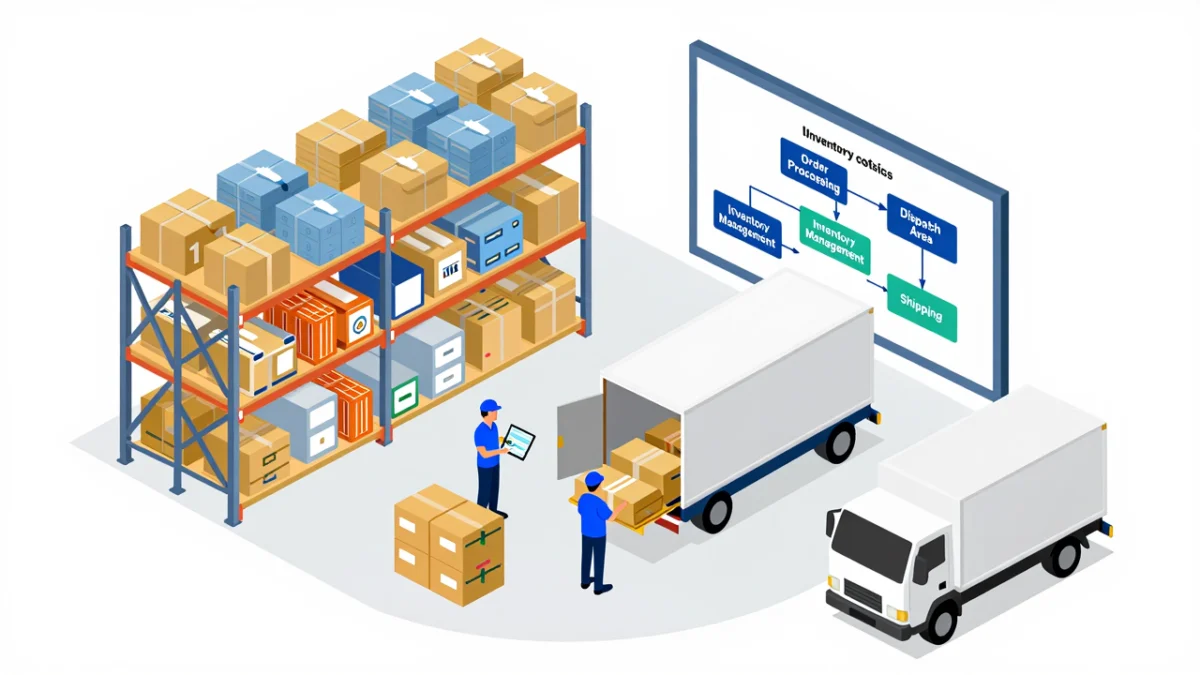
If you have inventory, equipment, or commercial real estate, you are sitting on capital. Asset-based lending allows you to borrow against these items. This is particularly effective for businesses with a limited credit history, as the loan is secured by the asset, not the owner’s personal credit score.
Implications for the Modern Entrepreneur
The shift in the 2026 financial climate indicates that the burden of proof has moved onto the founder. Whether you are using a bank loan or a community-backed crowdfunding campaign, you are now expected to be a data-driven storyteller.
The Implications:

- Professionalism is Mandatory: The days of "handshake deals" are largely behind us. Even when borrowing from friends and family, formalize the agreement with a written contract to protect the relationship and your business entity.
- Digital Footprint Matters: Lenders now look at your online presence, social proof, and customer feedback. Your digital marketing strategy is now an extension of your credit application.
- Financial Literacy: You must understand the difference between "Cash Flow" and "Profit." Many startups fail not because they lack a good product, but because they lack the liquidity to bridge the gap between expenses and revenue.
Conclusion
Starting a business is a monumental challenge that requires more than just passion; it requires strategic financial planning. By diversifying your sources of capital—combining the stability of SBA loans with the agility of lines of credit and the market validation of crowdfunding—you build a resilient business structure.
The path to funding is rarely a straight line. It requires resilience, meticulous documentation, and an unwavering commitment to your vision. As you move forward, remember that every dollar of debt you take on must serve a clear purpose in scaling your operations. Evaluate these options carefully, align your choices with your specific business goals, and remember: the most successful entrepreneurs are those who understand the value of their capital as well as they understand the value of their product.
Disclaimer: This article is for informational purposes only. Always consult with a certified financial advisor or legal professional before entering into any lending or investment agreement.