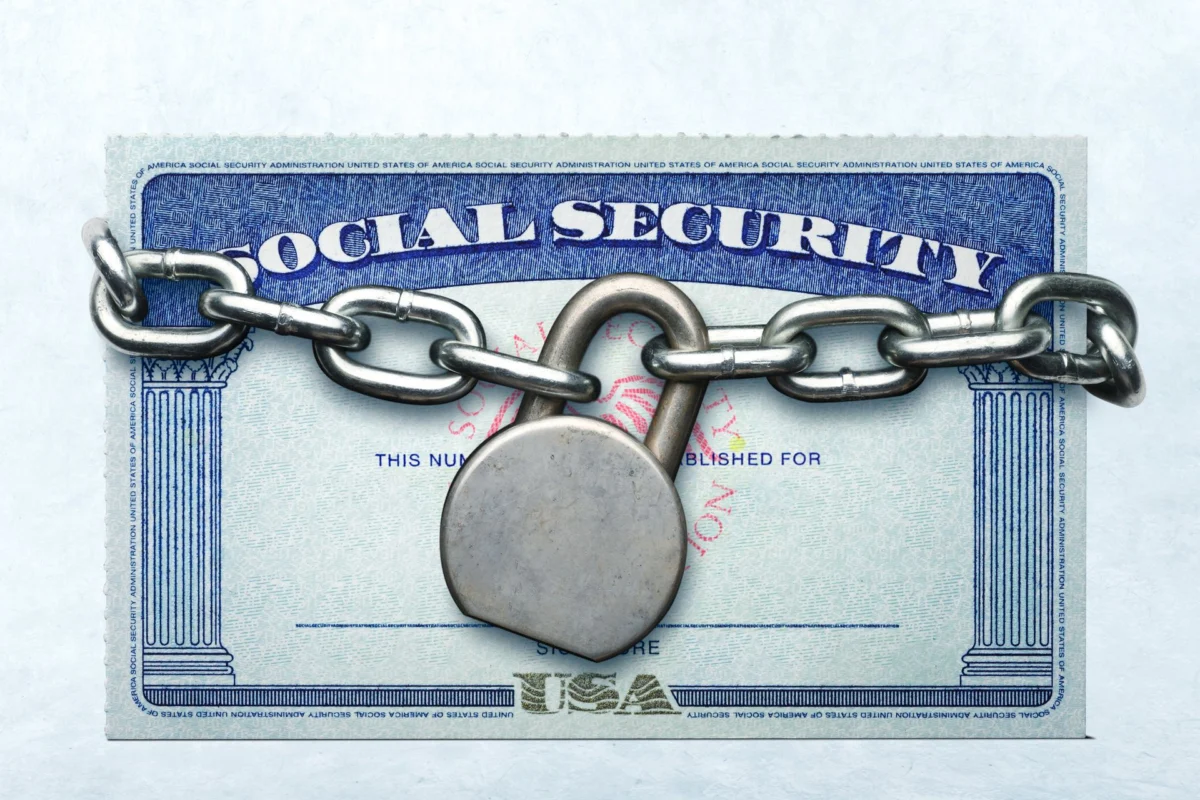










For many retirees, the financial planning process is focused on the "big picture": maximizing Social Security benefits, navigating tax-efficient withdrawals, and ensuring a portfolio survives the volatility of market cycles. However, there is a dangerous, often overlooked blind spot that can dismantle years of disciplined saving in a matter of minutes: the sophisticated, rapidly evolving world of financial fraud.
Recently, a 79-year-old client of mine experienced this reality firsthand. After a routine stop at a local ATM to withdraw cash, she felt nothing but the normalcy of daily life. A few hours later, the serenity of her retirement was shattered by the discovery of $1,400 in unauthorized withdrawals. While the financial loss was significant, the operational nightmare that followed was worse. The ATM she had used was not owned by her primary bank, but by a third-party vendor. This technicality turned a simple fraud report into a weeks-long ordeal of conflicting jurisdictions, endless paperwork, and mounting anxiety.
While she eventually recovered every cent, the psychological toll was profound. It left her with a sense of vulnerability that no market downturn had ever triggered. As the founder of Octave Wealth Management, I have realized that while we teach our clients how to manage risk in the stock market, we must now prioritize teaching them how to manage risk in the digital landscape. The tactics being deployed against older Americans are no longer crude, easily identifiable attempts at theft; they are psychological operations designed to bypass logic and exploit trust.
The Anatomy of Modern Financial Fraud
The landscape of financial crime has shifted from "spray and pray" tactics to highly targeted, multi-stage campaigns. Criminals today utilize sophisticated data scraping, social engineering, and emerging technologies like Generative AI to create scenarios that feel undeniably authentic.
In 2023 alone, the FBI’s Internet Crime Complaint Center (IC3) reported that investment fraud cost Americans more than $4.5 billion. Older adults are consistently the primary targets of these schemes, not because they are less capable, but because they hold the majority of the nation’s accumulated wealth. When these scams succeed, the loss isn’t just a number on a balance sheet—it represents a disruption to retirement security, medical care, and the legacy they intended to leave behind.
Five Prevalent Scams Threatening Retirees Today
To defend your assets, you must first recognize the weapons being used against you. Here are the five most prevalent scams currently targeting the retiree demographic.
1. The "Your Money Isn’t Safe" Scam
This is the "king" of modern scams, frequently keeping law enforcement agencies awake at night. The victim receives a call, text, or email from someone posing as a representative from the IRS, Social Security, a major bank, or even the FBI.
The narrative is always the same: your accounts have been compromised, your identity has been stolen, or your assets are linked to a criminal investigation. The scammer insists that to "protect" your funds, you must immediately move them to a "safe" government-monitored account. They will direct you to wire funds, purchase gold bullion, or deposit cash into a cryptocurrency ATM. Once the money enters the blockchain or is handed to a courier, it is effectively gone.
The Golden Rule: No legitimate institution will ever ask you to move your money to a "safe" account. If you receive such a call, hang up immediately and contact your institution through a verified phone number found on their official website or the back of your debit card.
2. The Rise of Investment and Cryptocurrency Fraud
These schemes are characterized by long-term cultivation. A scammer may spend weeks building rapport via LinkedIn, Facebook, or even dating apps. Once a sense of trust is established, they introduce an "exclusive" investment opportunity—typically in cryptocurrency or private equity.
Victims are often directed to a sophisticated, professional-looking website where they can watch their "gains" grow in real-time. These dashboards are entirely fraudulent. The moment a victim tries to withdraw their capital, the platform may demand "tax fees" or "unlocking charges," leading to further loss.
The Golden Rule: If an investment opportunity arrives via an unsolicited message from someone you have never met in person, it is a scam. High-yield, "exclusive" opportunities are never advertised through cold messaging.
3. Wire Fraud During Major Transactions
This scam targets individuals in the midst of legitimate, high-stress transactions, such as buying a home, refinancing a mortgage, or executing a trust transfer. Criminals use sophisticated hacking tools to intercept email chains between the client and their title company or attorney.
They then send an email that appears to be from the closing agent, providing "updated" wiring instructions. Because the victim is expecting a request for funds, the scam seems legitimate. The money is wired directly into the criminal’s account.
The Golden Rule: Never rely on wiring instructions sent via email. Always verbally confirm instructions with your known contact at the title company or bank using a phone number you have verified independently.
4. AI Voice-Cloning and the Grandparent Scam
This represents the most chilling advancement in fraud. Using AI, criminals can now clone a human voice using only a few seconds of audio taken from social media videos or public recordings. A grandparent receives a call from a panicked "grandchild" claiming to have been arrested or involved in a serious accident.
The combination of the child’s familiar voice and the manufactured crisis creates a state of "amygdala hijack"—the brain’s fear center overrides the logical center, making the victim susceptible to immediate demands for bail money or legal fees.
The Golden Rule: Create a family "code word." If an emergency call comes in, ask for the word. If the caller cannot provide it, the call is a scam.
5. Tech Support Impersonation
This classic scam has become more dangerous with the advent of remote-access software. A pop-up on your computer alerts you to a "critical virus" or a "locked account." You are urged to call a support number. Once you do, the "agent" asks for remote access to your computer to "fix" the issue. Once they are inside your machine, they can access your banking passwords, saved files, and personal identifiers.
The Golden Rule: Never grant remote access to your device to anyone who initiated the contact. Legitimate tech firms like Microsoft or Apple do not proactively reach out to users via browser pop-ups.
Implications for Financial Security
The common thread across all these scams is the deliberate manufacturing of urgency. By creating a high-pressure environment, criminals disable the victim’s ability to engage in critical thinking. They rely on the human desire to solve problems quickly and avoid conflict or catastrophe.
The financial industry has a responsibility to do more than just manage assets; we must help clients manage the security of those assets. The implications of falling for a scam extend far beyond the immediate financial loss. Many victims suffer from a decline in physical health, a loss of independence, and a permanent erosion of trust in the institutions that are supposed to serve them.
A Defensive Strategy for Retirees
To protect yourself, implement these three pillars of defense:
- The Pause Rule: If a situation feels urgent, it is almost certainly a scam. Financial institutions and government agencies do not operate on a "now or never" timeline. Always give yourself at least 24 hours to verify any unusual request.
- Verify, Don’t Accept: If you receive a request for money or sensitive information, find the official contact information for that organization independently—do not use the phone numbers, links, or email addresses provided in the suspicious communication.
- Digital Hygiene: Regularly update your passwords, use multi-factor authentication on all financial accounts, and be cautious about what you share on social media. The more information a criminal has about your family, your travel plans, and your bank, the easier it is for them to build a believable lie.
The most effective scams are not designed to defeat "unintelligent" people; they are designed to bypass the defenses of rational, hardworking, and trusting individuals. As the world becomes increasingly digital, your greatest asset is not just your portfolio, but your skepticism. By slowing down, verifying every request, and maintaining a healthy dose of suspicion, you can ensure that your retirement remains secure from those who seek to take it.
Disclaimer: This article is for informational purposes and presents the views of the author. It does not constitute legal or financial advice. For specific concerns regarding fraud or security, please consult with your financial advisor or report the incident to the appropriate authorities. You can verify the credentials of financial professionals through the SEC’s Investment Adviser Public Disclosure (IAPD) website or FINRA’s BrokerCheck.