









For years, Navient—one of the most prominent names in the student loan servicing industry—provided a pathway for borrowers to lower their interest rates through its dedicated refinancing arm, NaviRefi. However, in a landscape defined by rapid consolidation and shifting corporate strategies, that brand has officially been retired.
For many borrowers, attempting to access NaviRefi today results in a seamless redirection to Earnest, a fintech-forward student loan lender. While this transition may seem like a mere branding update, it carries significant implications for those managing student debt. Understanding the history of this partnership, the nature of private refinancing, and the broader financial ecosystem is essential for any borrower looking to optimize their debt strategy.
The Evolution of NaviRefi: A Chronology of Consolidation
To understand why the NaviRefi brand has vanished, one must look at the corporate history between Navient and Earnest. The two entities were never truly separate in their lending operations.
- 2017: The Acquisition: In a strategic move to bolster its presence in the private student loan market, Navient acquired Earnest, a prominent online lender known for its data-driven underwriting and flexible repayment terms.
- The Originator Reality: From the inception of the NaviRefi product, Earnest acted as the actual originator and lender of record. Navient utilized the NaviRefi brand as a customer-facing portal, leveraging its existing relationship with millions of federal and private loan holders to drive traffic to the product.
- 2021: The Federal Exit: Navient announced its departure from the federal student loan servicing contract in 2021, shifting its focus toward private credit and business services. This signaled a major pivot in the company’s business model.
- October 2023: Full Integration: By late 2023, the transition was finalized. All servicing for legacy NaviRefi loans was folded entirely into the Earnest platform. Today, NaviRefi no longer exists as a standalone service, effectively closing the chapter on a brand that served as a bridge between a legacy giant and a modern fintech company.
The Mechanics of Refinancing: Why the Source Matters
When a borrower refinances, they are essentially taking out a brand-new private loan to pay off their existing debt. This is a critical distinction that many borrowers overlook. Whether you held a loan with Navient, a federal servicer, or a local credit union, once you refinance, you are entering into a fresh contract with a private entity.
The Trade-Off of Private Refinancing
Refinancing is not a "one-size-fits-all" financial move. The primary advantage is the potential for a lower interest rate, which can reduce the total cost of interest over the life of the loan. However, there is a significant trade-off, particularly for federal loan holders.
When you move federal student loans to a private lender like Earnest, you permanently forfeit federal protections. This includes access to:
- Income-Driven Repayment (IDR) plans: These programs cap payments based on your income and household size.
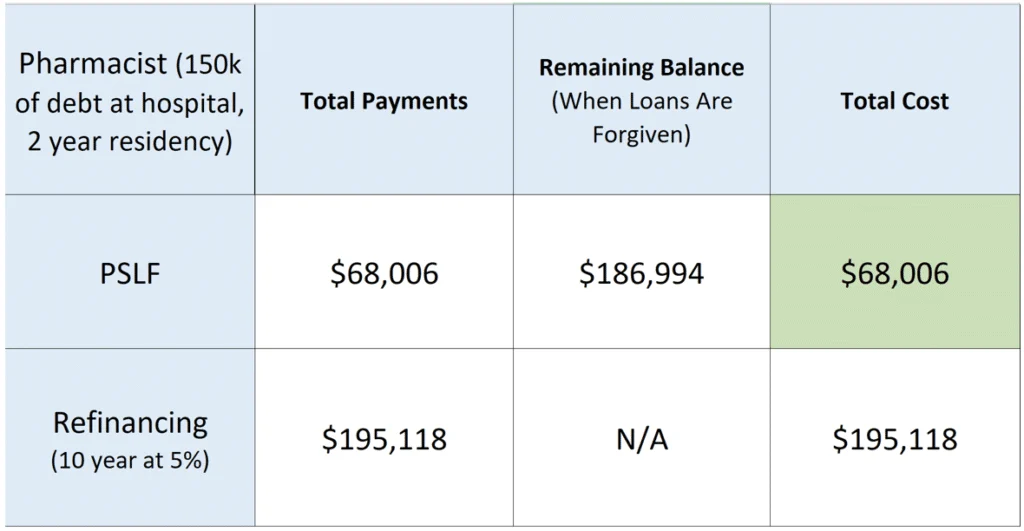
- Public Service Loan Forgiveness (PSLF): Refinancing federal debt makes it ineligible for forgiveness after ten years of public service employment.
- Deferment and Forbearance: While private lenders offer some hardship options, they are rarely as flexible or generous as those provided by the Department of Education.
Supporting Data: When Does Refinancing Make Sense?
Financial experts generally advise against refinancing federal student loans unless the borrower is in a strong financial position where federal protections are no longer necessary. A common "rule of thumb" for assessing this is the debt-to-income ratio.
The 1.5x Benchmark
If your total student loan balance is significantly lower than your annual income, you are likely a strong candidate for refinancing. For instance, if a borrower earns $100,000 annually and holds $75,000 in debt, the risk of needing a federal safety net is lower than that of a borrower with $200,000 in debt and a $40,000 salary. In the former case, refinancing could save the borrower thousands in interest charges without exposing them to undue financial risk.
Analyzing Earnest as a Refinance Provider
Since Earnest is now the primary destination for former NaviRefi prospects, it is important to evaluate what they bring to the table compared to the broader market.
Interest Rates and Incentives
Earnest employs a proprietary underwriting model that considers factors beyond just a credit score, including career potential and spending habits. They offer both fixed- and variable-rate loans. As is standard in the industry, they provide a 0.25% interest rate discount for borrowers who enroll in autopay.
Fee Structure
In the current competitive environment, the absence of fees has become a baseline expectation rather than a premium feature. Earnest does not charge:
- Origination Fees: You are not charged a percentage of the loan amount to process the refinance.
- Application Fees: Reviewing your rate does not cost anything.
- Prepayment Penalties: You are free to pay off your loan early, which is an essential feature for those who want to accelerate their debt payoff journey.
Repayment Terms
Earnest offers terms ranging from 5 to 20 years. This flexibility is beneficial for borrowers with different goals. A 5-year term will result in higher monthly payments but lower total interest costs, while a 20-year term offers lower monthly payments at the cost of a higher long-term interest burden. Borrowers must be cautious, however; regional variations exist. For example, Kentucky residents are subject to specific term restrictions for smaller loan balances, highlighting the importance of reading the fine print for your specific jurisdiction.
Implications: The Necessity of Market Comparison
The most dangerous assumption a borrower can make is that because they were directed to Earnest from a Navient page, they are receiving an "exclusive" or "best" offer. In reality, the student loan refinancing market is highly competitive.
The Case for "Shopping Around"
There is no loyalty bonus for sticking with the lender that serviced your previous loans. By comparing multiple lenders—such as SoFi, Credible, Laurel Road, or Splash Financial—you might find significantly better rates or more favorable hardship programs.
One of the greatest benefits of the modern digital lending era is that checking your rates usually does not impact your credit score. Most lenders perform a "soft pull" of your credit during the initial quote phase. This allows you to collect data from three or four different lenders, compare their terms side-by-side, and make an informed decision without triggering a "hard inquiry" that could temporarily dip your credit score. Only when you choose to proceed with a formal application does the lender perform the hard credit check required to finalize the loan.
Final Considerations: Making the Right Move
The transition from NaviRefi to Earnest serves as a reminder that the student loan market is fluid. Brands come and go, but the underlying debt remains a significant factor in your long-term financial health.
If you are currently evaluating your Navient-originated loans, do not feel pressured to accept the first offer that comes your way simply because of a digital redirect. Instead, follow a structured process:
- Assess your federal eligibility: If you have federal loans, ensure you aren’t sacrificing forgiveness programs you may qualify for.
- Evaluate your financial health: Calculate your debt-to-income ratio to ensure you are in a position where the loss of federal protections is a calculated risk.
- Compare, compare, compare: Use online tools to pull quotes from multiple lenders simultaneously.
- Analyze the total cost: Look past the monthly payment. Calculate the "total cost of borrowing" over the life of the loan to see the true impact of the interest rate offered.
Whether you choose Earnest or another provider, the goal of refinancing should be to improve your financial position. By taking the time to research, compare, and understand the terms of your new loan, you can ensure that the retirement of the NaviRefi brand is an opportunity to reset your financial path rather than a hurdle in your journey toward debt freedom.