








In an era where travel planning relies heavily on digital precision, a single administrative error can cascade into a logistical nightmare. A recent case involving Virgin Atlantic and a long-haul award booking has brought to light the precarious nature of airline customer service, particularly when multiple carriers are involved in a single itinerary.
A traveler, who had meticulously planned a milestone birthday trip to Peru, finds themselves in a precarious position after a Virgin Atlantic representative’s conflicting advice led to the preemptive cancellation of a business-class ticket. Despite the airline explicitly acknowledging that its own agent provided incorrect information, the carrier has refused to reinstate the booking, leaving the passenger to face thousands of dollars in non-refundable losses.
The Chronology of a Failed Itinerary
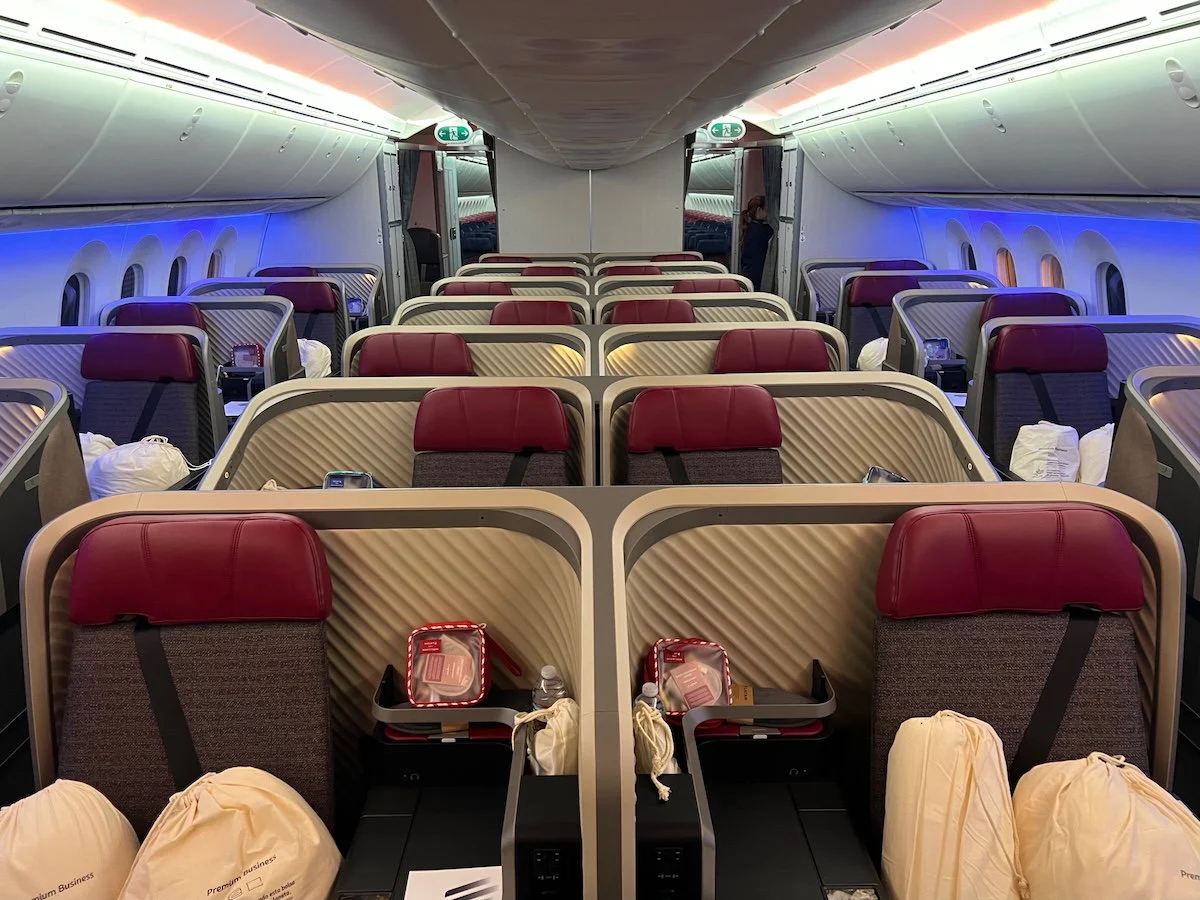
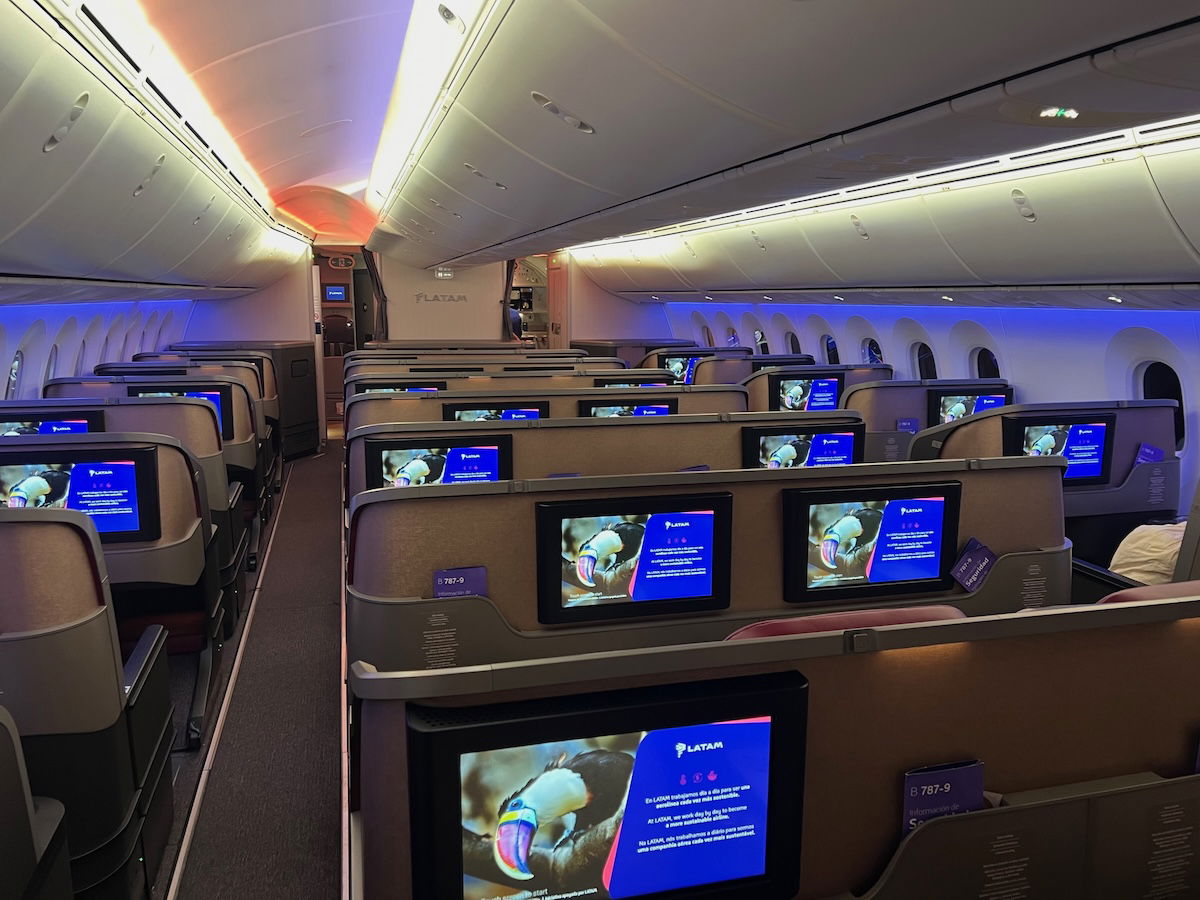
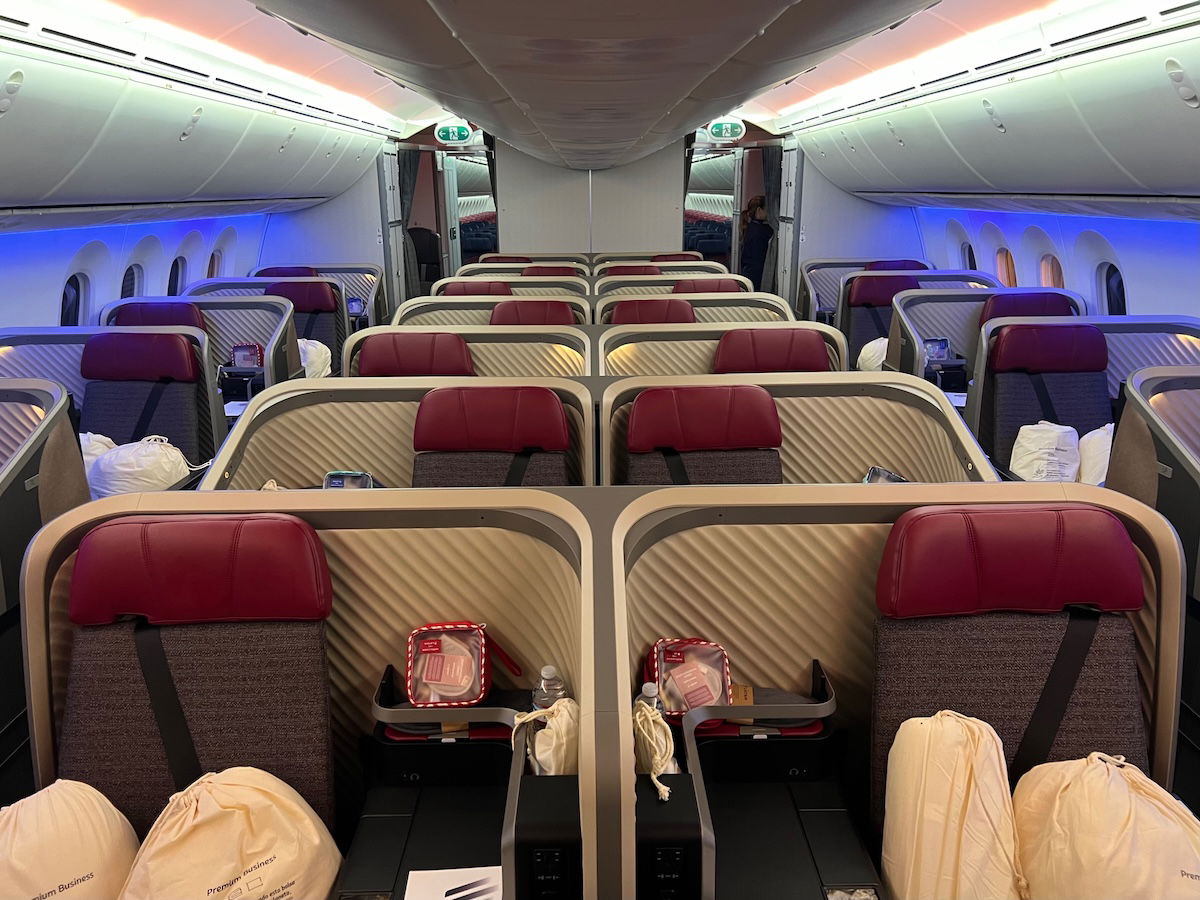
The ordeal began on October 3, 2025, when the passenger contacted Virgin Atlantic’s Flying Club to secure business-class seats for a multi-city journey to Peru, operated by LATAM Airlines. The trip was intended as a celebration for both the passenger and their partner. During the booking process, the passenger specifically queried the necessity of including a middle name to match their passport. The Virgin Atlantic agent explicitly instructed the passenger that a middle name was unnecessary. Consequently, while the partner’s ticket included their middle name, the passenger’s did not.
For months, the reservation remained seemingly secure. However, in July 2026, as the travel date approached, the passenger grew concerned after reading reports that discrepancies between passport names and tickets could lead to denied boarding. Exercising due diligence, they contacted Virgin Atlantic to amend the reservation.
The interaction that followed is where the situation shifted from a simple clerical update to a systemic failure. The agent promised to review the call logs from the initial booking in October 2025. Upon follow-up, the agent confirmed that a Virgin Atlantic representative had indeed provided incorrect information regarding the middle name requirement.
Instead of correcting the manifest, the airline took an extraordinary and unrequested step: they canceled the passenger’s ticket entirely. Because the reservation was an award booking, the airline then claimed that since the original LATAM award inventory was no longer available, they were unable to rebook the passenger.
The Consequence: Stranded in Planning
The implications for the passenger are severe. The itinerary included extensive, non-refundable arrangements—prepaid accommodations, private tours, and internal regional flights—all booked under the passenger’s name. The passenger’s partner remains on the original reservation, but the prospect of traveling separately or canceling the entire trip creates an impossible dilemma.
With the current market rate for the same business-class itinerary exceeding $4,500, the passenger is now facing a significant financial burden. The airline’s current stance—offering a mere refund of the points used for the booking—fails to address the "consequential damages" caused by the airline’s own administrative error. The passenger has been told that if the award inventory does not reappear, they are effectively on their own.
The Technical and Ethical Dilemma: Is a Middle Name Necessary?
A central irony of this situation is the widespread industry ambiguity surrounding middle names on airline tickets. While many airlines "recommend" that the name on a ticket matches the passport exactly, the reality is far more nuanced.
In most international travel scenarios, minor name discrepancies—such as the omission of a middle name—rarely result in denied boarding. Security and immigration officials are generally focused on whether the passenger’s first and last name match the machine-readable zone of the passport.
By attempting to "fix" a non-existent problem, the airline created a genuine one. The act of canceling the ticket in anticipation of a potential boarding issue was a drastic overreach. In the world of airline ticketing, once a ticket is cancelled, the underlying award seat—which is highly coveted and strictly limited in quantity—is often immediately released back into the GDS (Global Distribution System) or disappears entirely. Virgin Atlantic’s failure to secure a contingency plan before pulling the trigger on the cancellation reflects a fundamental breakdown in their internal protocol.
Regulatory and Legal Implications
The legal landscape for this type of dispute is notoriously complex. The ticket was issued by a UK-based airline (Virgin Atlantic) for a flight originating in the United States and operated by a South American carrier (LATAM).
The Regulatory Landscape
Under U.S. Department of Transportation (DOT) guidelines, airlines are held to high standards regarding transparency and the fulfillment of services promised to consumers. While DOT regulations often focus on tarmac delays and baggage, there is an increasing emphasis on holding airlines accountable for "unfair and deceptive practices."
When an airline admits in writing or via recorded logs that its agent provided erroneous information, the consumer has a strong argument for "detrimental reliance." The passenger relied on the expertise of the agent, and the airline’s subsequent failure to rectify the situation without causing financial harm could be interpreted as a failure to provide the contracted service.
The "Contract of Carriage"
Every airline operates under a "Contract of Carriage," a legal document that outlines the rights and responsibilities of both the passenger and the carrier. While these contracts are heavily skewed in favor of the airline, they generally do not grant the carrier the right to unilaterally cancel a confirmed ticket without cause, especially when the cause is a self-admitted internal error.
The Failure of Customer Recovery
The most disappointing aspect of this saga is the lack of "service recovery." In the airline industry, service recovery is the practice of going above and beyond to rectify a mistake. For a major carrier like Virgin Atlantic, which has historically maintained a positive reputation for customer service, the response in this case is baffling.
Rather than taking responsibility, the airline has effectively told the customer that their financial loss is their own problem. This "wash our hands of it" approach ignores the fact that the customer’s travel plans were irrevocably altered by a representative of the company.
When a passenger pays for a service, they are purchasing a promise of transportation. When that promise is broken by the service provider, the provider is generally expected to either:
- Re-accommodate the passenger on the next available flight, even if it requires "opening" a seat that isn’t technically available for award booking.
- Provide full compensation for the loss of non-refundable assets directly caused by the cancellation.
Conclusion: A Cautionary Tale for Travelers
This incident serves as a stark reminder for frequent flyers and vacationers alike. While it is always wise to ensure that ticket details match government-issued identification, it is equally important to be wary of "corrective" actions taken by airline support centers.
The "Middle Name Fiasco" highlights a critical flaw in modern airline operations: the disconnect between the agents who provide information and the systems that manage inventory. When these two arms of an airline fail to communicate, it is almost always the passenger who suffers the consequences.
As of this writing, the traveler remains in limbo. The hope remains that Virgin Atlantic will reconsider its position and recognize that the cost of doing the right thing—rebooking the passenger—is far lower than the cost of the reputational damage caused by such a blatant disregard for their own operational errors.
For the aviation industry, this case should serve as a wake-up call. Passengers are not merely ticket numbers; they are individuals whose lives and finances are intricately tied to the reliability of the airlines they choose. When an airline admits to an error, the burden of fixing that error must rest with the carrier, not the customer. Until airlines implement more robust service recovery protocols, travelers must continue to advocate for themselves, armed with documentation, clear communication, and an awareness of their rights under international and domestic law.