









In the modern financial landscape, your credit score acts as a digital fingerprint. It is a three-digit number that dictates your purchasing power, your interest rates, and, in some cases, your ability to secure housing or employment. For many, the journey to a high credit score feels like navigating a labyrinth—complex, time-consuming, and prone to hidden traps. Understanding the timeline and the mechanics behind credit scoring is the first step toward financial independence.
The Foundation: Understanding Credit Scoring Basics
At its core, a credit score is a statistical representation of your reliability as a borrower. Lenders use these scores to predict the likelihood that you will repay a loan on time. While there are various proprietary models, the industry standard is dominated by FICO® and VantageScore®.
For those starting from scratch—often referred to as "credit invisible"—the journey begins the moment a qualifying account is reported to the three major credit bureaus (Equifax, Experian, and TransUnion). It typically takes six months of consistent account activity to generate an initial FICO® score. This "six-month rule" exists because scoring models require a baseline of data to establish a pattern of behavior.
Why Credit History Matters
Your credit score is not merely a number; it is a gateway. A higher score translates to lower interest rates, which can save you tens of thousands of dollars over the lifetime of a mortgage or auto loan. Conversely, a poor score can lead to predatory interest rates or outright denial of credit. In many states, even your auto insurance premiums are tied to your creditworthiness, making credit management a critical component of household budgeting.

The Chronology of Credit Building: A Realistic Timeline
Building credit is a marathon, not a sprint. While some internet gurus promise "instant" fixes, the reality is that the scoring algorithms prioritize long-term, stable behavior.
1. From "No Credit" to First Score (0–6 Months)
If you have never held a credit card or loan, you essentially do not exist in the eyes of credit scoring models. During this phase, your primary objective is simply to establish a record. Opening a secured credit card or becoming an authorized user on a family member’s account are the most common strategies. Within six months, you should see your first score appear.
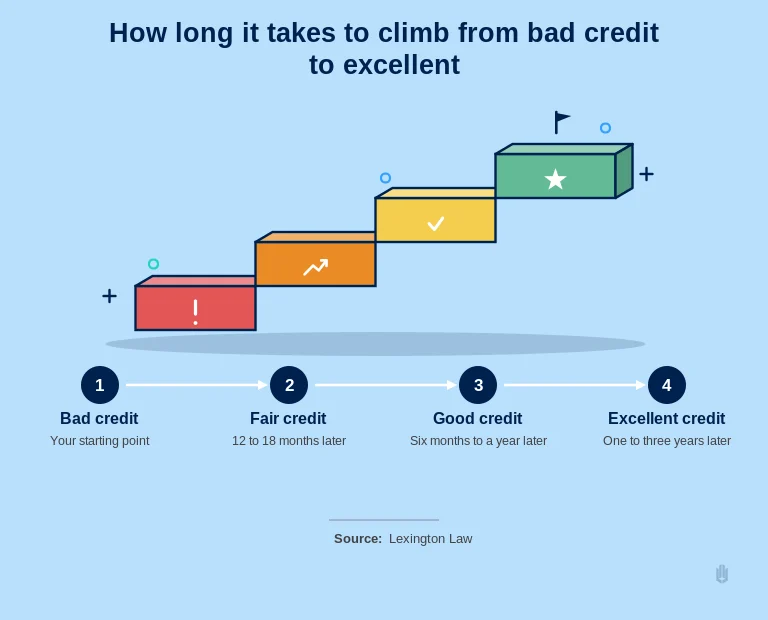
2. From "Bad" to "Fair" (12–18 Months)
If you are rebuilding credit after a negative event—such as a bankruptcy, charge-off, or series of late payments—the timeline extends. You must allow time for the negative marks to "age." As time passes, the weight of these negative events diminishes within the scoring formula. Simultaneously, you must establish a new, positive history of on-time payments. Expect a 12 to 18-month commitment to see your score shift from the "bad" category into the "fair" range.
3. From "Fair" to "Good" (6 Months–1 Year)
Once you have established a baseline of positive history, moving from fair to good is often a matter of refining your habits. This stage focuses on credit utilization—the ratio of your debt to your credit limit. By keeping your utilization below 30% (ideally below 10%), you can often transition into the "good" category within six to twelve months, provided you avoid any new derogatory marks.

4. From "Good" to "Excellent" (1–3 Years)
Reaching the "excellent" tier (typically 750+) is a test of patience. At this stage, the length of your credit history becomes a significant factor. There is no shortcut to having an "old" credit account; you must simply wait. Most individuals spend one to three years maintaining high-level habits to reach the peak of the credit scale.
Supporting Data: What Actually Moves the Needle?
To understand how to move through these tiers, one must look at the weighting of the scoring models.
FICO® Score Components:
- Payment History (35%): This is the single most important factor. A single missed payment can cause a significant, immediate drop in your score.
- Amounts Owed (30%): This involves your credit utilization ratio. High balances relative to your limits signal financial distress.
- Length of Credit History (15%): The age of your oldest and newest accounts, as well as the average age of all accounts.
- New Credit (10%): Frequent applications for new credit suggest financial instability.
- Credit Mix (10%): A healthy blend of revolving credit (cards) and installment loans (auto, student, mortgage) is beneficial.
VantageScore® Factors:
While similar to FICO, VantageScore® places a high premium on "extremely influential" factors like payment history and "highly influential" factors such as credit utilization and the depth of your credit history. Unlike FICO, which can be more rigid regarding the "six-month" rule, VantageScore® can sometimes generate a score sooner if a trade line has been reported within the last 24 months.
Strategic Habits and Common Pitfalls
Habits That Shorten the Timeline
- Automate Payments: Setting up autopay ensures you never miss a due date, protecting the most critical 35% of your FICO score.
- Strategic Utilization: Pay off your credit card balance before the statement closing date. This ensures that the low balance—not the high spending—is what gets reported to the bureaus.
- Authorized User Status: Leveraging someone else’s good credit history can give you a "jump start," provided the account is well-managed.
Pitfalls to Avoid
- Closing Old Accounts: Even if you don’t use an old card, keep it open. Closing it reduces your total available credit (increasing your utilization) and shortens your average account age.
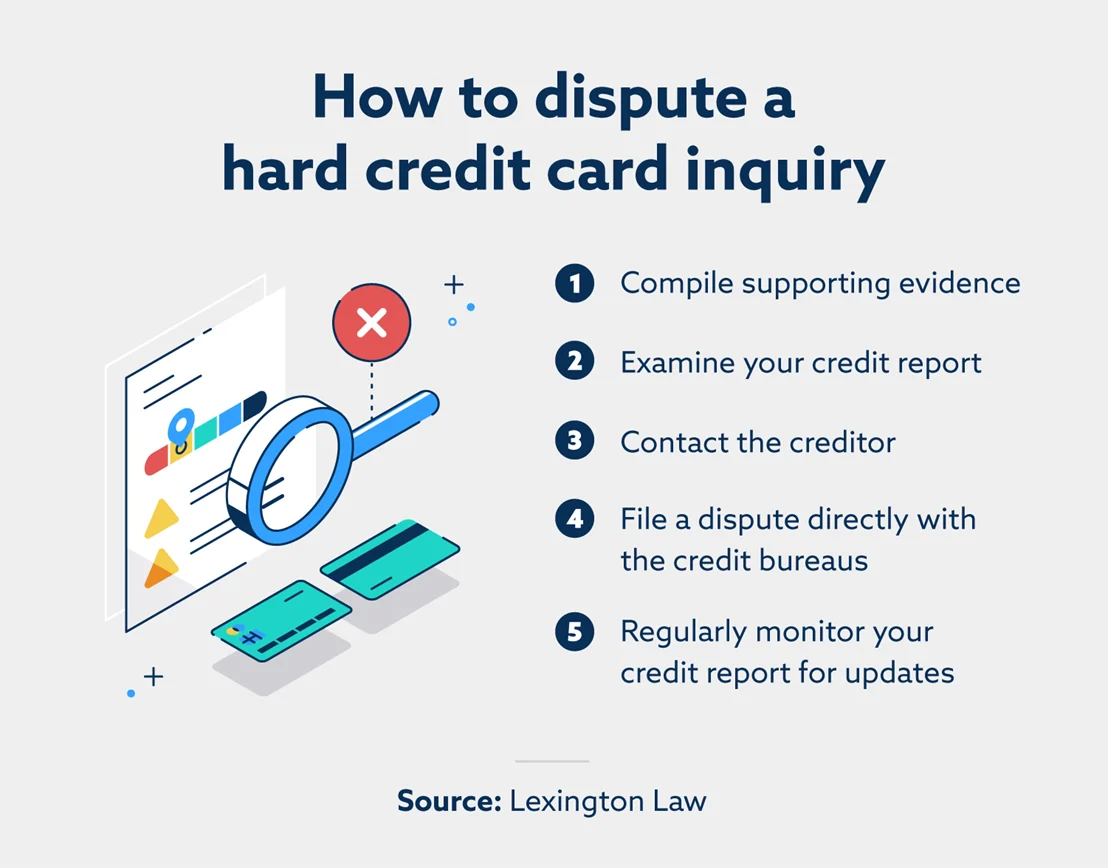
- "Shotgunning" Applications: Applying for multiple credit cards in a short period triggers multiple "hard inquiries," which can temporarily lower your score and signal desperation to lenders.
- Ignoring Errors: A single reporting error—such as a debt that isn’t yours or an incorrect payment status—can negate months of hard work.
The Role of Professional Advocacy
Sometimes, the obstacle to a better credit score isn’t a lack of effort, but the presence of inaccurate, unfair, or unsubstantiated negative items. Credit reports are managed by humans and automated systems, both of which are prone to errors.

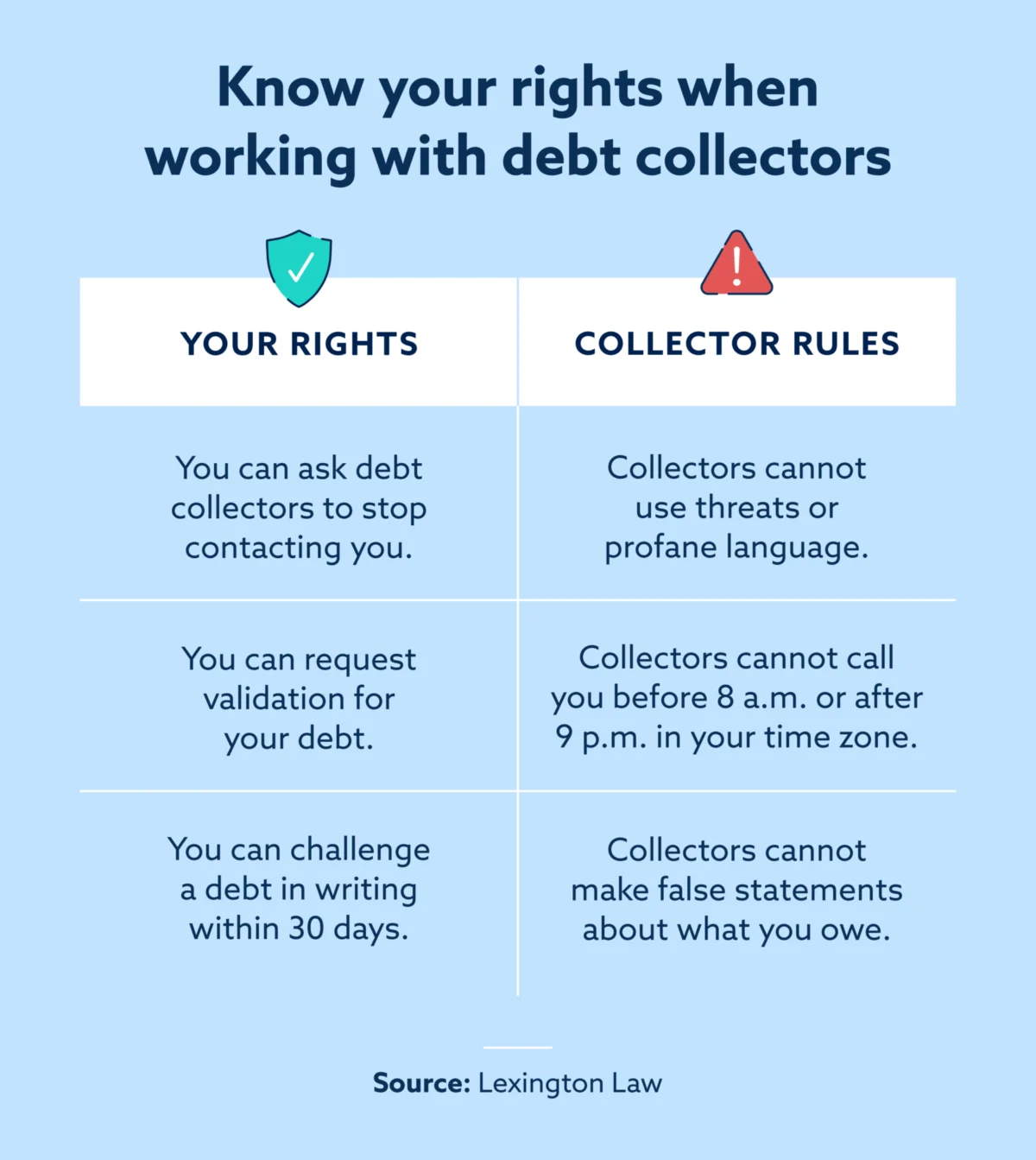
If you find that your score is stagnant despite consistent, positive behavior, it may be time to audit your credit report. Professional services, such as those provided by Lexington Law Firm, can assist in identifying inaccuracies and navigating the formal dispute process with creditors and bureaus. By ensuring your credit report reflects your actual financial history—rather than clerical errors—you can avoid being penalized for mistakes you didn’t make. A free credit assessment is often the first step in determining whether your path forward requires better habits or a corrective intervention.
Implications and Future Outlook
The implications of your credit score extend far beyond the immediate ability to borrow money. As we move further into a digital-first economy, your credit score is increasingly used as a proxy for personal responsibility. Employers in certain sectors perform credit checks as part of the hiring process, and landlords routinely use scores to screen potential tenants.
Ultimately, building credit is an investment in your future self. While the process requires discipline and patience, the payoff is a foundation of financial stability that allows you to leverage debt for growth—such as buying a home, starting a business, or investing in your education—rather than being crippled by it. By understanding the rules of the game and avoiding common mistakes, you can navigate the path to financial health with confidence and clarity.
Disclaimer: The information provided in this article is for general informational purposes only and does not constitute legal, financial, or credit advice. Credit scoring is complex and individual results may vary based on personal circumstances. Readers are encouraged to consult with financial professionals regarding their specific situations.