








Disclaimer: The following information is for educational purposes only and does not constitute legal, financial, or credit advice. Consult with a qualified professional regarding your specific circumstances.
Financial distress is often compounded by the relentless persistence of debt collection agencies. When a debt remains unpaid for an extended period—typically 90 days or more—creditors often offload these accounts to third-party collection agencies. Suddenly, a manageable financial hurdle can transform into a source of immense psychological pressure. However, understanding the regulatory landscape and the specific protocols for dealing with collectors can empower you to take control of your situation.
Debt collection is not a lawless frontier; it is a highly regulated industry. By mastering the legal frameworks, verification processes, and negotiation strategies, you can minimize the impact on your credit health and navigate this challenging period with confidence.
1. The Regulatory Landscape: Know Your Rights
The primary shield for any consumer facing debt collection is the Fair Debt Collection Practices Act (FDCPA). Enacted to curb the abusive, deceptive, and unfair debt collection practices that were once industry standards, the FDCPA dictates exactly how a collector can interact with you.

Understanding Federal Protections
The FDCPA ensures that collectors operate within strict boundaries. If a collector steps outside these lines, they are not only violating ethical standards—they are breaking federal law.
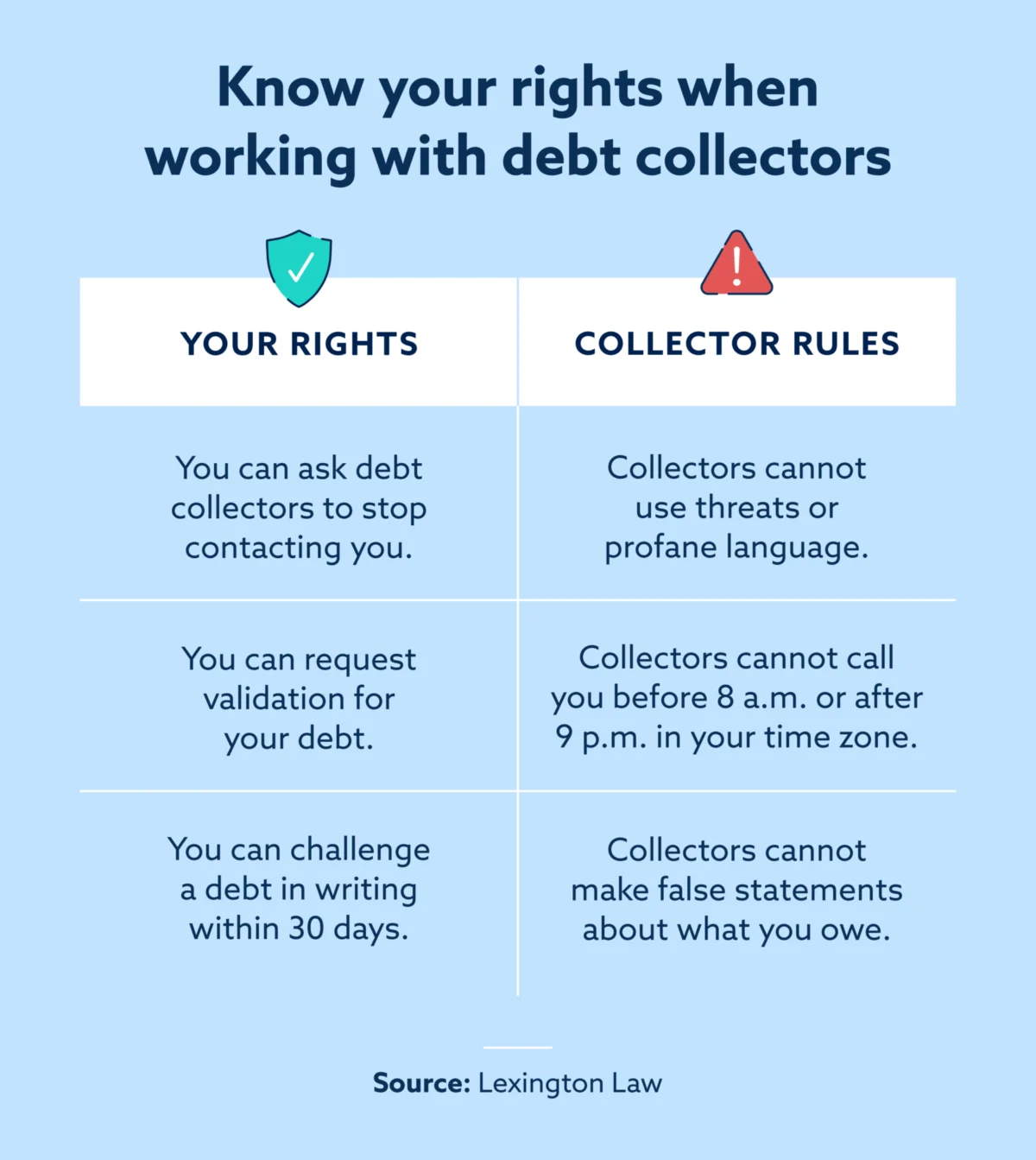
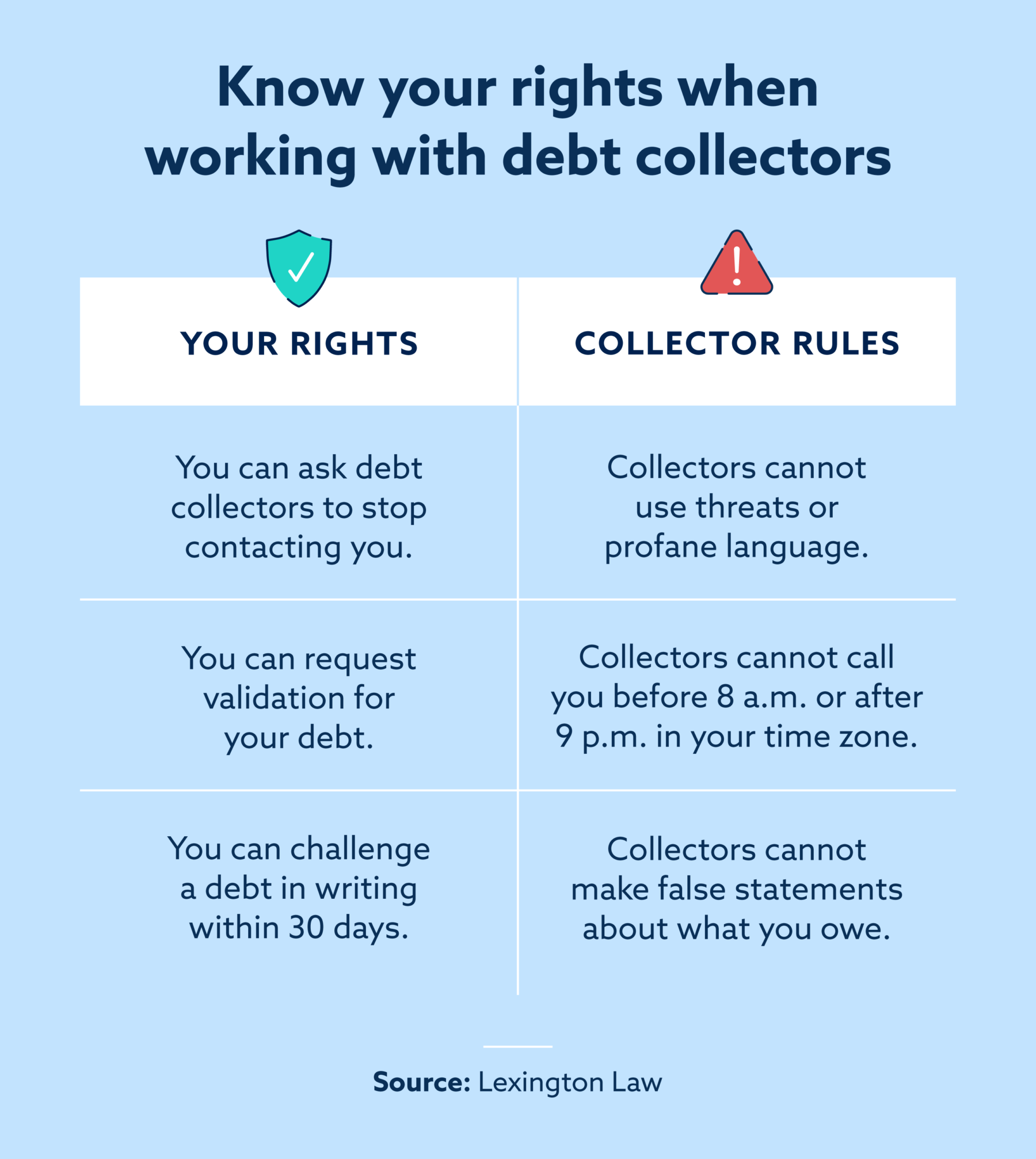
- Communication Restrictions: Collectors are prohibited from calling you before 8:00 a.m. or after 9:00 p.m. local time. Furthermore, if you inform a collector that your employer prohibits personal calls at work, they are legally required to cease calling your place of employment.
- The "Validation" Requirement: Within five days of their initial communication, a collector must send you a written notice stating the amount owed, the name of the original creditor, and instructions on how to dispute the debt if you believe it is invalid.
- Harassment Prohibition: The use of profanity, threats of violence, or the publication of a "shame list" of debtors is strictly forbidden.
- Privacy Protections: Collectors generally cannot discuss your debt with third parties, including family members, neighbors, or colleagues, except to confirm your contact information.
If you believe a collector has violated these provisions, you have the right to file a formal complaint with the Consumer Financial Protection Bureau (CFPB) or the Federal Trade Commission (FTC). In recent years, these agencies have processed tens of thousands of complaints annually, demonstrating that regulatory oversight is both active and necessary.
2. Chronology: The Lifecycle of a Debt Collection Action
Understanding the timeline of how a debt moves from a simple unpaid bill to a collection account is crucial for proactive management.
- The Default Phase: You miss a payment. The original creditor attempts to reach you via mail or phone.
- The "Charge-Off" Milestone: After roughly 90 to 180 days of non-payment, the creditor writes the debt off as a loss on their books. This does not mean you no longer owe the money; it simply means the creditor has moved the debt to a collection department or sold the account to a third-party debt buyer.
- The Initial Contact: You receive a letter or phone call from a collection agency. This is the moment to invoke your rights under the FDCPA.
- The Validation Period: You have 30 days from the initial notice to formally request debt validation. This is your most critical window of opportunity.
- Resolution or Litigation: Once the debt is validated, you move toward either a payment plan, a lump-sum settlement, or—if left unresolved—potential legal action from the agency to secure a court judgment.
3. Debt Validation: Why You Must Never Skip This Step
Before you pay a single cent, you must verify the debt. "Debt validation" is the process of requiring the collection agency to provide proof that the debt is legally yours and that the amount is accurate.

The Importance of Documentation
Debt portfolios are frequently sold and resold between agencies. In this process, information is often lost or corrupted. You may find that:
- The amount reported is incorrect due to interest or fee miscalculations.
- The debt has already been paid or discharged in bankruptcy.
- The debt is beyond the statute of limitations—a state-mandated timeframe after which a collector can no longer sue you for the debt.
If you do not request validation, you risk paying for a debt that may be fraudulent or inaccurate. Always send your request via certified mail with a return receipt. This creates a paper trail that is essential if you ever need to challenge the agency’s claims in court.
4. Communication Strategies: Dos and Don’ts
How you communicate with a collector can determine the outcome of your case. Maintaining a professional, objective tone is essential.
Essential Rules for Engagement
- Do Keep Everything in Writing: Whenever possible, move conversations from the phone to the mail. If you do speak on the phone, take meticulous notes, including the date, time, the agent’s name, and what was promised.
- Do Be Concise: Give the collector only the information necessary to resolve the account. Avoid over-explaining your financial hardship, as this information can be used against you.
- Don’t Acknowledge or Make Partial Payments: Be careful with small, "good faith" payments. In some jurisdictions, a partial payment can "restart the clock" on the statute of limitations, potentially reviving an old debt that was no longer legally enforceable.
- Don’t Provide Personal Banking Details: Never give a debt collector access to your bank account until you have a written agreement in hand.
5. Negotiating the Settlement
If the debt is legitimate, you are responsible for it. However, "responsible" does not mean you must pay the full amount immediately if it threatens your basic living expenses. Most collection agencies purchase debt for pennies on the dollar, giving them significant "wiggle room" for negotiation.

Strategies for Success
- The "Pay for Delete" Request: While not always successful, you can attempt to negotiate that the agency removes the collection mark from your credit report in exchange for payment.
- Lump-Sum Settlements: If you have access to some savings, offer a lump sum that is significantly lower than the total balance. Agencies often prefer a guaranteed 40-50% payment today over the risk of receiving nothing in the long run.
- Structured Payment Plans: If you cannot afford a lump sum, propose a manageable monthly payment plan. Crucial: Ensure the agreement is signed and sent to you in writing before you initiate any payments.
6. The Long-Term Implications: Credit Repair
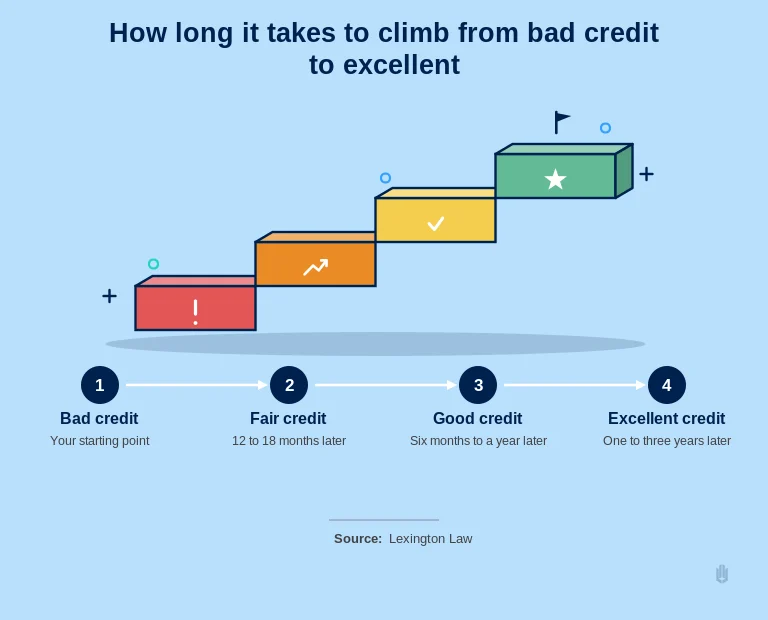
Even after a debt is satisfied, the record of the collection account can remain on your credit report for up to seven years. This "negative item" can suppress your credit score, making it harder to secure loans, rent an apartment, or even obtain certain types of employment.
Rebuilding After Collections
If you find yourself in this position, consider the following steps:
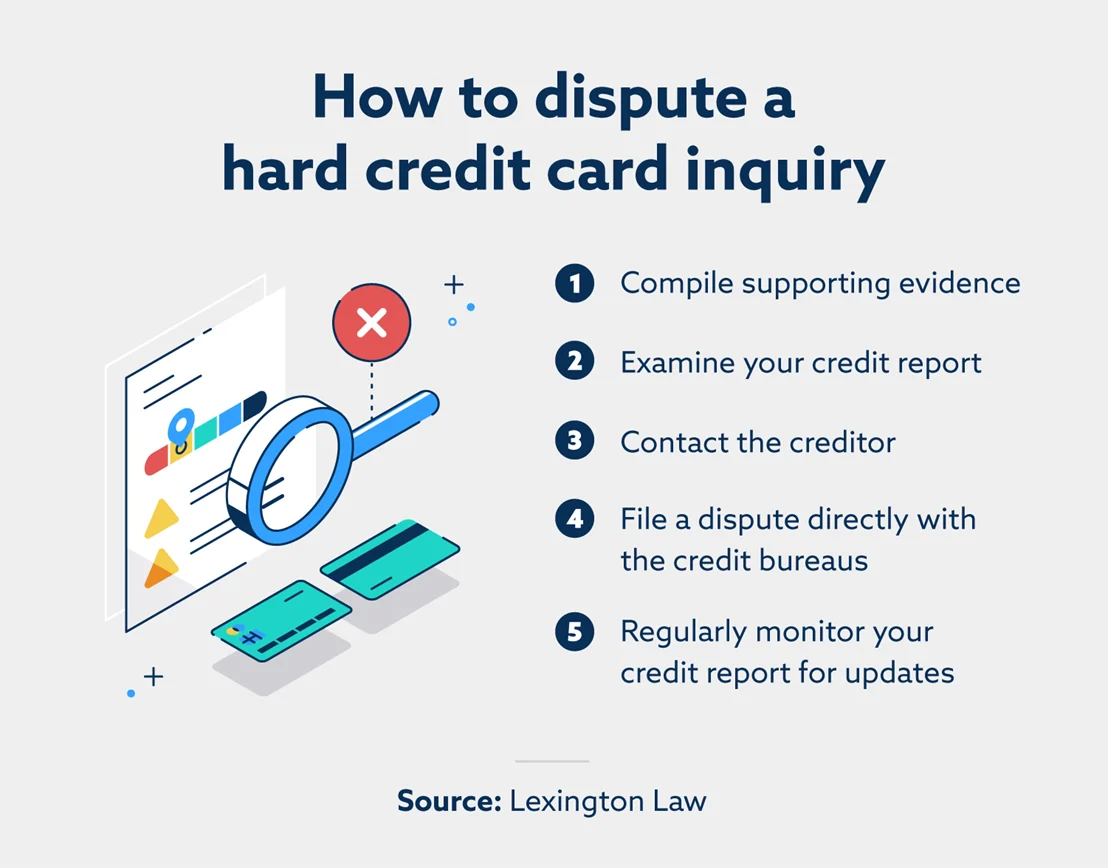
- Review Your Credit Reports: Obtain your reports from the three major bureaus (Equifax, Experian, and TransUnion) to ensure the collection status is updated to "Paid in Full" or "Settled."
- Challenge Inaccuracies: If the information reported is inaccurate, you have the right to dispute it.
- Seek Professional Guidance: Many consumers benefit from working with credit repair consultants. These professionals specialize in navigating the complex bureaucracy of credit reporting agencies, helping to identify and challenge errors that you might otherwise miss.
Conclusion: Moving Forward
Facing debt collectors is an intimidating experience, but it is a manageable one. By leveraging the protections of the FDCPA, insisting on debt validation, and negotiating from an informed position, you can resolve your obligations while safeguarding your credit future.
Remember, your credit score is a dynamic figure. While a collection account is a significant setback, it is not a permanent label. Through consistent effort, smart financial habits, and the use of available resources, you can rebuild your financial health and move past the shadow of debt collection.
If you are feeling overwhelmed, consider starting with a free credit assessment. Understanding where you stand is the first step toward taking control of where you are going.