









Navigating the financial realities of higher education involves far more than simply calculating the cost of tuition and textbooks. For many undergraduate and graduate students, one of the most pressing and expensive decisions is where to live. Whether you are dreaming of a quiet off-campus apartment with roommates or trying to decide if university dorm life is right for you, a fundamental question often arises: Can student loans be used to pay for off-campus housing?
The short answer is yes. Both federal and private student loans can be utilized to cover housing costs, regardless of whether you reside in an on-campus residence hall or rent an apartment down the street. However, before you sign a twelve-month lease or pay a security deposit using borrowed money, there are critical financial mechanisms, institutional policies, and long-term consequences you must understand.
Main Facts: How Student Loans and Housing Intersect
At its core, financial aid—which includes both federal and private student loans—is designed to cover your school’s official Cost of Attendance (COA). The COA is not just a bill for classes; it is a comprehensive, estimated yearly budget calculated by your college or university.
What the Cost of Attendance Includes
A standard COA encompasses all major expenses a student is expected to incur during an academic year. These typically include:
- Tuition and mandatory institutional fees
- Books, course materials, supplies, and equipment (such as laptops)
- Transportation costs (commuting, parking passes, or trips home)
- Miscellaneous personal expenses
- Housing and food (room and board)
When you apply for financial aid through the Free Application for Federal Student Aid (FAFSA) or seek out private financing, lenders and federal agencies look directly to your school’s COA to determine your maximum borrowing limit. Because housing is a formalized component of the COA, student loan funds can legally and practically be applied toward rent, utilities, and grocery bills associated with living off-campus.
Chronology: From Application to Apartment Key
Understanding how student loan money actually travels from a lender’s account into your landlord’s hands requires looking at the chronological step-by-step process of financial aid disbursement. Many students mistakenly believe that getting a student loan means receiving a lump-sum check that they can immediately spend on a security deposit. In reality, the timeline is tightly regulated.
Step 1: Completing the FAFSA and Submitting Living Intentions
Months before the academic year begins, you submit the FAFSA. During this process, you indicate your intended living arrangement: living on campus, living off-campus independently, or living at home with parents. Your university uses this information to place you into the correct COA category.
Step 2: Receiving Your Financial Aid Offer
Your school analyzes your financial need using a standard formula:
$$textSchool’s COA – textStudent Aid Index (SAI) = textFinancial Need$$
Once calculated, the university issues a financial aid package. This package may include federal grants, work-study opportunities, federal direct loans, and institutional scholarships. If a gap remains between your financial aid and your total COA, you may choose to apply for private student loans to cover the difference.
Step 3: School Disbursement and Billing
This is the most crucial checkpoint for students renting off-campus. Financial aid is never sent directly to you first. All federal and private loan funds are sent directly to your college or university’s financial aid and bursar’s office.
The university automatically applies these funds to any outstanding institutional bills. First, the money covers tuition and fees. If you live on campus, it then covers campus room and board.
Step 4: Receiving the Refund Balance
If your total financial aid and loan disbursements exceed your direct charges from the university, you will have a credit balance. The school’s financial aid office will then issue a "refund" for this remaining amount directly to you via direct deposit or check.
This refund is the money you use to pay your off-campus rent and utilities. Because apartment rent is usually due on the first of the month, timing is everything. You must ensure that your financial aid has fully disbursed and your refund has been processed before your first rent payment is due, or you will need alternative cash flow to cover initial costs.
Supporting Data: Examining the Numbers at Texas State University
To understand how housing arrangements shift financial aid allowances, it is helpful to look at real-world institutional data. Consider the undergraduate Cost of Attendance projections for Texas State University for the academic year.
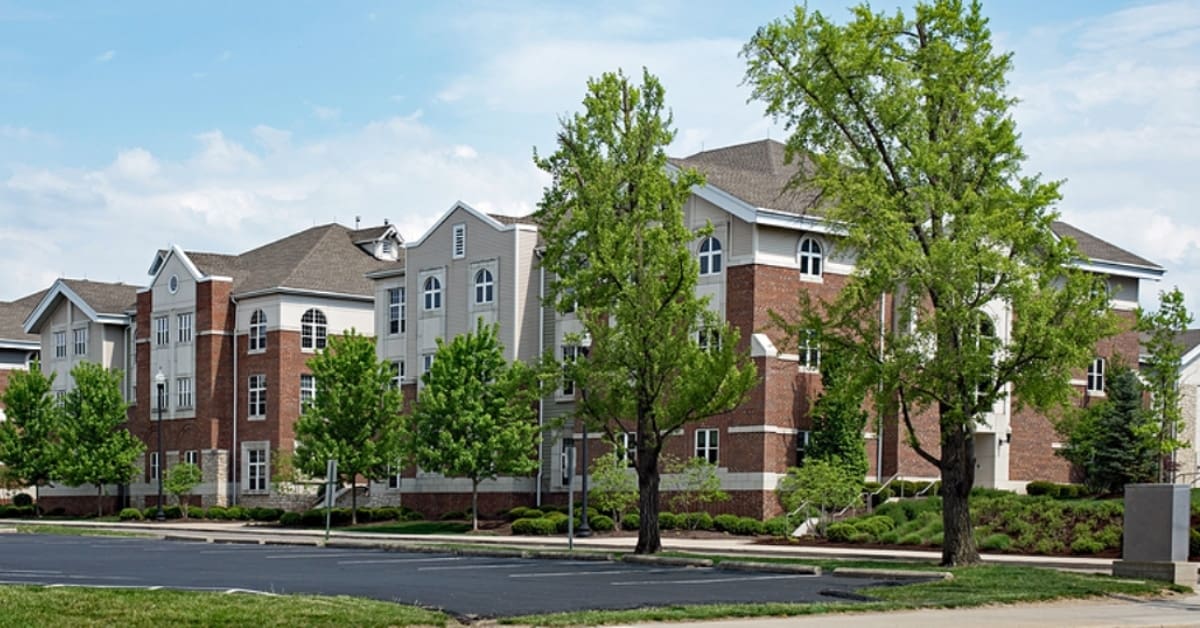
Universities typically break down their COA figures by residency status (in-state residents versus non-residents) and housing type. For Texas State, the estimated annual figures illustrate how different living arrangements are valued:
- On-Campus Room and Board: Estimated at approximately $13,330 per year.
- Off-Campus Housing and Food: Estimated slightly higher at approximately $13,570 per year.
- Commuting from Parent’s Home: Drops dramatically to roughly $3,520 per year, reflecting an assumption that rent and major utility expenses are eliminated or significantly reduced.
Interestingly, while the line items for room and board shift depending on whether you live on or off campus, a university’s total calculated COA for independent living (on-campus vs. off-campus) often balances out to nearly the same bottom-line figure. Consequently, choosing to live in an off-campus apartment rather than a dorm generally does not restrict or expand the total volume of student loans you are legally permitted to access—provided you remain within the same overall COA bracket.
Official Responses and Expert Insights
Navigating private loans for off-campus living requires working closely with lenders who rely heavily on institutional certification. Industry experts emphasize that private lenders do not independently evaluate your lease agreement; instead, they defer entirely to the university.
"We rely on the school’s Cost of Attendance and the school’s Loan Certification to determine what monies from our loan proceeds, if any, are eligible to cover other expenses like books, transportation, and housing," explains Jesse Dyer, Strategic Advisory for Funding U. "Those excess loan proceeds are sent to the student, and it’s up to the student to use those for the approved expenses."
This underscores the reality that private lenders act as financial partners to the school, not direct real estate underwriters. They will not ask to see your lease, nor will they advance funds early to help you secure a downtown loft before your university’s official financial aid disbursement window opens.
Implications: The Long-Term Burden of Borrowing for Comfort
While student loans can legally and logistically pay for off-campus housing, doing so carries profound financial implications that can impact your life long after graduation.
1. The "Max Borrowing" Fallacy
Just because your university’s Cost of Attendance authorizes you to borrow a specific maximum amount doesn’t mean you should max out your loans. The difference between a modest, shared apartment with roommates and a luxury apartment complex with a pool and in-unit laundry can be hundreds of dollars a month.
When you finance lifestyle choices through student loans, you aren’t just paying that monthly rent amount—you are paying it with compound interest over a 10- or 20-year repayment term. A luxury apartment taken on during sophomore year can translate to thousands of dollars of extra debt by the time you graduate.
2. Prioritizing Necessity Over Luxury
Financial advisors consistently recommend a conservative approach to off-campus housing:
- Prioritize Safety: Choose neighborhoods and buildings with secure entry, reliable lighting, and safe walking or commuting routes to campus.
- Embrace Roommates: Splitting rent and utility costs among multiple roommates is one of the most effective ways to drive down your housing expenses and reduce the total amount of student debt you accumulate.
- Budget Realistically: Look at your refund checks not as "free money" or a windfall, but as borrowed capital that must be meticulously budgeted to cover rent, groceries, electricity, and internet across the entire semester without running dry.
Frequently Asked Questions
Can you get a student loan specifically for off-campus housing?
Neither federal nor private student loans are issued exclusively for housing. Instead, they are awarded to cover your overall Cost of Attendance. Because housing is a recognized component of that cost, the refund checks generated from your loans can be used to pay off-campus rent.
Does the FAFSA verify where you live?
Yes. When completing the FAFSA, you must declare whether you will live on campus, off campus independently, or off campus with your parents. This categorization directly informs your school’s calculated Cost of Attendance.
How much money will financial aid give me for off-campus rent?
There is no standalone "housing check." Your financial aid package is determined by subtracting your Student Aid Index (SAI) from your school’s COA. If your financial aid exceeds direct university charges, the remaining balance is refunded to you. If your family size or unique living costs are unusually high, you can request that your financial aid office review and potentially adjust your COA allowance upward.
What expenses can student loans legally cover?
Student loan funds can be applied to any standard education-related expense included in the COA. This covers tuition, mandatory fees, room, board, and textbooks, as well as miscellaneous operational needs such as public transportation, a computer, software licenses, and childcare expenses incurred while attending classes.