









When it comes to personal finance, most consumers are hyper-focused on two primary pillars: paying bills on time and maintaining a low credit utilization ratio. While these habits form the bedrock of a healthy credit score, there is a third, often misunderstood component that rounds out the picture: your "credit mix."
Often relegated to the background of financial advice, your credit mix accounts for approximately 10 percent of your FICO® score. While that may seem modest compared to the 35 percent weight given to payment history, it acts as a critical tie-breaker for lenders. A sophisticated credit mix signals to financial institutions that you are a versatile borrower, capable of managing different types of debt obligations with discipline and consistency.
The Core Concept: Defining Credit Mix
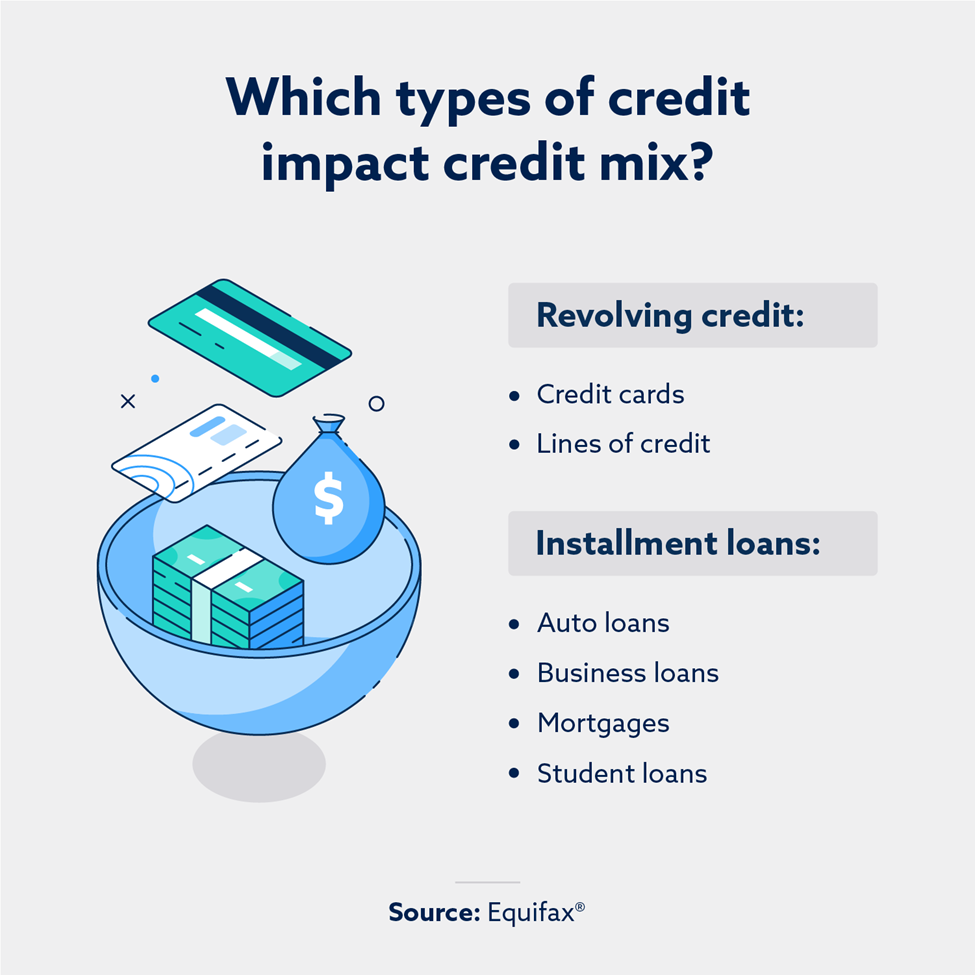
In professional financial terms, "credit mix" refers to the variety of credit accounts currently reported on your credit file. Credit reporting agencies and scoring models generally bifurcate these accounts into two distinct categories: revolving credit and installment credit.
Revolving Credit
Revolving credit is a flexible borrowing arrangement. It provides you with a set credit limit, allowing you to borrow, repay, and borrow again without the need for a new application every time. Common examples include credit cards and Home Equity Lines of Credit (HELOCs). Because this credit is "revolving," the amount you owe can fluctuate significantly month-to-month, making your management of this debt—specifically your utilization ratio—a primary focus for lenders.

Installment Credit
Installment credit functions on a more rigid, predictable schedule. You borrow a lump sum of money and pay it back in fixed, equal installments over a predetermined term. Classic examples include auto loans, student loans, and mortgages. Because these loans have a clear end date and a fixed repayment structure, they demonstrate a borrower’s ability to maintain a long-term commitment to debt repayment.
Chronology of Credit Development: How Your Mix Evolves
Building a strong credit mix is not an overnight process; it is a narrative that unfolds over the years.
- The Entry Phase (Ages 18–22): Most individuals begin their credit journey with a single, simple revolving account—often a student credit card or a secured card. At this stage, the "mix" is nonexistent, and the focus is purely on establishing a positive payment history.
- The Diversification Phase (Ages 23–30): As financial needs grow, so does the credit profile. The introduction of an installment loan—such as an auto loan—serves as the first major step toward a healthy mix. Lenders begin to see evidence that the borrower can juggle both a credit card bill and a monthly car payment.
- The Mature Profile (Ages 30+): A fully matured credit profile often includes a combination of long-standing revolving accounts and major installment debt, such as a mortgage. This represents the "Gold Standard" for credit scoring models, as it demonstrates decades of diverse experience.
Supporting Data: Why Variety Matters
Why do FICO and VantageScore place value on diversity? The answer lies in risk assessment. A borrower who only holds multiple credit cards is viewed differently than a borrower who holds a credit card, an auto loan, and a personal loan.
Data suggests that individuals who have successfully managed multiple types of credit are statistically less likely to default. By diversifying your credit, you demonstrate that you understand the mechanics of different debt structures. If you have only one type of account, you are an "untested" variable in the eyes of an automated underwriting system. By adding a second, different type of credit, you provide the system with more data points to verify your reliability.

However, it is crucial to note that credit mix is not a "cure-all." If you have a history of late payments or you are currently over-leveraged on your credit cards, adding an installment loan will not magically repair your score. The "mix" factor is designed to provide a marginal boost to an already stable, well-maintained profile.
What Does Not Count?
A common misconception among consumers is that paying bills regularly—such as rent, electricity, or cellular phone plans—will improve their credit mix. While "alternative credit data" is becoming more integrated into modern financial systems, these recurring service payments generally do not count toward your formal credit mix.
Your credit mix is exclusively comprised of traditional credit products issued by financial institutions. If you are looking to boost your score, opening a new utility account will not provide the same structural benefit as managing a legitimate installment loan or a secondary revolving line of credit.
Official Perspectives: Expert Guidance on Strategy
Financial experts and credit bureaus like Equifax® and Experian® generally advise against "opening accounts just for the sake of it." This is a critical point that many consumers overlook.

The process of opening a new account involves a "hard inquiry," which can temporarily dip your score. Furthermore, adding a new account lowers the average age of your credit history. If you open a loan you don’t need, you are essentially introducing unnecessary risk and administrative overhead to your financial life.
The "Ideal" Mix
What is the "ideal" credit mix? There is no secret formula that requires you to have exactly one of everything. A healthy profile is simply one that shows a combination of revolving and installment accounts managed with consistent, on-time payments. A single credit card paired with a long-term installment loan is often sufficient to satisfy the "credit mix" requirement of most scoring models.
Strategic Implications: How to Improve Your Profile
If you find that your credit profile is lacking variety, do not rush into a loan. Instead, wait for your natural financial progression to dictate your credit needs.
- Wait for Life Events: If you are planning to purchase a vehicle, that auto loan will naturally diversify your mix. If you are preparing to buy a home, that mortgage will be the ultimate addition to your credit profile.
- The "Small Loan" Trap: Avoid taking out personal loans or "credit builder" loans if you are already struggling to keep up with your current obligations. The cost of interest on these loans often outweighs the marginal benefits gained from an improved credit mix.
- Regular Audits: Use your annual free credit report to ensure that all your accounts are being reported correctly. Occasionally, a paid-off loan may still appear as "open," or a closed account might be missing from your report. Disputing these inaccuracies is a far more effective way to improve your credit score than opening new, unnecessary lines of debt.
Addressing Inaccuracies: The Role of Professional Assistance
Even a small error on your credit report can disproportionately impact your standing. For example, if a loan you paid off years ago is incorrectly marked as "delinquent," it can skew the "installment" portion of your mix, signaling to lenders that you are a high-risk borrower when the reality is the opposite.
If you suspect your credit mix is being negatively impacted by inaccurate reporting, it is wise to engage with professionals. Organizations like Lexington Law provide comprehensive credit assessment services, helping consumers identify errors that don’t belong on their reports. By clearing away outdated or incorrect entries, you allow your actual credit behavior to shine through, ensuring that the 10 percent of your score allocated to "credit mix" is working for you, not against you.
Conclusion: Patience Over Performance
In the world of credit scoring, the most powerful strategy is patience. Credit mix is a supporting character in the story of your financial health, not the lead actor. By focusing on the fundamentals—paying your bills on time, keeping your credit utilization low, and only adding new debt when it aligns with your legitimate financial goals—you will naturally build a diverse and robust credit profile over time.
Remember, your credit score is a reflection of your long-term financial discipline. By managing a variety of credit products with integrity, you prove to lenders that you are a borrower they can trust, regardless of the economic climate. Stay vigilant, review your reports for errors, and let your credit mix evolve naturally as your life—and your financial needs—expand.
Disclaimer: The information provided in this article is for educational purposes only and does not constitute professional legal, financial, or credit advice. Credit scoring models are complex and subject to change; always consult with a qualified financial advisor before making significant changes to your credit strategy.