








That stack of crisp, pre-printed checks arriving in your mailbox from your credit card issuer might appear to be a helpful financial windfall. In moments of unexpected expense or tight cash flow, they seem like a bridge over troubled water—a simple way to tap into your existing credit limit without the need for a physical plastic card. However, financial experts warn that these "convenience checks" are often anything but convenient. Beneath the surface of their ease-of-use lies a complex web of high interest rates, immediate fees, and significant risks to your long-term credit health.
To use these checks without a strategic plan is to walk into a financial minefield. This guide breaks down exactly what these instruments are, how they function, and why they should be treated with extreme caution.
The Anatomy of a Convenience Check: What You Need to Know
A convenience check—often referred to as a "credit card check"—is essentially a bridge between your credit line and the traditional banking system. While it looks like a standard personal check drawn from a checking account, it is functionally a direct draw against your credit card’s available limit.
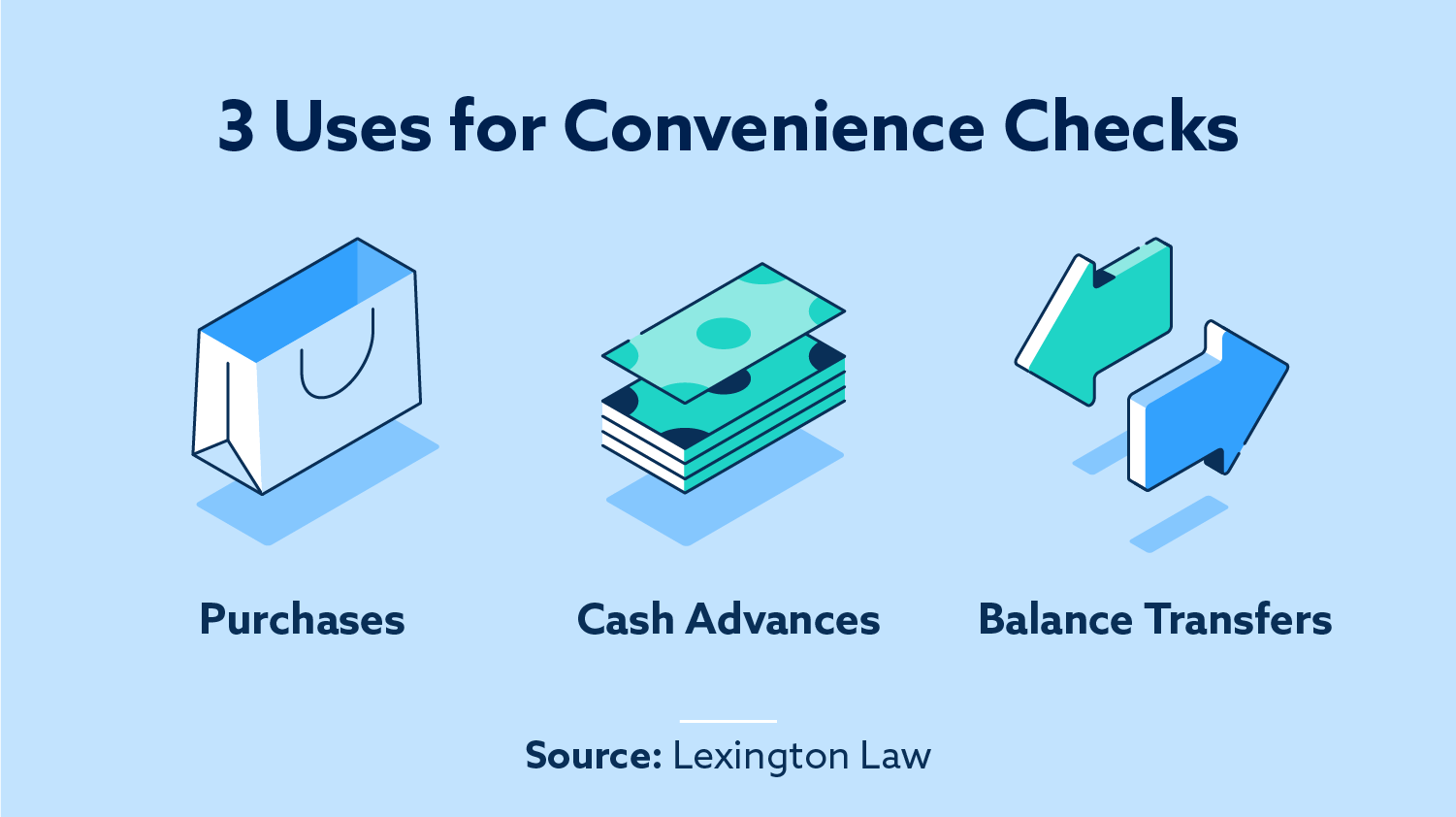
When you sign a convenience check, you aren’t merely making a payment; you are initiating a transaction that the credit card issuer almost universally categorizes as a cash advance. This distinction is the most critical piece of information for any cardholder to internalize. Unlike a standard purchase made with a physical card, which usually grants you a "grace period"—a window of roughly 21 to 25 days to pay off your balance without accruing interest—a convenience check carries no such leniency. Interest begins to accrue the very moment the check is processed and clears your account.

The True Cost: Interest and Transaction Fees
The financial impact is twofold. First, there is the upfront transaction fee. Typically ranging from 3% to 5% of the total check amount, this cost is levied immediately. For example, if you write a convenience check for $1,000 with a 5% fee, you will see a $50 charge on your statement before the funds have even reached the recipient.
Second, the interest rates associated with these checks are often significantly higher than those for standard purchases. It is not uncommon for cash advance APRs to climb to 25% or higher. When you combine the upfront transaction fee with the high-velocity interest accrual, the cost of borrowing via a convenience check can quickly exceed that of a personal loan or other debt consolidation alternatives.
Chronology: From Receipt to Repayment
To fully grasp the danger of these instruments, it is helpful to look at the lifecycle of a convenience check transaction.
- The Solicitation: The issuer mails the checkbook to the consumer, often touting them as a "promotional" way to handle large bills or consolidate debt.
- The Authorization: The consumer writes the check to a vendor, a landlord, or even to themselves to deposit into a bank account.
- The Clearing: The recipient deposits the check. The issuer processes the transaction as a cash advance, immediately adding the transaction fee to your balance.
- The Interest Clock: Starting on day one, interest is calculated daily on the balance. Because most credit card issuers apply payments to lower-interest balances first, your "standard" credit card purchases may be paid off before the higher-interest convenience check balance is touched, keeping you in a cycle of debt longer.
- The Statement Cycle: The borrower receives their statement, often surprised by the combined weight of the high interest and the added fees.
Strategic vs. Reckless Use
While financial advisors generally discourage the use of convenience checks, there are rare, highly specific scenarios where they can be used strategically. However, this requires a level of fiscal discipline that most consumers find difficult to maintain.

When It Might Make Sense
The only time a convenience check is financially justifiable is when it involves a legitimate, low-interest promotional offer—usually a 0% APR period for a fixed time—and you are using it to pay off a debt with a higher interest rate elsewhere. If the interest savings over that period exceed the upfront transaction fee, the math may work in your favor. Even then, you must have a concrete plan to pay off the balance before the promotional window closes, as any remaining debt could be subject to "deferred interest," where all the accrued interest is retroactively applied to your account.
The Dangers of "Easy Cash"
Using these checks to pay for everyday living expenses, rent, or to supplement a lack of liquid savings is a classic indicator of financial distress. When consumers use convenience checks to fill a gap in their budget, they are often masking a cash-flow problem with high-interest debt. This is rarely a sustainable strategy and often leads to a cycle of borrowing that is difficult to break.
Supporting Data: The Impact on Credit Scores
Beyond the immediate costs of interest and fees, convenience checks can inflict long-term damage on your credit report, primarily through your credit utilization ratio.
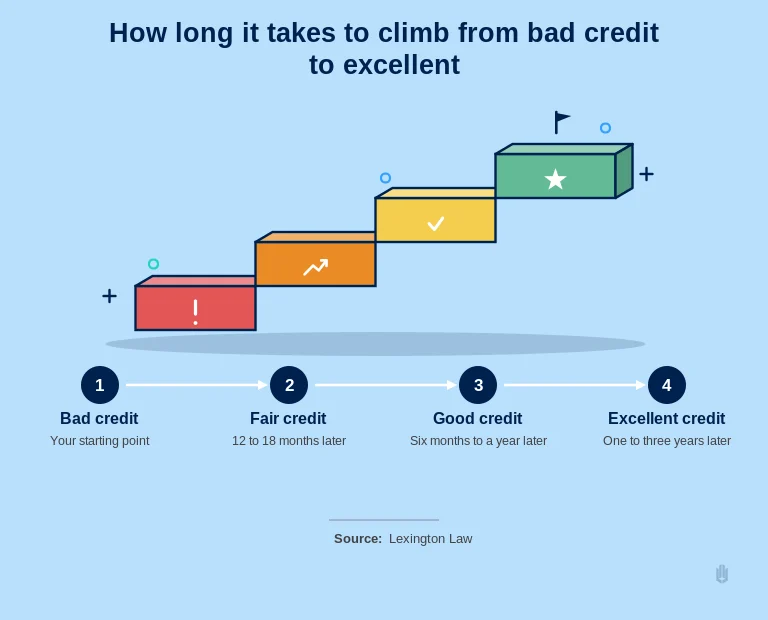
Credit utilization—the amount of your available credit that you are currently using—accounts for roughly 30% of your FICO score. If you have a total credit limit of $10,000 and you write a $5,000 convenience check, you have immediately pushed your utilization on that specific card to 50%. Most credit scoring models suggest keeping utilization below 30% to maintain a healthy score. A sudden, large draw against your credit line can trigger a significant drop in your score, which may take months of disciplined payments to repair.

The Regulatory Gap: A Lack of Consumer Protections
Perhaps the most overlooked drawback is the lack of consumer protection. When you use a credit card to purchase a product, the Fair Credit Billing Act offers you a safety net. If a merchant fails to deliver goods, or if the product is defective, you have the right to dispute the charge.
Convenience checks operate outside these protections. Once the check clears, the money is considered "spent." If a contractor you paid with a convenience check performs shoddy work, or if a vendor disappears, you generally cannot dispute the charge with your credit card issuer. You are left with the debt and no way to recoup the funds, making convenience checks a highly risky way to pay for services.
Official Guidance and Best Practices
Financial institutions are required to disclose terms, but they are often buried in the "Schumer Box" or in fine print that most consumers ignore. Before writing a check, experts advise the following:
- Audit Your Terms: Always read the fine print regarding the APR and transaction fees. Do not assume that because you have a 0% offer, the check is free to use.
- The Shredding Rule: If you do not plan on using the checks, do not leave them in a desk drawer. Shred them immediately. These checks contain your account number and signature, making them a goldmine for identity thieves.
- Alternative Financing: If you need cash, explore alternatives like personal loans, which typically offer lower interest rates and a structured repayment schedule that does not involve the volatility of credit card interest rates.
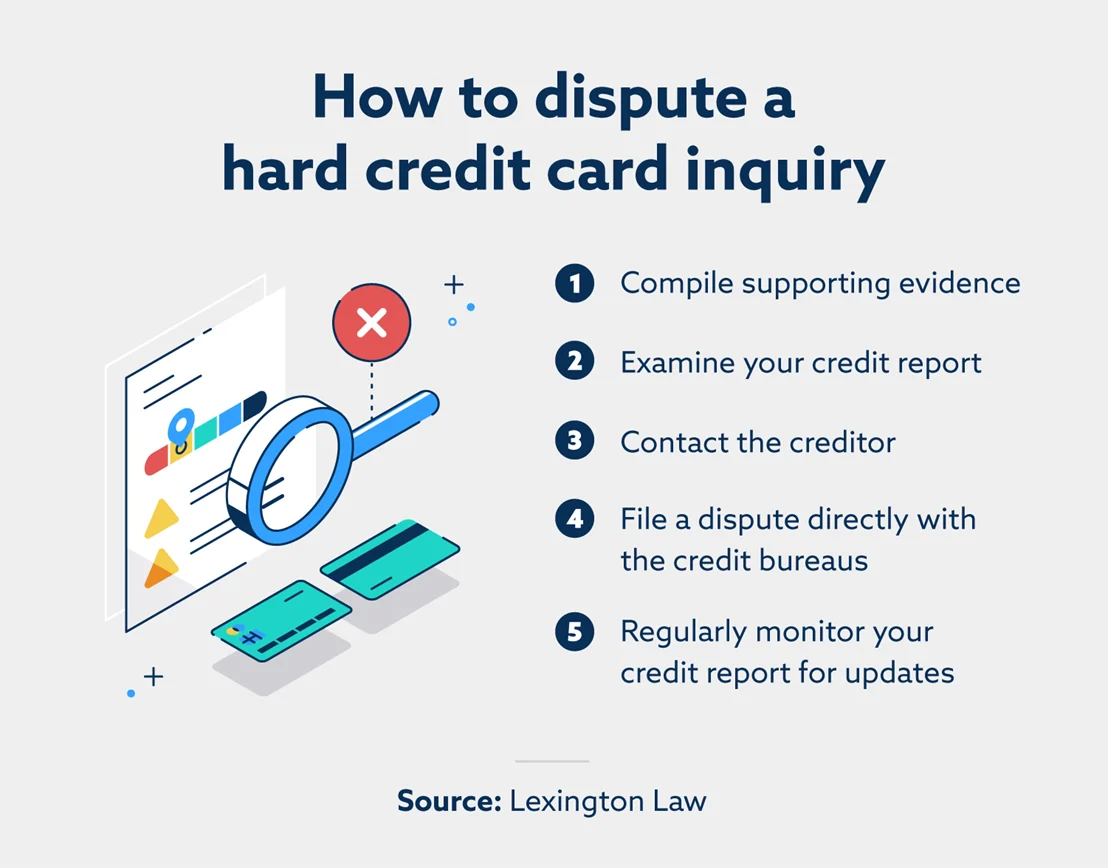
- Monitor Your Credit: If you have used a convenience check, keep a close watch on your credit report. If your score dips, ensure you are paying down the balance as quickly as possible to lower your utilization ratio.
Implications for Financial Stability
The convenience check is a tool that favors the issuer far more than the consumer. By offering a "simple" way to access credit, issuers can generate significant revenue through transaction fees and high-interest, long-term debt. For the consumer, the implications are clear: the cost of convenience is high, and the risks—ranging from sudden credit score drops to a lack of dispute rights—are substantial.
For those who are already struggling with high debt, the use of convenience checks can be the tipping point that leads to financial instability. If you find yourself frequently reaching for these checks, it may be time to seek professional guidance. Organizations like credit counseling agencies or firms like Lexington Law can assist in reviewing your credit report, identifying inaccuracies, and helping you build a more sustainable long-term financial strategy.
In the world of personal finance, the path of least resistance is often the most expensive. By treating convenience checks as a tool of last resort—or better yet, avoiding them altogether—you protect your credit score, your wallet, and your long-term financial freedom.
Disclaimer: The information provided in this article is for educational purposes only and does not constitute financial, legal, or credit advice. Financial decisions should be made based on your individual circumstances. Always consult with a qualified professional before making major financial moves.