







Buying a home is one of life’s most significant financial milestones, a journey often paved with excitement, anticipation, and a fair amount of paperwork. For many prospective homeowners, the path to the closing table is straightforward. However, for others, the mortgage underwriting process—the stage where lenders rigorously verify your financial profile—can hit a speed bump. If a lender identifies inconsistencies, gaps in employment, or negative marks on your credit report, they may request a "Letter of Explanation" (LOE).
Rather than viewing an LOE request as a barrier, savvy borrowers treat it as a vital tool. This document serves as the bridge between raw, often cold financial data and the human story behind those numbers. By providing necessary context, you can transform a potential "red flag" into a manageable, documented detail, keeping your homebuying dream on track.
Understanding the Role of the Underwriter
To appreciate why an LOE is necessary, one must understand the role of the mortgage underwriter. Their primary responsibility is risk assessment. They are not acting as judges of your personal life; they are acting as stewards of the lender’s capital. When they see a late payment, a large, unexplained deposit, or a gap in your career, they aren’t necessarily looking for a reason to deny you—they are looking for a logical, verified explanation that assures them the event was an anomaly rather than a pattern of financial instability.
An LOE essentially "humanizes" your file. It provides the narrative context that a credit score or a bank statement simply cannot convey. When written with professional precision, it allows the underwriter to check a box that satisfies their compliance requirements, thereby clearing the way for your loan approval.

Common Triggers: Why Lenders Request an LOE
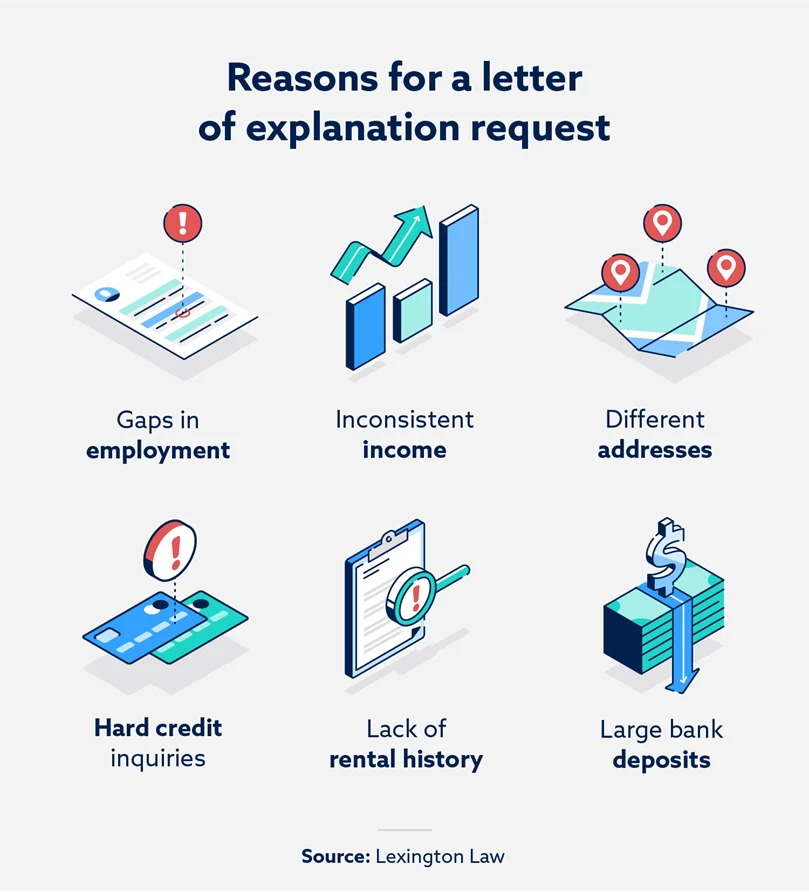
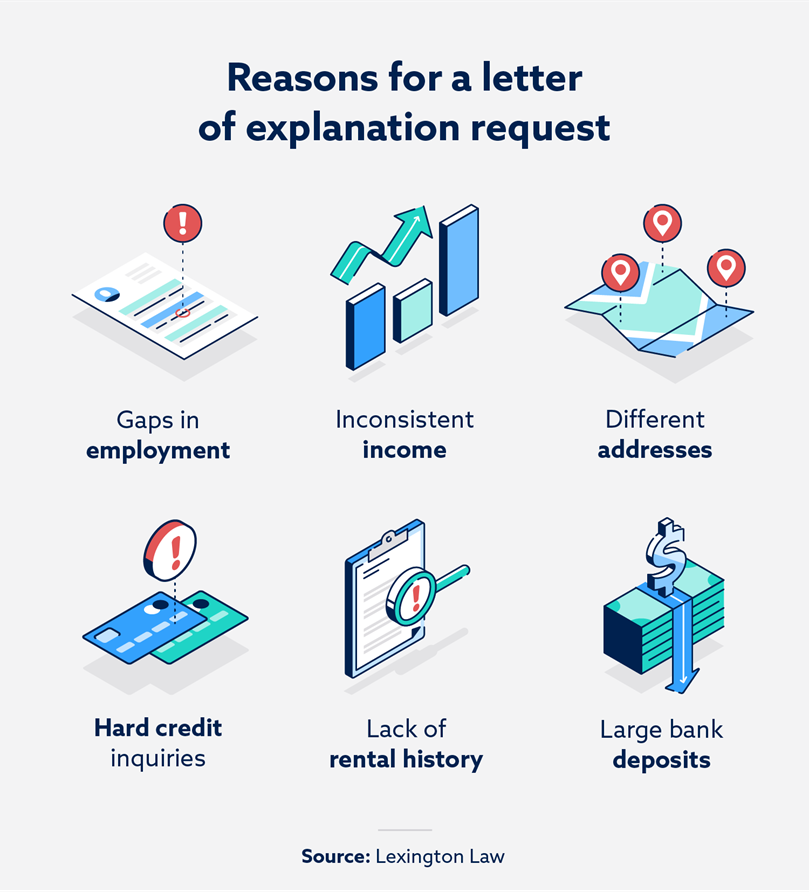
Mortgage lenders typically operate under strict guidelines dictated by secondary market investors (such as Fannie Mae or Freddie Mac). These guidelines require that all significant financial events be documented. Common scenarios that prompt an LOE request include:
- Credit Inconsistencies: Late payments, accounts in collections, or recent bankruptcy filings.
- Employment Gaps: Significant periods of unemployment that could suggest future income instability.
- Large Bank Deposits: Unexpected influxes of cash that cannot be immediately identified as payroll or legitimate assets.
- Inquiries on Credit: Multiple recent applications for credit that could signal financial desperation.
- Address History: Discrepancies between your reported residence and the history on your credit report.
- Property Use: Clarification on whether the home is a primary residence, a second home, or an investment property.
A Five-Step Framework for a Professional LOE
Writing an LOE is not an exercise in creative writing or emotional storytelling. It is an exercise in technical communication. The goal is to provide a clear, concise, and verifiable paper trail.
1. Mastering the Format
Whether you are sending your letter via email or as a physical document, formatting is the first indicator of your professionalism.
- For Physical Mail: Utilize standard business letterhead. Include your contact information, the date, the lender’s contact details, and a clear reference line.
- The Reference Line: This is arguably the most important element. Always include your full name and your specific Loan Application Number. Without this, your document risks being lost in a stack of hundreds of other files.
- For Email: Use a professional subject line: Letter of Explanation – [Your Full Name] – [Loan Number]. Keep the body of the email brief, directing the recipient to the attached document.
2. State the Facts (The "Date-Entity-Amount" Rule)
Begin your letter by identifying the specific item in question immediately. Do not beat around the bush. Use the "Date-Entity-Amount" format to frame your response. For example: "Regarding the $2,500 deposit on June 12th, this amount represents a gift from my parents to assist with closing costs." This approach allows the underwriter to find the information they need in seconds.

3. Focus on Resolution
The most important part of the letter is the "resolution statement." The underwriter wants to know that the issue is settled. If you had a late payment, clarify that it was an isolated incident caused by a specific, temporary event (like a bank error or a medical emergency) and that you have since implemented safeguards—such as automated payments—to ensure it never happens again.
4. Professional Closing
End the letter by reiterating your commitment to the loan and your availability for further questions. Avoid sounding defensive. Keep your tone neutral, objective, and cooperative. Sign the document exactly as your name appears on your loan application to avoid any discrepancies that could trigger a request for a revised version.
5. Documenting the Evidence
Never submit an LOE without supporting documentation. If you are explaining a late payment, include a copy of the statement. If you are explaining an employment gap, include your severance agreement or your new offer letter. Create a formal "List of Enclosures" at the bottom of your letter so the underwriter knows exactly what attachments to look for.
Chronology of an LOE Request
Understanding the timeline of a mortgage application can help you manage your expectations.

- Initial Review: You submit your application and supporting documents.
- Underwriting: The underwriter reviews your file and identifies "conditions" (items that need further explanation).
- The Request: Your loan officer contacts you, usually via email, outlining the specific items needed for the LOE.
- Drafting: You compile the facts, write the letter, and gather the necessary supporting evidence.
- Submission: You return the completed package to the loan officer.
- Resolution: The underwriter reviews the LOE. If satisfactory, the condition is "cleared," and the loan moves toward "Clear to Close."
Strategic Implications: Why Proactivity Matters
The way you handle an LOE request can dictate the speed of your closing. If you provide a rambling, emotional letter that lacks documentation, the underwriter will likely reject it, forcing you to rewrite it. This can add days—or even weeks—to your closing timeline.
Conversely, a well-structured, concise, and documented LOE often allows the underwriter to clear the condition immediately. This demonstrates your reliability as a borrower, which can be an intangible benefit during the final stages of the lending process.
The Broader Context: Beyond the Letter
It is vital to recognize that an LOE is a tactical solution for a specific application, not a permanent fix for credit issues. If your credit report is riddled with inaccuracies, a letter will only go so far. Before you begin the homebuying process, it is highly recommended that you pull your credit reports from all three major bureaus (Equifax, Experian, and TransUnion) and check for errors.
If you find accounts that aren’t yours, incorrect late payments, or debts that have been misreported, you should initiate a dispute process well before you apply for a mortgage. While the LOE helps you explain the past, proactive credit management ensures that your future financial health is protected.

Frequently Asked Questions
Does an LOE mean I’m being denied?
Absolutely not. An LOE request is a standard part of the mortgage underwriting process. It is a sign that the lender is actively working to move your file toward an approval by resolving "conditions" that need a paper trail.
What if I don’t have documentation?
If you are unable to provide documentation for a specific event, be honest. Explain why the documentation is unavailable and offer any alternative evidence that might support your claim. While the lack of documentation can make things more difficult, communication is always better than silence.
What should I do if my LOE is rejected?
If a lender rejects your letter, do not panic. Ask your loan officer for specific feedback on what information was missing or insufficient. In some cases, the underwriter may simply need a different type of document. Use the rejection as a diagnostic tool to understand where the "risk" lies in your file.
Can I get help with this?
Yes. If you feel overwhelmed by the process of disputing credit errors or managing your financial history, professional credit repair services can provide guidance. They can help you identify potentially unfair or inaccurate entries on your report, allowing you to enter the mortgage application process with a stronger, more accurate financial profile.
Disclaimer: This article is for informational purposes only and does not constitute legal or financial advice. Mortgage requirements vary by lender and individual financial situations. Consult with a qualified mortgage professional or financial advisor regarding your specific needs.