







In the complex ecosystem of personal finance, few terms strike as much fear into consumers as the "charge-off." Often misunderstood as a form of debt forgiveness, a charge-off is a severe accounting maneuver that can haunt a credit report for years, acting as a significant roadblock to securing mortgages, auto loans, and even employment opportunities. To navigate the financial landscape effectively, one must understand exactly what a charge-off is, how it permanently alters your credit profile, and the strategic steps required to mitigate its long-term damage.
The Anatomy of a Charge-Off: Defining the "Bad Debt" Status
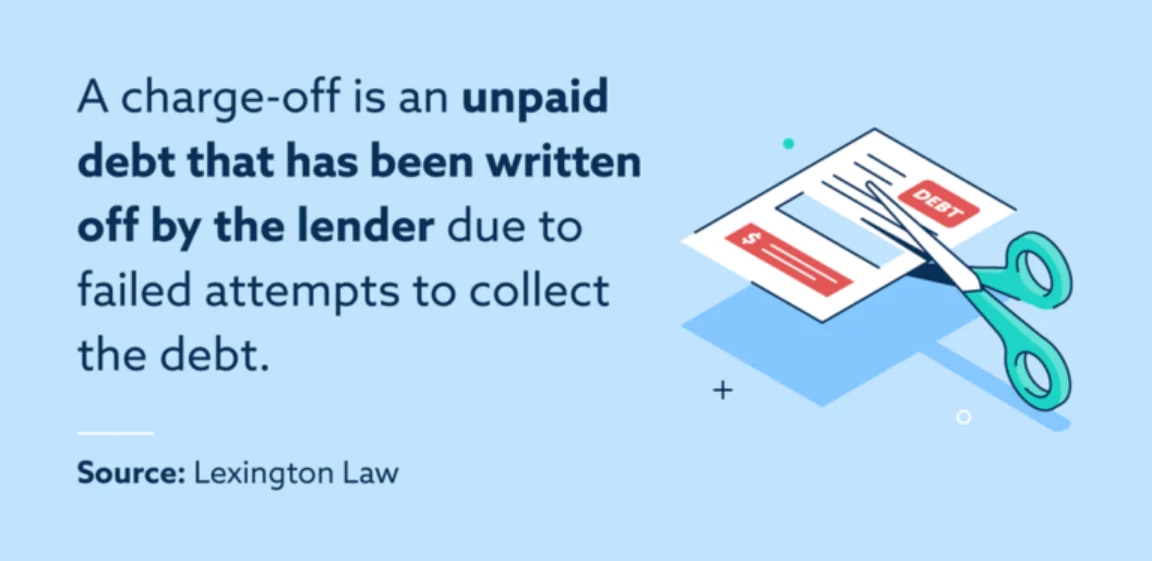
At its core, a charge-off—formally documented as "charged off as bad debt"—is an internal accounting decision made by a creditor. When a borrower fails to make payments for a prolonged period, typically between 120 and 180 days, the lender determines that the account is unlikely to be collected.
To maintain accurate financial records and adhere to regulatory requirements, the lender moves the unpaid balance from an "asset" column to a "loss" column. Crucially, this accounting entry does not dissolve the legal obligation of the debtor. The debt remains valid, and the consumer is still legally responsible for the full balance. Once the account is charged off, the original creditor frequently closes the account and may either attempt internal recovery or sell the debt to a third-party collection agency for pennies on the dollar.
Chronology: The Lifecycle of a Delinquent Account
Understanding the timeline of a charge-off is essential for proactive financial management. The process does not happen overnight; it is the culmination of a downward spiral in account standing.
- Initial Delinquency: The process begins with the first missed payment. This is the stage where the creditor usually sends automated alerts and reminders.
- Escalation (30–90 Days): As the delinquency persists, the tone of communication shifts from reminders to formal collection efforts. Late fees are assessed, and the credit bureaus are notified of the delinquency, which begins to suppress the consumer’s credit score.
- The Threshold (120–180 Days): Once the account crosses the 120-day mark, the lender classifies the account as a "charge-off." The lender has effectively given up on the original terms of the agreement.
- Reporting and Recovery: The status is reported to the three major credit bureaus (Equifax, Experian, and TransUnion). Following this, the debt is often transferred or sold, leading to a new phase involving third-party debt collectors.
- The Seven-Year Clock: Under the Fair Credit Reporting Act (FCRA), the charge-off can remain on a credit report for up to seven years from the date of the first delinquency.
The Data Behind the Damage: Implications for Your FICO Score
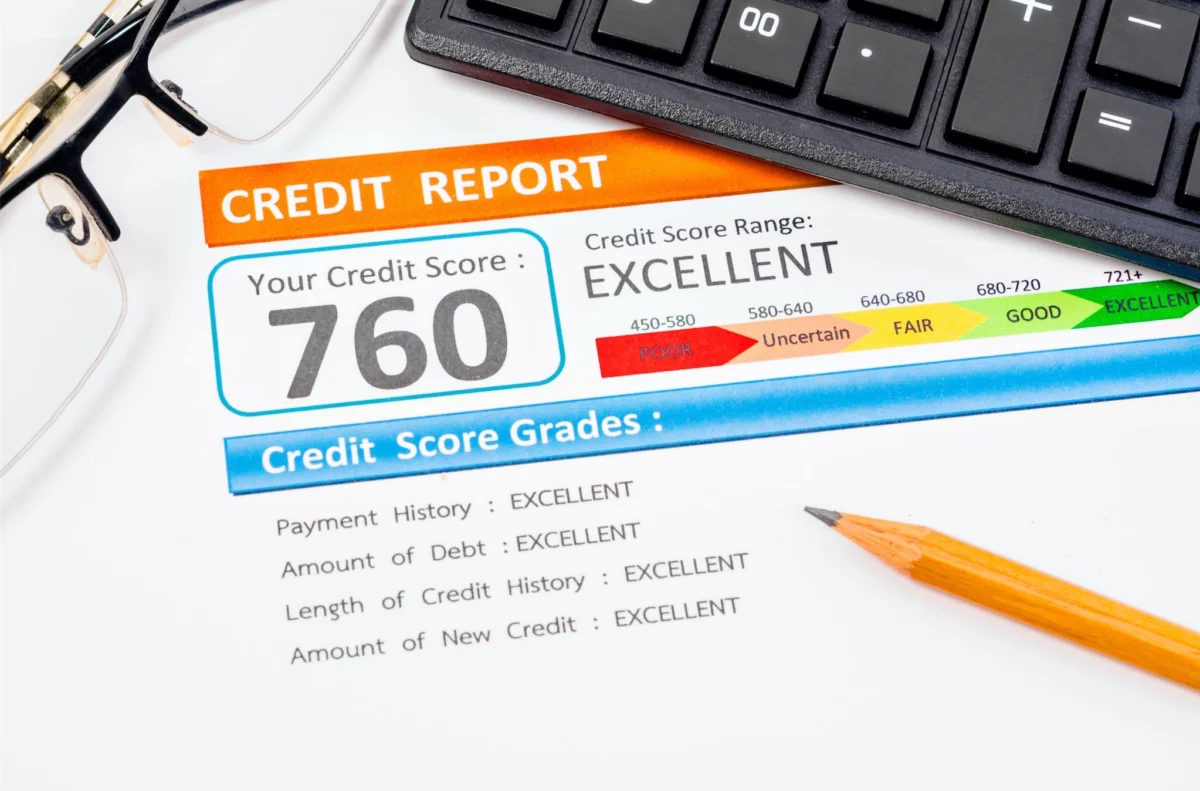
The impact of a charge-off on a credit score is profound. Because payment history accounts for 35 percent of a FICO score, a charge-off is categorized as a "major derogatory mark."

Financial data suggests that a consumer with an otherwise healthy credit profile could see a drop of 100 points or more following a 90-day late payment. A full-scale charge-off is statistically weighted even more heavily. This drop is not merely a number; it fundamentally changes how automated underwriting systems view the consumer. Lenders use these scores to predict risk, and a charge-off serves as a flashing warning light, suggesting that the borrower is high-risk, which can lead to higher interest rates, denied credit applications, or the requirement of larger deposits for utilities and rentals.
Implications for Future Financial Opportunities
The consequences of a charge-off extend well beyond the realm of credit cards. In the modern lending environment, underwriters look at the "total picture" of an applicant. A charge-off on a report can:
- Hinder Homeownership: Mortgage lenders have strict guidelines regarding "derogatory events." A recent charge-off can lead to an automatic denial or the requirement to pay off the balance before a loan can be approved.
- Affect Employment: In certain industries—particularly finance, government, and security—employers conduct credit checks. A charge-off can be viewed as a lack of financial responsibility, potentially impacting job prospects.
- Limit Insurance and Leasing: High-risk designations can lead to higher premiums on insurance or even the denial of apartment lease applications.
Strategic Steps: Addressing Valid and Inaccurate Debts
If you discover a charge-off on your report, panic is not a strategy. The first step is verification. You must determine if the information being reported is accurate.
Verification of Debt
Under the Fair Credit Reporting Act (FCRA), you have the right to request verification of any debt. This prevents you from falling victim to "zombie debt"—old debts that have been bought and sold so many times that the paperwork is inaccurate or entirely missing. If the debt is not yours or the information is incorrect, you have the grounds to file a formal dispute with the credit bureaus.
The Path of Negotiation
If the debt is verified as accurate, you generally face three distinct paths:

- Full Payment: While this does not remove the charge-off from your report, it changes the status to "Paid Charge-Off." This signals to future lenders that you eventually took responsibility for the debt, which is viewed more favorably than an unpaid balance.
- Settlement: You may offer to pay a fraction of the total debt to satisfy the account. While this saves money, it will be reported as "Settled for less than full balance," which is still a negative mark, albeit one that acknowledges the debt is no longer active.
- Pay-for-Delete: This is the "holy grail" of debt negotiation. You offer to pay the debt in exchange for the creditor removing the negative entry from your credit report. It is important to note that many creditors are now hesitant to agree to this, and success is not guaranteed. If you attempt this, always get the agreement in writing before providing payment.
Preventing the Descent: Proactive Financial Management
The best way to deal with a charge-off is to prevent it entirely. The 120-day window is a critical period. If you find yourself unable to make payments, do not go silent. Creditors are businesses, and they would often prefer to receive a smaller, restructured payment than to write off the entire balance as a loss.
- Communicate Early: Contact your creditor before you miss your second or third payment. Explain your financial hardship; they may be able to offer a hardship program or temporary forbearance.
- Automate What You Can: Even if you cannot pay the full balance, paying the minimum amount due prevents the account from entering the delinquency cycle.
- Prioritize Debt: If you are struggling with multiple debts, prioritize those that are closest to being charged off.
Frequently Asked Questions (FAQ)
Can I remove a charge-off if it’s accurate?
If the charge-off is accurate, it cannot be legally removed simply because you want it gone. However, you can attempt to negotiate a "pay-for-delete" agreement or simply pay the debt to improve your "paid" status. If those avenues fail, you must wait for the seven-year expiration period.
Does paying a charge-off boost my credit score immediately?
Contrary to popular belief, paying off a charge-off often does not result in an immediate, dramatic jump in your credit score. The damage was done when the account was first marked as delinquent. However, paying it is still recommended to stop the risk of litigation and to improve your profile for manual human reviews by lenders.
Is a charge-off the same as a collections account?
They are related but distinct. A charge-off is the original lender giving up on you. A collection account is a third party trying to get the money you still owe. A charge-off is often considered more severe because it represents a complete breakdown of the relationship with the original institution.
What is the statute of limitations?
The statute of limitations for debt collection varies by state, typically ranging from two to ten years. This is the window during which a creditor can sue you to force payment. Even if the statute of limitations has expired, the charge-off may still appear on your credit report for the full seven years.

Conclusion: Taking Control of Your Financial Narrative
A charge-off is a serious mark, but it is not a permanent label on your character. By understanding the accounting reality of "bad debt," verifying the accuracy of the entries on your credit report, and engaging in strategic negotiation, you can mitigate the long-term impact. Whether you are working with a credit repair firm or navigating the process on your own, the path to financial recovery begins with documentation, patience, and a commitment to resolving the past to protect your future.
Disclaimer: The information provided in this article is for educational purposes only and does not constitute legal, financial, or credit advice. Always consult with a qualified professional before making significant financial decisions.