



The generative artificial intelligence landscape shifted yet again on September 8, when OpenAI officially rolled out its latest text-to-image architecture: ChatGPT Images 2.5. Billed as a massive evolutionary step forward, OpenAI’s specific pitch for the new software promises sharper details, richer textures, more natural lighting, and an editing framework that respects the portions of an image you didn’t ask it to modify.
Alongside the user-facing updates, OpenAI announced a dramatic reduction in generation latency—claiming speeds up to 50% faster than the preceding Images 2.0. Furthermore, two distinct models have dropped into the developer API: GPT-Image-2.5 Flare, optimized as a fast default option, and GPT-Image-2.5 Sunburst, engineered specifically for high-end editing precision.
To see how these claims hold up in the real world, we ran it back. Following our exhaustive May matchup between GPT Image 2 and Google’s Gemini-powered image engine, we pitted OpenAI’s newest fast-and-precise model directly against Google’s equivalent champion, Nano Banana 2 (internally known as Gemini 3.1 Flash Image).
Across six rigorous, highly constrained evaluation categories, the two tech titans traded blows, resulting in a dead-even tie. But the nuances of how they failed and succeeded reveal a profound divergence in architectural philosophy.
Main Facts: What’s New in ChatGPT Images 2.5
OpenAI’s image generation models carry a notorious legacy of signature flaws. The original GPT Image 1 introduced a persistent warm, yellowish color cast that the internet affectionately—and mockingly—dubbed the "piss filter." While OpenAI never formally addressed the artifact, it plagued generations for months. When GPT Image 2 arrived, it traded the yellow tint for an equally frustrating issue: a tendency to oversharpen prompts containing stacked constraints into a crunchy, artifact-heavy mess.
With Images 2.5, OpenAI appears to have successfully exorcised both demons.
- Zero Artifacting: In our test runs, every image generated by Images 2.5 maintained pristine color balance and structural integrity at full complexity, free from both the historic yellow tint and the aggressive oversharpening of its predecessor.
- Workflow Integrations: Beyond raw generation, OpenAI introduced crucial workflow tools within ChatGPT. These include Sketch (allowing users to draw rough layouts directly as references), shared prompts, inline comments targeting specific image regions, and specialized format templates for posters and merchandise.
- API Quality Tiers: Developer controls have also expanded, adding "High" and "Max" quality tiers that sit well above the ceiling of Images 2.0.
Chronology: The Evolution of a Rivalry
To understand the weight of the Images 2.5 release, one must look at how rapidly the text-to-image landscape has evolved over the past several years:
- May: A comprehensive multi-category comparison showed GPT Image 2 and Google’s Nano Banana 2 trading wins evenly. While GPT Image 2 secured more category victories, its structural oversharpening left critics wondering if OpenAI could engineer a cleaner pipeline.
- Late Spring/Summer: Google iterated on its multimodal pipelines, positioning its lightweight, fast-tier models as practical powerhouses for everyday users.
- September 8: OpenAI drops ChatGPT Images 2.5, introducing Flare and Sunburst models to the API alongside sweeping performance optimizations and latency cuts.
- Post-Launch: Critics and evaluators immediately put the new architecture through a battery of tests to determine if historical flaws had been fully resolved and how it matches up against Google’s current best.
Supporting Data: Head-to-Head Category Breakdown
To maintain absolute fairness, we utilized six distinct evaluation criteria—some carried over from previous tests, others adapted for higher complexity. Here is how OpenAI’s flagship stack-up performed against Google’s Nano Banana 2.
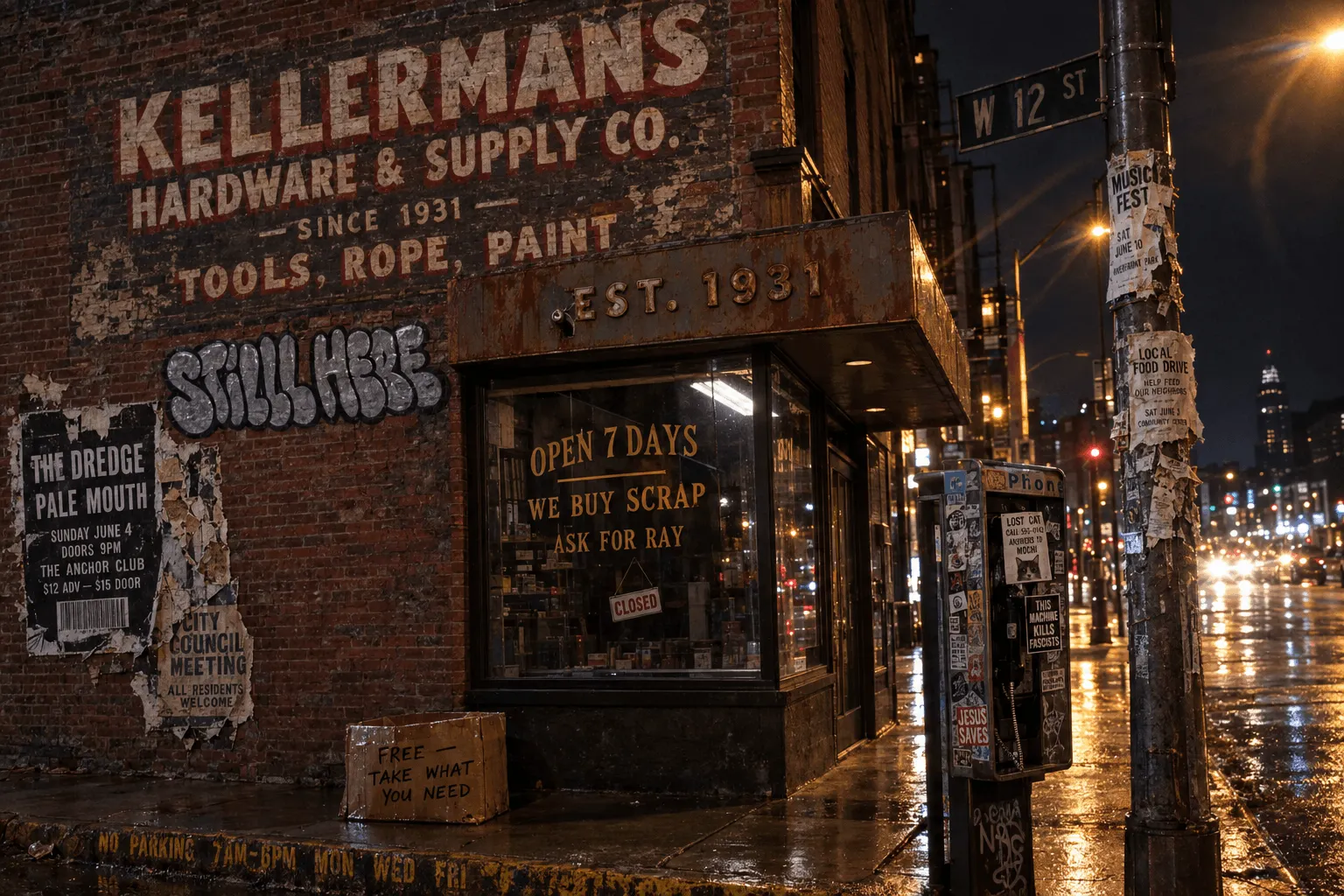
1. Lettering Density: The Kellerman’s Hardware Scene
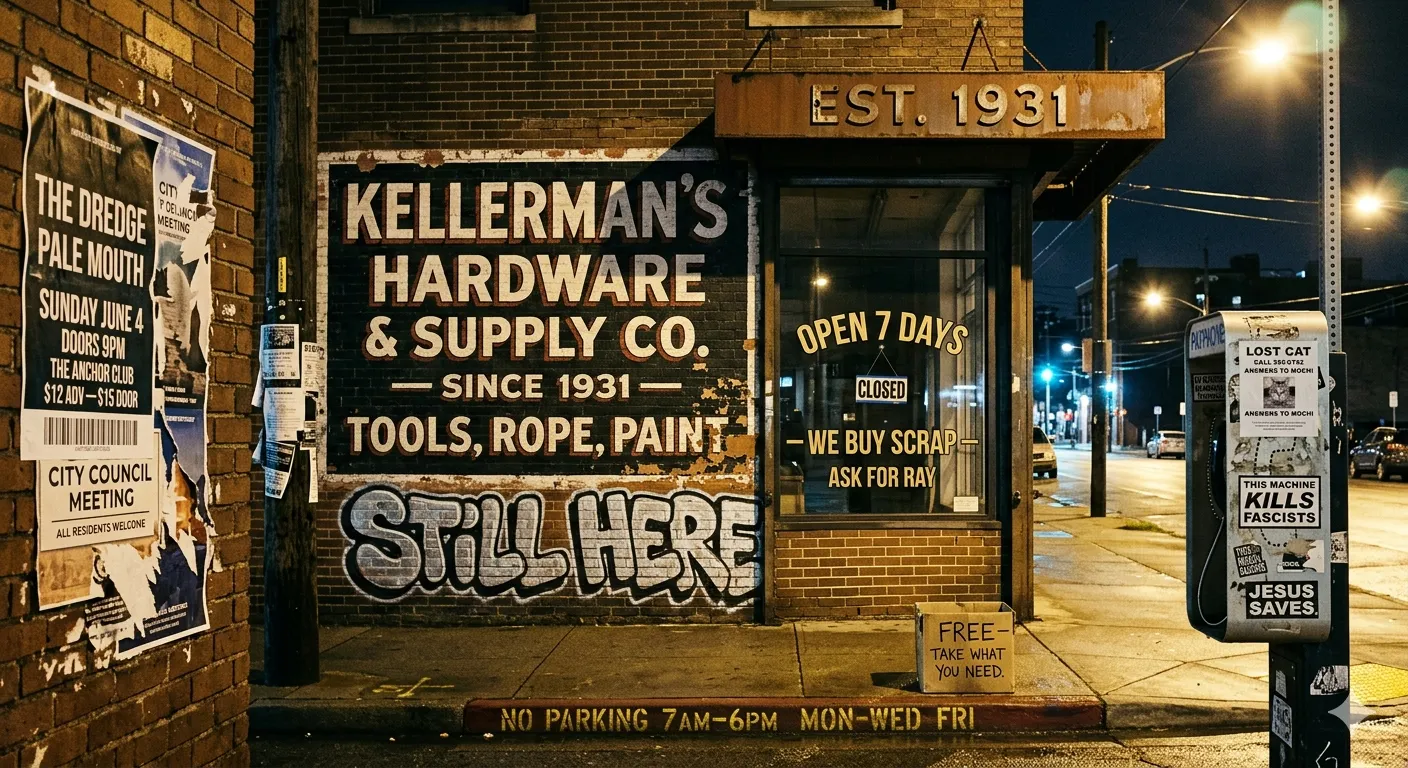
This is arguably the most punishing test in our suite: a gritty, 2:00 a.m. urban intersection where nearly every surface must feature readable text, including ghost signs, spray-painted graffiti, vinyl storefront lettering, torn concert posters, stenciled curbs, and sticker-covered payphones.
- Nano Banana 2: Rendered almost all text cleanly, stumbling only on a minor payphone sticker that duplicated its text in a garbled fashion.
- ChatGPT Images 2.5: Successfully generated intricate details that Nano Banana missed entirely—such as a lamppost wrapped in overlapping, weathered, stapled flyers. However, it stumbled on text fidelity: its street-art tag read "STILLL HERE" with an erroneous extra L, and the apostrophe in "KELLERMAN’S" was completely unreadable.
- Winner: Nano Banana 2. While OpenAI offered a more atmospheric aesthetic, Google won out on raw text accuracy.
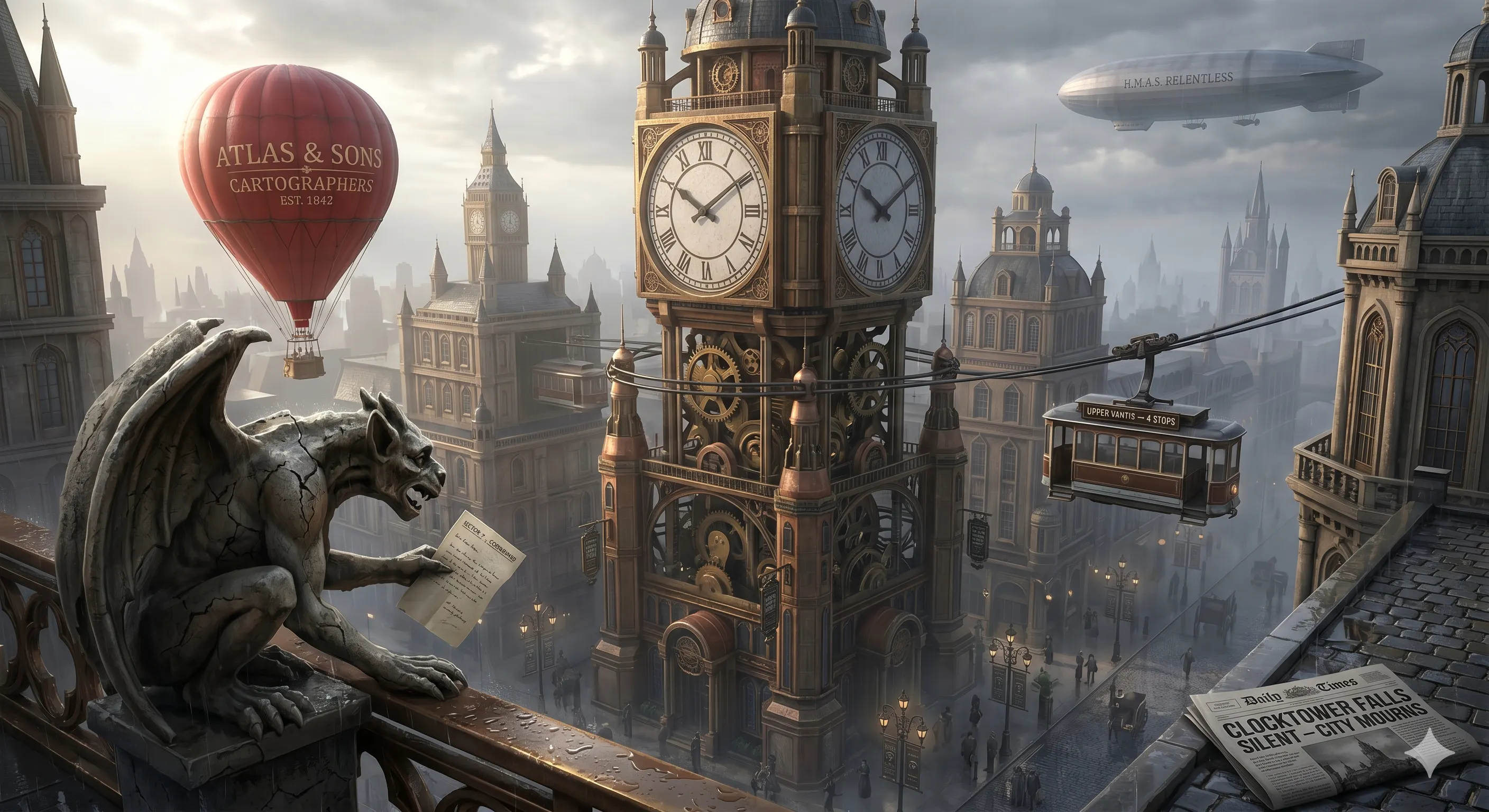
2. Spatial Awareness: The Steampunk Clock Tower
A demanding aerial composition test requiring a five-plane depth scene, featuring a massive clocktower displaying distinct, legible Roman numerals on multiple faces at specific hand positions.
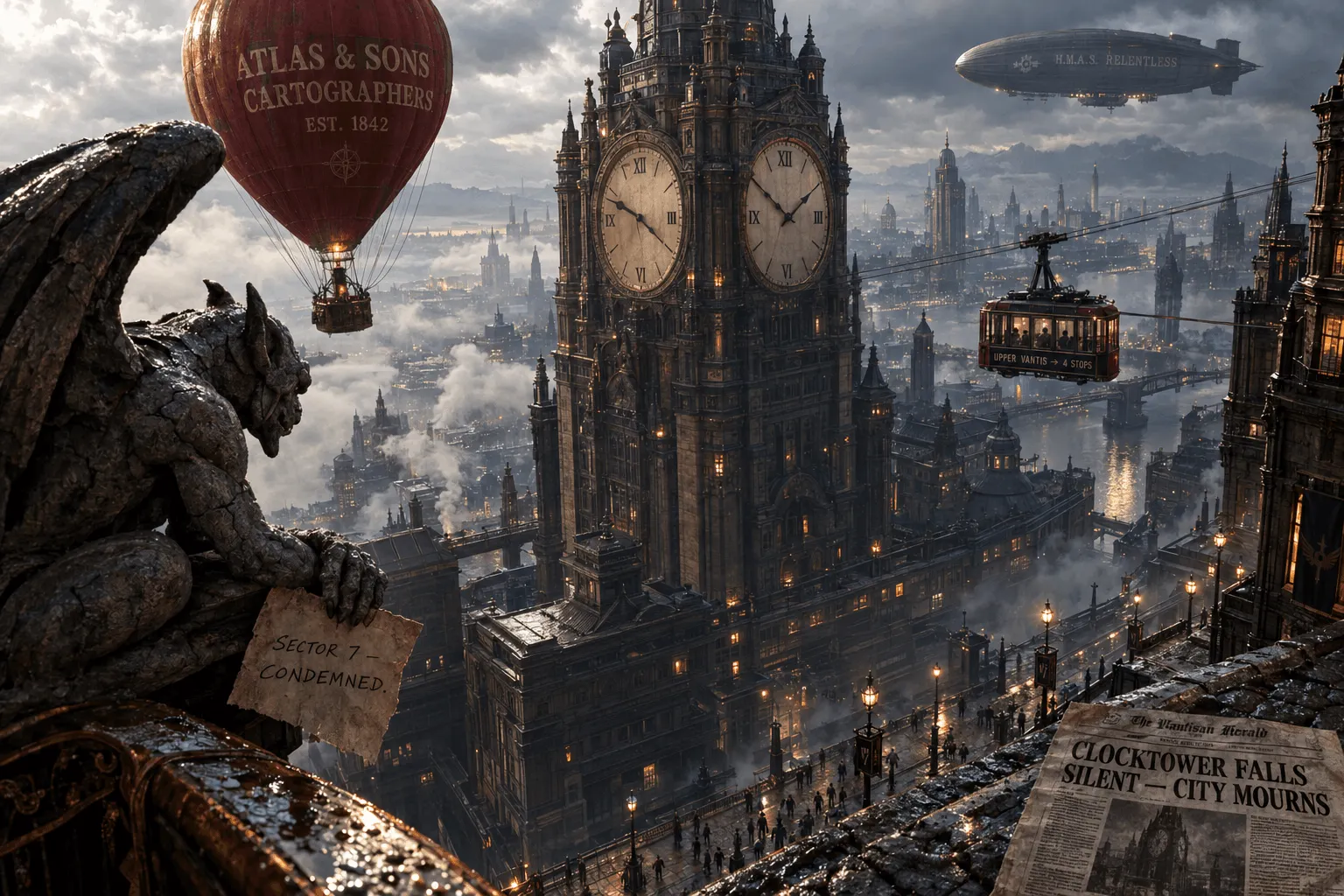
- ChatGPT Images 2.5: Delivered a remarkably atmospheric image featuring visible steam rising off rooftops, a mid-ground river, and a deep, rich tonal range across all five depth planes. The text elements were notably clear.
- Nano Banana 2: Produced a flatter atmosphere. While its clock faces displayed legible Roman numerals (XII, III, VI, IX), it failed to follow the specific hand positions requested by the prompt.
- Winner: GPT Images 2.5, thanks to superior instruction-following without sacrificing visual realism.
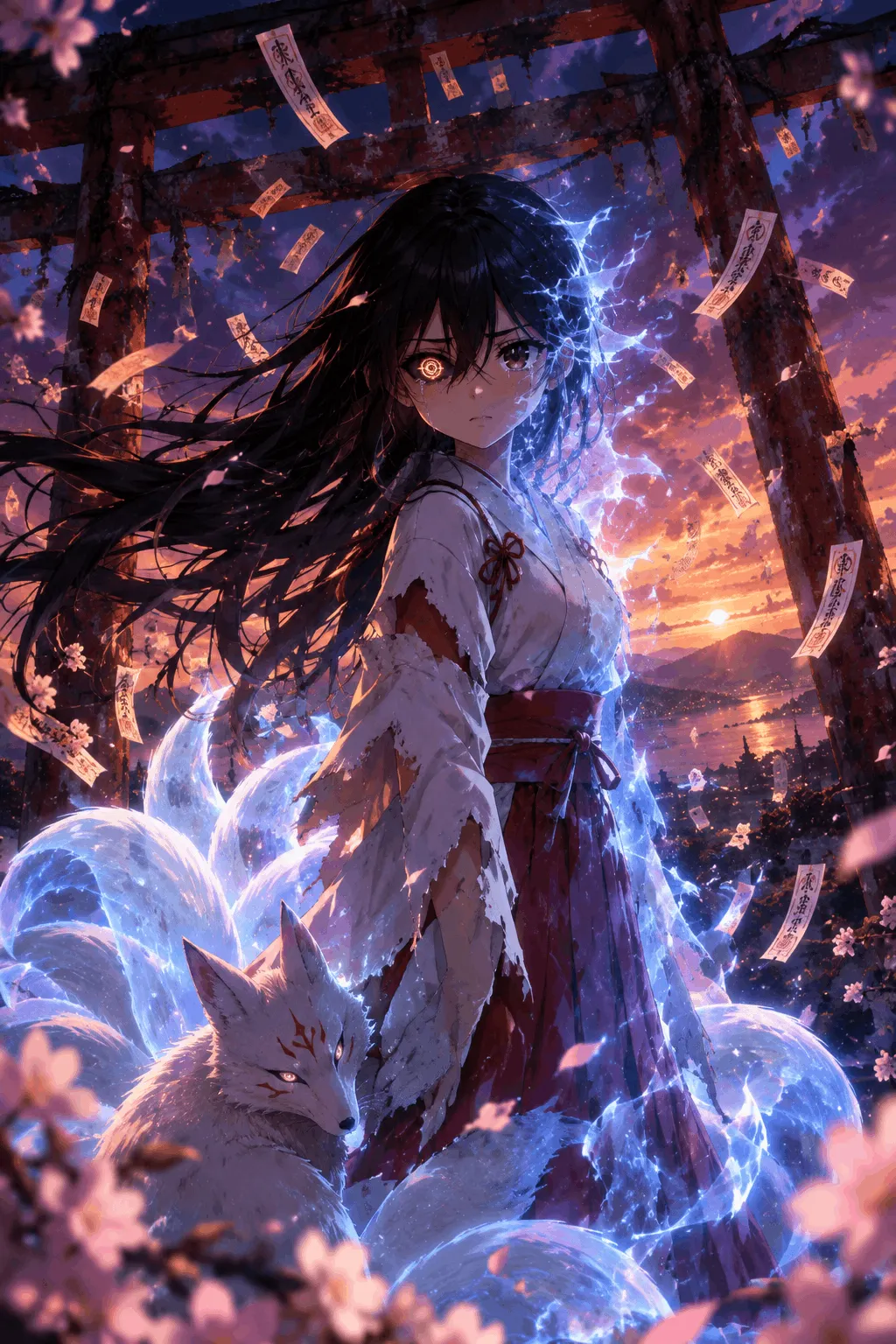
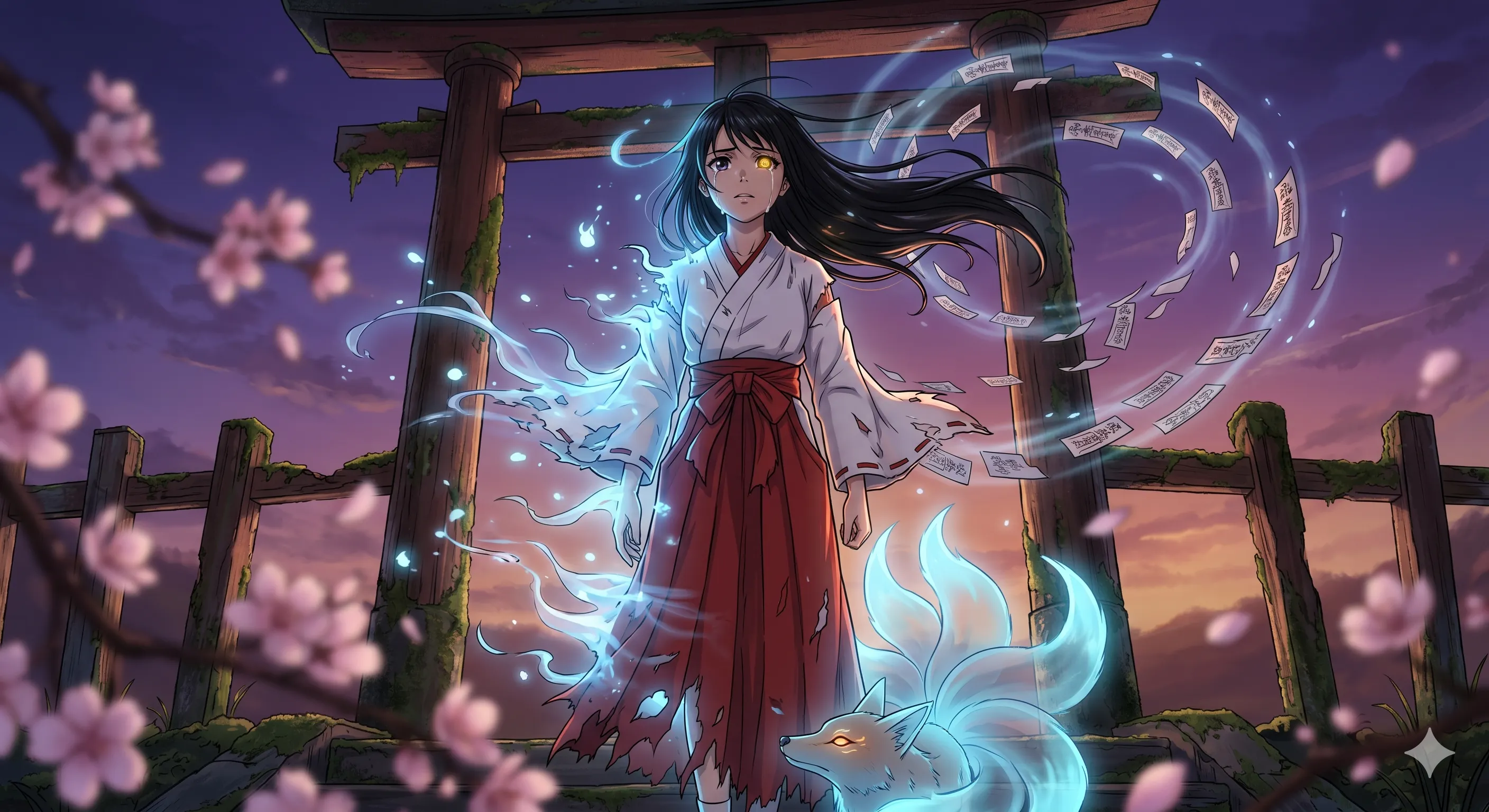
3. Illustration: The Anime Spirit Medium
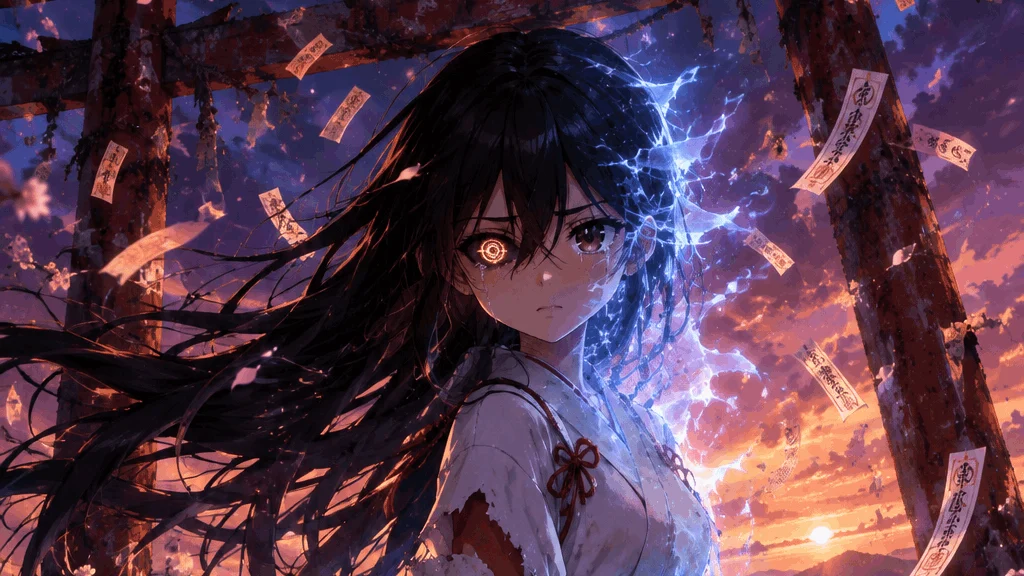
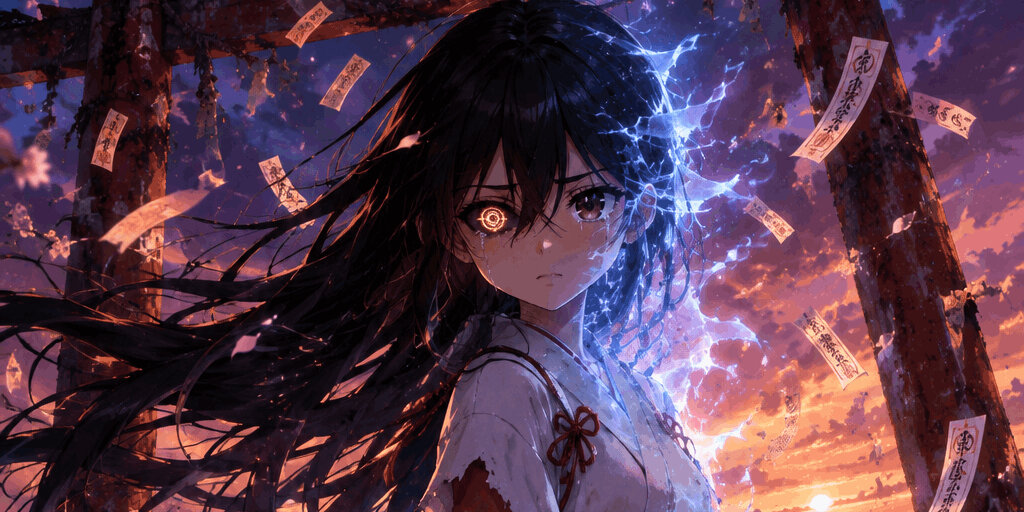
A prompt demanding a Studio Ufotable-style key visual: a young girl mid-transformation into spiritual energy near a traditional torii gate, accompanied by a nine-tailed kitsune fox and a Makoto Shinkai-painted twilight twilight sky.
- ChatGPT Images 2.5: Produced arguably the most breathtaking sky of any test in this series—complete with a genuine sun disc, water reflections, and mountain silhouettes that truly honor the Shinkai aesthetic. The primary critique was interpretive drift: instead of the requested "dissolving into energy," the model rendered an electric-crackle effect through the character’s hair.
- Nano Banana 2: Stuck closer to the literal prompt with a wispy blue-white energy trail, though neither model successfully rendered a convincing nine-tailed fox.
- Winner: ChatGPT Images 2.5, driven by sheer visual impact.
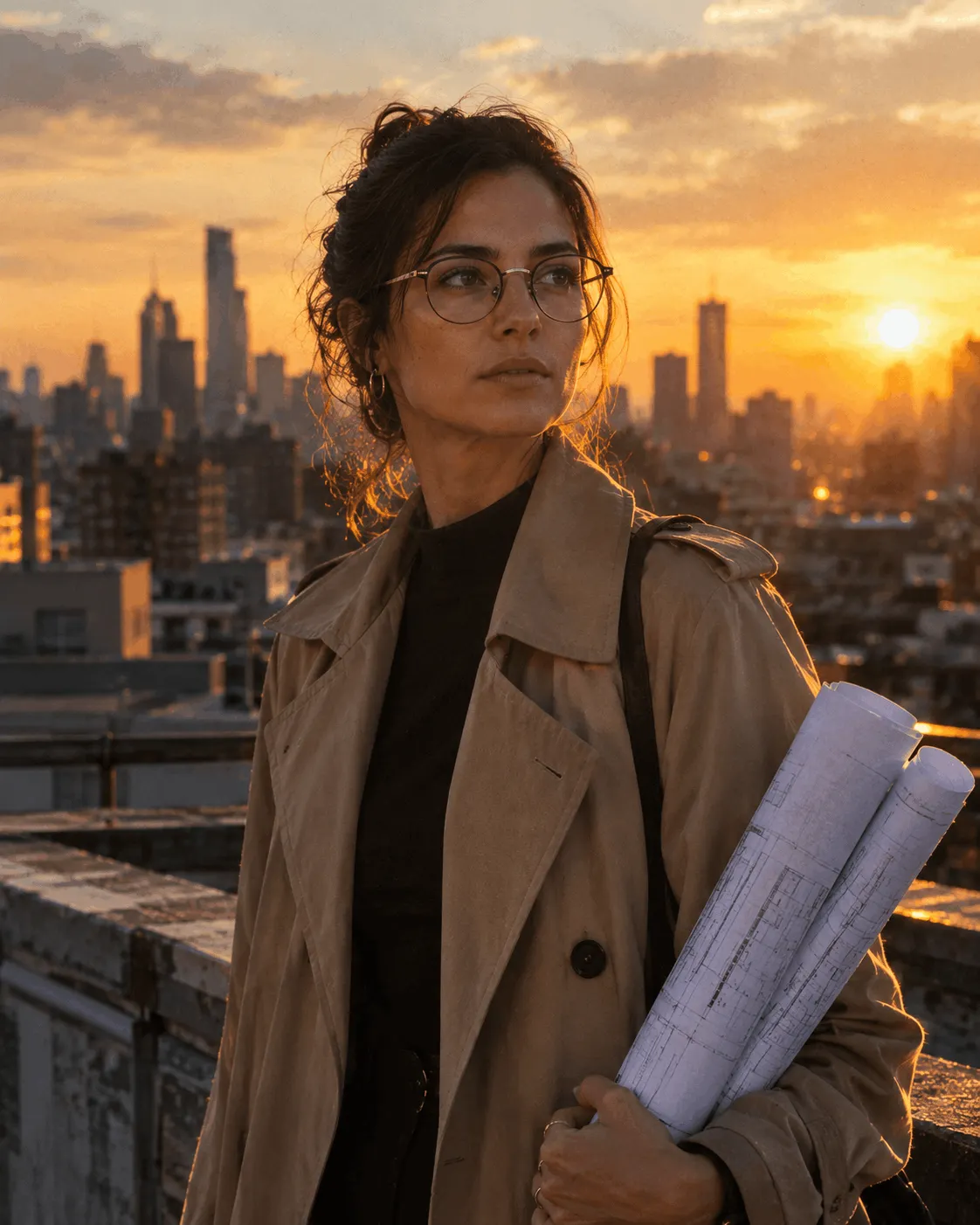
4. Realism: The Rooftop Architect
A cinematic portrait packed with independent constraints: a beige trench coat, round glasses, blueprints held specifically in the left hand, golden-hour lighting, a shallow depth of field, and authentic film grain.
- ChatGPT Images 2.5: Generated stunning lighting with a visible sun disc directly behind the subject and exquisite skin micro-textures, though skin smoothness leaned slightly into the artificial. Intriguingly, injecting deliberately poor-quality keywords (such as "crushed shadows, uneven flash, blown-out skin tones, shot on a phone camera") paradoxically heightened the organic realism of subsequent generations.
- Nano Banana 2: Maintained a complete composition, correctly placed blueprints in the right hand, and included a legible blueprint label ("PROJECT: 124 DUANE ST").
- Winner: Nano Banana 2 for an immediate single shot; ChatGPT for iterative tweaking potential.
5. Agentic Research: The Bitcoin Timeline
Testing whether the models could research historical milestones before rendering a widescreen kids-drawing-style infographic while maintaining strict factual accuracy.
- ChatGPT Images 2.5: Built a clean, well-structured two-row infographic with specific dates—unfortunately marred by a factual error. It labeled 2023 as the year U.S. spot Bitcoin ETFs were approved, when the SEC actually greenlit them on January 10, 2024 (a full year later).
- Nano Banana 2: Adopted a looser structure but safely bracketed the ETF approval and the fourth halving into a "2023–2024" window, avoiding any definitive false claims.
- Winner: Nano Banana 2. A confidently incorrect date is an unacceptable flaw in an agentic research test.
6. Abstract Concepts: A Prompt Made of Invented Words
A surreal test using a prompt built entirely from nonsensical words: "A woman eating shmfiyxl in Lyxin. Next to her, her Lymglsushing plays Lakishkark."
- ChatGPT Images 2.5: Cleverly turned the nonsense words into literal elements within the physical world. "Lyxin" glowed on a neon sign above a futuristic restaurant, while "Lakishkark" appeared printed on a board game box.
- Nano Banana 2: Interpreted the prompt through a cultural lens, generating a warm Guatemalan market stall featuring a woman in a traditional huipil and an orc-like creature playing a hybrid stringed-and-pipe instrument, treating "plays" as musical rather than gaming. However, the invented words never surfaced visually.
- Winner: ChatGPT Images 2.5, for converting abstract placeholders into readable physical signage.
Official Responses and Industry Context
Both OpenAI and Google have remained tight-lipped regarding the specific internal parameter counts of their latest image engines, but executive communications emphasize a shared industry-wide pivot: speed, efficiency, and precise developer control.
OpenAI’s release of the Flare and Sunburst tiers signals a deliberate strategy to segment its user base. By delegating rapid-fire prototyping to Flare while reserving Sunburst for granular, high-stakes editing workflows, OpenAI is positioning ChatGPT not merely as a novelty art generator, but as an indispensable component of commercial design and software pipelines.
Meanwhile, Google’s continued strength with Nano Banana 2 highlights the structural maturity of the Gemini ecosystem, particularly in balancing factual data retrieval with visual synthesis—an area where OpenAI’s agentic research features occasionally trip over their own synthetic feet.
Implications: Where Does Generative AI Go From Here?
The outcome of this head-to-head test—a clean 3-3 tie—demonstrates that the competitive gap between the leading generative AI labs has effectively vanished. There is no longer a definitive "king" of text-to-image synthesis; instead, we are witnessing a divergence in design philosophy and utility.
- Aesthetic Superiority vs. Literal Accuracy: OpenAI’s Images 2.5 consistently wins on pure visual splendor, lighting, atmosphere, and the clever contextualization of abstract prompts. However, it occasionally stumbles on meticulous constraints, such as precise spelling or historical fact-checking.
- Workflow Integration is King: For professional designers, marketers, and developers, raw output quality is only half the battle. OpenAI’s inclusion of workflow-centric additions—like the Sketch tool, inline region commenting, and flexible API tiers—points toward an era where AI models behave less like isolated slot machines and more like collaborative digital workstations.
Ultimately, whether ChatGPT Images 2.5 or Google’s Nano Banana 2 suits your needs depends entirely on your use case. If you prioritize photographic depth, atmospheric realism, and intuitive editing tools, OpenAI’s latest release sets a breathtaking new benchmark. If your workflow demands strict factual grounding and pristine typographic execution, Google’s ecosystem remains a formidable adversary.