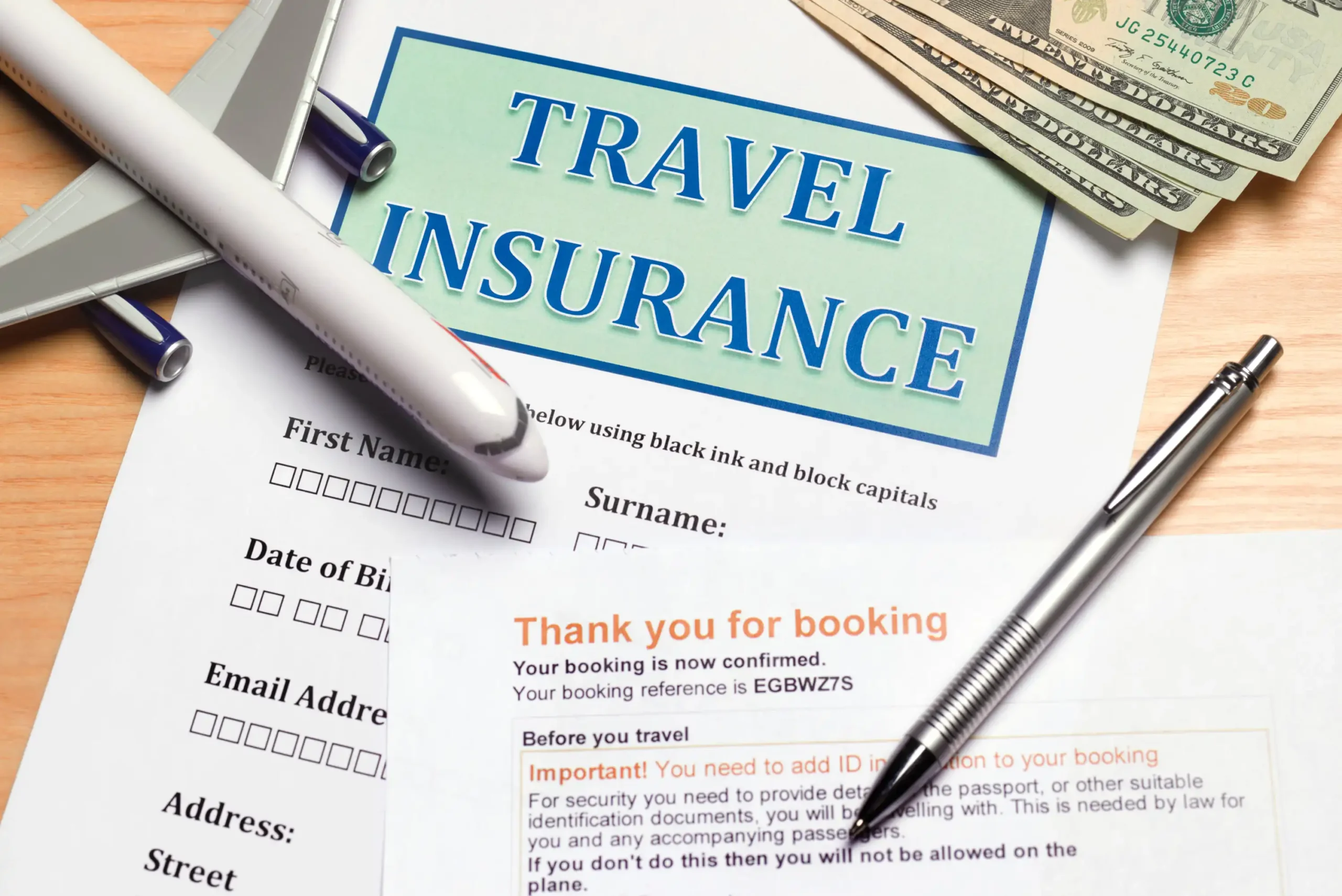










When planning a major vacation, cruise, or international expedition, travelers frequently encounter a myriad of uncertainties. From shifting work schedules and geopolitical tensions to unexpected financial changes or lingering anxieties about health and travel conditions, modern travel is rarely straightforward. To combat this unpredictability, many globetrotters turn to an advanced tier of financial protection: Cancel for Any Reason (CFAR) travel insurance.
While the concept of being able to pull the plug on a trip and recoup a significant portion of your investment—simply because you’ve changed your mind—sounds undeniably appealing, CFAR policies come with a strict set of rules, higher premium costs, and specific limitations. Drawing from extensive industry experience purchasing, selling, and filing claims against travel insurance policies, this comprehensive guide explores how CFAR works, its pros and cons, eligibility requirements, and whether it deserves a place in your next travel budget.
Main Facts: What is CFAR Travel Insurance?
Cancel for Any Reason travel insurance is an optional, premium upgrade to a comprehensive travel protection plan. Unlike standard travel insurance, which strictly enumerates specific "covered reasons" for canceling a trip (such as a sudden, severe illness, the death of a family member, or jury duty), CFAR gives policyholders the ultimate flexibility to cancel a trip for any reason whatsoever—or for no reason at all.
Key Operational Realities of CFAR:
- Partial Reimbursement: While standard covered cancellations typically trigger a 100% refund of non-refundable prepaid trip costs, CFAR policies generally reimburse between 50% and 75% of those costs. Select premium plans may stretch up to 80%.
- Cost Factor: Adding CFAR to a standard policy typically inflates the base premium by 40% to 60%, though pricing varies significantly depending on the provider, destination, and total trip cost.
- State and Provider Limitations: CFAR is not universally available. Certain states (such as New York and Washington) have unique regulatory frameworks that restrict or ban CFAR offerings. Furthermore, not all insurance carriers or policies include a CFAR upgrade option.
To put it into perspective, imagine booking a luxury Caribbean cruise months in advance. If a hurricane alters the itinerary to ports you have already visited, a standard policy might not view this as a covered reason to cancel. With CFAR, however, you can walk away from the reservation and recoup a large portion of your cash outlay without needing to justify your decision to the insurer.
Chronology: The Strict Timeline of CFAR Eligibility
Unlike standard travel insurance, which can often be purchased weeks or even months after making an initial trip deposit (provided no known events threaten the trip), CFAR operates under a tightly regulated chronological framework. Missing any of these crucial windows will instantly disqualify you from receiving CFAR protection.
[Day 0: Initial Trip Deposit]
       │
       ├─► 14 to 21 Days: Purchase CFAR Policy & Cover Initial Cost
       │
       ├─► Ongoing: Add Subsequent Non-Refundable Payments (within 14-21 days of each)
       │
       └─► 48 to 72 Hours Before Departure: Absolute Deadline to Cancel Trip
1. The Purchase Window (The 14-to-21-Day Rule)
To qualify for CFAR, you must purchase the policy almost immediately after making your very first financial commitment toward the trip (such as a hotel deposit, flight booking, or tour payment). Most insurers enforce a strict 14-to-21-day window following your initial deposit. If you wait until you are paying your final balances, you will almost certainly be locked out of CFAR eligibility.
2. The Total Cost Tracking Requirement
You are not required to estimate your full trip cost if you have only put down a deposit. However, as you continue to book flights, ground transportation, excursions, and hotel stays, you must incrementally update your policy. Every subsequent non-refundable payment must be added to your CFAR policy within 14 to 21 days of the transaction. Failing to insure the total cost of your trip can result in a denied claim.
3. The Cancellation Deadline
CFAR is not a last-minute get-out-of-jail-free card for the morning of your flight. Policyholders must notify their travel providers and insurance companies of their intent to cancel at least 48 to 72 hours before their scheduled departure time.
Supporting Data: CFAR vs. Standard Travel Insurance & IFAR
To better understand the financial mechanics of travel protection, it helps to analyze how different policy tiers compare across coverage types, reimbursement rates, and purchase triggers.
| Feature | Standard Travel Insurance | CFAR Upgrade | IFAR (Interruption for Any Reason) |
|---|---|---|---|
| Trigger Events | Illness, injury, family death, severe weather, job loss | Any reason not covered by standard policies | Deciding to end a trip early for any reason |
| Reimbursement Rate | 100% of non-refundable expenses | 50% to 75% (up to 80% on select plans) | 50% to 75% of unused prepaid trip costs |
| Premium Impact | Baseline cost | Adds 40% to 60% to base premium | Usually bundled with CFAR or added separately |
| Time to Purchase | Up to 24–48 hours before departure (typically) | 14–21 days of initial trip deposit | 14–21 days of initial trip deposit |
| Cancellation Window | Up to departure time | At least 48–72 hours before departure | After 48–72 hours into the active trip |
The Rise of IFAR (Interruption for Any Reason)
A natural extension of CFAR is Interruption for Any Reason (IFAR). While CFAR applies before your journey begins, IFAR kicks in once you are already traveling.
For instance, if you book a two-week resort stay and discover after four days that the property fails to match its online promises, standard trip interruption insurance will not cover your early departure. However, if your policy includes an IFAR benefit (found in select advanced plans like Travel Insured International’s Worldwide Trip Protector series or IMG iTravelInsured Travel LX), you can pack your bags, return home early, and recover 50% to 75% of your unused prepaid expenses.
Official Responses and Industry Perspectives
Travel insurance providers, consumer advocates, and regulatory agencies maintain distinct viewpoints regarding the value and implementation of CFAR upgrades.
Insurance underwriters note that CFAR claims have trended steadily upward over recent years, driven by post-pandemic shifts in consumer behavior, heightened travel anxieties, and economic uncertainty. Because insurers assume an exponentially higher risk when offering coverage for voluntary cancellations, the steep 40% to 60% premium markup is viewed as a necessary actuarial balance.
Consumer protection organizations, meanwhile, emphasize the importance of reading the fine print. Many travelers mistakenly assume they need CFAR for scenarios that are already covered under comprehensive base policies. For example, comprehensive plans from major providers (such as Travel Guard Deluxe or Seven Corners) frequently cover events like:
- Sudden job loss or corporate relocation
- Natural disasters and severe weather (such as hurricanes threatening coastal destinations)
- Extended school years interfering with family vacations
- Jury duty or military obligations
Experts advise consumers to carefully audit the covered reasons in a base policy before paying a steep premium for a CFAR upgrade. If your primary anxieties are already addressed by standard provisions, CFAR may represent an unnecessary expense.
Implications: Weighing the Pros and Cons
Deciding whether to invest in CFAR travel insurance requires balancing the absolute peace of mind it provides against its undeniable financial drawbacks.
The Pros
- Ultimate Flexibility: You do not need to provide medical records, employer letters, or proof of a catastrophic event to walk away from your trip.
- Streamlined Claims Process: Because no justification is required for a standard CFAR cancellation, the paperwork is typically limited to proving what you paid and what was lost.
- Maximized Protection: It bridges the gap between predictable life events and completely unforeseen personal anxieties or shifts in circumstance.
The Cons
- High Financial Cost: Increasing your policy price by 40% to 60% can significantly eat into your overall travel budget.
- Partial Losses: Even if your claim is approved, recovering only 50% to 75% of your expenses means you are still absorbing a noticeable financial hit.
- Strict Adherence Deadlines: Missing the initial 14-to-21-day purchase window or failing to cancel 48 hours prior to departure voids the coverage entirely.
Conclusion: Do You Need CFAR Insurance?
CFAR travel insurance is not designed for every traveler or every trip. If you are booking a spontaneous weekend getaway close to home with minimal upfront financial investment, CFAR is likely a poor use of your money.
However, CFAR becomes an invaluable financial shield under specific conditions:
- Long-Lead Planning: You are coordinating an expensive family reunion, destination wedding, or bucket-list cruise many months or over a year in advance, where personal, financial, or professional schedules are bound to fluctuate.
- Unpredictable Companions: You are traveling with companions whose reliability or health status is uncertain.
- High Personal Anxiety: You simply cannot stomach the thought of losing thousands of dollars to unforeseen shifts in your personal life or comfort level.
Before committing, take time to compare quotes across digital aggregators and specialized platforms (such as Faye, InsureMyTrip, Squaremouth, Aardy, and TravelInsurance.com). Consult a licensed insurance agent to verify state availability, review policy nuances, and ensure your specific concerns aren’t already covered by a standard, more affordable comprehensive plan. By performing due diligence upfront, you can secure the right level of protection and travel with genuine peace of mind.