







In a move that has piqued the interest of aviation analysts and frequent flyers alike, American Airlines and German leisure carrier Condor have officially announced a new interline agreement. While the press releases frame the development as a significant "partnership," industry observers are quick to clarify that this represents an interline arrangement—the most fundamental level of cooperation in the global aviation sector. Despite its modest scope, the collaboration signals a potential shift in the competitive landscape of transatlantic travel, raising questions about Condor’s long-term strategy and whether this is merely the first step in a larger consolidation play.
Main Facts: The Scope of the Agreement
At its core, the interline agreement allows American Airlines and Condor to sell travel on one another’s networks under a single, seamless booking. For the passenger, this translates to tangible benefits that simplify the complex nature of international transit. Travelers can now book a single ticket that covers flights operated by both carriers, which includes the convenience of through-checked baggage to their final destination, simplified check-in processes for the entire itinerary, and guaranteed protection in the event of flight delays or missed connections.
For American Airlines, this agreement serves as a strategic bridge. By leveraging Condor’s growing network of transatlantic gateways—including Boston (BOS), New York (JFK), Los Angeles (LAX), and, effective May 2027, Chicago (ORD)—American can feed its domestic traffic into Condor’s German and European routes. For Condor, the benefit is equally clear: access to the vast American Airlines domestic network, which connects more than 150 cities across the United States. This provides the German carrier with a robust stream of feeder traffic that was previously more difficult to capture through traditional booking channels.
Chronology: The Evolution of a German Independent
To understand why this "partnership" is generating industry buzz, one must look at the recent history of Condor. Historically, Condor operated as a leisure-focused airline, often tethered to the broader Lufthansa Group ecosystem. However, recent years have been marked by a concerted effort to pivot toward a more competitive, full-service model.
This shift has created friction with the Lufthansa Group. Historically, Condor relied on "feeder" flights from Lufthansa to fill its long-haul aircraft. However, as Condor began competing more directly with the flag carrier, Lufthansa moved to terminate these preferential feeder agreements. This forced Condor to look elsewhere for growth, seeking out new partners to replace the lost connectivity.
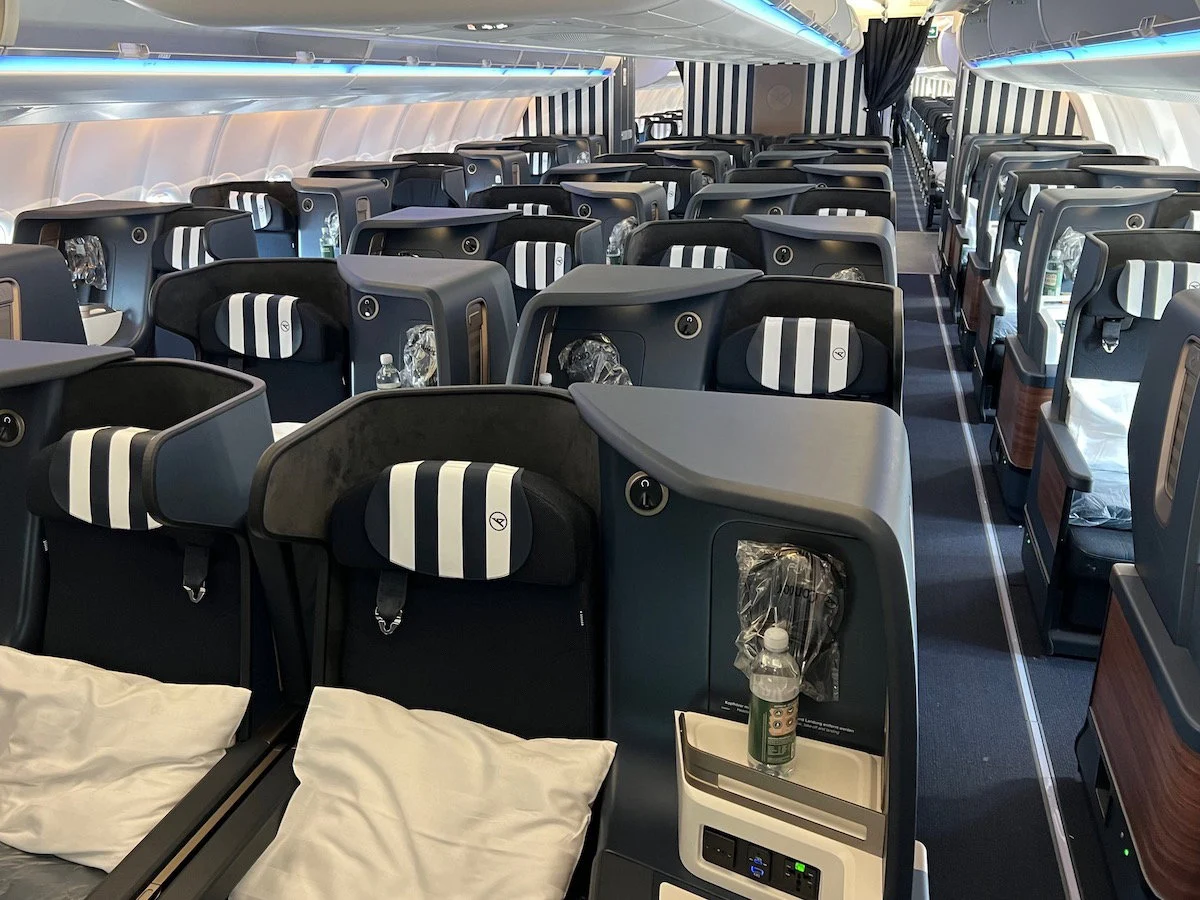
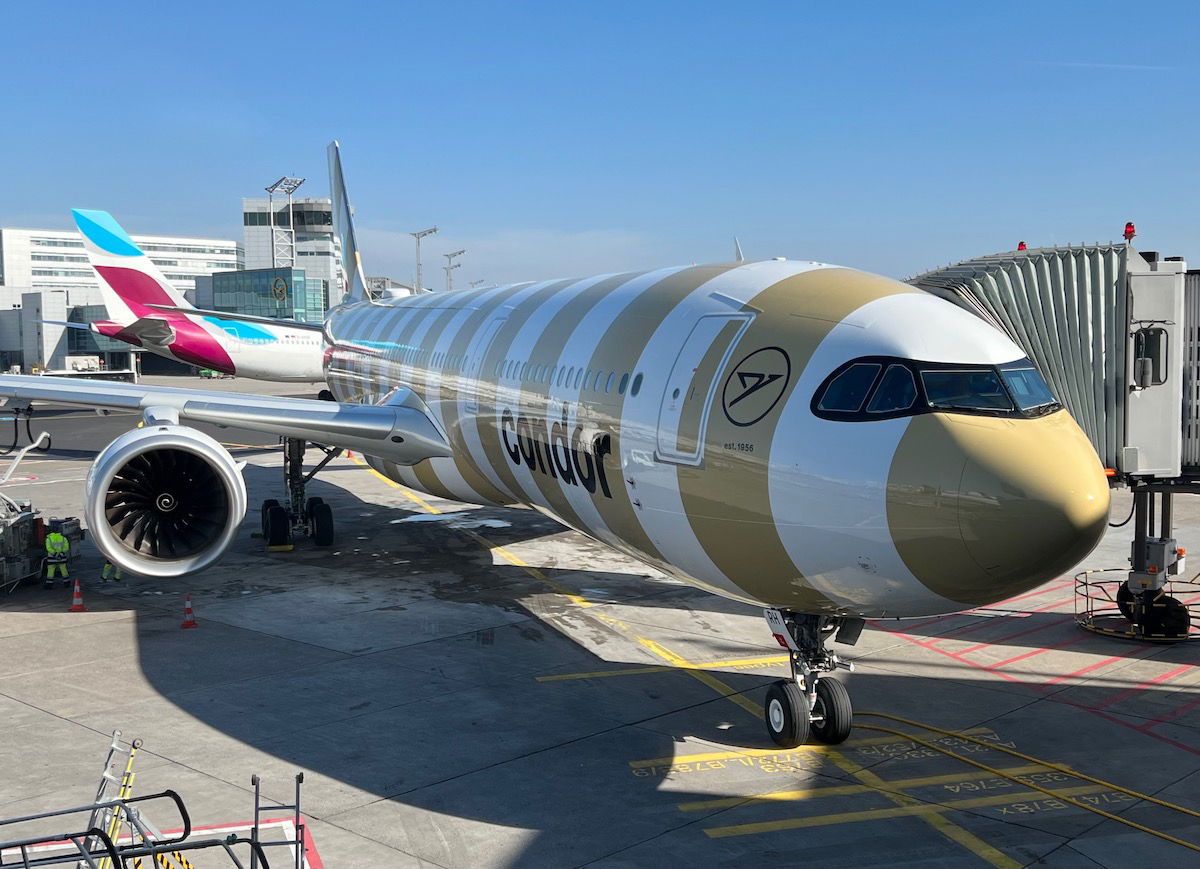
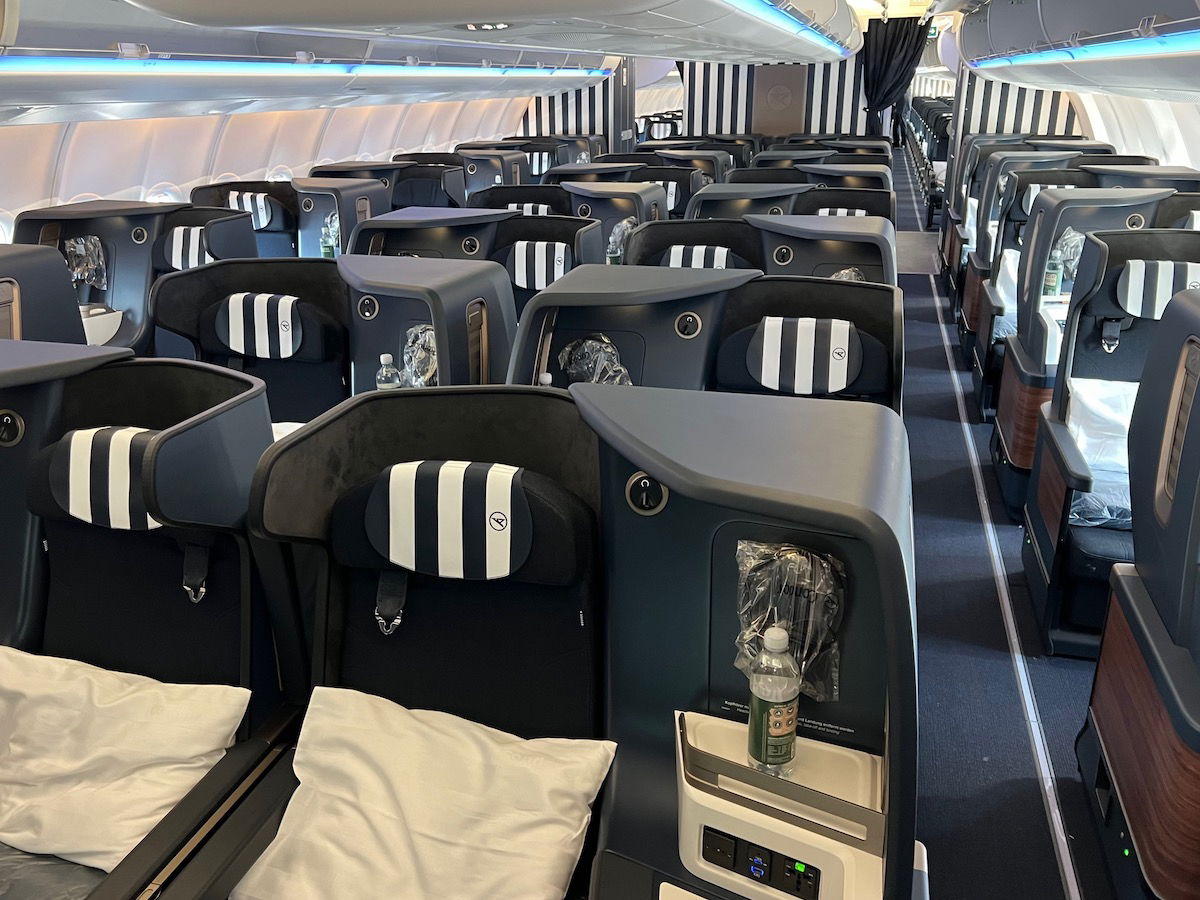
The announcement of the American Airlines agreement comes at a time when Condor is in the midst of a fleet modernization program, replacing older aircraft with efficient Airbus A330-900neo jets, and rebranding itself with a distinctive, high-visibility livery. This latest collaboration is a logical evolution of that independence, as the airline seeks to fortify its position in the transatlantic market without the protection—or the restrictions—of its former partners.
Supporting Data: The Strategic Logic
The aviation industry is notoriously difficult to navigate as an independent player. In an era dominated by massive airline groups—namely the Lufthansa Group, IAG (British Airways, Iberia, Aer Lingus), and Air France-KLM—Condor occupies a precarious "middle ground."
The Frankfurt Challenge
Condor’s primary hub is Frankfurt (FRA), one of the world’s busiest airports. However, Frankfurt is firmly established as the home turf of Lufthansa. For an airline like Condor, being the "second-tier" player at a major hub makes it difficult to achieve the economies of scale enjoyed by dominant legacy carriers. By aligning with a powerhouse like American Airlines, Condor gains the ability to offer one-stop connections from secondary U.S. cities to Europe—a service that would otherwise require complex, multi-airline ticketing.
Network Complementarity
The data suggests that this partnership is not about replacing existing routes but about expanding the catchment area. American Airlines maintains a dominant domestic footprint in the United States. By allowing its passengers to connect onto Condor’s long-haul flights at gateways like JFK and LAX, American can offer routes to Germany that it does not operate itself, while maintaining a degree of control over the customer experience.
Official Responses: Aligning the Vision
Both carriers have expressed optimism regarding the synergy this agreement provides. The rhetoric from both sides emphasizes "connectivity" and "customer choice."
David Carlisle, Condor’s VP of Network Planning & Partnerships, stated: "With American Airlines, we are welcoming a strong partner whose network perfectly complements our own and significantly enhances our connectivity across North America. This partnership strengthens our position in the transatlantic market while offering our guests even more travel options. Together, we are continuing to expand our international network and create attractive travel opportunities on both sides of the Atlantic."
Echoing this sentiment, Jeff Ogar, American’s Managing Director of Alliances, noted: "American’s new agreement with Condor underscores our commitment to connect people with the places that matter most. Combining our extensive North American network with Condor’s presence in Germany and Europe creates a winning proposition for our mutual customers. We look forward to working together to deliver more travel options for our customers."
Implications: A Potential Future in Oneworld?
The most compelling question arising from this announcement is whether this is the beginning of a deeper integration. In the current aviation climate, it is increasingly rare for a mid-to-large-sized European airline to remain outside of the three major global alliances: Star Alliance, SkyTeam, or oneworld.
The Case for Oneworld
Condor is an unlikely candidate for Star Alliance, given its direct and often heated competition with Lufthansa. Similarly, SkyTeam is dominated by the Air France-KLM group, which is also a direct competitor. This leaves oneworld, the alliance that includes American Airlines, British Airways, and Iberia, as the most logical home.
If Condor were to join oneworld, it would provide the alliance with a significant footprint in Germany, a market where oneworld has historically been weaker than its peers. Furthermore, a closer relationship with IAG—the parent company of British Airways—could provide Condor with the stability and scale it needs to thrive in the long term.
The Hurdle: Loyalty and Reciprocity
For the average flyer, the current interline agreement is limited. It does not include loyalty reciprocity—meaning travelers cannot currently earn AAdvantage miles on Condor flights, nor can they use miles for award tickets or enjoy elite status perks like lounge access or priority boarding.
Industry experts believe that until such time as a formal alliance membership or a joint venture is established, these "perks" are unlikely to materialize. Such integrations require deep, costly IT infrastructure alignment and complex financial clearinghouse arrangements that are rarely justified by a simple interline agreement.
Conclusion: Watching the Horizon
While this announcement is being framed as a major partnership, it remains a conservative first step. For American Airlines, it is a low-risk, high-reward move to expand its European reach without capital expenditure. For Condor, it is a vital lifeline that helps it compete in an increasingly consolidated market.
However, the real story lies in what is not being said. Condor is currently a free agent in an industry that prizes stability. Whether this interline agreement evolves into a deeper, code-sharing, or loyalty-integrated partnership will be a key indicator of Condor’s long-term survival strategy. For now, the "partnership" serves as a bridge, but whether it leads to a permanent home in an alliance remains one of the most intriguing questions in international aviation.
As the industry continues to monitor the situation, one thing is certain: in the high-stakes game of global aviation, even the smallest agreements can be the precursor to massive industry shifts. Whether this leads to a oneworld membership or remains a niche booking arrangement, the move undeniably strengthens the competitive options for transatlantic travelers.