







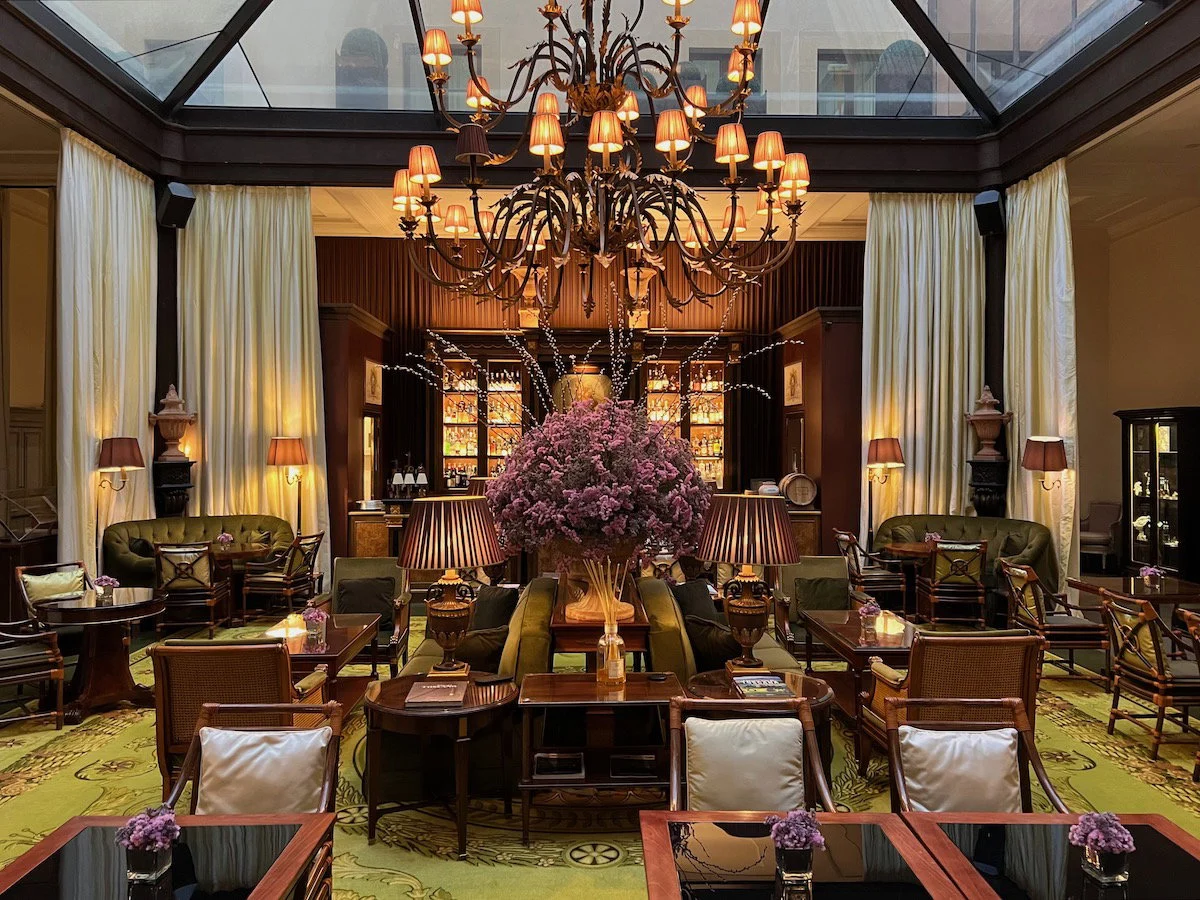
The global travel industry has long relied on curated lists to define luxury, influence traveler behavior, and set the gold standard for service. While "The World’s 50 Best" brand is historically synonymous with the definitive rankings of gastronomy and mixology, its relatively recent foray into the hospitality sector has ignited a significant dialogue among industry experts and affluent globetrotters alike.
With the release of the 2026 "World’s 50 Best Hotels" list, the industry finds itself once again debating the merits of subjective ranking systems. As the luxury travel market continues to evolve in a post-pandemic landscape, these rankings serve as both a prestigious accolade for hoteliers and a compass for the modern, discerning traveler.
The 2026 Rankings: A Shift in the Global Landscape
The 2026 edition of the list highlights a dynamic, ever-changing environment where prestige is never guaranteed. This year, the data reveals a notable turnover: 14 properties that did not appear on the 2025 list have successfully broken into the top 50, displacing an equal number of previous incumbents. This churn is indicative of the fierce competition currently defining the ultra-luxury segment, where hotels must constantly innovate to remain relevant.

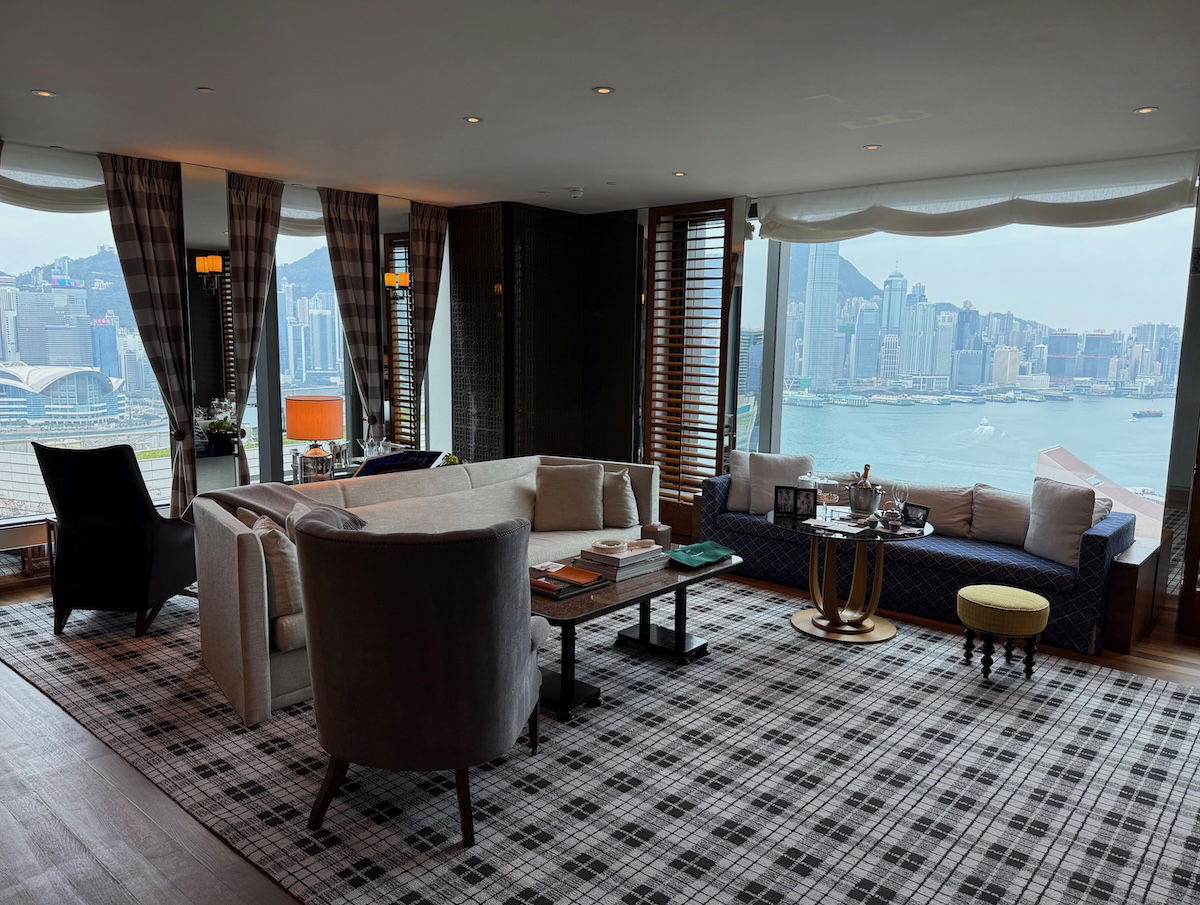
At the very top of the hierarchy, stability reigns for the elite. For the second consecutive year, Rosewood Hong Kong has been crowned the number one hotel in the world. Its continued dominance, followed closely by Capella Bangkok and Four Seasons Bangkok at Chao Phraya River, underscores the overwhelming influence of the Asian hospitality market. These properties, characterized by impeccable attention to detail, localized cultural integration, and world-class service, have set a benchmark that European and American counterparts are striving to match.
Methodology: Transparency in Subjectivity
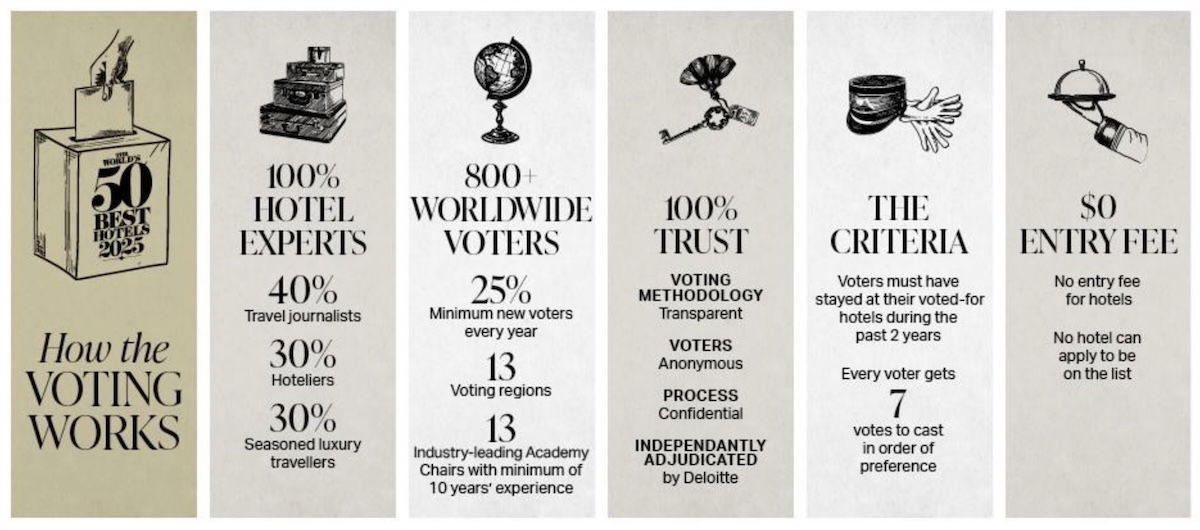
A common criticism of industry rankings is the opaque nature of their selection processes. However, "The World’s 50 Best" organization has made a concerted effort to codify its methodology to ensure credibility. The rankings are determined by "The World’s 50 Best Hotels Academy," a diverse body of over 800 industry experts.
The Academy is structured to ensure a balanced perspective, consisting of 40% travel journalists, 30% seasoned hoteliers, and 30% experienced luxury travelers. To maintain neutrality and relevance, the organization mandates that at least 25% of the panel be renewed annually. This ensures a constant influx of fresh perspectives and prevents the stagnation of the voting pool.
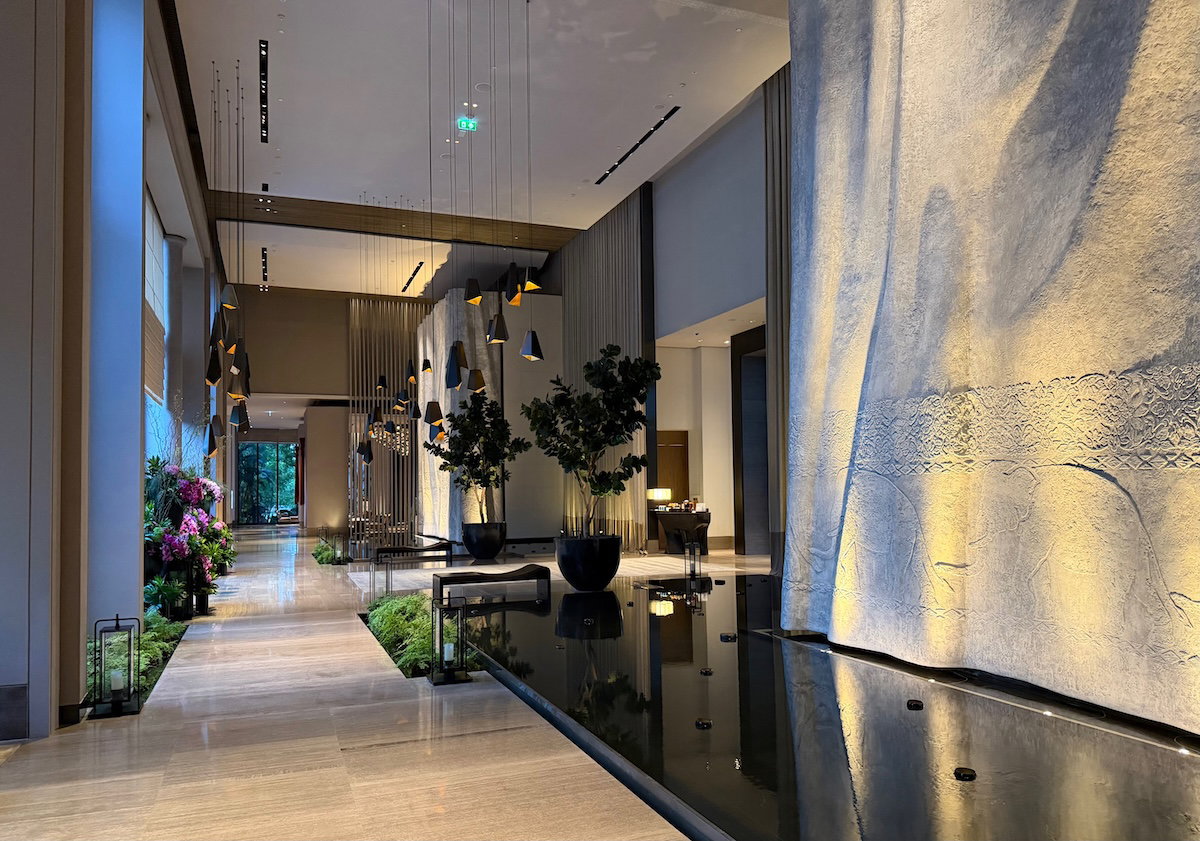
The voting process itself is geographically granular. The globe is divided into 13 regions, each overseen by a chairperson who curates a local panel of experts. Each voter is required to cast seven votes based on their personal stays within the previous two years. The criteria are intentionally broad, focusing on the “best” experiences rather than a rigid scorecard of amenities. This openness allows for a wide range of properties—from massive, multi-faceted resorts like Atlantis The Royal to intimate, historic boutique hotels like Passalacqua—to be evaluated on equal footing.
Comparative Dynamics: City vs. Resort
A point of contention among travel analysts is the focus on urban, city-centric properties. The top four ranked hotels in 2026 are all urban flagships. While these properties offer undeniable convenience and architectural splendor, they represent a fundamentally different experience than the destination resort.
Industry veterans often argue that comparing a 795-room urban skyscraper to a 24-room historic villa is an exercise in apples-to-oranges. However, the voters seem to prioritize the "experience economy"—how a hotel manages to deliver tranquility and bespoke service in the heart of a bustling metropolis. The fact that the list favors these urban centers suggests that, for the modern traveler, accessibility to cultural hubs remains a primary driver of value.
The "White Lotus" Effect: Economic Implications
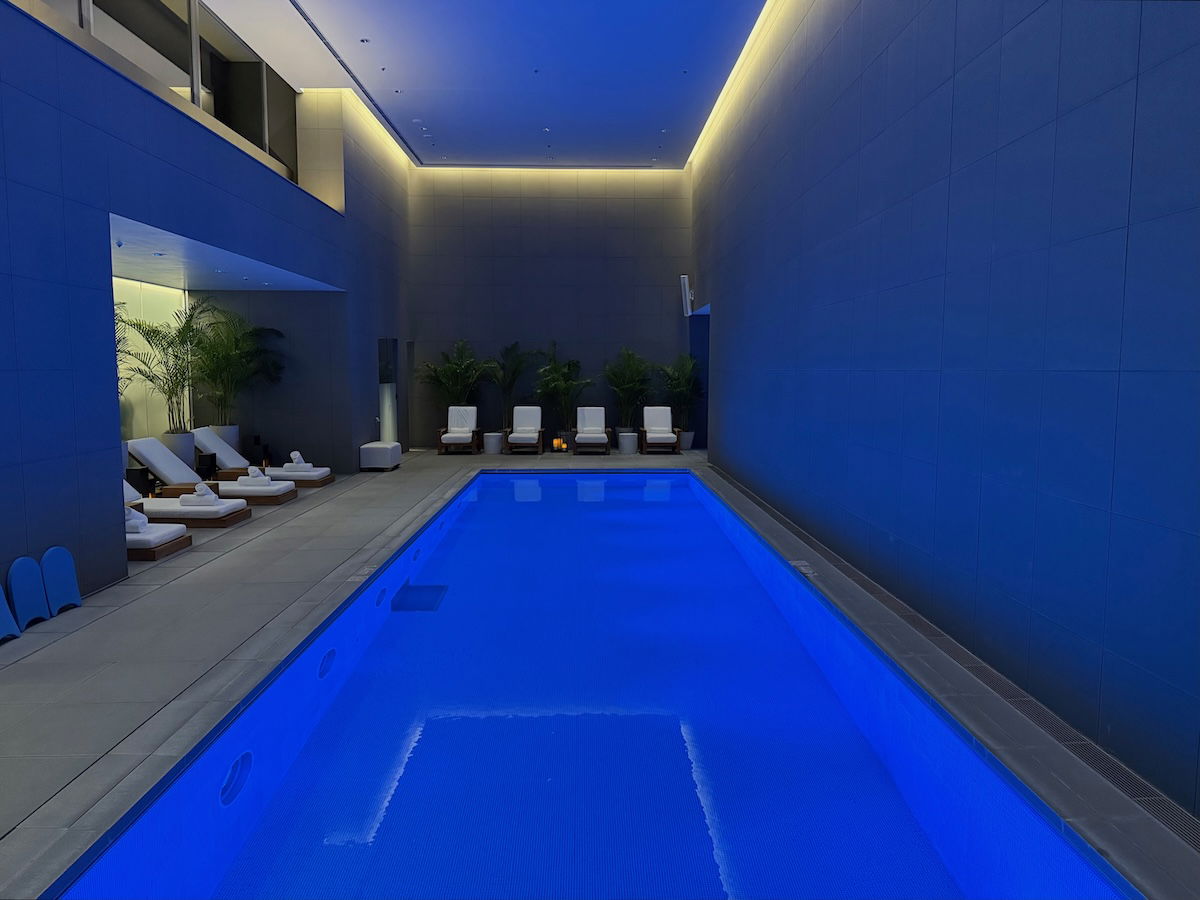
While a ranking on "The World’s 50 Best" is a transformative marketing tool for a property, it carries a double-edged sword for the consumer. Industry insiders often refer to the "White Lotus effect," where the sudden surge in global visibility—and the subsequent "bucket-list" status—drives occupancy rates to capacity and leads to significant price inflation.
For the hotels, the designation acts as a force multiplier for revenue management. For the traveler, however, it can lead to a commodification of the guest experience. When a property becomes the "it" destination, the quiet, personalized atmosphere that likely earned it the ranking in the first place can be strained by high demand. Furthermore, the reliance on these lists by affluent travelers often overlooks exceptional, smaller brands—such as the highly regarded Airelles collection—which may not provide the volume of high-profile, comped stays to journalists or influencers required to gain traction among the voting committee.
Notable Absences and Industry Commentary
The 2026 list has sparked discussion regarding the properties that fell off the leaderboard. The removal of certain hotels that were mainstays in 2025 serves as a stark reminder that luxury is a perishable commodity. Trends in interior design, food and beverage offerings, and sustainability initiatives move quickly, and even the most iconic properties can lose their edge if they fail to adapt.
Furthermore, the notable absence of certain boutique brands has led to speculation about the intersection of marketing budgets and voting bias. If a hotel group does not engage in the global media circuit, even the most exquisite property might remain "under the radar" of the 800-person academy. This highlights the inherent limitation of such lists: they are a reflection of the voters’ exposure as much as they are an objective measure of quality.
Looking Forward: The Future of Luxury Hospitality
As we move deeper into 2026, the hospitality industry faces a unique set of challenges. Climate change, the integration of AI into guest services, and a shifting demographic of ultra-high-net-worth individuals are all reshaping what guests expect from a "best" hotel.
The "World’s 50 Best" list serves as a snapshot of this evolution. While it should not be treated as an absolute, immutable truth—given the inherent subjectivity of human experience—it remains an essential tool for understanding current trends. The dominance of Asian properties like Rosewood Hong Kong and Capella Bangkok suggests that the center of gravity in luxury travel has firmly shifted to the East, where service culture is deeply embedded in the local ethos.
Ultimately, the value of the list lies in the conversation it generates. It encourages travelers to look beyond brand names and consider the nuances of service, architecture, and location. Whether or not one agrees with the specific placement of a property, the act of ranking forces the industry to be more transparent, more competitive, and more focused on the guest experience.
For the traveler, the best advice remains: use the list as a starting point for discovery, but rely on your own preferences and research when booking your next luxury escape. The "best" hotel in the world is, and will always be, the one that provides you with the most meaningful and memorable experience.