






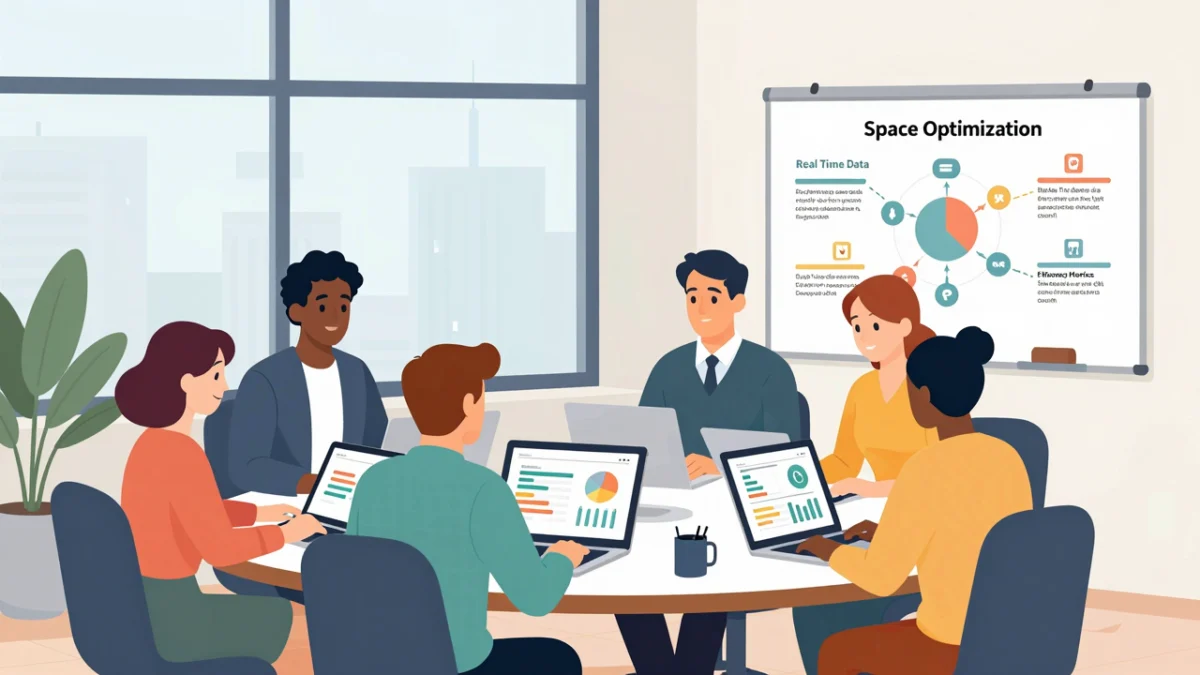
In the modern corporate landscape, the physical office is undergoing a profound metamorphosis. Gone are the days of rigid, assigned seating and monotonous rows of identical cubicles. Today, forward-thinking organizations are realizing that workplace space planning is far more than an interior design exercise—it is a strategic business driver directly tied to employee engagement, operational efficiency, and overall corporate growth.
As hybrid work models become the permanent operational standard rather than a temporary fix, workplace leaders face a critical mandate: reimagine the physical office to serve as a destination for collaboration, innovation, and community, rather than merely a place to log hours.

Main Facts: The Shift Toward Smart, Adaptable Workplaces
The modern evolution of office architecture relies heavily on data-driven decision-making and human-centric design. Rather than relying on guesswork, organizations are increasingly turning to advanced office space management software and occupancy planning tools to evaluate how their teams actually use physical environments.
Key developments in contemporary workplace strategy include:

- The Rise of Hybrid-Ready Layouts: Traditional fixed desks are rapidly being replaced by hot-desking and hoteling arrangements, which maximize spatial efficiency while accommodating fluctuating daily attendance.
- Technology Integration: From digital twin technology and interactive floorplans to mobile scheduling apps and smart sensors, real-time data analytics now dictate how layouts are organized and optimized.
- Holistic Employee Well-Being: Incorporating ergonomic furniture, biophilic design elements, and abundant natural light has transitioned from a "nice-to-have" perk to an essential strategy for reducing strain injuries, lowering absenteeism, and boosting morale.
- Sustainability as a Core Metric: Eco-friendly design practices—such as utilizing recycled materials, installing living walls, and deploying energy-efficient LED systems—are helping businesses shrink their carbon footprints while slashing overhead utility costs.
Chronology: The Evolution from Traditional Cubicles to Intelligent Ecosystems
To understand where workplace design is heading, it is helpful to examine the rapid transformation of the office environment over recent decades:
- Pre-2020 (The Era of Fixed Density): The traditional office focused primarily on cost-per-square-foot efficiency. Rows of assigned desks, private perimeter offices for management, and standardized conference rooms dominated corporate real estate. Flexibility was minimal.
- 2020–2022 (The Pivot to Remote and Flexible Work): The global pandemic forced an abrupt shift to remote work. As businesses began welcoming employees back, unpredictable attendance patterns exposed the rigidity of legacy office layouts, sparking an immediate need for flexible seating policies.
- 2023–2025 (The Hybrid Experimentation Phase): Organizations experimented with various return-to-office mandates. Companies quickly discovered that forcing employees back into uninspiring, outdated spaces led to friction and high turnover. The focus shifted toward making the office a compelling "destination."
- 2026 and Beyond (The Age of Intelligent Ecosystems): Today, workspace management is proactive and data-driven. Using occupancy analytics, modular furniture, and smart scheduling platforms, companies continuously reconfigure their real estate portfolios in real-time to match the evolving needs of their workforce.
Supporting Data: The Measurable Impact of Thoughtful Space Design
Empirical research consistently demonstrates that intentional workspace planning yields substantial returns on investment, affecting everything from bottom-line productivity to long-term employee retention.

| Strategic Intervention | Primary Benefit | Quantifiable Impact |
|---|---|---|
| Ergonomic Furniture & Sit-Stand Desks | Enhanced focus and reduced physical strain | 20–30% productivity increase; 50% discomfort reduction |
| Maximizing Natural Light | Stress reduction and increased vitality | Up to 15% boost in overall productivity |
| Reflective Surfaces & Light Distribution | Brighter, more inviting atmosphere | Up to 20% improvement in visual comfort and focus |
| Dedicated Quiet & Wellness Zones | Uninterrupted focus and mental restoration | 20–25% increase in output; 30% jump in job satisfaction |
| Energy-Efficient Lighting & Appliances | Reduced environmental impact and overhead | 25–50% reduction in energy costs |
Furthermore, studies indicate that organizations prioritizing ergonomic solutions and flexible layouts see a 17% increase in overall employee satisfaction and a notable 25% drop in absenteeism linked to musculoskeletal disorders.
Official Responses: Industry Leaders on the Future of Real Estate
Corporate real estate executives and workplace strategists emphasize that the primary function of the office has fundamentally changed.

"The office can no longer compete with the comfort of working from home if it only offers a desk and a chair," notes a leading workplace operations strategist. "It must offer something better: spaces for genuine human connection, advanced technological tools for seamless collaboration, and quiet environments that foster deep, uninterrupted concentration."
Facility management experts echo this sentiment, stressing that software-driven space optimization is no longer optional for mid-to-large enterprises. "By leveraging real-time data analytics and occupancy tracking, companies can stop wasting capital on underutilized square footage. Instead, they can shrink, expand, or reconfigure their footprints dynamically based on actual employee behavior."

Implications: What This Means for Business Leaders and Employees
The transition toward innovative workplace planning carries profound implications for organizations across all industries:
1. Cost Efficiency Meets Talent Retention
Optimizing office layouts through space management software allows businesses to reduce unnecessary real estate expenditures while simultaneously improving the daily employee experience. When workers feel comfortable, supported, and equipped with the right tools, retention rates naturally rise.

2. Agility in the Face of Business Growth
Markets change rapidly, and physical workspaces must be able to pivot just as quickly. By investing in modular furniture solutions and flexible zoning, companies can scale their operations up or down without undergoing disruptive, expensive renovations.
3. Cultural Alignment and Belonging
A well-designed workspace acts as a physical manifestation of a company’s core values. Whether an organization champions radical transparency, cross-functional innovation, or environmental sustainability, its physical layout must reflect those principles to resonate with today’s discerning talent pool.

Conclusion: Taking Action to Transform Your Workplace
Workplace space planning is an ongoing journey rather than a one-time project. By evaluating your current layout, embracing flexible workspaces, investing in ergonomic and modular furniture, and leveraging smart management software, you can build an environment that actively champions employee health, operational efficiency, and sustainable growth.
Take the proactive step today: audit your current space utilization, gather direct feedback from your team, and begin shaping an office environment designed not just for where your business is today, but for where it is going tomorrow.