







For millions of Americans, the credit report serves as a silent financial resume, dictating the ease with which they can purchase homes, finance vehicles, or secure personal loans. However, a significant knowledge gap persists regarding the mechanics of credit. Specifically, many consumers remain unclear on the functional and structural differences between installment and revolving credit accounts. Understanding these differences is not merely an academic exercise; it is a vital component of financial literacy that influences how interest is accrued, how credit scores are calculated, and how debt management strategies should be deployed.
The Core Distinction: Installment vs. Revolving Credit
Every credit account appearing on a consumer’s credit report is categorized as either an installment account or a revolving account. This distinction dictates the lifecycle of the debt—how the funds are accessed, the nature of the repayment schedule, and the impact the account has on a FICO® score.
What is Revolving Credit?
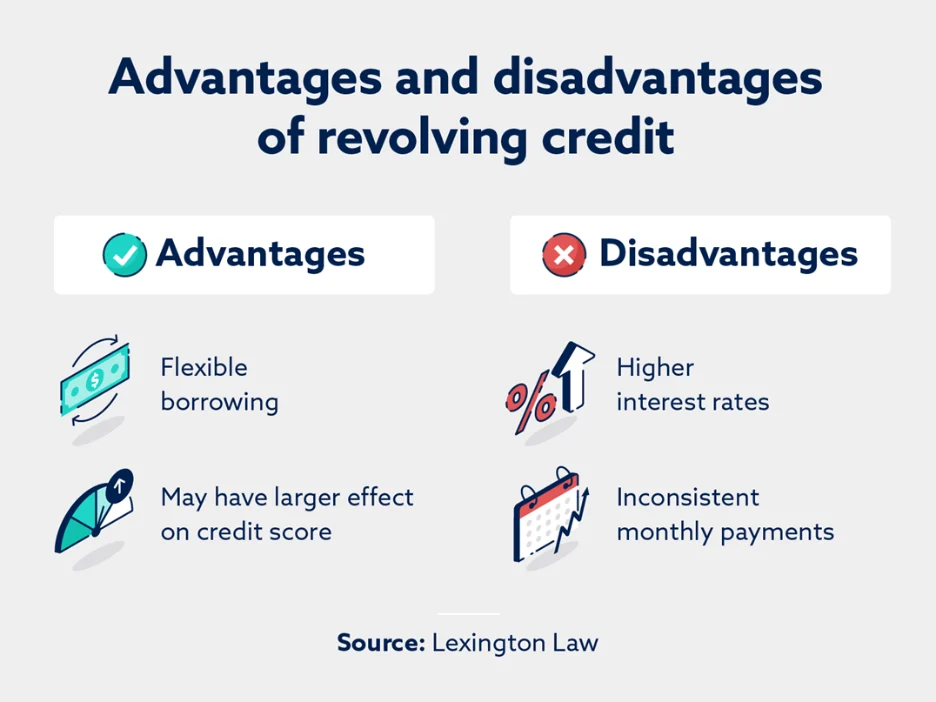
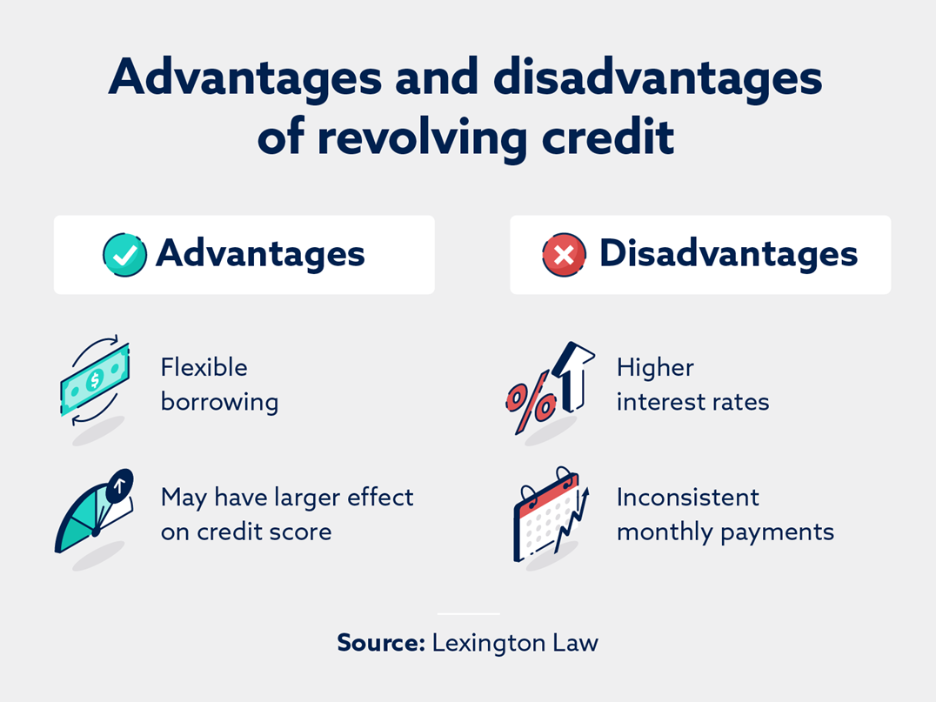
Revolving credit is defined by its fluidity. It operates as an open-ended line of credit where a lender grants a borrower a specific maximum limit. Within that limit, the borrower can access funds as needed, repay a portion or the entire balance, and then access those funds again without the necessity of reapplying.
The primary characteristic of revolving credit is its lack of a fixed end date. As long as the account remains in good standing and the borrower adheres to the terms of the credit agreement, the account stays open indefinitely. Examples include credit cards, home equity lines of credit (HELOCs), and personal lines of credit.
What is Installment Credit?
Conversely, installment credit is structured around a specific, predetermined goal. A lender provides a lump sum of money upfront, which the borrower then repays through a series of fixed, scheduled payments—usually monthly—over a set term. Once the balance is reduced to zero, the account is considered satisfied and is subsequently closed. Common examples include auto loans, student loans, and mortgages. Personal loans, frequently misunderstood, are strictly classified as installment credit because they follow this "lump sum and fixed term" structure.
Chronology and Lifecycle of Credit Accounts
The behavior of these accounts over time reveals why they are treated differently by credit scoring models.
The Lifecycle of Revolving Debt
- Approval: A credit limit is established based on the borrower’s creditworthiness.
- Usage: The borrower utilizes a portion of the credit limit.
- Repayment: The borrower makes minimum payments or pays off the balance in full.
- Renewal: As the balance is paid down, the "available credit" regenerates, allowing the borrower to cycle through the process repeatedly.
- Maintenance: The account remains open, contributing to the "length of credit history" factor, provided the user does not close the account.
The Lifecycle of Installment Debt
- Approval: A loan amount is approved with a specific interest rate and repayment duration (e.g., 36 or 60 months).
- Disbursement: The total amount is provided at the start.
- Amortization: Payments are structured so that a portion goes toward interest and a portion toward the principal, ensuring the loan is paid off exactly at the end of the term.
- Closure: Once the final payment is made, the account is marked as "paid/closed" on the credit report, which can potentially lead to a slight shift in credit score metrics as the account is no longer "active."
Supporting Data: How These Accounts Influence Credit Scores
Credit scoring models, such as FICO, evaluate the "mix" of credit a consumer holds. This "Credit Mix" accounts for approximately 10 percent of an individual’s FICO score.

The Impact of Credit Utilization
Revolving credit accounts exert a more immediate and significant pressure on credit scores through a metric known as "credit utilization." This is the ratio of the total balances currently held on revolving accounts compared to the total available limits. Financial experts generally advise maintaining a utilization rate below 30 percent. For instance, if a consumer has $10,000 in total credit limits, keeping their balances below $3,000 is critical for score optimization. Because installment loans do not have a "limit" in the same sense, they do not factor into this specific utilization ratio.
Payment History and Longevity
Regardless of the account type, payment history remains the most significant driver of a credit score, representing 35 percent of the FICO model. A single late payment—whether on a credit card (revolving) or a personal loan (installment)—can have a long-term detrimental effect, staying on a credit report for up to seven years.
Furthermore, "Length of Credit History" (15 percent of the score) benefits from the stability of these accounts. Keeping an installment loan open until maturity demonstrates a long-term commitment to a financial obligation, which is viewed favorably by lenders.
Strategic Implications: Which is Better?
There is no universal "better" option; the choice between installment and revolving credit should be dictated by the nature of the expense.
When to Use Revolving Credit
Revolving credit is the superior tool for ongoing, variable, or unpredictable expenses. If you are managing household cash flow, a credit card provides the necessary flexibility to pay for groceries, utilities, and minor repairs. However, the convenience comes with a risk: if balances are carried over, the high, often variable interest rates associated with credit cards can make the debt grow exponentially.
When to Use Installment Credit
Installment loans are ideal for high-cost, one-time expenses. By choosing a personal loan for a major purchase—such as a $6,000 home repair—the borrower locks in a fixed interest rate and a clear, non-negotiable repayment schedule. This removes the temptation of "re-borrowing" and provides a sense of financial certainty.
Example Comparison:
If a borrower carries $6,000 on a credit card with a 24% APR and pays $300 monthly, they may pay over $1,300 in interest over two years. A personal loan for the same amount at 12% APR over three years would result in roughly $1,150 in interest, with a fixed end date and a lower monthly payment, demonstrating the cost-efficiency of installment debt for large, planned expenditures.
Addressing Common Myths and Official Perspectives
To clarify further, we look at common inquiries regarding the interaction between these account types.
Can a personal loan become a revolving line?
No. A personal loan is structurally fixed. If a borrower needs to access more funds after paying off a personal loan, they must apply for a new, separate loan.
Is a HELOC revolving or installment?
A Home Equity Line of Credit is technically a revolving account. It functions similarly to a credit card in that you can draw against it, repay it, and draw again. However, many HELOCs transition into a "repayment phase" after a certain number of years, effectively turning into an installment-like structure once the draw period ends.
Does early repayment hurt?
There is a common misconception that paying off an installment loan early is inherently bad. While it might lead to a minor, temporary dip in a credit score due to the closure of an account or a slight change in the "average age of accounts," the financial savings from interest payments usually outweigh the negligible impact on the score.
The Necessity of Accurate Reporting
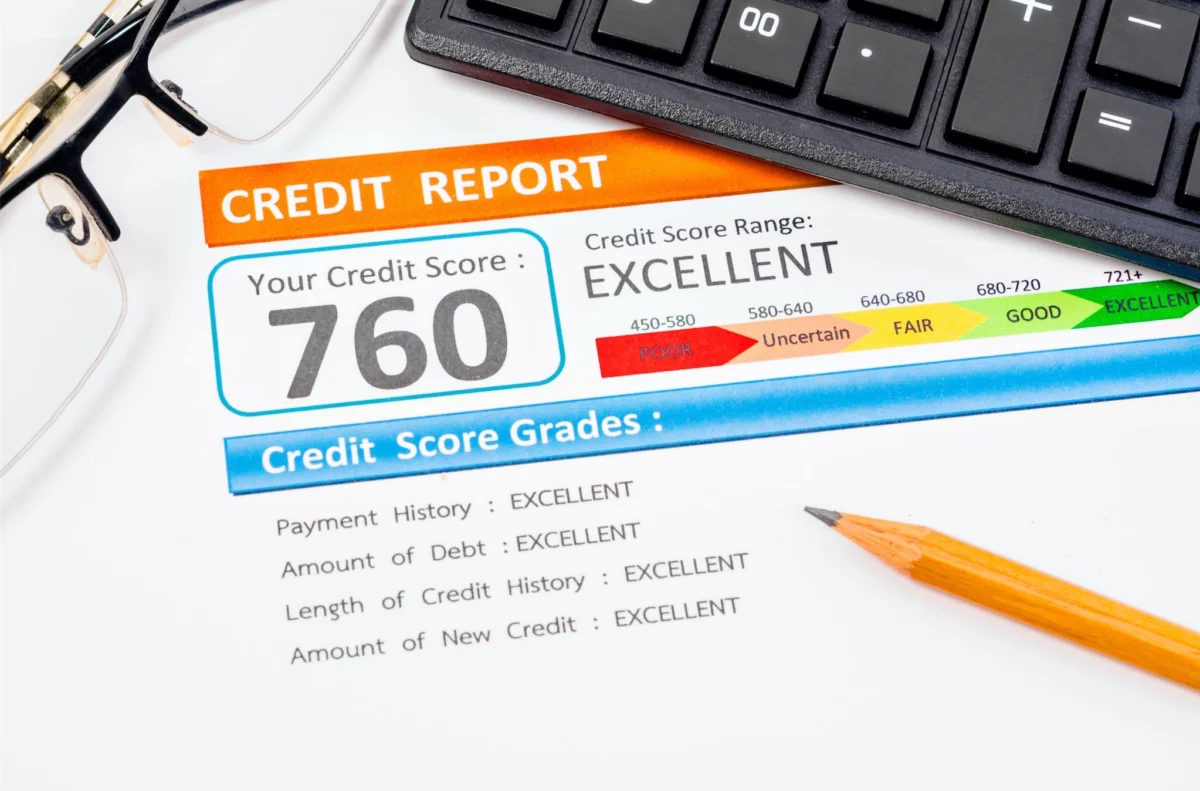
The distinction between these accounts is only useful if the credit report is accurate. Inaccurate data—such as a debt that was paid off but is still showing as "open/delinquent," or an account that was erroneously attributed to the wrong consumer—can cripple one’s ability to secure favorable interest rates.
A "clean" credit report is the foundation upon which all other financial decisions are built. Before applying for a new loan or line of credit, consumers should:
- Request free reports from the three major credit bureaus.
- Review the "Credit Mix" to ensure they have a healthy balance of both installment and revolving accounts.
- Flag discrepancies: If an installment loan is mislabeled as revolving (or vice versa), it can confuse automated underwriting systems, potentially leading to a denial of credit.
In conclusion, understanding the structural differences between revolving and installment credit empowers consumers to act as architects of their own financial futures. By selecting the right tool for the right expense and diligently monitoring the accuracy of their credit reports, individuals can move from being passive consumers of credit to active managers of their financial reputation. If a consumer finds that their credit history is being weighed down by inaccuracies, seeking a professional credit assessment can be a decisive step toward clearing the path for future borrowing.