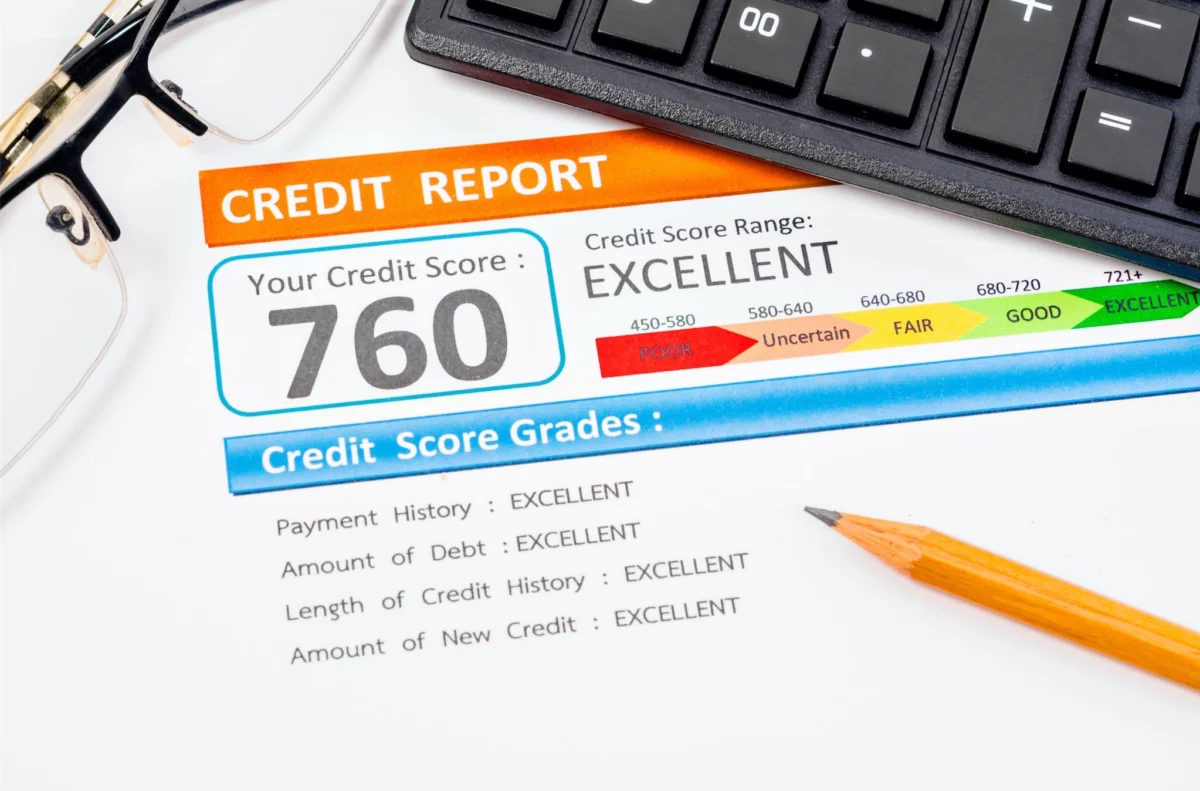









In an era where financial literacy is the cornerstone of personal independence, understanding your credit standing is no longer a luxury—it is a necessity. Your credit score serves as a financial fingerprint, influencing everything from the interest rates on your mortgage to your eligibility for a rental apartment or a new auto loan. Fortunately, the digital landscape has democratized access to this data, offering a plethora of free tools to monitor your credit health.
However, not all credit score apps are created equal. With various scoring models, update frequencies, and data sources, choosing the right tool requires a strategic approach. This guide explores the top 11 free credit score applications, how to interpret their data, and how to take action when your report reflects inaccurate information.
The Landscape of Credit Scoring: Understanding the Models
Before diving into the apps, it is essential to distinguish between the two primary scoring models: FICO and VantageScore.
- FICO (Fair Isaac Corporation): This is the industry standard. Approximately 90% of top lenders utilize FICO scores when making credit decisions. If you are preparing for a major financial milestone, such as buying a home, you should prioritize tools that provide a FICO score.
- VantageScore: Developed by the three major credit bureaus (Experian, Equifax, and TransUnion), this model is designed for broader consumer use. While it is an excellent tool for general tracking and observing trends, it may differ from the specific score a lender sees during an application process.
Evaluating the Top 11 Credit Score Platforms
1. Experian: The Gold Standard for FICO Accuracy
Experian remains the undisputed leader for consumers seeking precision. As the only major free app providing an actual FICO score rather than a VantageScore estimate, it offers the most accurate glimpse into how lenders view your profile.
- Key Features: Includes Experian Boost®, which allows users to factor utility, rent, and streaming service payments into their credit file. The app also offers a free credit freeze toggle and a robust score simulator.
2. myFICO: Direct from the Source
Operated by the Fair Isaac Corporation itself, myFICO provides the most authoritative data. The free tier offers a monthly refreshed FICO Score 8 and an Equifax report. While the update cadence is slower than other apps, the reliability of the data is unmatched.
3. Credit Snapshot with Lexington Law
Credit Snapshot is designed for those who want a clean, minimalist experience. It prioritizes clarity over "cross-sell" clutter. When a user identifies an anomaly on their report, they have a direct pathway to Lexington Law’s dispute services, making it a powerful tool for those actively managing credit errors.
4. Credit Sesame: Gamifying Financial Health
Credit Sesame uses a unique "Sesame Grade" system, translating complex three-digit scores into an easy-to-understand letter grade. It is ideal for those who find traditional financial jargon overwhelming.
5. WalletHub: The Efficiency Leader
For those who need real-time data, WalletHub offers the fastest refresh rate in the industry: daily updates. This makes it the premier choice for individuals actively paying down debt or monitoring for potential identity theft.
6. Credit Karma: Broad Bureau Coverage
Credit Karma provides free access to reports from two of the three bureaus: TransUnion and Equifax. By pairing this with the Experian app, consumers can achieve a comprehensive view of their credit profile across all three major bureaus without spending a dime.
7. NerdWallet: The Personal Finance Hub
NerdWallet integrates credit monitoring into a broader personal finance ecosystem. It is perfect for users who want to track their cash flow, budget, and credit score in one unified interface.
8. SavvyMoney: Integrated Banking Convenience
SavvyMoney is an embedded tool found within many credit union and bank apps. It eliminates the need for another password or login, providing monthly score updates that can be manually refreshed to daily.
9. LendingTree: Insights-Driven Tracking
LendingTree’s "Spring" app focuses on the "why" behind your score. By pairing weekly updates with personalized insights, it helps users understand how specific behaviors—such as high credit utilization—are impacting their overall rating.
10. Capital One CreditWise: Security-Focused
CreditWise is open to the public, regardless of whether you bank with Capital One. It provides a FICO Score 8 and monitors two bureaus. Its standout feature is its dark web scanning, which actively alerts users if their personal information, such as a Social Security number, appears in known data breaches.

11. Chase Credit Journey: No-Strings-Attached Access
Even if you are not a Chase customer, Credit Journey offers robust, weekly VantageScore 3.0 updates. It provides a detailed breakdown of the five factors influencing your score, making it a highly educational tool.
Strategic Chronology: When and Why to Check
Financial experts recommend a tiered approach to credit monitoring:
- Routine Tracking (Monthly): For the average consumer, a monthly check is sufficient to ensure there are no unauthorized accounts or drastic drops in score.
- Active Management (Weekly): If you are aggressively paying down debt or planning a large purchase within the next six months, weekly monitoring provides the necessary feedback loop to ensure your efforts are yielding results.
- Crisis Monitoring (Daily): If you have been a victim of identity theft or suspect fraud, daily monitoring via a tool like WalletHub is critical to catching and disputing fraudulent entries immediately.
Supporting Data: The Impact of "Soft" vs. "Hard" Inquiries
A common misconception among consumers is that checking one’s own credit score will damage it. It is vital to clarify: Checking your own score via these apps is a "soft inquiry." Soft inquiries do not impact your credit score.
"Hard inquiries" only occur when you formally apply for a loan or credit card, giving a lender permission to perform a deep dive into your history. By using these free apps, you can stay informed without the risk of lowering your standing.
The Role of Professional Advocacy: Addressing Inaccuracies
While these apps are excellent at alerting you to changes, they are not designed to resolve errors. If you discover a late payment that you actually paid on time, or a debt that does not belong to you, an app’s "dispute button" often only sends a cursory notification to the bureau.
This is where professional services like those offered by Lexington Law Firm become essential. When an error appears on your credit report, it can act as a permanent anchor on your financial life. Advocates at Lexington Law review your report, identify potentially unfair or inaccurate items, and engage in the formal, rigorous process of disputing those items with creditors and bureaus on your behalf. A free credit assessment can serve as the first step in cleaning up your report, ensuring that when you do apply for that mortgage or loan, your score is a true reflection of your financial responsibility.
Implications for Your Financial Future
The democratization of credit data has empowered millions to take control of their economic destiny. However, technology is only as effective as the person using it.
- The Bottom Line: If you want the most accurate picture, use Experian or myFICO. If you want the most frequent updates, use WalletHub. If you need to fix a mistake, seek professional intervention.
By utilizing these tools to maintain a high credit score, you do more than just unlock lower interest rates; you secure a greater degree of freedom in your personal and professional life. In the complex world of modern finance, your credit score is your most valuable asset—treat it with the attention it deserves.
Frequently Asked Questions (FAQs)
Q: Can I get all three credit scores for free?
A: No single free app provides all three. However, you can "stack" apps. Using the Experian app for your Experian score and Credit Karma for your TransUnion and Equifax scores will effectively cover all three bases.
Q: Do these apps hurt my credit?
A: Absolutely not. Checking your own score is a soft inquiry and has no impact on your creditworthiness.
Q: How often should I check my credit?
A: Monthly is the industry standard for general health. If you are actively working on credit repair or protecting yourself from fraud, increase this to weekly or daily.
Q: Why does my score vary between apps?
A: Scores vary based on the model used (FICO vs. VantageScore) and the bureau from which the data is pulled. It is normal for your scores to differ slightly across different platforms.